
College of Science & Engineering

Sophia Love
- Doctor of Philosophy (Natural and Physical Sciences)
- sophie.love@jcu.edu.au
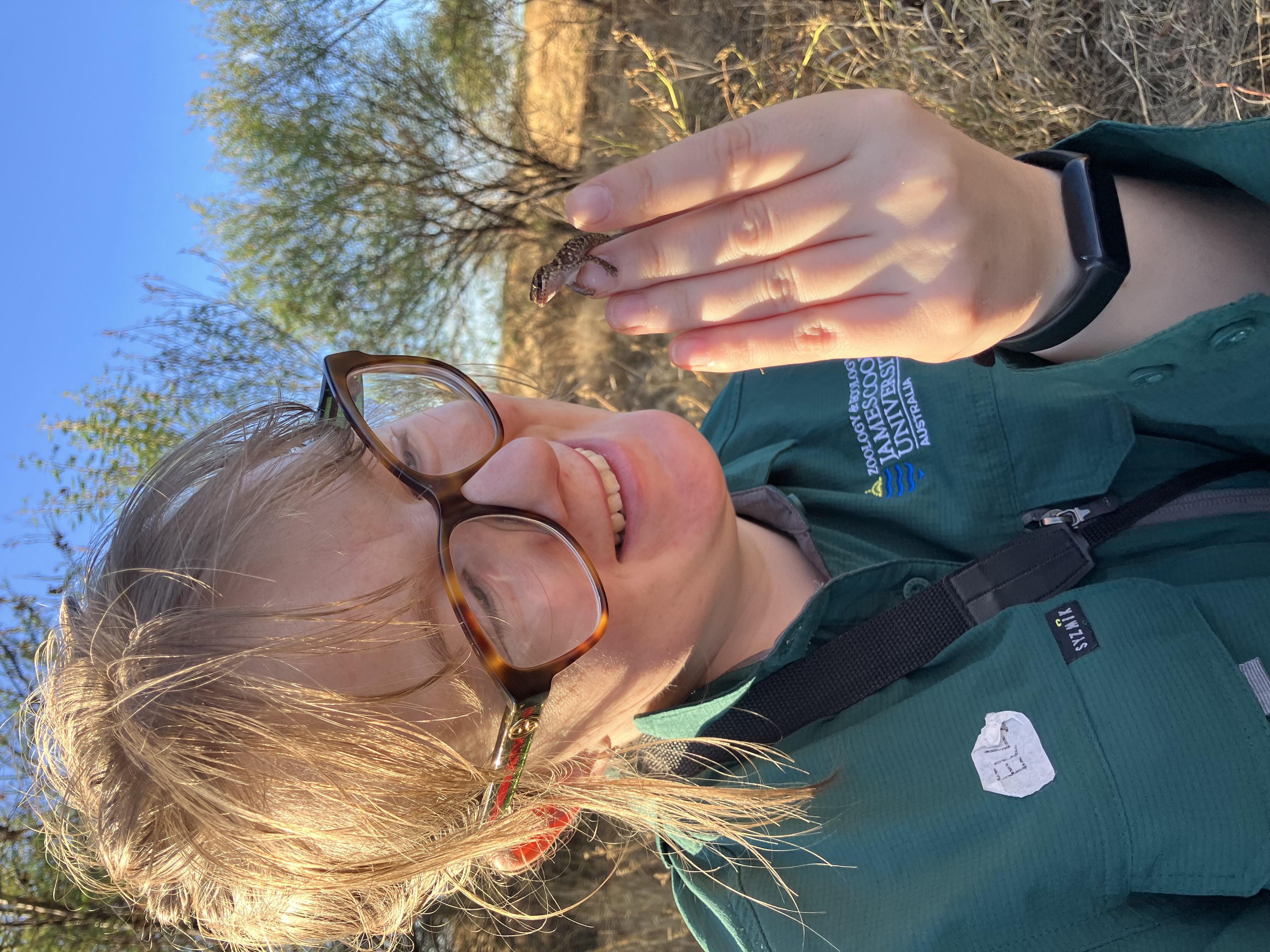
Elle Robertson
- Doctor of Philosophy (Agriculture, Environmental and Related Studies)
- elle.robertson@jcu.edu.au

Romain Vaucher
- Senior Lecturer, Sedimentology
- romain.vaucher@jcu.edu.au

Jenny Fisher
- Associate Dean, Learning and Teaching
- jenny.fisher@jcu.edu.au

Ambili Narayanan
- Doctor of Philosophy (Natural and Physical Sciences)
- ambili.narayanan@my.jcu.edu.au

Sarfaraz Ali
- Postdoctoral Research Fellow
- sarfaraz.ali@jcu.edu.au

Mikaeylah Davidson
- Postdoctoral Research Fellow
- mikaeylah.davidson@jcu.edu.au

Liuxin Chen
- Adjunct Lecturer
- liuxin.chen@jcu.edu.au

Rafael Cabral Carvalho
- Lecturer, Marine Geoscience
- rafael.cabralcarvalho@jcu.edu.au
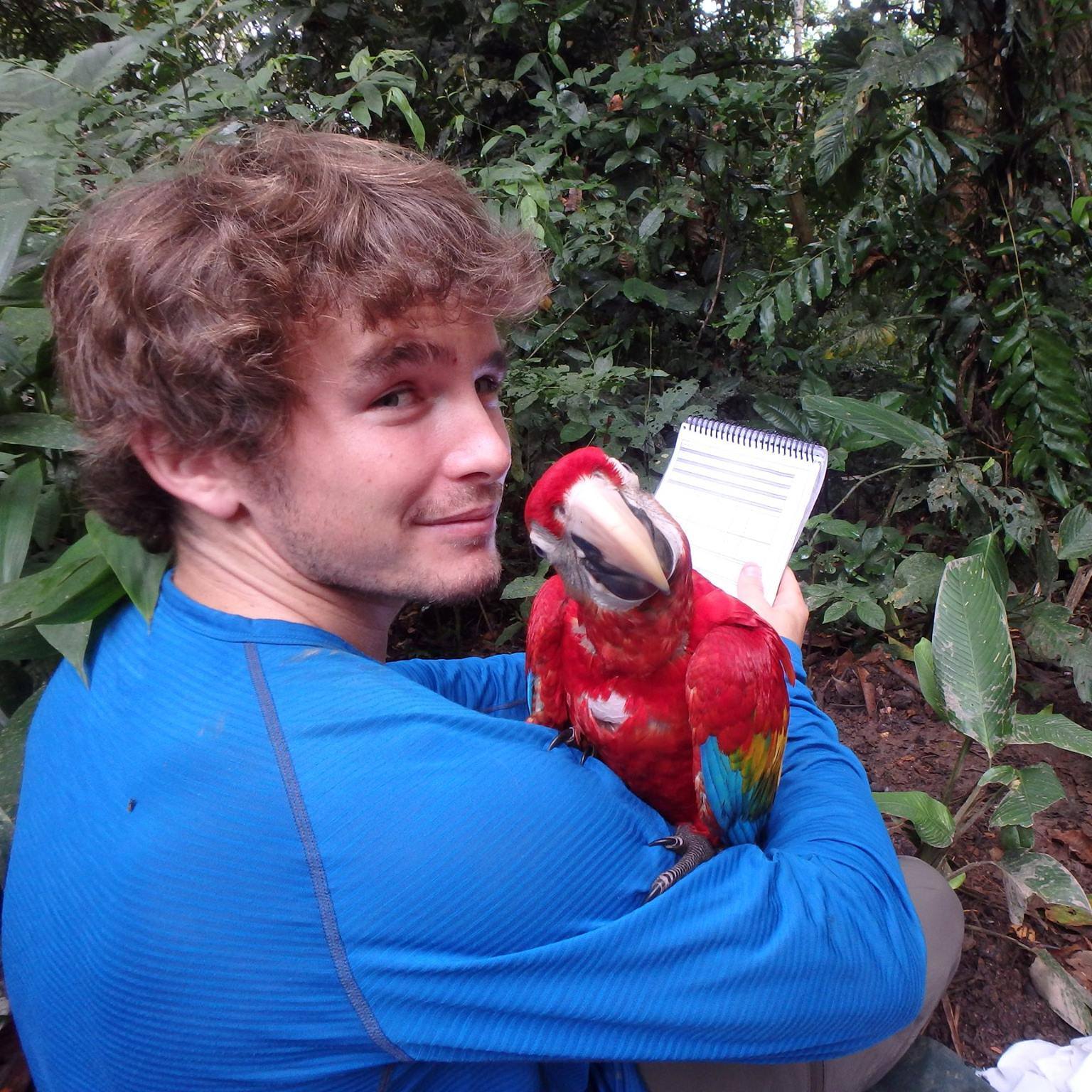
Tom Lloyd
- Postdoctoral Research Fellow, Global Ecosystems
- tom.lloyd@jcu.edu.au
Improving the flood resilience of a tropical urban catchment using hydraulic modelling approaches, tribal science and historical sources of information (Old ID 27749)
This project uses hydrological modelling to assess flood mitigation strategies under different climate change conditions for a tropical urban catchment in Cairns (Saltwater Creek). Model predictions are validated against field measurements and non-traditional sources of information including Traditional Owner knowledge and experiences of past floods and archival documents. The project involves ranger training in flow measurement and water quality assessment. The use of multiple lines of evidence to validate the flood model predictions decreases the risk associated with decision making around flood protection measures and urban development. The project outcomes will guide Cairns Regional Council and local communities in adaptive land use and investment planning under climate change for Saltwater Creek and similar coastal urban catchments.This is a collaborative project between Cairns Regional Council, Gimuy Walubara Yidinji Elders Aboriginal Corporation and Abriculture.
NESP 3.4 Better management of catchment runoff to marine receiving environments in northern Australia. (Old ID 28969)
Runoff from catchments in northern Australia has the potential to carry large amounts of sediment and nutrients. These available nutrients are important in driving coastal and estuary productivity, including many commercially and recreationally targeted species. Water resource development in northern Australia could reduce the supply of freshwater flow to the coast, thereby limiting supply of nutrients. This research project will examine the potential risks water resource development presents to Gilbert (QLD), Daly (NT) and Ord (WA) marine and coastal areas. We will complete a literature review, undertake flood plume modelling and examine vegetation damage along these coastal areas.
Genomic tools for monitoring yellow crazy ants. (Old ID 29026)
This project will establish protocols and baseline data for ddRAD-seq based sequencing of yellow crazy ants. In this phase of the project, we will sequence 200 individuals from historical infestations and develop tools to assess genetic relatedness among infestations. Baseline data established in this project will be used to help trace the origin of future infestations as well as improve our understanding of genetic diversity and gene flow in yellow crazy ants in Queensland.
JCU and Greening Australia alliance: leaders in tropical wetland restoration (Old ID 22951)
Greening Australia (GA) is a national not-for-profit organisation that strives towards the vision of healthy and productive landscapes where people and nature thrive. This vision is underpinned by science to guide what’s best for landscapes and people in Australia. Because of this business model, GA has a strong, long term, collaborative, approach to projects and therefore has achieved many sound, high profile outcomes. Projects delivered by GA attract significant financial investment from government, but maybe more so from philanthropic investors. By way of example, GA this year joined forces with Virgin Australia to launch a powerful new initiative (Reef Aid) to restore water quality in the GBR catchment area. As a start, GA has launched a public appeal to raise $10M as a first step towards an estimated $100M restoration campaign over the next 10 years. The Australian Government Reef Trust has already matched contributions up to $2M, and today, GA has $4M ready to start the Reef Aid journey via the instigation of on-ground wetland repair projects. Being focused on on-ground works, these projects lack significant research components. To this end, we propose through this partnership grant to demonstrate the value of research to improving on-ground outcomes and in doing so further our relationship with GA to include our services, via an R&D alliance, as part of further projects they develop through their Reef Aid program in coming years.
Strengthening economic resilience in Monsoon Asia (Old ID 21899)
Sharing, reciprocity and resource pooling are at the frontline of recovery and relief when economic crisis or disaster hits Monsoon Asia. This research sheds light on cases where these economic practices have been innovatively harnessed to diversify livelihoods and build economic resilience. Working with contemporary Asian scholars, practitioners in the disaster field and a data set gleaned from multiple sources, including mid-20th century tropical geography texts, the project brings to the fore a regional landscape of diverse economic practices across Monsoon Asia. A cross-regional on-line knowledge community is formed to explore how this asset base might be mobilised towards more effective local development and disaster response.
Fieldwork or remote sensing? The blurred line of unmanned airborne systems (Old ID 22374)
The aim of the project is to develop a state-of-the-art Unmanned Airborne System (UAS) capability in support of field data acquisition in Northern Australia. The system will provide highly detailed calibrated imagery of difficult or inaccessible survey sites and bridge the scale gap between in situ observations and imagery acquired by higher altitude airborne or satellite sensors. The Unmanned Airborne System will have a diverse range of applications, including environmental monitoring, disaster management and recording sites of indigenous cultural significance. In addition, the System will be more flexible and cost effective than any other field or remote sensing tool.
Improving the productivity of the Northern Australian livestock sector with the establishment of new legumes varieties (Old ID 23448)
Pasture legumes are quality feed and have benefits for livestock and the environment but few sown legumes are adapted to the vast clay soil regions of the north. JCU has 5 new varieties specifically developed for this region. The project aims is to: • Evaluate establishment techniques for these new legumes • Conduct grazing, pen, plot and soil trials evaluating new varieties • Demonstrate the benefits of legumes in terms of enhance livestock productivity • Undertake climate risk analysis • Engage students with a research focus on nutrition, soils and livestock productivity Uptake of legume technology will result in significant economic, environmental & social benefits
Australian ASEAN Food, Logistics and Technology Network (Old ID 24957)
The Australia ASEAN region is building trade and cultural relationships across many aspects of society and business. SME's are fundamental to both trade and cultural relationships. The Australia ASEAN Future Food, Logistics and Technology network will support SME's by driving the conversion of Australia and ASEAN's bioscience and technology. The aim is to develop a knowledge network of Australian and ASEAN universities, industry associations and businesses that enables research, cultural exchange and trade.
Mapping the future of Myanmar's human nutrition (Old ID 26719)
This project aims to utilise Geographical Information System (GIS) software to assist in the generation of maps to improve land use for nutritious food production (eg rice-fish systems (RFS)) in the Ayeyarwady Delta. Maps will be used to inform local governments of RFS suitability, supporting a broader understanding of different land use interactions in a multi-functional landscape setting. Additionally, outcomes will provide ecologically and socially tailored options for food production with an em0hasis on marginal land areas and groups. This will contribute to overarching policy goals of the government for poverty reduction, addressing under-nutrition and rural development.
Next generation training libraries to support Australia's coastal ecosystem monitoring systems (Old ID 27883)
The Department of Climate Change, Energy, the Environment and Water is seeking to develop the training data sets necessary to support the development of continuous ocean and coastal ecosystem extent mapping across the Australian continent. The mapping is expected to underpin the ongoing development of the National Ocean Accounts and other environmental-economic accounting activities. This project involves collecting training datasets to support models I have previously developed (Murray et al., 2022), so that these models can be employed by the Commonwealth for improved coastal mapping and monitoring.
Organic matter, sodicity and soil structure
- 1998
- Oxford University Press
- Researchers:Paul Nelson
Start Date:
01 Jan 2006
Start Date:
01 Jan 2014
End Date:
01 Jan 2014
Start Date:
01 Jan 2007
Start Date:
01 Jan 1998
Title:
Best Paper Awards
Start Date:
01 Jan 2022
Start Date:
01 Jan 2010
End Date:
01 Jan 2021
Title:
Premium Paper Awards
Start Date:
01 Jan 2020
Start Date:
01 Jan 2006
Start Date:
01 Jan 2015
End Date:
01 Jan 2017
Start Date:
01 Jan 2020