
College of Science & Engineering

Sophia Love
- Doctor of Philosophy (Natural and Physical Sciences)
- sophie.love@jcu.edu.au
Romain Vaucher
- Senior Lecturer, Sedimentology
- romain.vaucher@jcu.edu.au
Jenny Fisher
- Associate Dean, Learning and Teaching
- jenny.fisher@jcu.edu.au

Ambili Narayanan
- Doctor of Philosophy (Natural and Physical Sciences)
- ambili.narayanan@my.jcu.edu.au

Sarfaraz Ali
- Postdoctoral Research Fellow
- sarfaraz.ali@jcu.edu.au
Mikaeylah Davidson
- Postdoctoral Research Fellow
- mikaeylah.davidson@jcu.edu.au
Liuxin Chen
- Lecturer
- liuxin.chen@jcu.edu.au
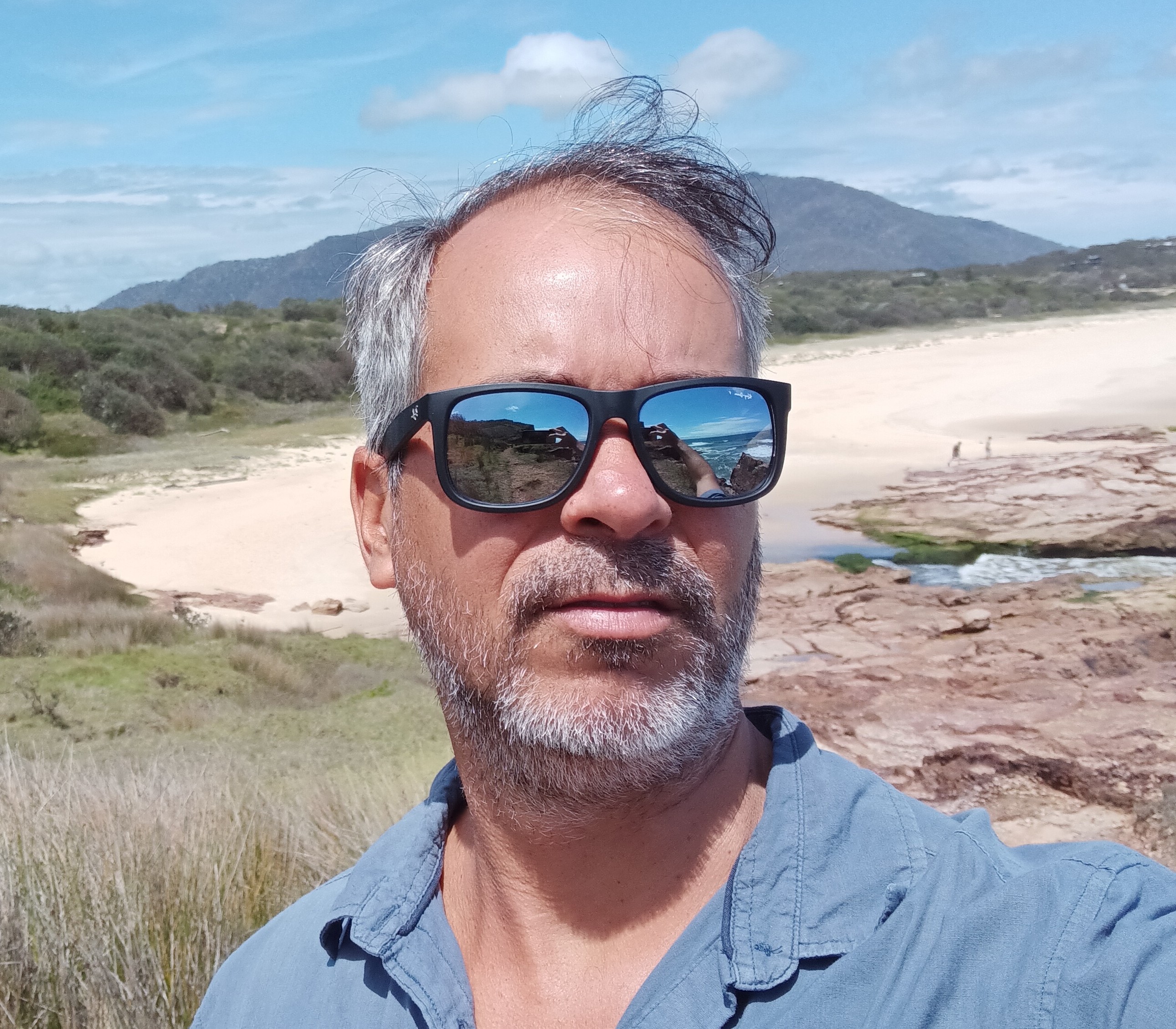
Rafael Cabral Carvalho
- Lecturer, Marine Geoscience
- rafael.cabralcarvalho@jcu.edu.au
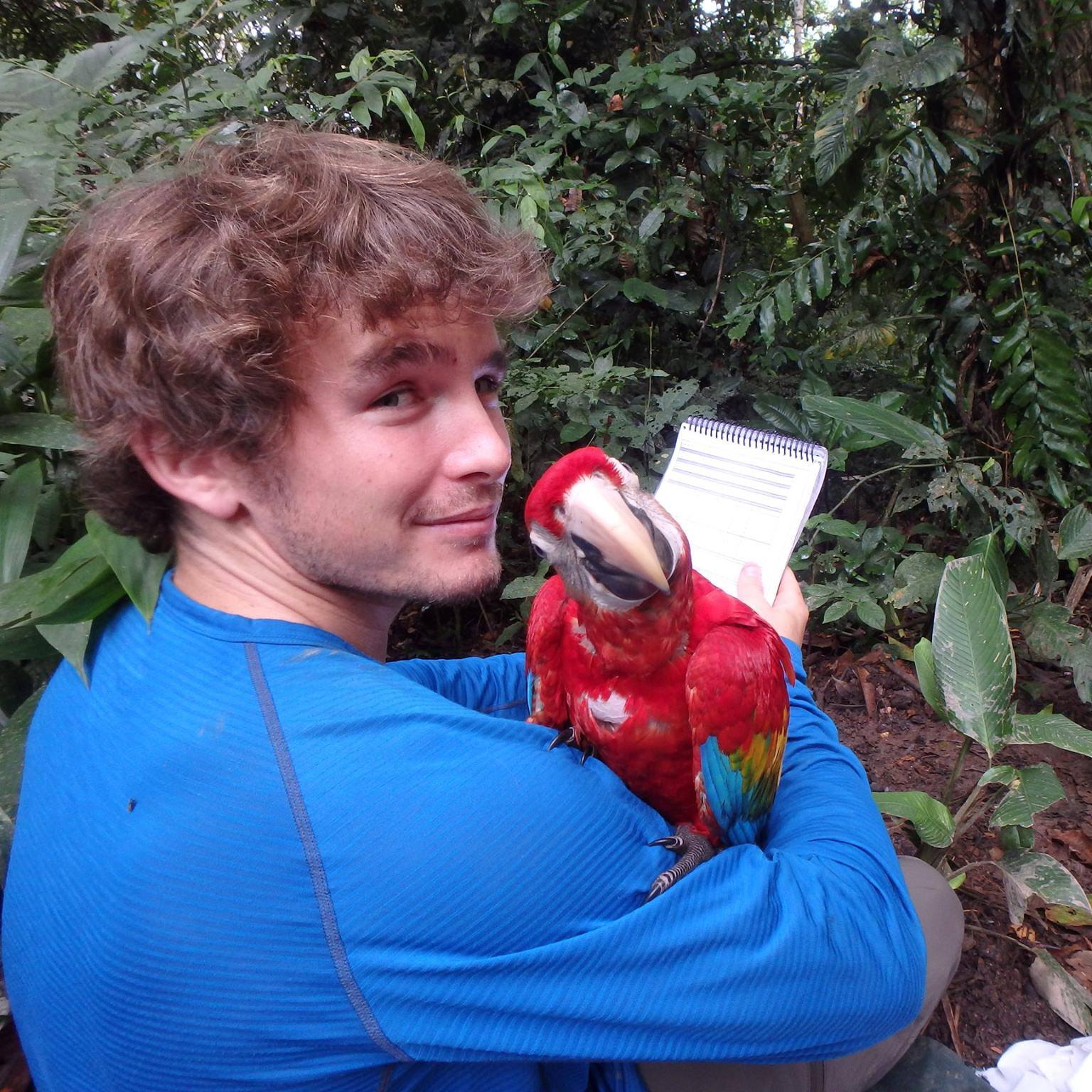
Tom Lloyd
- Postdoctoral Research Fellow, Global Ecosystems
- tom.lloyd@jcu.edu.au
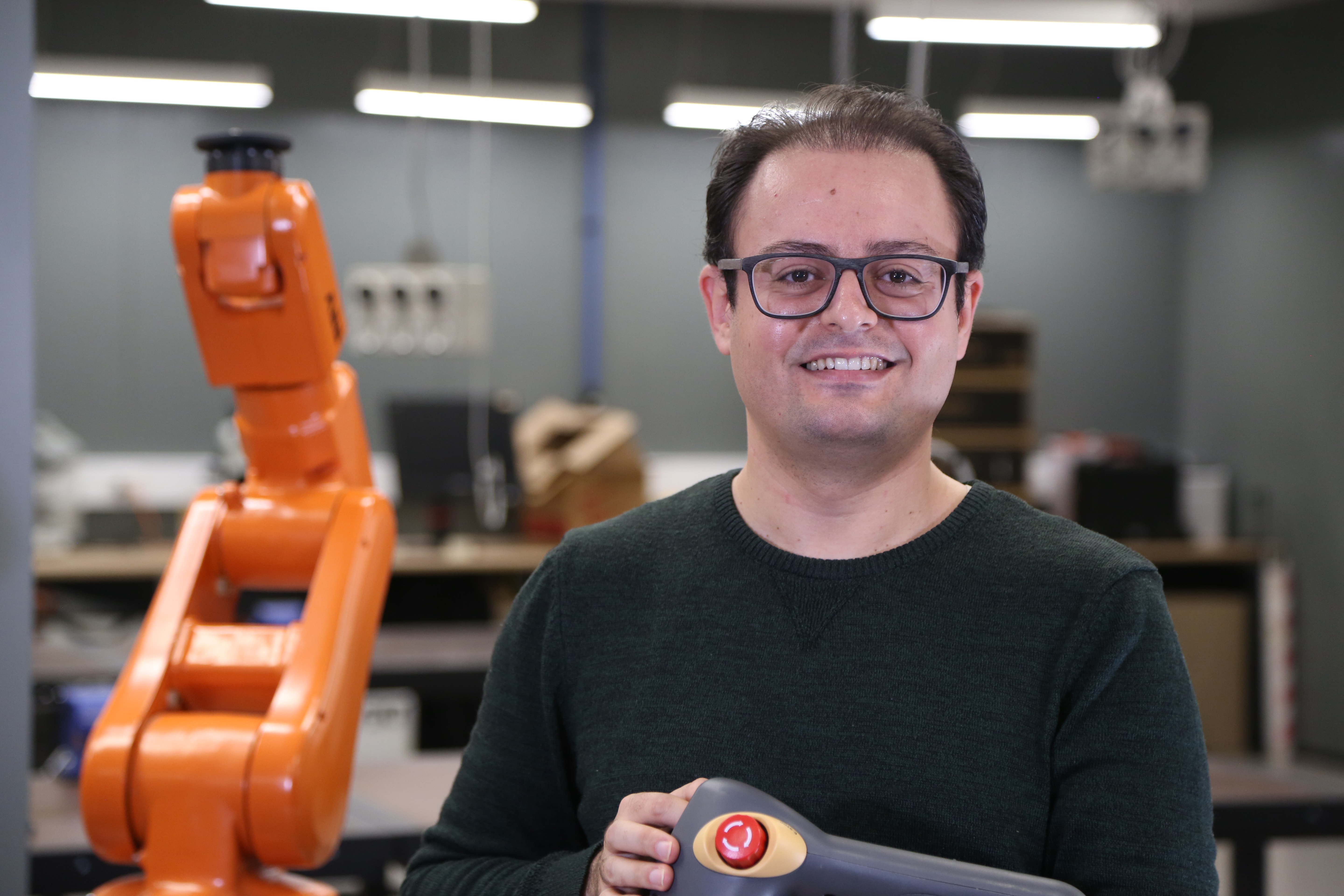
Mohamadreza Chalak Qazani
- Lecturer, Mechanical Engineering
- mohamadreza.chalakqazani@jcu.edu.au
Desktop Analyses to Inform the Design for Monitoring Within the Reef Integrated Monitoring and Reporting Program (RIMReP) (Old ID 24763)
Iain Gordon
22 Dec 2017 - 30 Jun 2018
Assist AIMS in the delivery of the Reef 2050 Integrated Monitoring and Reporting Program Phase 2 under the Deed of Standing Offer for Environmental Research and Analysis Panel between Aims AND THE Great Barrier Reef Marine Park Authority. This will be done by contributing to the development of detailed design recommendations for monitoring coral reefs within the Reef Integrated Monitoring and Reporting Program (RIMReP) and to specific desktop analyses that underpin those recommendations.
Improving the quality of water for release from land-based aquaculture in northern Australia (Old ID 26373)
Paul Nelson
01 Apr 2019 - 31 Mar 2020
Effluent from land-based aquaculture farms is problematic because of its nutrient content. This project will be the first in Australia and the tropics to assess the ability of 'denitrification bioreactors' (woodchip-filled trenches) to remove suspended solids and nitrogen from effluent leaving an aquaculture farm. It will be carried out on a barramundi farm the Great Barrier Reef catchment in North Queensland. Changes in quality of water flowing through bioreactors will be measured under a range of likely operating conditions, including differences in salinity and effluent retention rate. The results will be applicable to aquaculture farms throughout the tropics, enabling a reduction in negative environmental impacts, and facilitating intensification and expansion of fish production without increasing nutrient export.
Threatened frog surveys Kuranda (Old ID 23141)
Conrad Hoskin
20 Jan 2017 - 01 Apr 2017
Perform frog surveys on the KUR-World site and provide a report on threatened stream-associated frogs to NRA Environmental Consultants. Surveys will target threatened stream-breeding frogs after wet weather. The report will outline frog presence and abundance and recommendations on required habitat, stream buffers and ways to minimise ecological impacts.
Detection of scalloped hammerhead sharks in Apra Harbor and adjacent waters, Guam using Environmental DNA (Old ID 23578)
Jan Strugnell
28 Nov 2017 - 21 Aug 2020
Scalloped hammerhead sharks (Sphyrna lewini) are anecdotally reported in Apra Harbor, Guam, but their spatial and temporal patterns of occurrence are not well understood. Lack of knowledge of population abundance, distribution, and habitat use also extends across the geographic range of the Indo-West Pacific subpopulation. All S. lewini are nationally protected under the Endangered Species Act, and their occurrence within Apra Harbor is of concern to management and conservation strategies and mission-essential operations of the U.S. Department of Navy. This project will determine the temporal and spatial distribution and habitat use of the scalloped hammerhead shark within Apra Harbor and Orote Peninsula nearshore waters.
Irradiation of Polymer Thin Films to Develop Carbon Nano-Clusters (Old ID 22094)
Mohan Jacob
01 Jul 2015 - 30 Jun 2016
Using a 2014 AINSE grant we have substantiated that polymer thin film material properties can be tailored using I+ ion irradiation. Significant modification of the atomic and electronic structure of polymer films will occur as a result of high energy (MeV) ion irradiation. This project aims to improve typical polymer properties, such as glass transition temperature, interfacial bonding and elastic modulus. These properties will be altered especially if nanotube or carbon clusters are formed as a result of the high energy ion irradiation. At high energy densities (fluences of 1x10^14 and 1x10^156 ions/cm^2) the irradiated polymer will change its structure to hydrogenated amorphous carbon and can also lead to the formation of graphitic clusters. This research will assist in understanding the material's electronic and physical structures and can lead to the development of novel environmentally friendly electronic products.
Improved productivity and efficiency of the culture based fishery for giant freshwater prawn in Sri Lankan reservoirs. (Old ID 26163)
Clive Jones
18 Mar 2020 - 30 Nov 2025
Productivity of the fisheries resources of Sri Lankan reservoirs has been improved through application of culture based fishery (CFB) practices. In addition to a variety of finfish that serve to provide protein to local communities, the addition of stocked giant freshwater prawn (GFP)-Macrobrachium rosenbergii, has added significant value, due to high market price, 10 times higher than that of finfish. Currently, the GFP are captured as a bycatch to finfish and the stocking practices are ad-hoc, resulting in very low yield per seed prawn stocked. The fishery is managed as a single multi-species fishery, and although the project will focus on research of GFP, some aspects of the research will involve the entire fishery, particularly modelling of stocking and yields. This will provide benefits for production of all species, with an emphasis on enhancement of GFP production through specific research of stocking practices, production dynamics, harvest and socio-economic aspects 0of the fishery and the supply chain.
Mapping of tidal flats and salt marshes in the NOWPAP region. (Old ID 27039)
Nicholas Murray
21 Sep 2020 - 01 Aug 2021
The main objective of this activity is to map the distribution of tidal flats/salt marshes in the NOWPAP region with their historical change in the past decades. To map tidal flats/salt marshes in the NOWPAP region, mapping tool developed by Murray et al. (2019), namely Global Intertidal Change (hereinafter referred to as “GIC”) is used. GIC is the only available tool for regional mapping of tidal flats. However, GIC is developed for the global mapping and there are some limitation for the detection of tidal flats when used at regional scale. Therefore, this project will develop a bespoke regional model of the distribution of tidal flats/salt marshes in the NOWPAP region.
Developing Deep Learning Applications for Smart Aquaculture (Old ID 27329)
Alzayat Saleh
01 Jul 2021 - 30 Jun 2024
This project proposes to use deep learning technology to extract various data in commercial environments in a non-intrusive and cost-effective way from fish farms. Currently, most of the fish data is analysed manually. The aim is to use deep learning to extract useful features and traits of fish and to analyse the collected data automatically and efficiently. The project will be in direct partnership with our industry collaborators across Australia and Asia.
The impact of conservation NGO interventions on small-scale fishers (Old ID 27518)
Patrick Smallhorn-West
01 Feb 2022 - 31 Dec 2024
The objective of this post-doctoral position is to conduct a systematic review of NGO interventions to support Small-Scale Fisheries (SSF) and to apply these findings to WCS’ programs. The position will be co-hosted between James Cook University, WorldFish, and the WCS Global Marine Conservation division.
Optimising mill mud and ash applications for soil improvement and carbon sequestration (Old ID 27540)
Hannah Green
01 Apr 2022 - 01 Feb 2026
Negative carbon dioxide emission technologies are urgently required to offset emissions from fossil fuel burning. Weathering of alkaline metal oxides such as those in ash is a promising technology as it consumes carbon dioxide. This project aims to determine carbon sequestration when sugar mill ash, either alone or mixed with mill mud, is applied to soil in sugarcane fields. The project expects to generate knowledge about the rates of carbon sequestration and the factors controlling it, employing field experiments and geochemical modelling. The main outcome expected is a carbon sequestration methodology that is permanent and unlimited (given continued application mill by-products), unlike soil organic carbon sequestration. Adoption will facilitate trade in carbon credits through the Emissions Reduction Fund and facilitate market access through increased ability of the sugar industry to meet consumer expectations regarding environmental responsibility.
Organic matter, sodicity and soil structure
- 1998
- Oxford University Press
- Researchers:Paul Nelson
Argument free clustering via boundary extraction for massive point-data Sets
- 2002
- Researchers:Ickjai Lee
Start Date:
01 Jan 1996
End Date:
01 Jan 2016
Start Date:
01 Jan 2020
Title:
Australia’s nominee for the APEC Science Prize for Innovation, Research and Education (ASPIRE Prize)
Start Date:
01 Jan 2019
Start Date:
01 Jan 2019
Start Date:
01 Jan 2016
Start Date:
01 Jan 2015
Start Date:
01 Jan 2011
End Date:
01 Jan 2013
Start Date:
01 Jan 2022
Start Date:
01 Jan 2023
Start Date:
01 Jan 2023