
College of Science & Engineering

Sophia Love
- Doctor of Philosophy (Natural and Physical Sciences)
- sophie.love@jcu.edu.au
Romain Vaucher
- Senior Lecturer, Sedimentology
- romain.vaucher@jcu.edu.au
Jenny Fisher
- Associate Dean, Learning and Teaching
- jenny.fisher@jcu.edu.au

Ambili Narayanan
- Doctor of Philosophy (Natural and Physical Sciences)
- ambili.narayanan@my.jcu.edu.au

Sarfaraz Ali
- Postdoctoral Research Fellow
- sarfaraz.ali@jcu.edu.au
Mikaeylah Davidson
- Postdoctoral Research Fellow
- mikaeylah.davidson@jcu.edu.au

Liuxin Chen
- Lecturer
- liuxin.chen@jcu.edu.au
Rafael Cabral Carvalho
- Lecturer, Marine Geoscience
- rafael.cabralcarvalho@jcu.edu.au
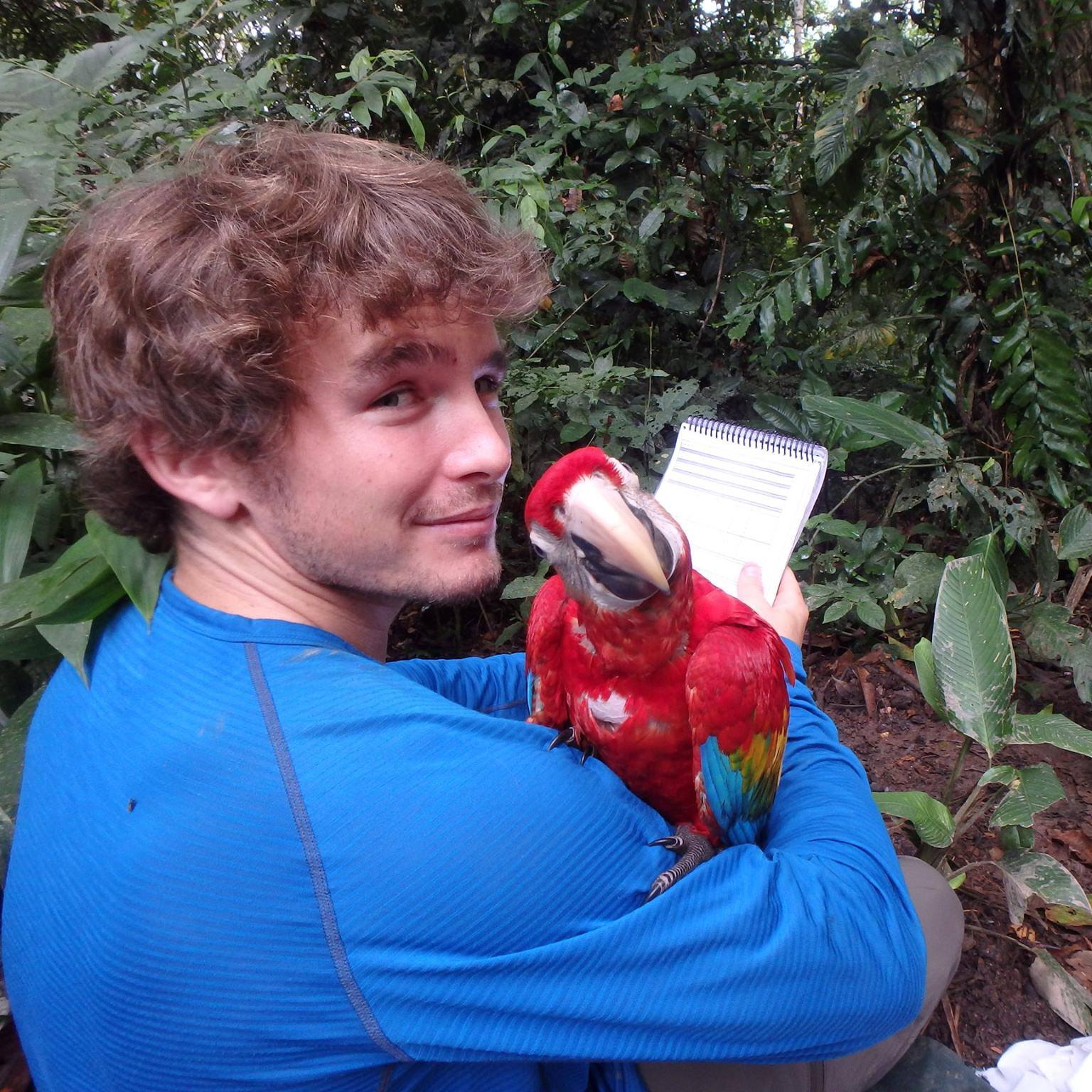
Tom Lloyd
- Postdoctoral Research Fellow, Global Ecosystems
- tom.lloyd@jcu.edu.au
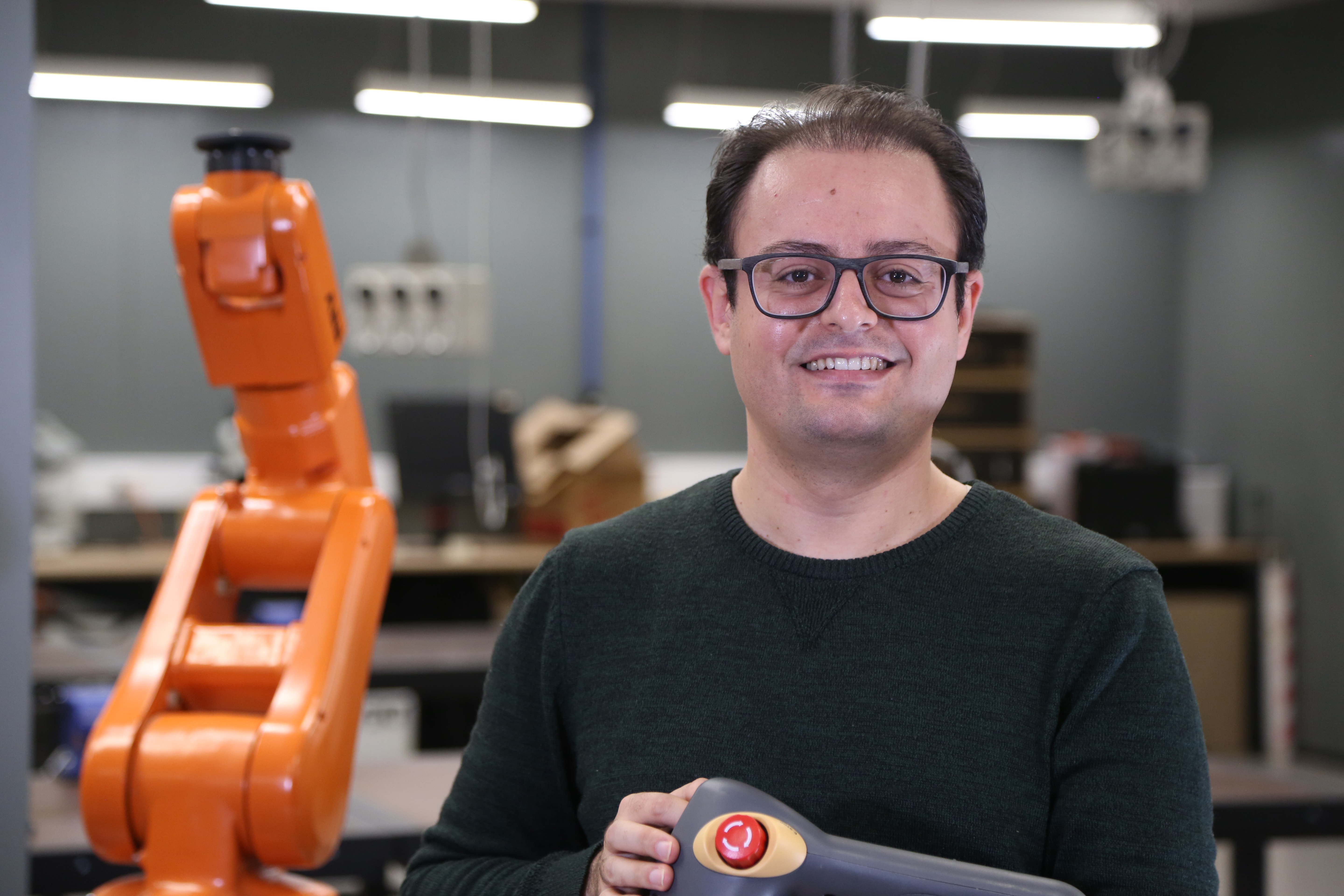
Mohamadreza Chalak Qazani
- Lecturer, Mechanical Engineering
- mohamadreza.chalakqazani@jcu.edu.au
Cairns airport wetland restoration
Nathan Waltham
17 Dec 2024 - 01 May 2026
Working with OzFish and Cairns Airport to monitor and evaluate restoration success
Cairns airport wetland restoration
Nathan Waltham
17 Dec 2024 - 01 May 2026
Working with OzFish and Cairns Airport to monitor and evaluate restoration success
Beyond the bump: Leveraging social media to build positive perinatal mental health in regional, rural and remote North Queensland women
Adrian Shatte
13 Jan 2025 - 12 Jan 2027
This project aims to codesign, develop, and evaluate a preventative intervention to address mental health among perinatal women in regional, rural, and remote (RRR) areas. Co-designed with RRR perinatal parents and mental health professionals, the intervention will deliver a established psychotherapeutic techniques that are effective for preventing perinatal depression and anxiety (psychoeducation and behavior change on health literacy, interpersonal therapy) at-scale, tailored to the unique needs of the RRR maternity and mental health system. The evaluation will assess the feasibility, reach, engagement, and acceptability of the intervention, enabling a future larger-scale efficacy and implementation trial.
Town Common Wetland Restoraiton NQDT
Nathan Waltham
21 Nov 2024 - 30 Mar 2026
Working with NQ Dry Tropics, undertake wetland monitoring and research to investigate restoration efforts and success at Town Common Townsville.
Town Common Wetland Restoraiton NQDT
Nathan Waltham
21 Nov 2024 - 30 Mar 2026
Working with NQ Dry Tropics, undertake wetland monitoring and research to investigate restoration efforts and success at Town Common Townsville.
An Artificial Intelligence Enabled Automatic Detection of Estuarine Crocodiles in Queensland Waterways Using Digital Video
Euijoon Ahn
22 Jan 2025 - 22 Mar 2027
This is a collaborative project between James Cook University (JCU) and the Department of Environment, Science, and Innovation (DESI) to develop an artificial intelligence (AI) based software that leverages digital video for the detection of estuarine crocodiles (C. Porosus) in Queensland's waterways. Building on previous research and utilizing extensive footage from Hartley’s Crocodile Adventures, this project aims to create an AI-based pilot detection system operational in both day and night settings to enhance safety around high-risk waterways.
Identifying new allergens in shellfish for better diagnosis and immunotherapy
Ludwig Lopata
01 Jan 2025 - 31 Dec 2026
This project aims to identify novel allergens in shellfish to improve diagnostic methods and develop immunotherapeutic strategies for shellfish allergy management. By exploring unreported allergens in blue swimmer crab and their allergenicity, this research seeks to advance healthcare solutions for allergic individuals worldwide.
Theo Murphy Initiative Grant - Participation Support
Yang Liu
01 Jan 2025 - 31 Dec 2025
This grant is to support the career development activities of Australian EMCRs, such as attending conferences or training workshops.
Addressing key technical bottlenecks in the grouper supply chain in Vietnam (and Australia) through manufactured feed and hatchery developments that aim to improve SME sector profitability
Rachel Neil
24 Apr 2024 - 24 Oct 2027
This project aims to address bottlenecks in the aquaculture grouper supply chain in Vietnam and Australia by researching nutritional constraints, commercial feed adoption, and factors affecting the supply of high-quality eggs, larvae, and juveniles.
The Vietnamese grouper industry, which produces over 10,000 tonnes of grouper, is the most profitable sector of marine aquaculture in Vietnam. However, the use of 'trash fish' as feed can lead to pollution and suboptimal health outcomes.
The Australian grouper industry is limited by a lack of specific grouper feeds, but one company has recently used limited nutrient requirement data into a commercial feed. The Vietnam industry faces limitations in the availability of commercial-level volumes of high-quality fingerlings, as the 3 regionally located Research Institutes for Aquaculture (RIAs) provide limited fingerling supply services.
Understanding nutritional limitations at the hatchery and grow-out stages of grouper production is crucial for debottlenecking the sustainable expansion of grouper farming, facilitating profitability for Vietnamese smallholders and transitioning to small and medium enterprises.
The development of an appropriate formulated feed is also crucial for the growth of grouper farming. Disease is likely the largest threat to the growth of grouper farming, but the development and widespread implementation of formulated feed will reduce this risk and increase the potential for industry growth.
Circular economy and feed management approaches for inclusive and sustainable development of marine aquaculture in Vietnam
Rachel Neil
01 Jan 2024 - 31 Dec 2026
Marine fish farming in Vietnam traditionally relies on low-value wild-caught fish as feed; however, this feeding approach is inefficiently utilized. It also leads to environmental pollution, and faces significant challenges such as diminishing supply and the risk of disease transfer. In contrast, manufactured feed pellets offer a more efficient and less polluting alternative, although they necessitate a different feeding approach. Feed pellets present a versatile nutrient delivery method in fish farming that can be adapted to various ingredient inputs. By incorporating byproducts from aquaculture and other industries into fish feeds, a circular economy approach can be developed to recycle nutrients within the value chain. This approach transforms waste into valuable fish protein, generating smallholder profits instead of contributing to pollution.
The objective of this project is to reduce the environmental impact of marine fish farming in Vietnam by optimizing feeding protocols and training farmers to use feed more efficiently. Through capacity-building, knowledge transfer, and inclusive participation, this project will empower local coastal communities in the sustainable development of marine aquaculture. Additionally, the reduction in feed costs, the largest expense, will enhance the livelihoods of the family groups that constitute the majority in this sector. Collaboration with feed companies and farmers will be instrumental in fostering feed improvements for circular economy approaches and feed efficiency. Additionally, technological advancements will be employed to better manage fish feeding behaviour, thereby reducing waste and minimizing the cost of feed resources.
Organic matter, sodicity and soil structure
- 1998
- Oxford University Press
- Researchers:Paul Nelson
Argument free clustering via boundary extraction for massive point-data Sets
- 2002
- Researchers:Ickjai Lee
Start Date:
01 Jan 2018
End Date:
01 Jan 2023
Start Date:
01 Jan 2018
Start Date:
01 Jan 2024
Title:
Macromolecular Science and Engineering (MSED)/Bayer Graduate Award (Chemical Institute of Canada)
Start Date:
01 Jan 2005
Start Date:
01 Jan 2004
Start Date:
01 Jan 2006
Start Date:
01 Jan 1990
Start Date:
01 Jan 2026
Title:
PRISMS Research Consortium
Start Date:
01 Jan 2021
End Date:
01 Jan 2026