
College of Science & Engineering

Sophia Love
- Doctor of Philosophy (Natural and Physical Sciences)
- sophie.love@jcu.edu.au
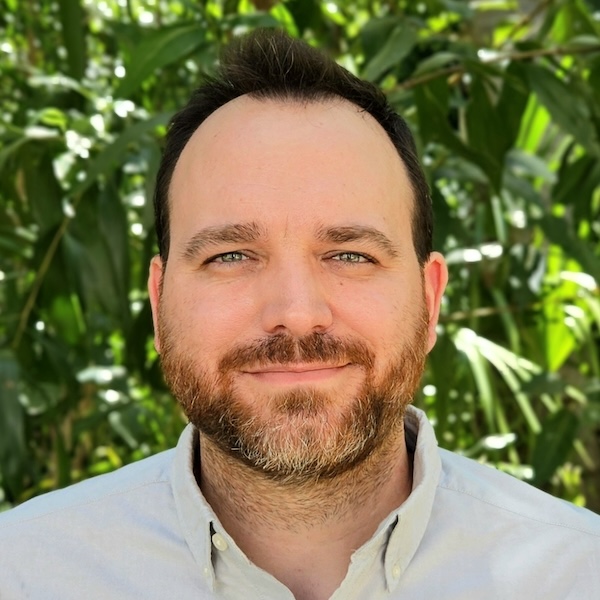
Romain Vaucher
- Senior Lecturer, Sedimentology
- romain.vaucher@jcu.edu.au

Jenny Fisher
- Associate Dean, Learning and Teaching
- jenny.fisher@jcu.edu.au

Ambili Narayanan
- Doctor of Philosophy (Natural and Physical Sciences)
- ambili.narayanan@my.jcu.edu.au

Sarfaraz Ali
- Postdoctoral Research Fellow
- sarfaraz.ali@jcu.edu.au

Mikaeylah Davidson
- Postdoctoral Research Fellow
- mikaeylah.davidson@jcu.edu.au

Liuxin Chen
- Lecturer
- liuxin.chen@jcu.edu.au
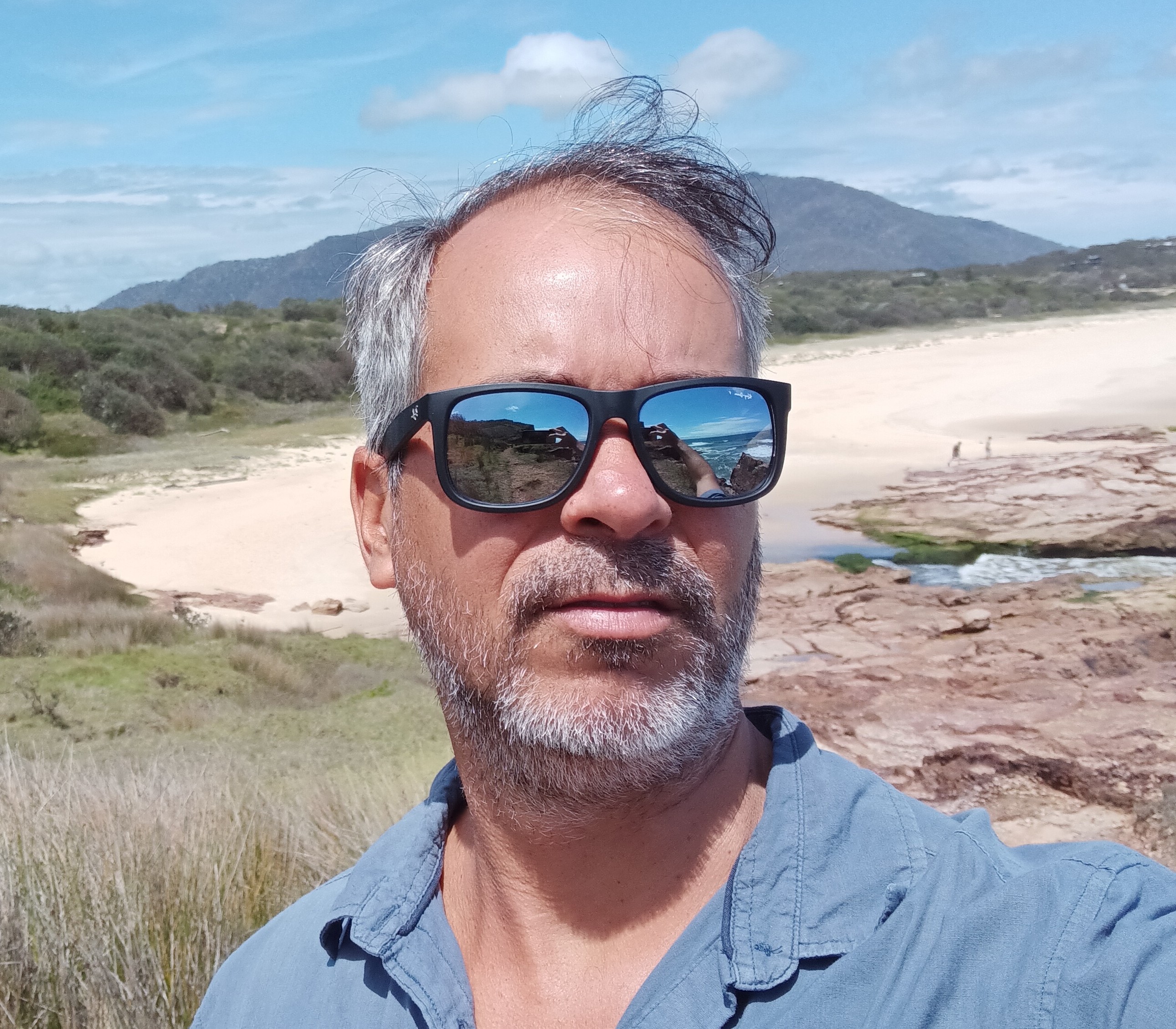
Rafael Cabral Carvalho
- Lecturer, Marine Geoscience
- rafael.cabralcarvalho@jcu.edu.au
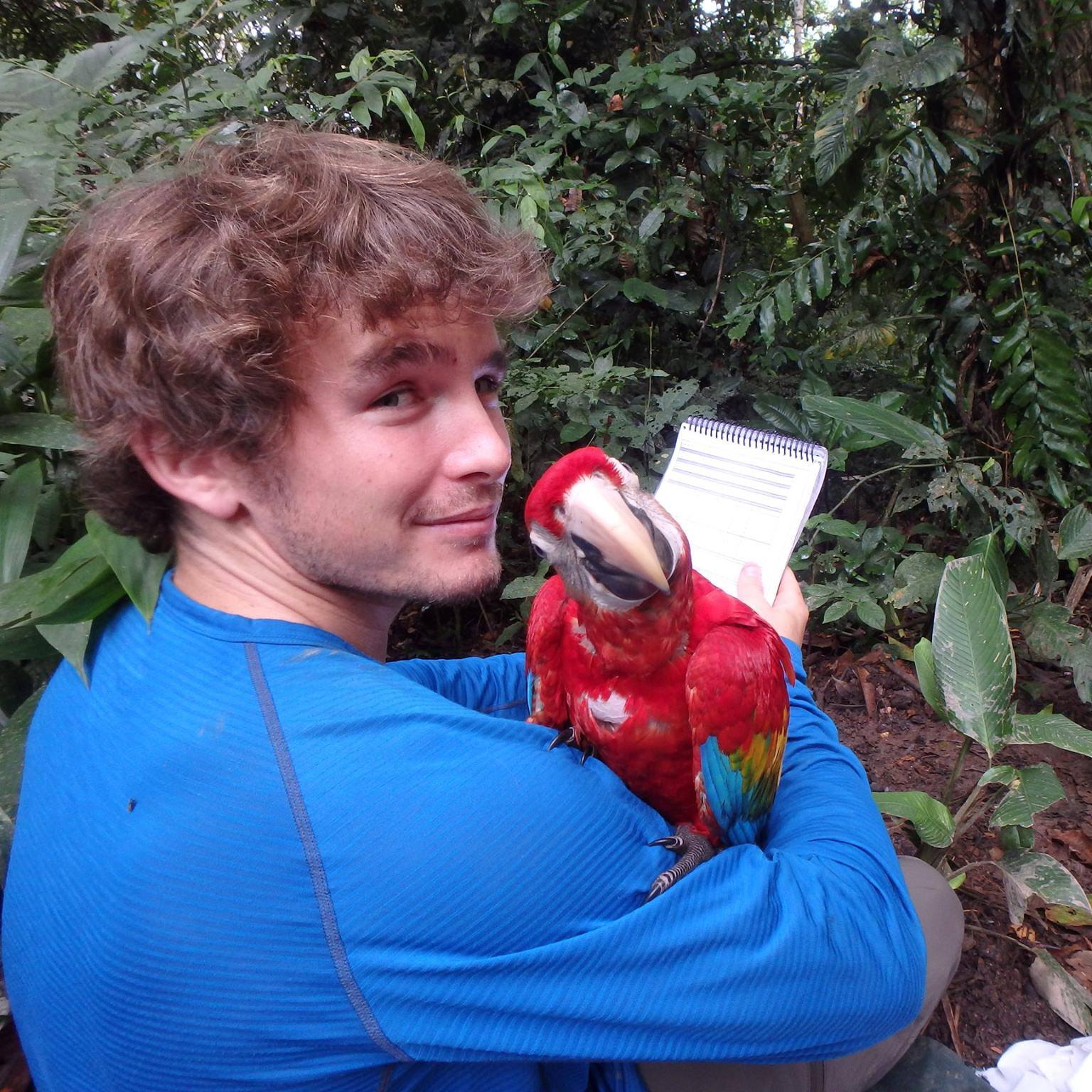
Tom Lloyd
- Postdoctoral Research Fellow, Global Ecosystems
- tom.lloyd@jcu.edu.au
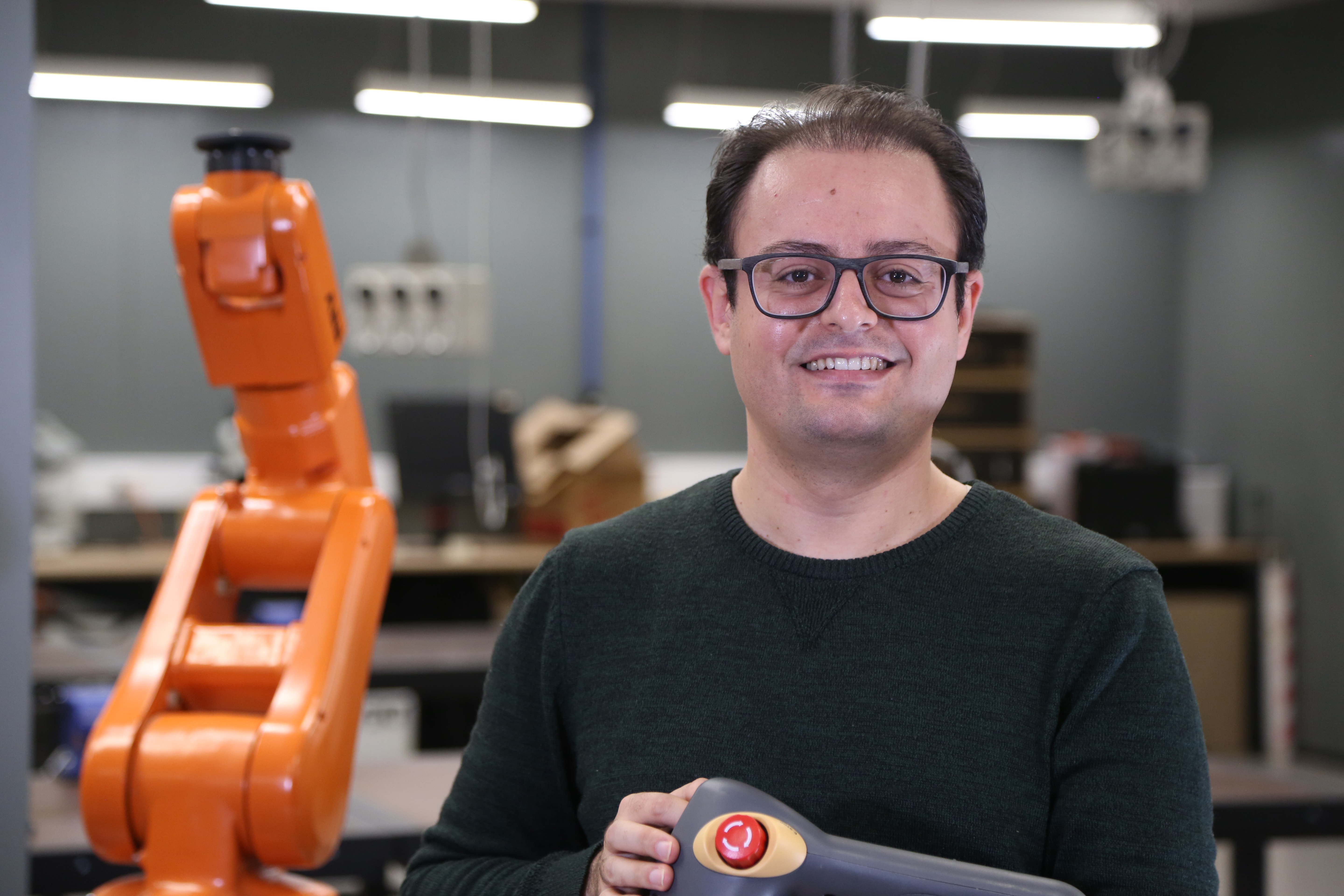
Mohamadreza Chalak Qazani
- Lecturer, Mechanical Engineering
- mohamadreza.chalakqazani@jcu.edu.au
Monitoring the distribution and abundance of dugongs (and in-water, large marine turtles) within the GBRWHA using a combined aerial observer and imagery approach (Old ID 27811)
Helene Marsh
20 Sep 2022 - 30 May 2026
This project aims to: (1) to monitor the trends in the abundance and distribution of dugongs within the GBRWHA and (2) contribute to the transition to the use of novel imagery survey technologies to enhance survey methods and accuracy in abundance estimates. The project will be conducted in five main stages which will include: the development of a Traditional Owners engagement strategy and the drafting and submitting regulatory permit applications (stage 1), the development of the survey design and data collection protocols and undertake observer training (stage 2), conduct the dugong observer surveys and imagery experimental work within the GBRWHA (stage 3) and the production of a final report including summary of all survey report findings and advice about the implications of the findings for the conservation and management of dugongs and large marine turtles within the GBRWHA (stage 4).
Sugar-AI: Smart Sugarcane Health Monitoring and Ratoon Stunting Disease (RSD) Detection with Satellite Remote Sensing and Machine Learning (Old ID 30057)
Ethan Waters
01 Aug 2024 - 31 Dec 2025
The aim of the Sugar-AI project is to develop a prototype smart software system for sugarcane health monitoring. The prototype will focus on accurately diagnosing Ratoon Stunting Disease (RSD), which is considered by most sugarcane pathologists globally to be the most important disease that impacts on sugarcane yields between 5-60%.
Can species interactions cause rapid adaptation? (Old ID 24883)
Conrad Hoskin
01 Apr 2018 - 31 Mar 2019
Under environmental change, the persistence of a species centers on its ability to disperse from or adapt to changing conditions. Dispersal is limited in the Australian Wet Tropics due to restricted environmental space and mountain-top edges, so adaptation is necessary. This includes adaption to the changing conditions (e.g., temperature) and changing species interactions. This project will use experimental evolution in two Australian rainforest Drosophila species to test if novel competition can drive adaptation to warming temperatures and enable coexistence. Results will then be used with field data to create a comprehensive niche model aimed at predicting effects of climate change to a Wet Tropics species.
Can species interactions cause rapid adaptation? (Old ID 24883)
Megan Higgie
01 Apr 2018 - 31 Mar 2019
Under environmental change, the persistence of a species centers on its ability to disperse from or adapt to changing conditions. Dispersal is limited in the Australian Wet Tropics due to restricted environmental space and mountain-top edges, so adaptation is necessary. This includes adaption to the changing conditions (e.g., temperature) and changing species interactions. This project will use experimental evolution in two Australian rainforest Drosophila species to test if novel competition can drive adaptation to warming temperatures and enable coexistence. Results will then be used with field data to create a comprehensive niche model aimed at predicting effects of climate change to a Wet Tropics species.
Coastal acidification in the benthic boundary layer on inshore reefs: implications on water chemistry and benthic communities (Old ID 24986)
Mia Hoogenboom
15 Mar 2018 - 14 Mar 2023
This project will investigate the effects of coastal acidification on the waters within the benthic boundary layer, as well as the implications for important coral reef organisms and communities present in this area. I aim to (a) understand the dynamics and responses of this microenvi9ronment and its constituents with respect to coastal acidification and temperature, and (b) improve current predictions on the reef's ability to recover after acute stresses, such as bleaching or cyclone damage, under an increasingly acidifying ecosystem.
Internet of Things and Big Data Analytics for Cairns Marine (Old ID 26460)
Tao Huang
29 Apr 2019 - 28 Apr 2020
This project will assist to analyse the large repository of data held by Cairns marine in relation to its full operations, i.e., from harvest to husbandry, inventory tracking and sales fulfilment. The physical systems currently in use at Cairns Marine are extensive and complex, involving a range of activities in Northern Australia, all activities on site (including R&D) in Cairns and full product (marine animals) stewardship to destination. A deep and informed understanding of data is required by the business to meet its growing global product commitments.
Internet of Things and Big Data Analytics for Cairns Marine (Old ID 26460)
Mostafa Rahimi Azghadi
29 Apr 2019 - 28 Apr 2020
This project will assist to analyse the large repository of data held by Cairns marine in relation to its full operations, i.e., from harvest to husbandry, inventory tracking and sales fulfilment. The physical systems currently in use at Cairns Marine are extensive and complex, involving a range of activities in Northern Australia, all activities on site (including R&D) in Cairns and full product (marine animals) stewardship to destination. A deep and informed understanding of data is required by the business to meet its growing global product commitments.
Comparing the use of underwater video and unmanned aerial vehicles for assessing use of tropical estuaries by marine fauna (Old ID 27583)
Nathan Waltham
01 Jul 2022 - 01 Jul 2023
Remote underwater video (RUV) is considered an established method for elucidating fish community structure but little work has been done to assess the optimal number of cameras required to precisely assess species richness. Unmanned aerial vehicles (UAVs), on the other hand have remained completely untested for this purpose. Using the two methods in tandem (RUVs and UAVs), this project aims to compare established (RUV) and novel (UAV) methodologies for determining fish community structure and determine how may cameras are required to accurately and precisely assess the use of large woody debris by fish.
NESP 3.4 Better management of catchment runoff to marine receiving environments in northern Australia. (Old ID 28969)
Mohammad Jahanbakht
01 Feb 2023 - 30 Jun 2024
Runoff from catchments in northern Australia has the potential to carry large amounts of sediment and nutrients. These available nutrients are important in driving coastal and estuary productivity, including many commercially and recreationally targeted species. Water resource development in northern Australia could reduce the supply of freshwater flow to the coast, thereby limiting supply of nutrients. This research project will examine the potential risks water resource development presents to Gilbert (QLD), Daly (NT) and Ord (WA) marine and coastal areas. We will complete a literature review, undertake flood plume modelling and examine vegetation damage along these coastal areas.
Genomic tools for monitoring yellow crazy ants. (Old ID 29026)
Ira Cooke
22 Jun 2023 - 01 Jan 2025
This project will establish protocols and baseline data for ddRAD-seq based sequencing of yellow crazy ants. In this phase of the project, we will sequence 200 individuals from historical infestations and develop tools to assess genetic relatedness among infestations. Baseline data established in this project will be used to help trace the origin of future infestations as well as improve our understanding of genetic diversity and gene flow in yellow crazy ants in Queensland.
Organic matter, sodicity and soil structure
- 1998
- Oxford University Press
- Researchers:Paul Nelson
Argument free clustering via boundary extraction for massive point-data Sets
- 2002
- Researchers:Ickjai Lee
Start Date:
01 Jan 2025
End Date:
01 Jan 2025
Start Date:
01 Jan 2024
Start Date:
01 Jan 2025
Start Date:
01 Jan 2021
End Date:
01 Jan 2024
Start Date:
01 Jan 2022
Start Date:
01 Jan 2020
Title:
Postdoctoral Paper Medal
Start Date:
01 Jan 2018
Start Date:
01 Jan 2026
Start Date:
01 Jan 1990
End Date:
01 Jan 2000
Start Date:
01 Jan 2026