
College of Science & Engineering

Sophia Love
- Doctor of Philosophy (Natural and Physical Sciences)
- sophie.love@jcu.edu.au
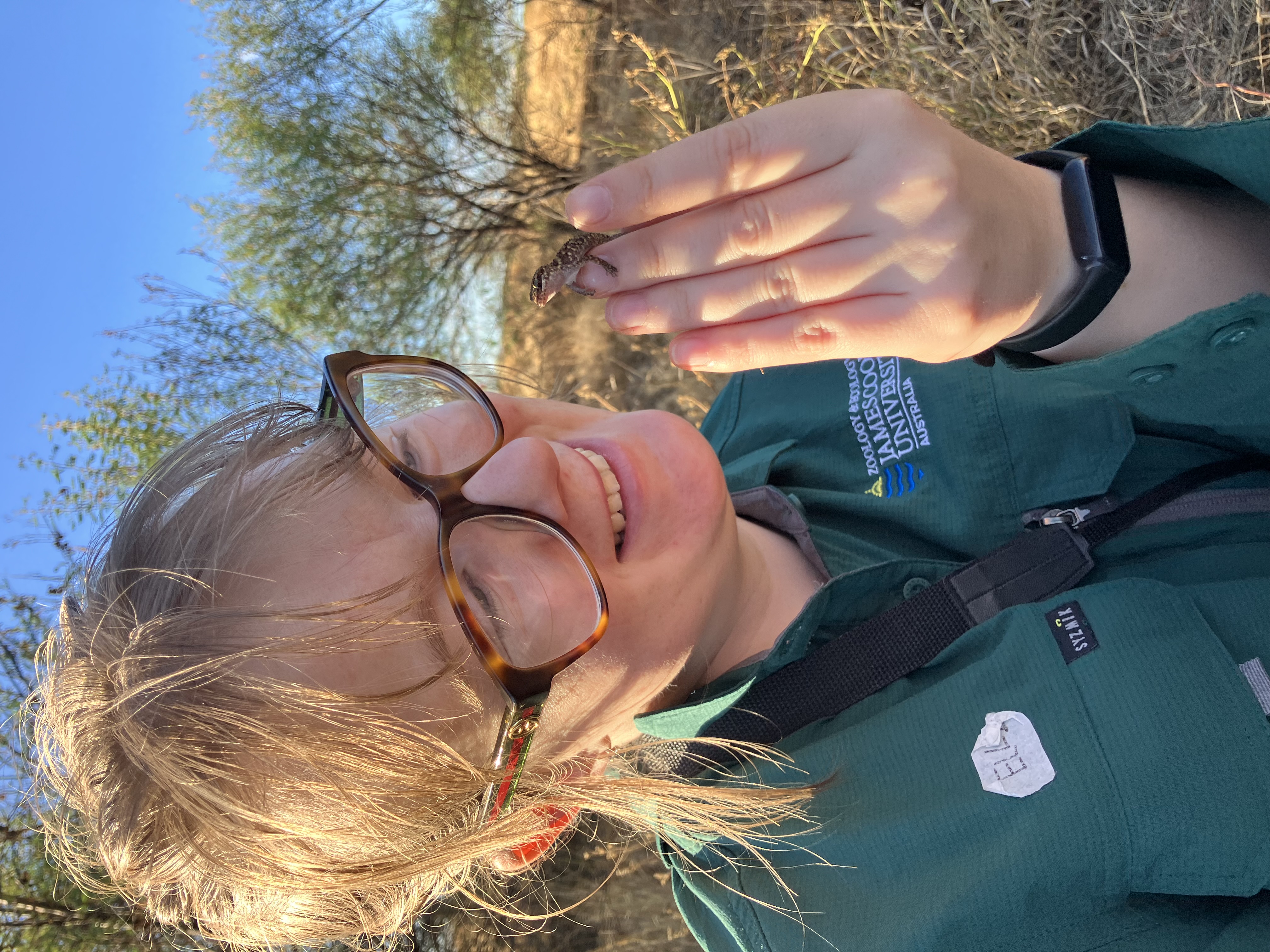
Elle Robertson
- Doctor of Philosophy (Agriculture, Environmental and Related Studies)
- elle.robertson@jcu.edu.au
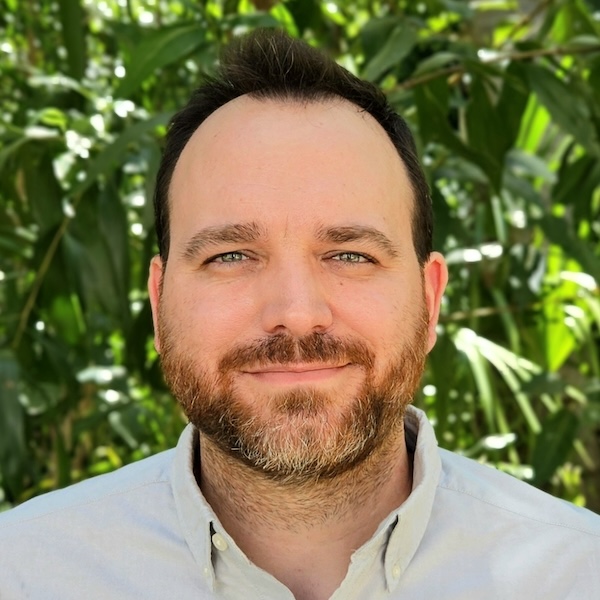
Romain Vaucher
- Senior Lecturer, Sedimentology
- romain.vaucher@jcu.edu.au

Jenny Fisher
- Associate Dean, Learning and Teaching
- jenny.fisher@jcu.edu.au

Ambili Narayanan
- Doctor of Philosophy (Natural and Physical Sciences)
- ambili.narayanan@my.jcu.edu.au

Sarfaraz Ali
- Postdoctoral Research Fellow
- sarfaraz.ali@jcu.edu.au
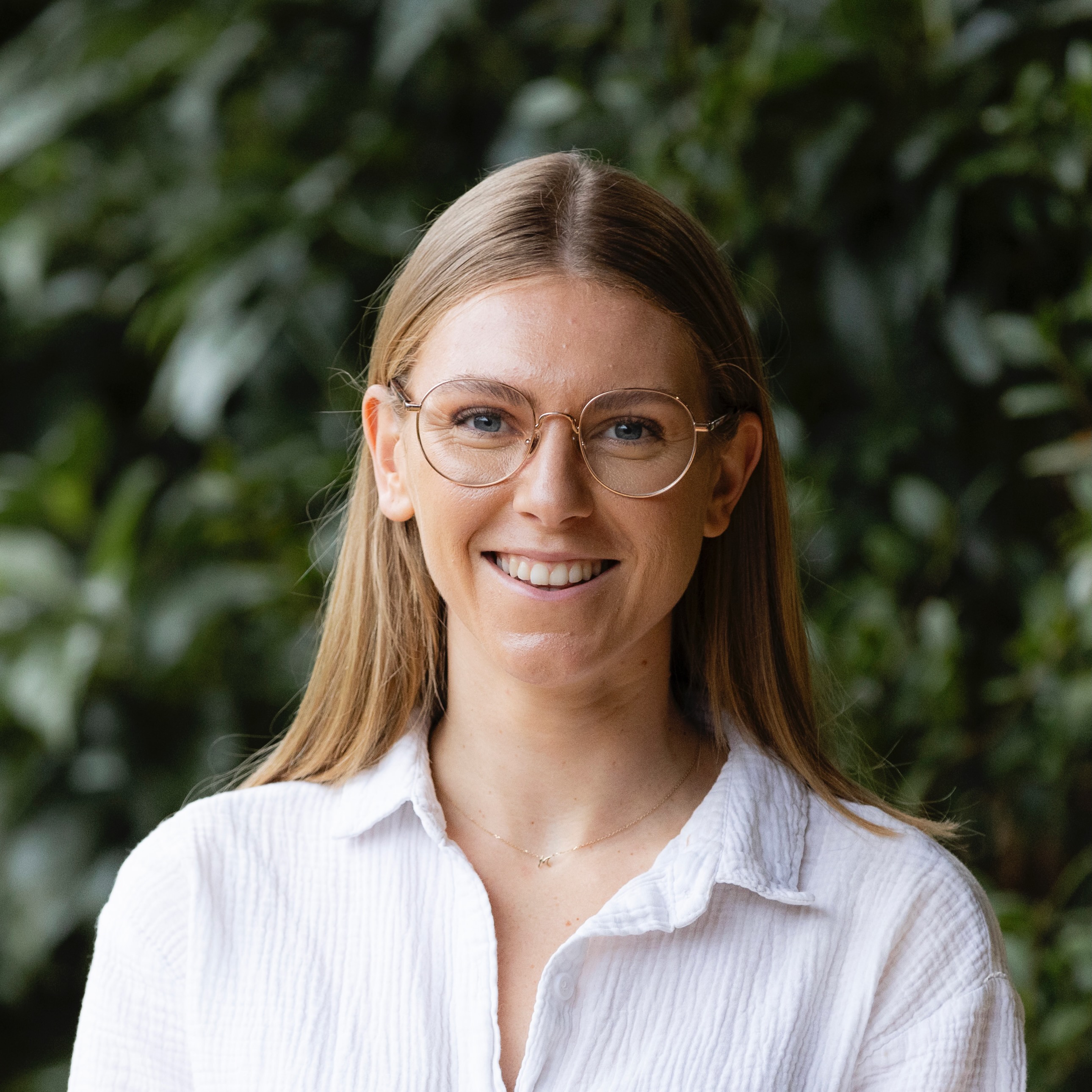
Mikaeylah Davidson
- Postdoctoral Research Fellow
- mikaeylah.davidson@jcu.edu.au
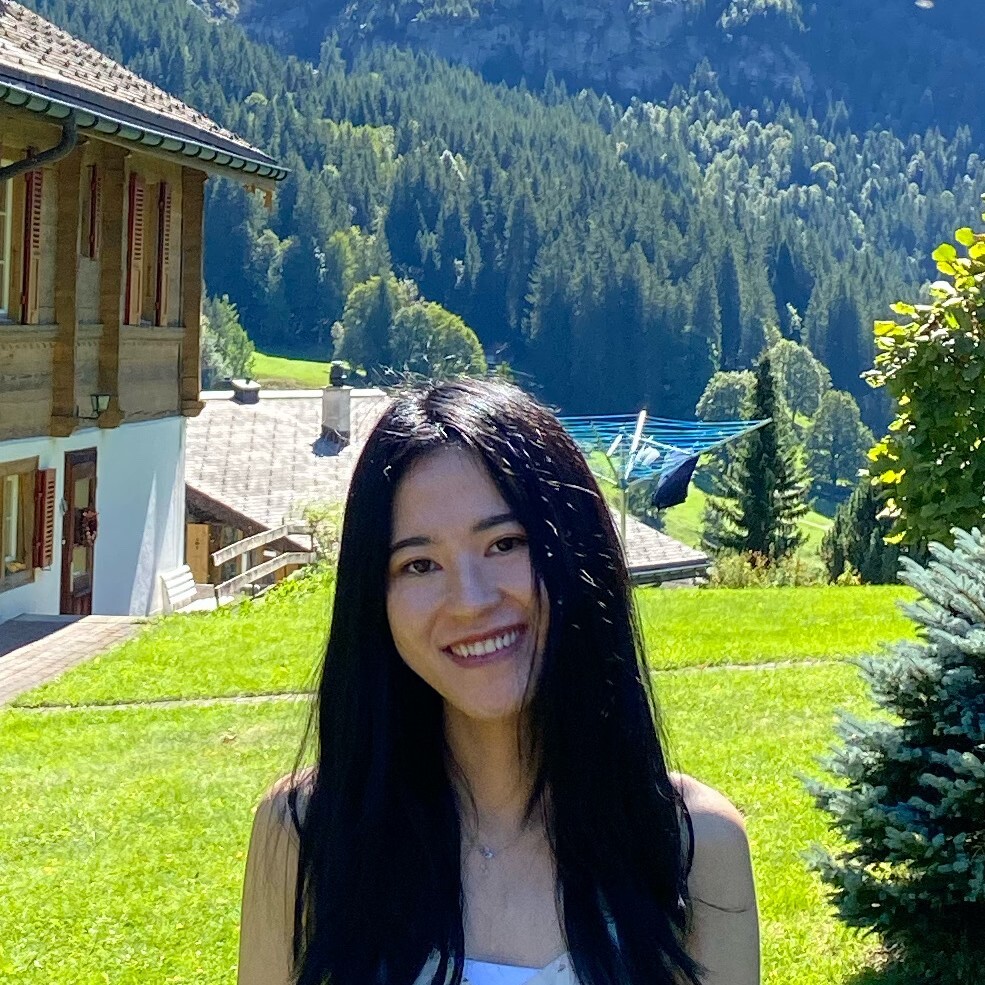
Liuxin Chen
- Lecturer
- liuxin.chen@jcu.edu.au
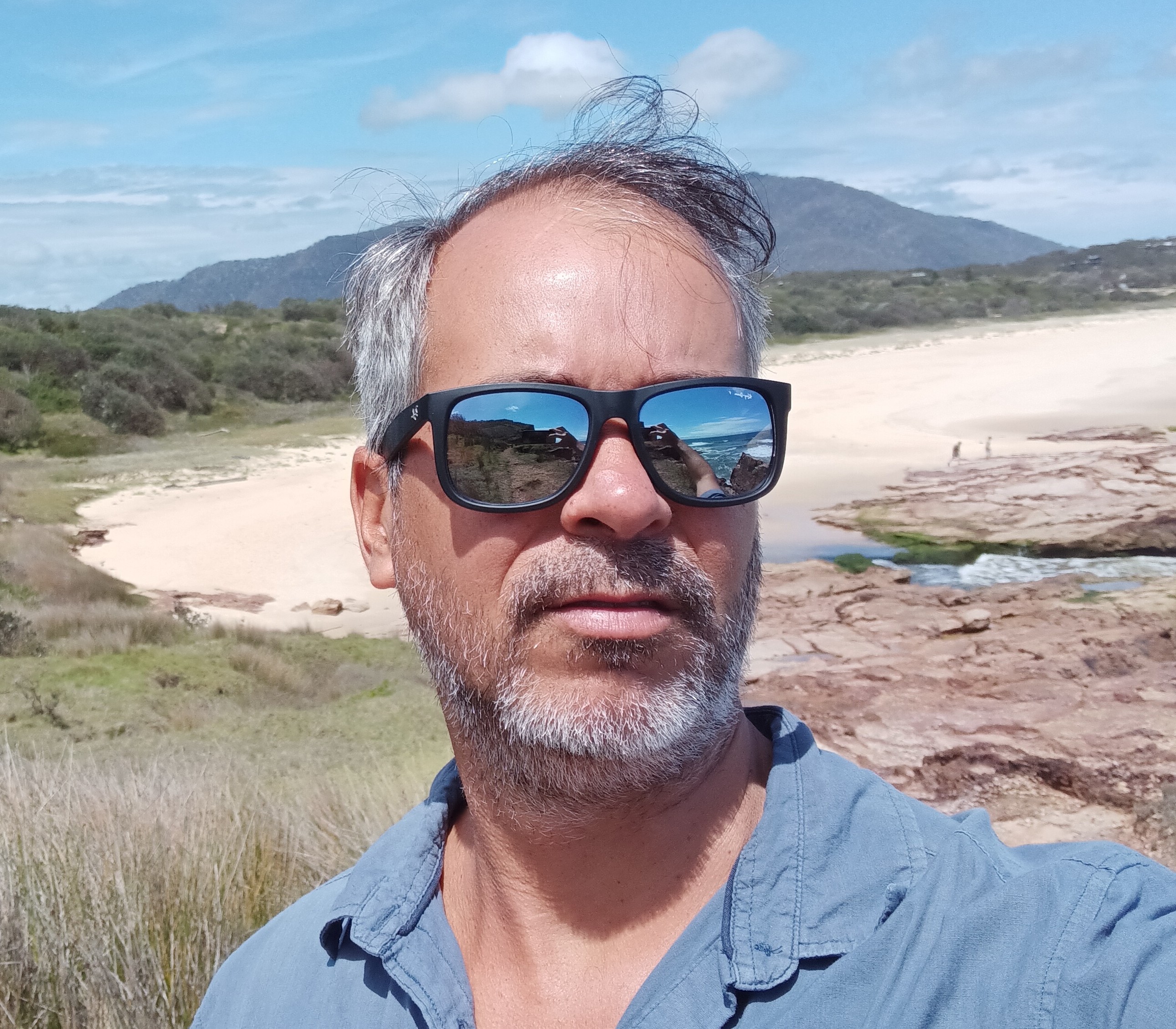
Rafael Cabral Carvalho
- Lecturer, Marine Geoscience
- rafael.cabralcarvalho@jcu.edu.au
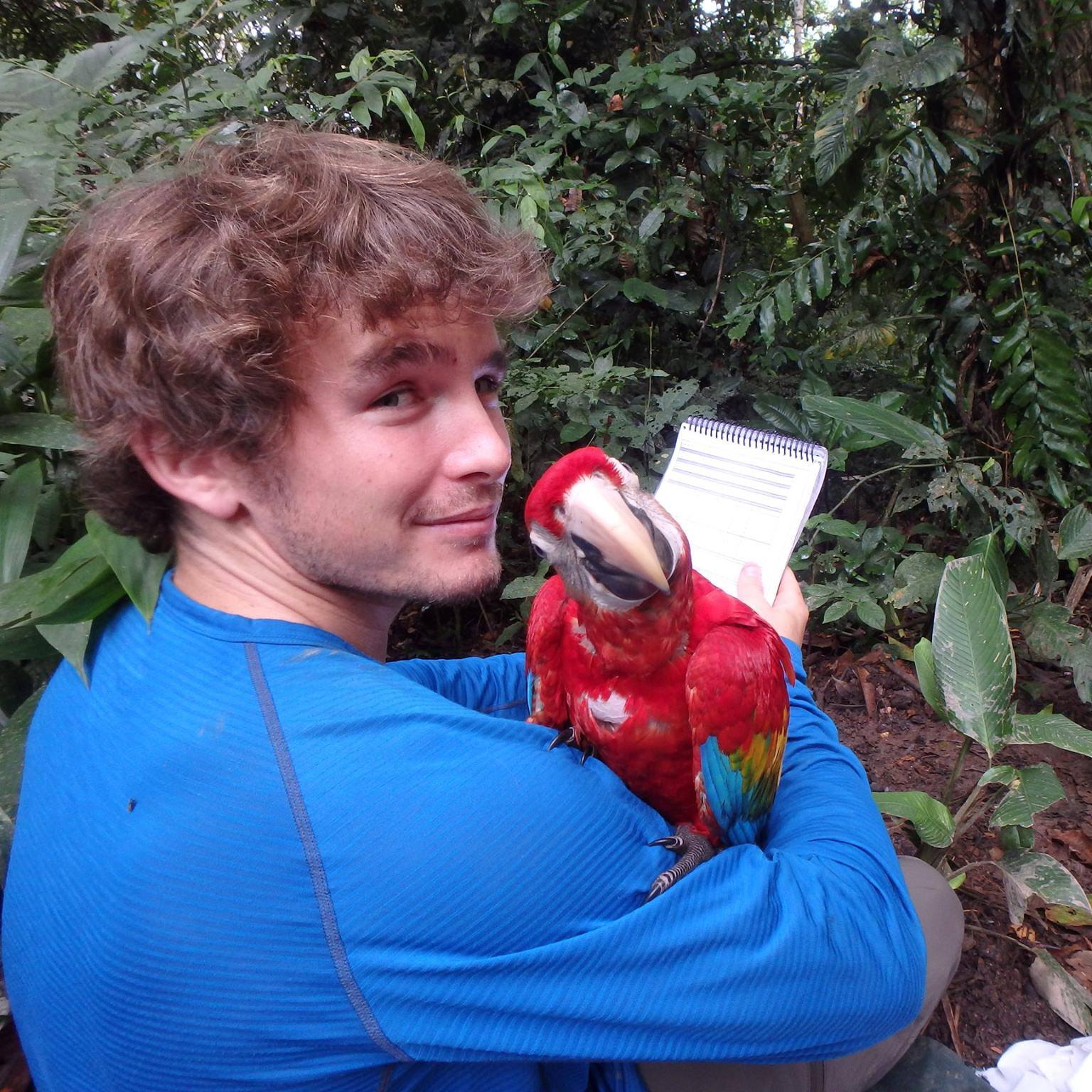
Tom Lloyd
- Postdoctoral Research Fellow, Global Ecosystems
- tom.lloyd@jcu.edu.au
Development and characterization of a Novel Zirconia Implant material with enhanced mechanical properties and bio-compatibility (Old ID 27124)
Zirconia dental implants have been recently developed as a viable, aesthetic, non-metallic alternative for dental implant fabrication compared to the titanium implants. However, significant challenges have been encountered in acceptance of zirconia implants in clinical practice due to the low fracture resistance inherent within the zirconia material that can lead to structural failure of implant. This has created a need for further research into its crystalline composition and forms to further enhance the mechanical properties of zirconia making it more suitable for dental implants. This study will assess the mechanical and chemical properties of the novel zirconia material developed in our lab and evaluates the effect of various surface modifications on its mechanical properties. Furthermore, cellular interactions that play a vital role in wound healing after placement of implant will be ascertained to promote successful implant osseointegration of novel zirconia dental implants.
Denitrification bioreactor trial in the Russell catchment of the Wet Tropics (Old ID 23408)
This project will establish the effectiveness of denitrification bioreactors as an on-farm technology for removing dissolved inorganic nitrogen (DIN) in waters draining the Babinda Swamp Drainage Area. The region has been identified as a hotspot for DIN in the Great Barrier Reef catchment. This will be the first trial of denitrification bioreactors in the Wet Tropics. Denitrifying bioreactors route water through a high-carbon substrate under anaerobic conditions to encourage denitrification (the conversion of DIN to atmospheric N2). Two bioreactor configurations will be tested at two sites, and the potential for broader adoption will be assessed.
Denitrification bioreactor trial in the Russell catchment of the Wet Tropics (Old ID 23408)
This project will establish the effectiveness of denitrification bioreactors as an on-farm technology for removing dissolved inorganic nitrogen (DIN) in waters draining the Babinda Swamp Drainage Area. The region has been identified as a hotspot for DIN in the Great Barrier Reef catchment. This will be the first trial of denitrification bioreactors in the Wet Tropics. Denitrifying bioreactors route water through a high-carbon substrate under anaerobic conditions to encourage denitrification (the conversion of DIN to atmospheric N2). Two bioreactor configurations will be tested at two sites, and the potential for broader adoption will be assessed.
Denitrification bioreactor trial in the Russell catchment of the Wet Tropics (Old ID 23408)
This project will establish the effectiveness of denitrification bioreactors as an on-farm technology for removing dissolved inorganic nitrogen (DIN) in waters draining the Babinda Swamp Drainage Area. The region has been identified as a hotspot for DIN in the Great Barrier Reef catchment. This will be the first trial of denitrification bioreactors in the Wet Tropics. Denitrifying bioreactors route water through a high-carbon substrate under anaerobic conditions to encourage denitrification (the conversion of DIN to atmospheric N2). Two bioreactor configurations will be tested at two sites, and the potential for broader adoption will be assessed.
Exploratory study of effects of sample storage/stabilisation on Cu isotope compositions of groundwater, and linkage between groundwater and proximal soil profiles. (Old ID 29017)
The aims of this collaborative project between JCU and Geoscience Australia are simple. Geoscience Australia have legacy groundwater samples from active bores through their previous hydrogeochemical surveys (e.g. Northern Australia Hydrogeochemical Survey), where both acidified and unacidified samples have been kept in storage, some for up to several years. Copper concentrations measured at/near the time of sampling are variable, with some being in the sub-ppb range and others significantly higher. For some bores, proximal soil and rock samples are also available. This project will leverage all the above towards the following objectives: 1. Analyse Cu concentrations and isotope compositions for a small cohort of legacy groundwater samples (~10). 2. Analyse Cu isotope compositions in proximity-matched soil/rock samples. Where spatially matched soil and/or core rock samples are available, an additional subset of these solid samples will be processed and analysed to characterize their Cu isotope compositions and compare to that of matched groundwater samples. 3. Collate all results and jointly interpret with Geoscience Australia
Taxonomy of the reef-building corals of Lizard Island (Old ID 27561)
The short term aim of the project is to establish a curated collection of all scleractinian coral species from Lizard Island, including field and skeleton images plus tissue samples. This will allow for consistency in identification of corals among studies. The long term goal is a robust taxonomy for the corals of Lizard Island using an integrated approach that includes quantitative morphological analysis, molecular analysis and other lines of evidence, such as spawning times and breeding compatibilities.
Taxonomy of the reef-building corals of Lizard Island (Old ID 27561)
The short term aim of the project is to establish a curated collection of all scleractinian coral species from Lizard Island, including field and skeleton images plus tissue samples. This will allow for consistency in identification of corals among studies. The long term goal is a robust taxonomy for the corals of Lizard Island using an integrated approach that includes quantitative morphological analysis, molecular analysis and other lines of evidence, such as spawning times and breeding compatibilities.
Biodiversity of the reef-building corals of Ningaloo Reef and the Indian Ocean (Old ID 27907)
Document the species richness of the coral fauna of Ningaloo with a focus on identifying species endemic to the region or vulnerable to threats due to low abundance or limited distributions.
Biodiversity of the reef-building corals of Ningaloo Reef and the Indian Ocean (Old ID 27907)
Document the species richness of the coral fauna of Ningaloo with a focus on identifying species endemic to the region or vulnerable to threats due to low abundance or limited distributions.
Greater glider (Petauroides Volans) mechanisms for adaptation in extreme environments (Old ID 22823)
Greater gliders north of the Tropic of Capricorn are half the size of those occurring in southern Australia and may constitute a subspecies. The mechanism behind these size differences in endotherms is highly controversial. The prevailing theory is heat conservation, due to a decreased surface area to mass ratio in larger animals; however alternative mechanisms have been suggested. This study will be the first to examine divergence in their phylogeny, physiology and differences in thermal tolerance between populations ranging from tropical to temperate forests. Underlying mechanisms will be investigated including water/nutrient availability, seasonality, thermal responses, microhabitat, insulation, and predator/competitor pressure.
Site characterisation for residential slabs and footings - Australian practice
- 2020
- Taylor & Francis
- Researchers:Siva Sivakugan
Pan-cancer analysis of whole genomes
- 2020
- Nature Publishing Group
- Researchers:Matt Field
Start Date:
01 Jan 2016
End Date:
01 Jan 2017
Start Date:
01 Jan 2013
End Date:
01 Jan 2015
Start Date:
01 Jan 2011
End Date:
01 Jan 2012
Start Date:
01 Jan 2007
End Date:
01 Jan 2010
Start Date:
01 Jan 2005
End Date:
01 Jan 2007
Start Date:
01 Jan 2004
End Date:
01 Jan 2005
Start Date:
01 Jan 2000
End Date:
01 Jan 2004
Title:
Reclaiming scientific publishing: Our duty to make science freely accessible to all, EGU Blog
Start Date:
02 Jun 2026
Start Date:
01 Jan 2023
Title:
Director of Work Integrated Learning, James Cook University, College of Science and Engineering
Start Date:
01 Jan 2021
End Date:
01 Jan 2023