
College of Science & Engineering

Sophia Love
- Doctor of Philosophy (Natural and Physical Sciences)
- sophie.love@jcu.edu.au
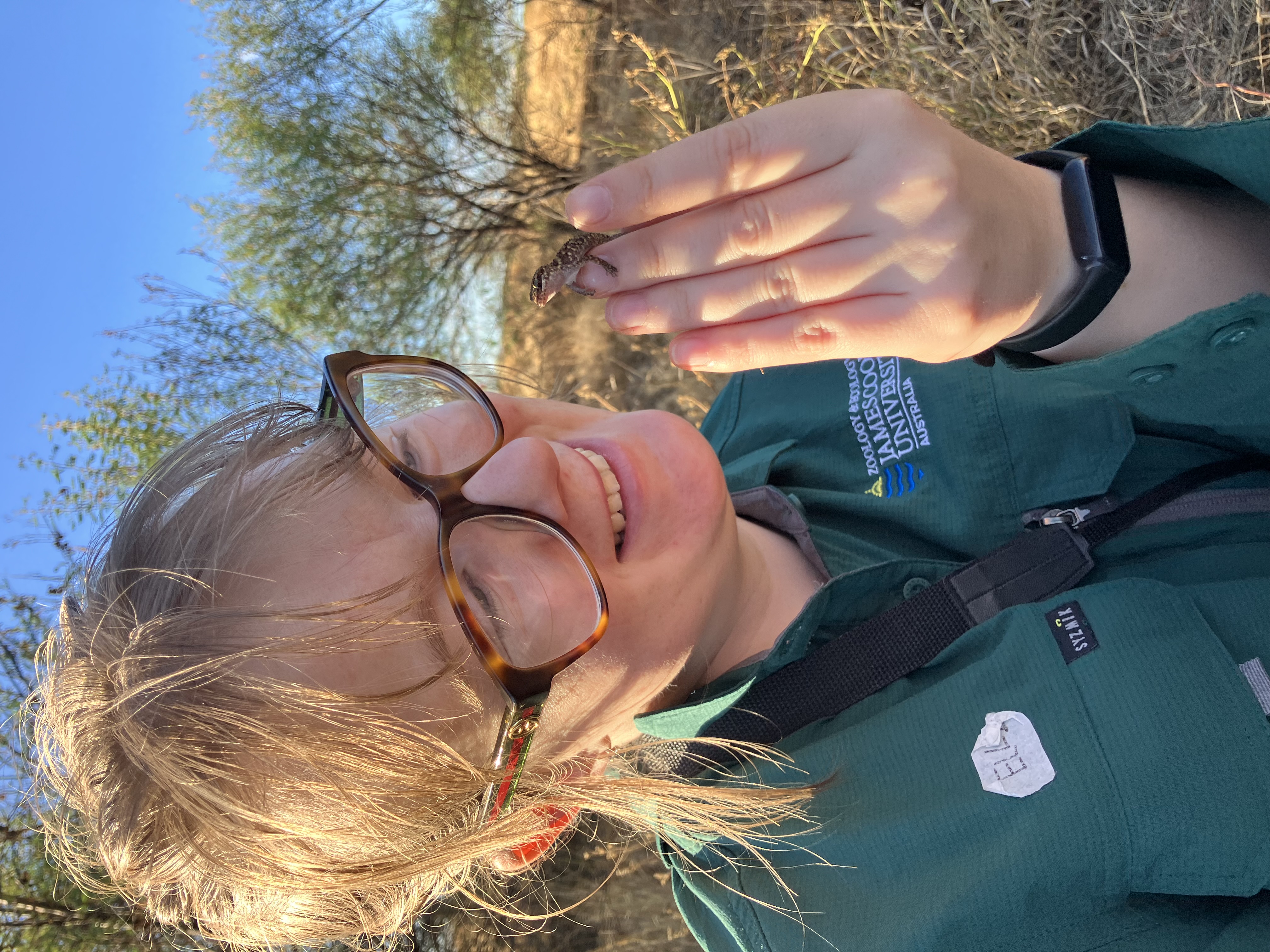
Elle Robertson
- Doctor of Philosophy (Agriculture, Environmental and Related Studies)
- elle.robertson@jcu.edu.au
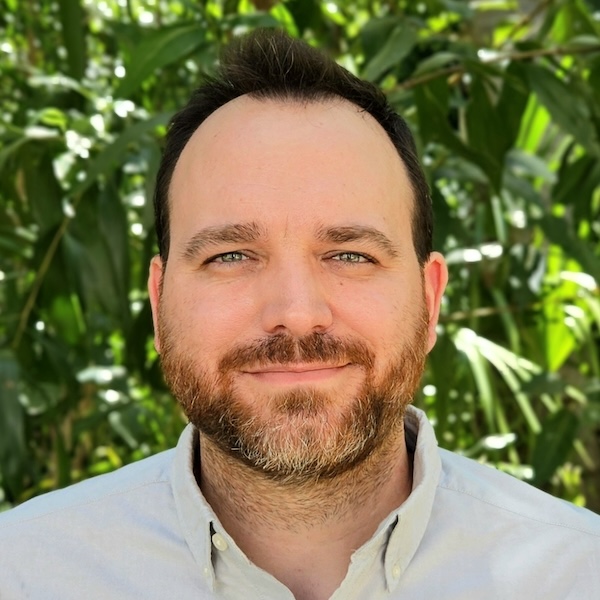
Romain Vaucher
- Senior Lecturer, Sedimentology
- romain.vaucher@jcu.edu.au

Jenny Fisher
- Associate Dean, Learning and Teaching
- jenny.fisher@jcu.edu.au

Ambili Narayanan
- Doctor of Philosophy (Natural and Physical Sciences)
- ambili.narayanan@my.jcu.edu.au

Sarfaraz Ali
- Postdoctoral Research Fellow
- sarfaraz.ali@jcu.edu.au
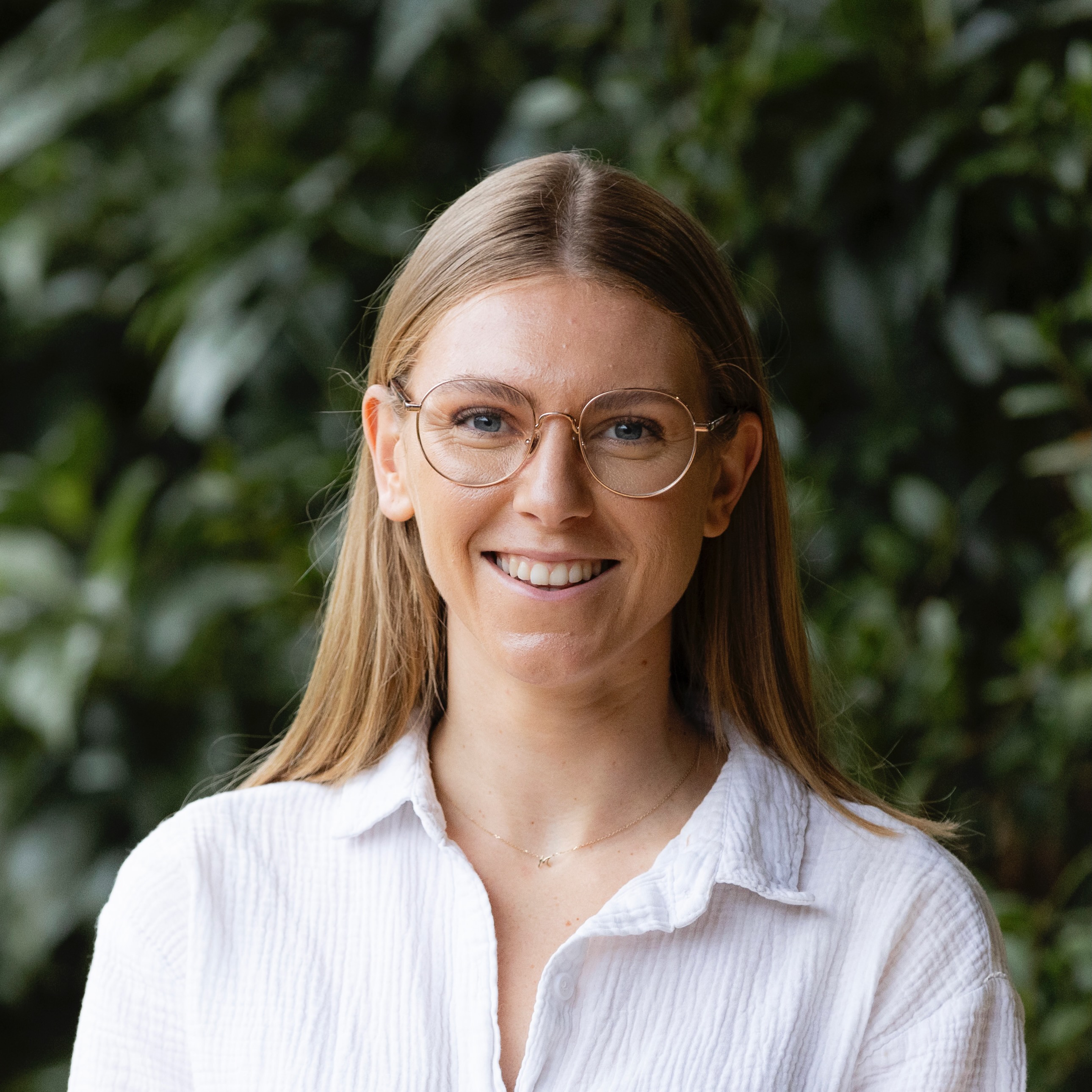
Mikaeylah Davidson
- Postdoctoral Research Fellow
- mikaeylah.davidson@jcu.edu.au
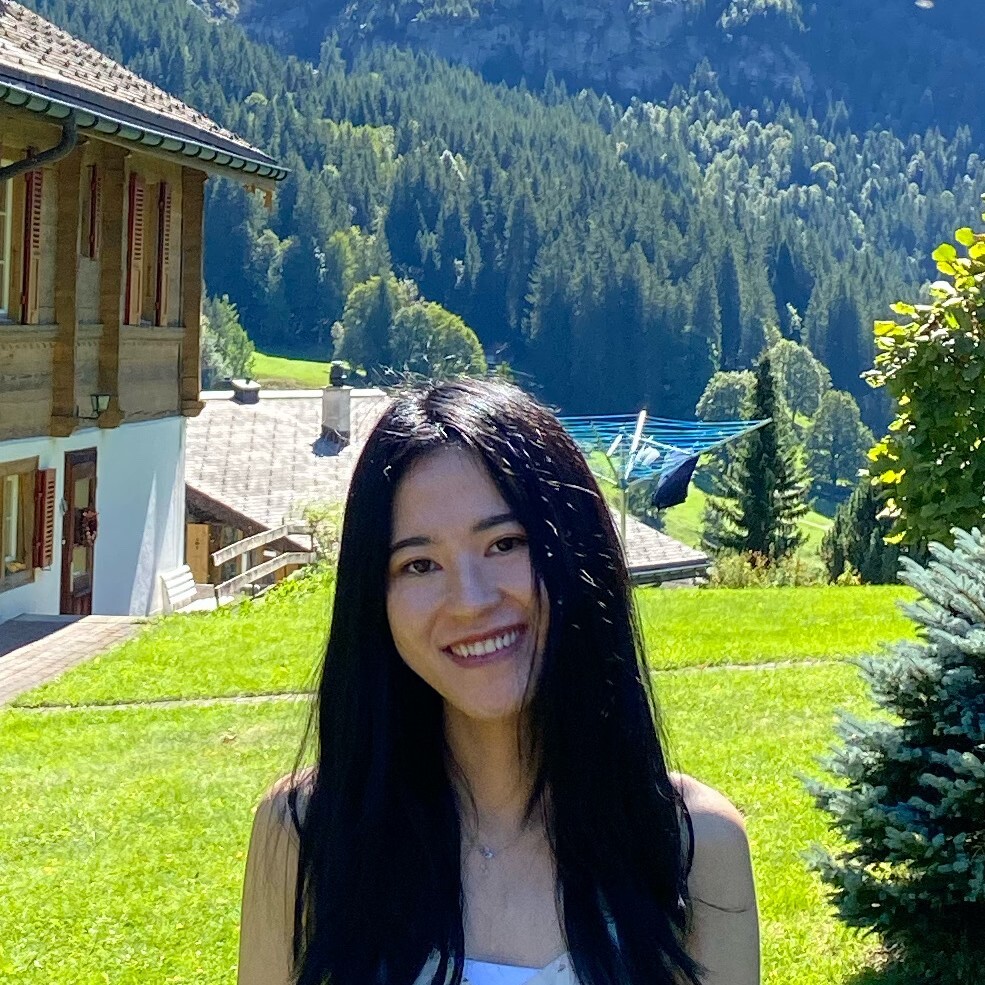
Liuxin Chen
- Lecturer
- liuxin.chen@jcu.edu.au
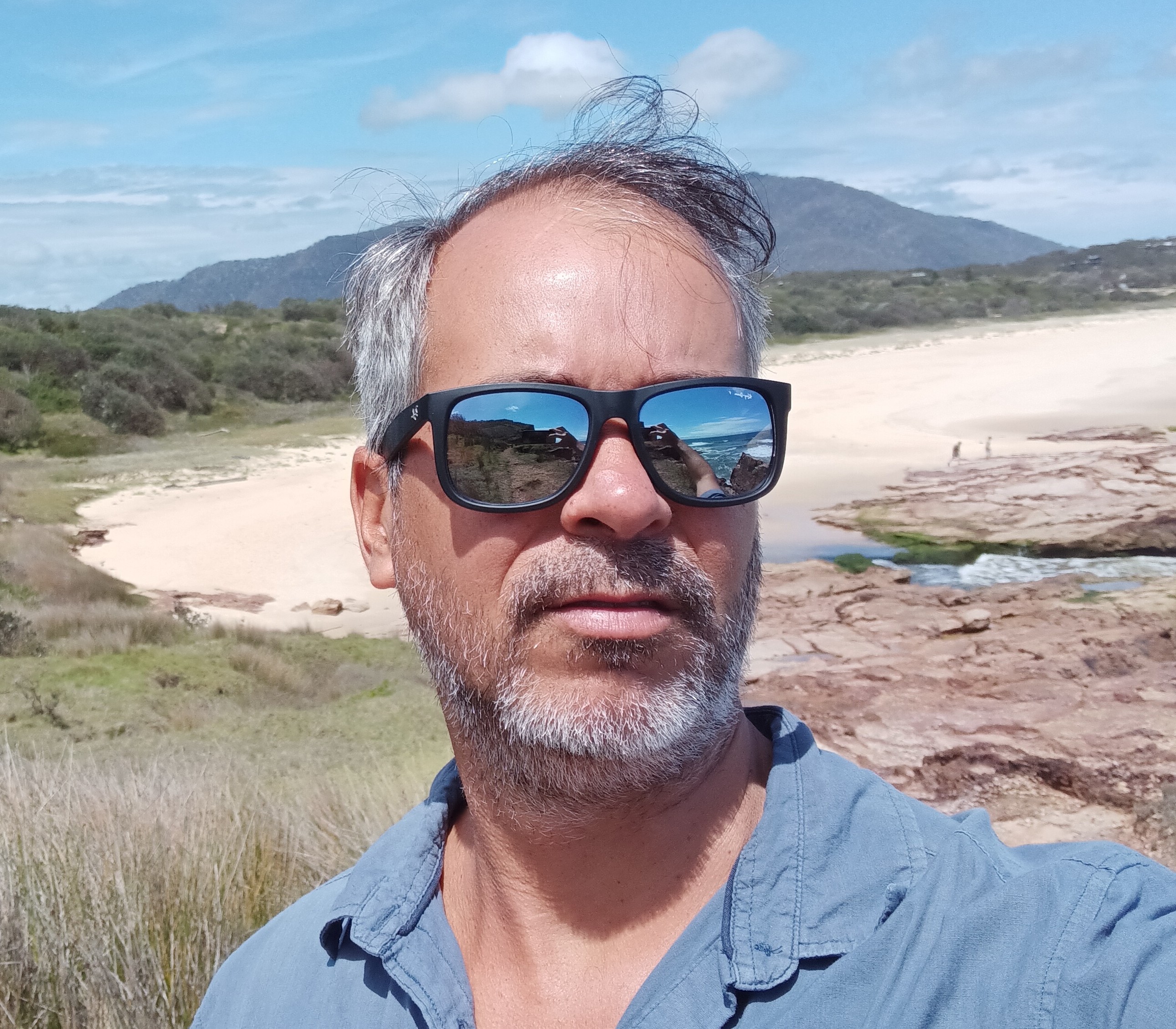
Rafael Cabral Carvalho
- Lecturer, Marine Geoscience
- rafael.cabralcarvalho@jcu.edu.au
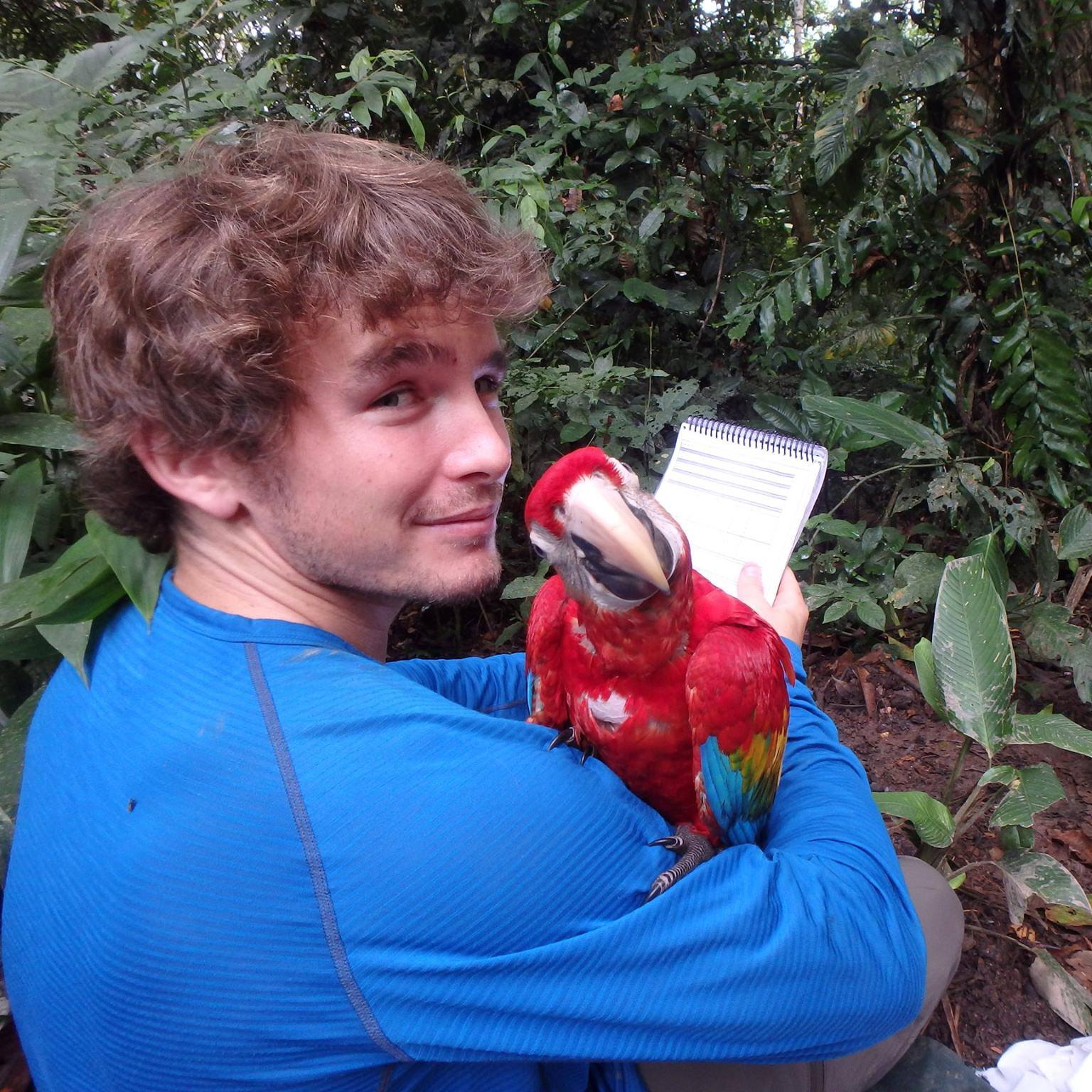
Tom Lloyd
- Postdoctoral Research Fellow, Global Ecosystems
- tom.lloyd@jcu.edu.au
Upscaling oyster reef and mangrove restoration in GBR catchments
This project builds on successful, community-driven habitat restoration initiatives that will contribute to improved ecological health and biodiversity in Great Barrier Reef (GBR) catchments.
The project will deliver a multi-habitat project that will restore oyster reefs and mangrove wetlands, resulting in improved structural habitat complexity and biodiversity at the restoration sites. The project will be implemented through a series of coordinated, community-led activities across several key locations.
The Project will focus on 3 key themes:
1. Community Engagement: Engaging local communities directly in habitat restoration activities, fostering a sense of ownership and stewardship.
2. Educational Programs: Providing educational opportunities to raise awareness about the importance of marine habitats and biodiversity.
3. Volunteer Training: Training new volunteers to participate in restoration activities, including monitoring and maintenance.
Services required
As per the project application:
Support for project monitoring and maintenance activities, including flora and fauna surveys and assistance with water quality monitoring.
Deliverables for this project for James Cook University (TropWATER) are:
1. Program Design and Site Prioritisation – Attend and contribute to monthly project working group meetings. Contribute technical expertise to key discussions (as required) on prioritisation of restoration sites, restoration methods and Development Approval requirements for restoration works.
2. Stakeholder Meetings – Attend and (where relevant) facilitate key stakeholder meetings with potential project partners, including Port of Gladstone, North QLD Bulk Ports and others.
3. Environmental Monitoring 01 – Prepare an environmental monitoring program, that contains detailed information on methods and timing of data collection for flora, fauna and water quality. Monitoring will include (but is not limited to) surveys of restoration sites to assess oyster recruitment, density and growth of mangrove propagules, biodiversity assessments of fish and invertebrate communities and water quality assessments.
4. Environmental Monitoring 02 – Complete of a minimum of one monitoring event (including flora, fauna and water quality surveys) at each prioritised restoration site each quarter (every three months), starting in July 2025 to December 2027. Results are to be presented to OzFish in the form of technical summary reports prior to payment of each of Milestones 2 – 5 (see Schedule 1).
5. Project Promotion – Work with OzFish Unlimited and Reef Catchments’ project delivery and communications teams to promote project events, delivery and outcomes.
6. Final Project Report – Produce a summary technical report, detailing the findings from flora and fauna surveys, as well as water quality data. Due Date – 25 February 2028
Deliverables may be adjusted pending the initial scope of works discussions, and development of the monitoring program, with both parties (JCU and OzFish) to agree and sign any new deliverables.
In preparing this funding grant, discussions with JCU staff agreed to include a proportion of the budget to award a PhD research scholoship as part of an Industry/JCU scholarship. Provision has been made in the budget for 50% contribution through this project towards the PhD scholarship, under the provision that JCU will contribute 50% towards the PhD scholarship ($65,000, ex GST). This PhD Scholarship expands the ability to complete the research component of this project – value adding to the overall project objectives. Should JCU not support a 50% industry scholarship contribution, than the funding allocated will be consolidated into the total contract amount for JCU staff to use to complete the project.
Synthesis of acoustic data streams from TERN sites
Analysing data to produce a data product for TERN synthesising audio and FLUX data streams
Immunomodulatory vaccines in the treatment of peanut allergy (Old ID 27579)
Peanut allergy is the most common cause of food-induced anaphylactic reactions in Australia and is a major burden to our healthcare system. Current clinical practice advice dietary avoidance to prevent fatal anaphylactic responses. We propose the use of an immunomodulatory vaccine to re-write the immune response to peanut antigens, from an allergic to a tolerant phenotype. This study will provide novel insights into rational approaches for manipulating immune memory to food allergens.
Adaptation to habitat fragmentation: dispersal and evolution in an Australian bird
I propose to examine the effect of habitat fragmentation on potential for microevolutionary responses in helping and dispersal using the iconic Australian red-winged fairy-wren as a model system.
Circulating human papillomavirus (HPV) DNA for surveillance of HPV-related oropharyngeal squamous cell carcinoma (HPV-OPSCC)
We propose implementing a capture-based next-generation sequencing approach for human papillomavirus (HPV) DNA detection at Townsville Hospital and Health Service and assess the feasibility, diagnostic yield, and cost compared to other established circulating HPV detection methods.
Understanding the ecology and behaviour of platypus in far North Queensland
Our study seeks to understand the ecology and behaviour of genetically isolated and understudied platypuses in far north Queensland. While platypuses were classified as “near threatened” by the IUCN in 2016, most research has been confined to populations in NSW and Victoria. Far north Queensland uniquely hosts platypuses in a predominantly rainforest environment, yet formal region-specific ecological knowledge is lacking. To address this, we aim to 1) assess the presence and relative abundance of platypuses in the Atherton Tablelands, 2) quantify population demographics, and 3) quantify local resource availability and quantify carrying capacity. These efforts will help us establish a baseline understanding of the population’s overall health and longevity and cultivate a more nuanced understanding of the population’s unique characteristics and life history. Developing such knowledge is critical to informing current and future regional management and conservation efforts of this iconic Australian species in a rainforest biome.
This project will work closely with local stake holders and conservation efforts, mainly Dulguburra Yidinji traditional owners and the Yungaburra Landcare Group who share a vested interest in the project’s findings.
Understanding the impact of magnetic resonance impacts on immune regulatory factor secretion from brain tumour cells during radiotherapy
Our study aims to assess how magnetic resonance impacts on immune regulatory factor secretion from brain tumour cells during radiotherapy. This will be performed with an experimental study utilizing relevant therapeutic radiotherapy doses for patients with GBM and undergo rigorous quality assurance to ensure scientific accuracy.
She Flies Drone Camps: Building Northern Australia's Drone Ecosystem (Old ID 23163)
She Flies is a comprehensive and multidisciplinary programme across Northern Australia. While the She Flies brand will cover a range of national initiatives (http://www.sheflies.com.au), this particular application for funding will focus on the She Flies Drone Camps. This is a series of week-long camps aimed at teaching Northern Australian high school girls and their teachers or parents the possibilities of working with, and flying drones. From design and construction through to flying and finally using photography to create maps, She Flies Drone Camp will be hands on, practical, fun and safe. Importantly, it will also provide a career path opportunity that many young women probably never realised existed. With initial estimates suggesting that fewer than 1% of drone pilots in Australia are female, we need to encourage young women into this technology and its associated spatial sciences. This will ensure equity and diversity across the industry going forwards.
SeaToMeat - Optimizing Seaweed Proteins to Cultivate Meat
The SeaToMeat (Optimizing Seaweed Proteins to Cultivated Meat) project aims to tackle challenges of the growing cultivated
meat industry by generating lower-cost, high-performance hydrolysates for cell culture media. In this innovative initiative
seaweed proteins are converted into high-value hydrolysates, supporting circular economy principles.
In collaboration with research institutions such as the Singapore Institute of Technology, James Cook University in Singapore
and Australia, and industry partner Umami Bioworks, the project employs advanced technologies to optimize hydrolysis of
seaweed protein from sustainable farms in Indonesia and Australia. This process produces hydrolysates optimized for
cultivated meat, providing a scalable, cost-effective, and serum-free culture media solution – a critical need for the sector.
Focusing on scalability and replicability, SeaToMeat is poised for significant regional and global impact, addressing market
demand for cultivated meat production. The project fosters collaboration between industry stakeholders and research
institutions, driving towards the common goal of achieving cost-effective cultivated meat.
Improving tomato commercial outcomes through enhanced vigour and grafting success
Our aim is to deliver faster-growing, higher-yielding, healthier tomato plants to benefit Australia’s $570M tomato horticultural industry. Leveraging university expertise and IP in seed germination, plant physiology, and bioelectricity, we are partnering with Rainstick, a globally unique startup developing electric treatments for seeds and plants. The current TRL of 3 reflects proof-of-concept experiments in which Rainstick’s Variable Electric Field
(VEF) treatments in tomatoes and other species can induce significant increases in crop growth and yield. By project completion, we expect to be at TRL 5, ready for at-scale trials in commercial facilities, aided by a business plan developed with Main Sequence Ventures.
Save Singapore's freshwater streams
- 2016
- Singapore Press Holdings
- Researchers:HanShe Lim
Water and the tropics
- 2018
- Uro Publications
- Researchers:HanShe Lim
Anticoagulant heparin mimetics via RAFT polymerization
- 2020
- American Chemical Society
- Researchers:George Vamvounis
Elucidating the effects of guest-host energy level alignment on charge transport in phosphorescent OLEDs
- 2019
- American Institute of Physics
- Researchers:Bronson PhilippaGeorge Vamvounis
Thermal induced NDC of electron swarms in N-2 and N-2-like gases: the role of temperature and collision operator approximations
- 2019
- IOP Publishing
- Researchers:Madalyn CaseyGreg Boyle
Start Date:
01 Jan 2013
End Date:
01 Jan 2018
Start Date:
01 Jan 2009
End Date:
01 Jan 2013
Start Date:
01 Jan 2006
End Date:
01 Jan 2008
Start Date:
01 Jan 2000
End Date:
01 Jan 2003
Start Date:
01 Jan 2004
End Date:
01 Jan 2009
Start Date:
01 Jan 2024
End Date:
01 Jan 2025
Start Date:
01 Jan 2012
Start Date:
01 Jan 2009
Start Date:
01 Jan 2007
Start Date:
01 Jan 2022