
College of Science & Engineering

Sophia Love
- Doctor of Philosophy (Natural and Physical Sciences)
- sophie.love@jcu.edu.au
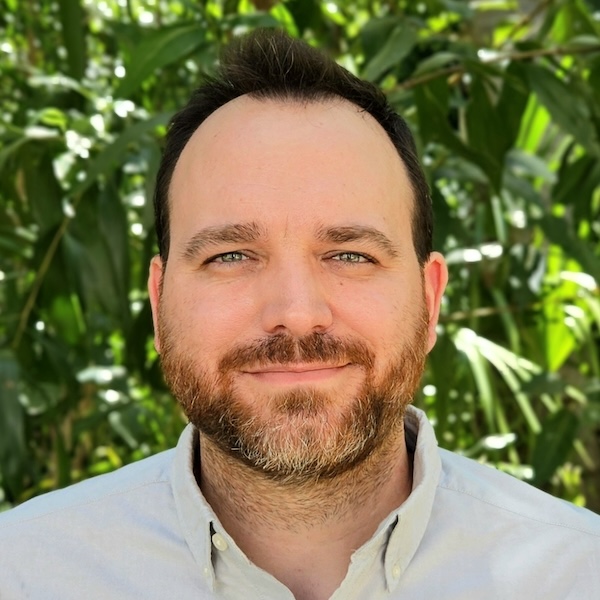
Romain Vaucher
- Senior Lecturer, Sedimentology
- romain.vaucher@jcu.edu.au
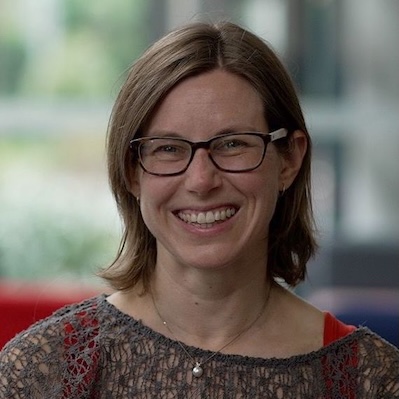
Jenny Fisher
- Associate Dean, Learning and Teaching
- jenny.fisher@jcu.edu.au
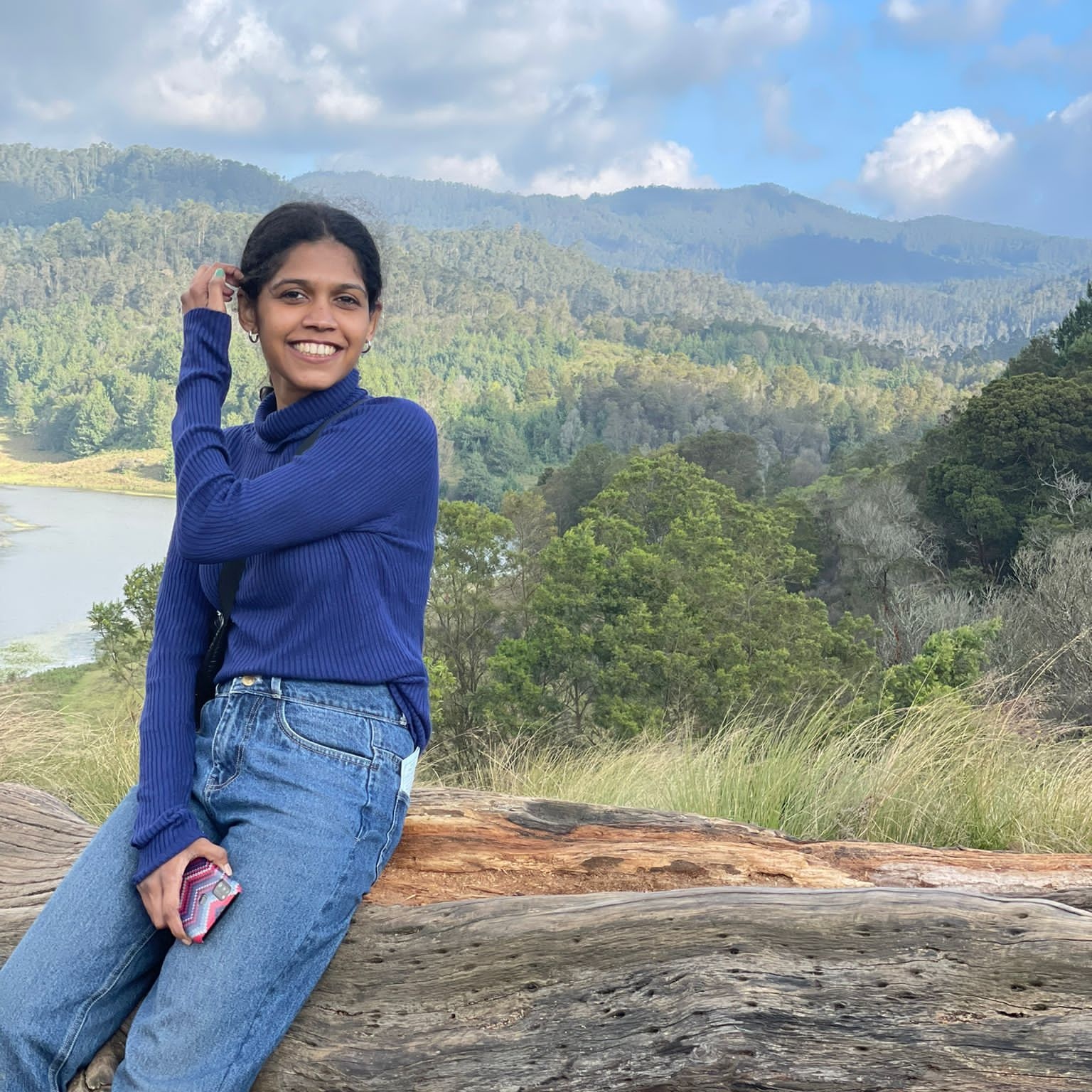
Ambili Narayanan
- Doctor of Philosophy (Natural and Physical Sciences)
- ambili.narayanan@my.jcu.edu.au

Sarfaraz Ali
- Postdoctoral Research Fellow
- sarfaraz.ali@jcu.edu.au
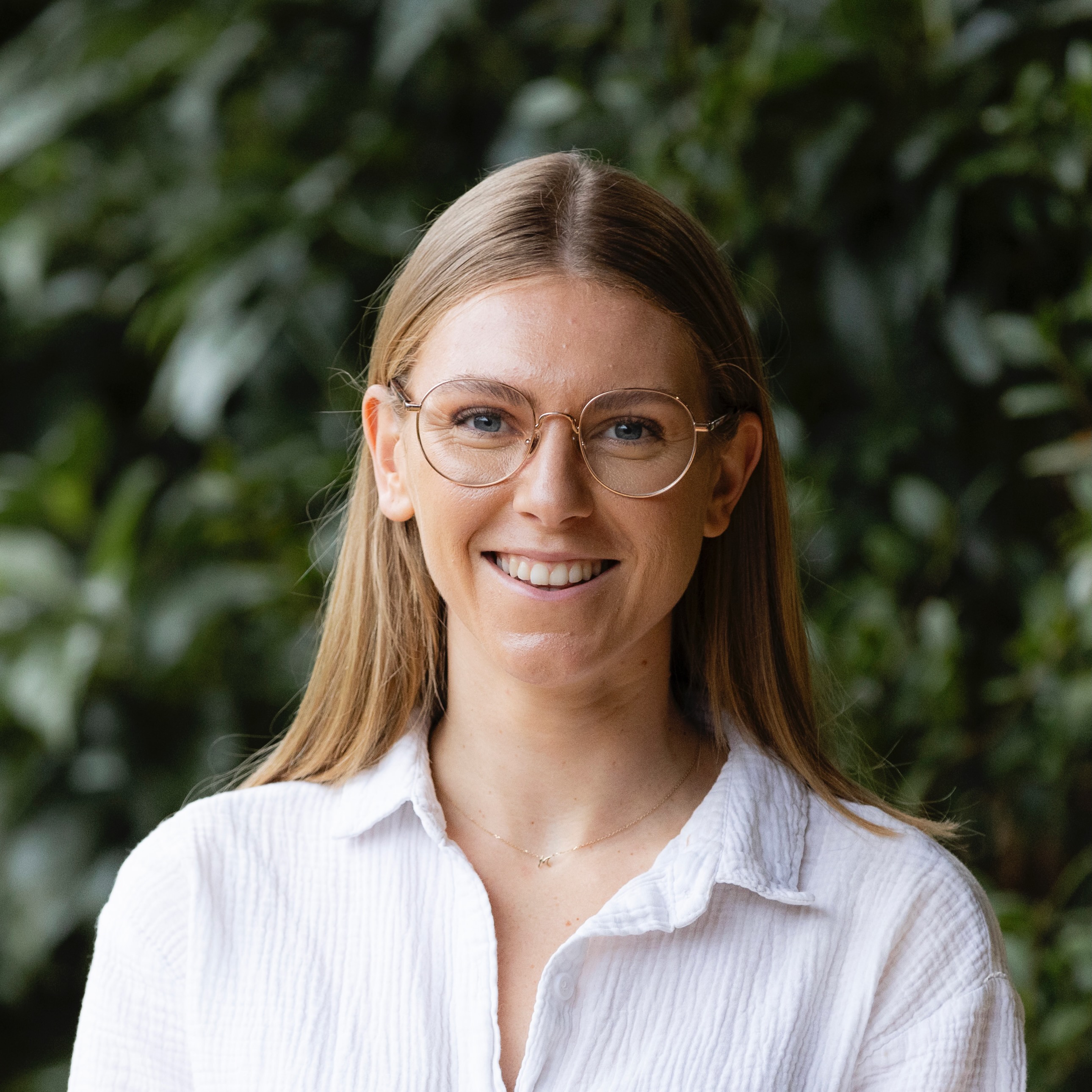
Mikaeylah Davidson
- Postdoctoral Research Fellow
- mikaeylah.davidson@jcu.edu.au
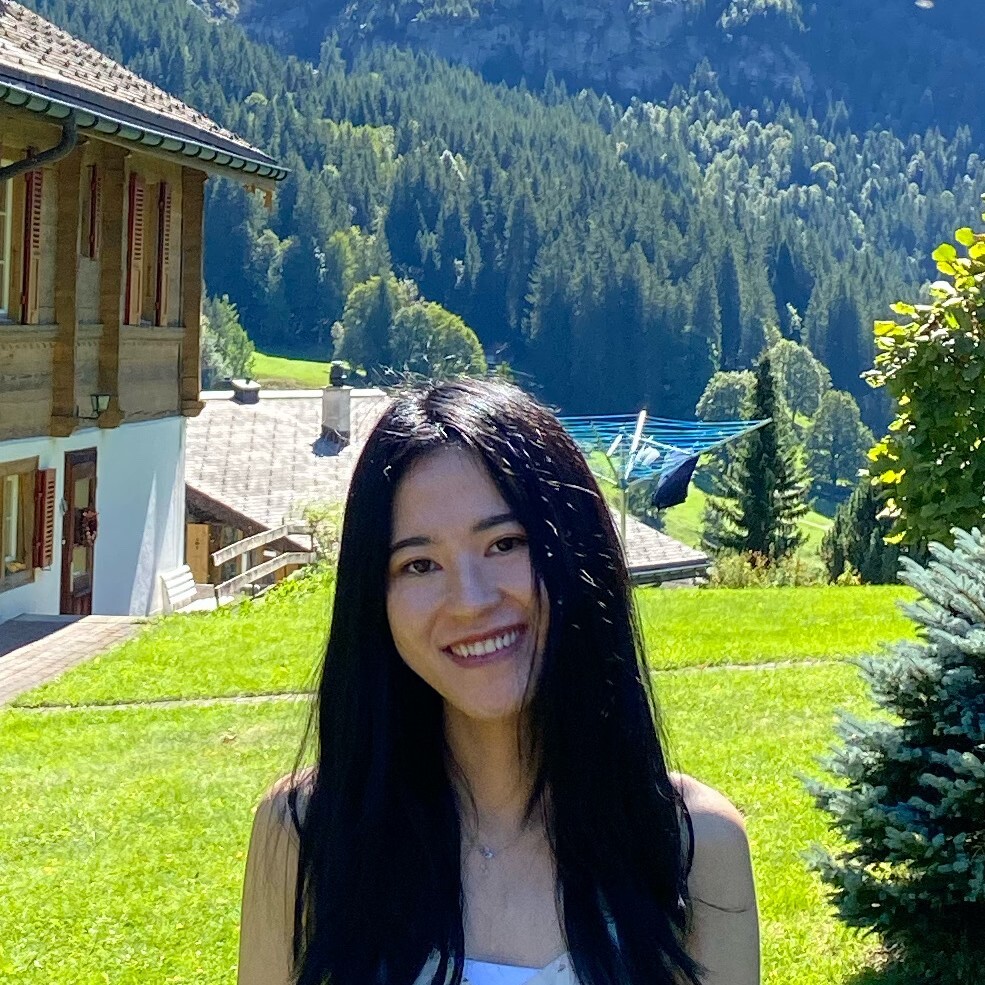
Liuxin Chen
- Lecturer
- liuxin.chen@jcu.edu.au
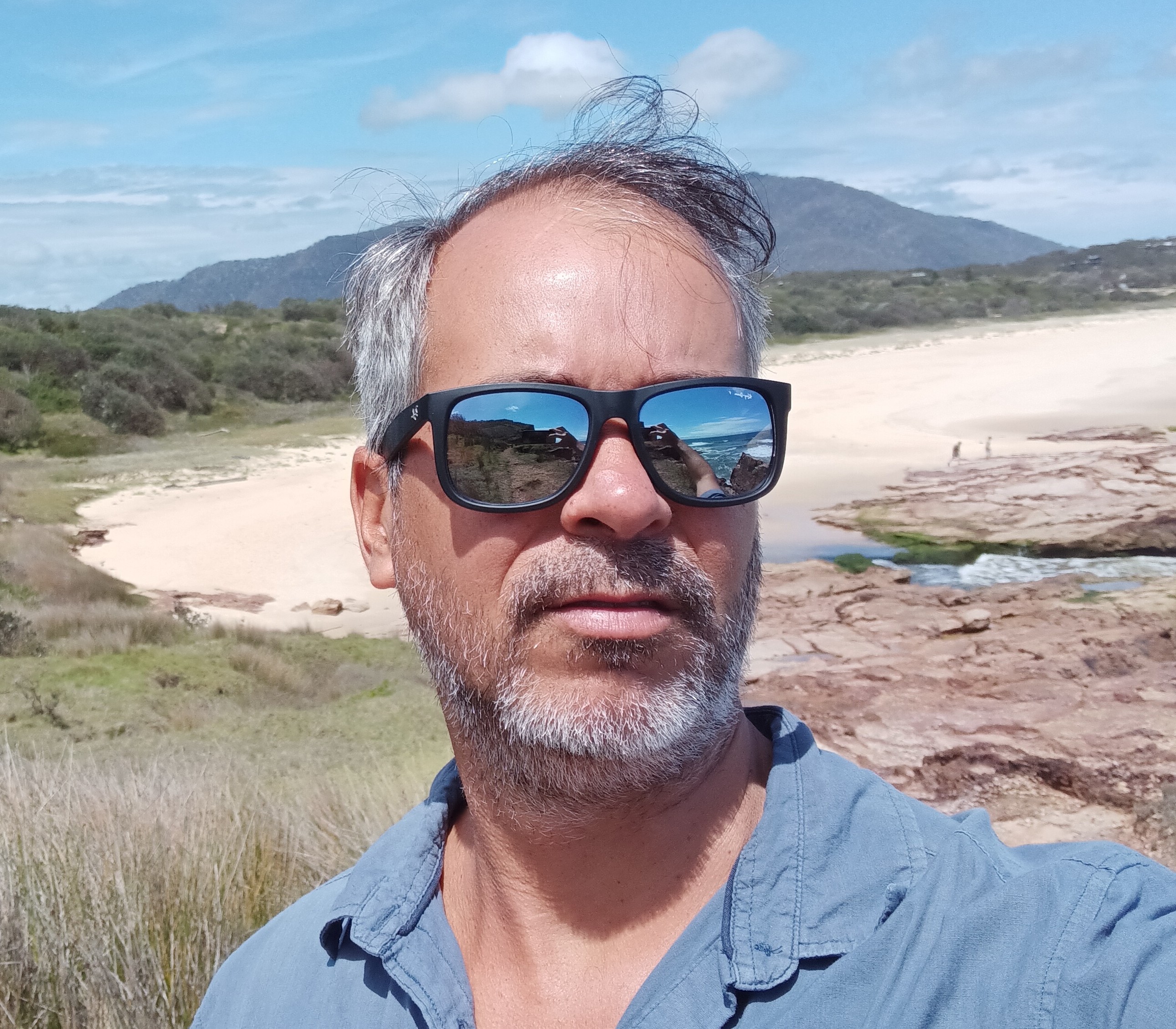
Rafael Cabral Carvalho
- Lecturer, Marine Geoscience
- rafael.cabralcarvalho@jcu.edu.au
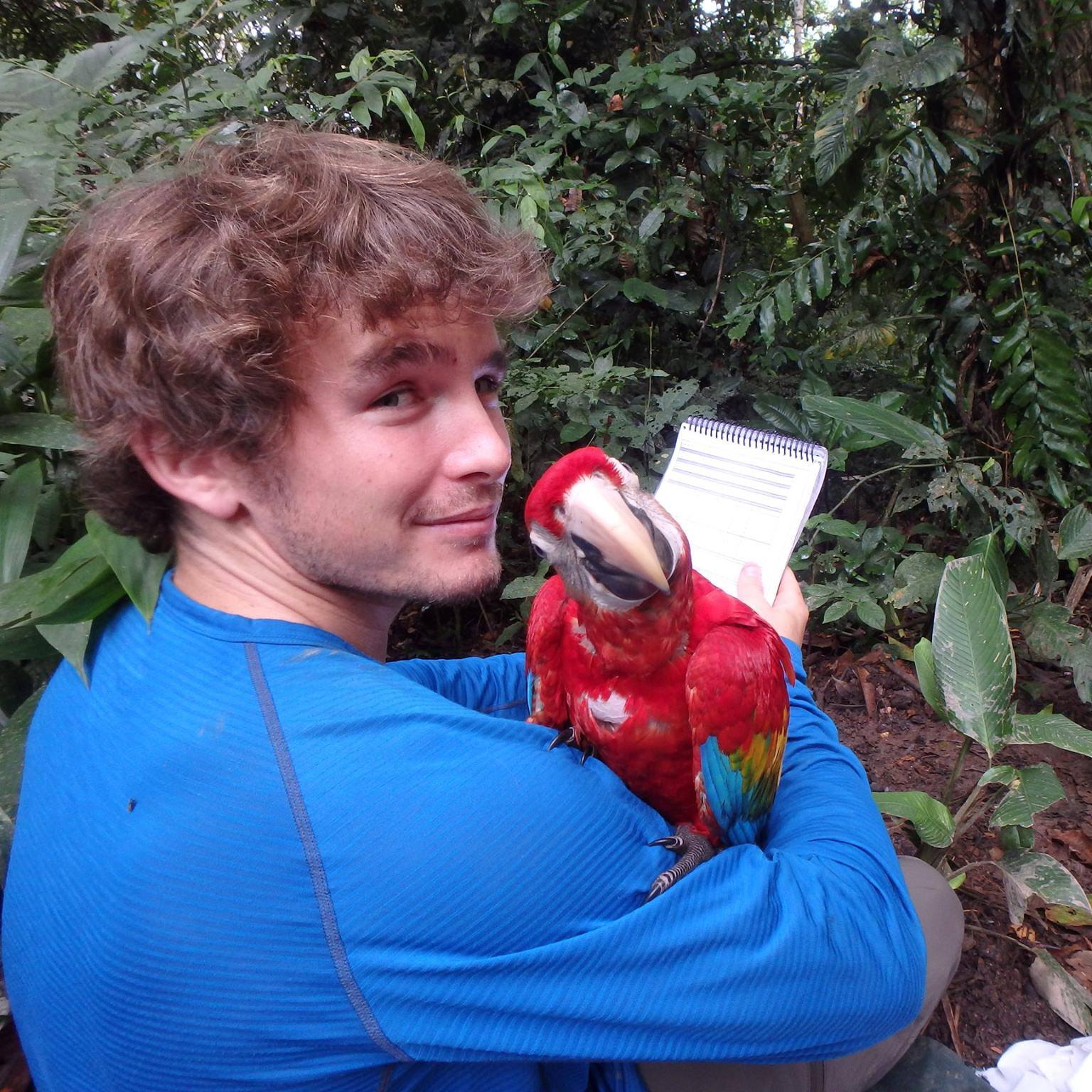
Tom Lloyd
- Postdoctoral Research Fellow, Global Ecosystems
- tom.lloyd@jcu.edu.au
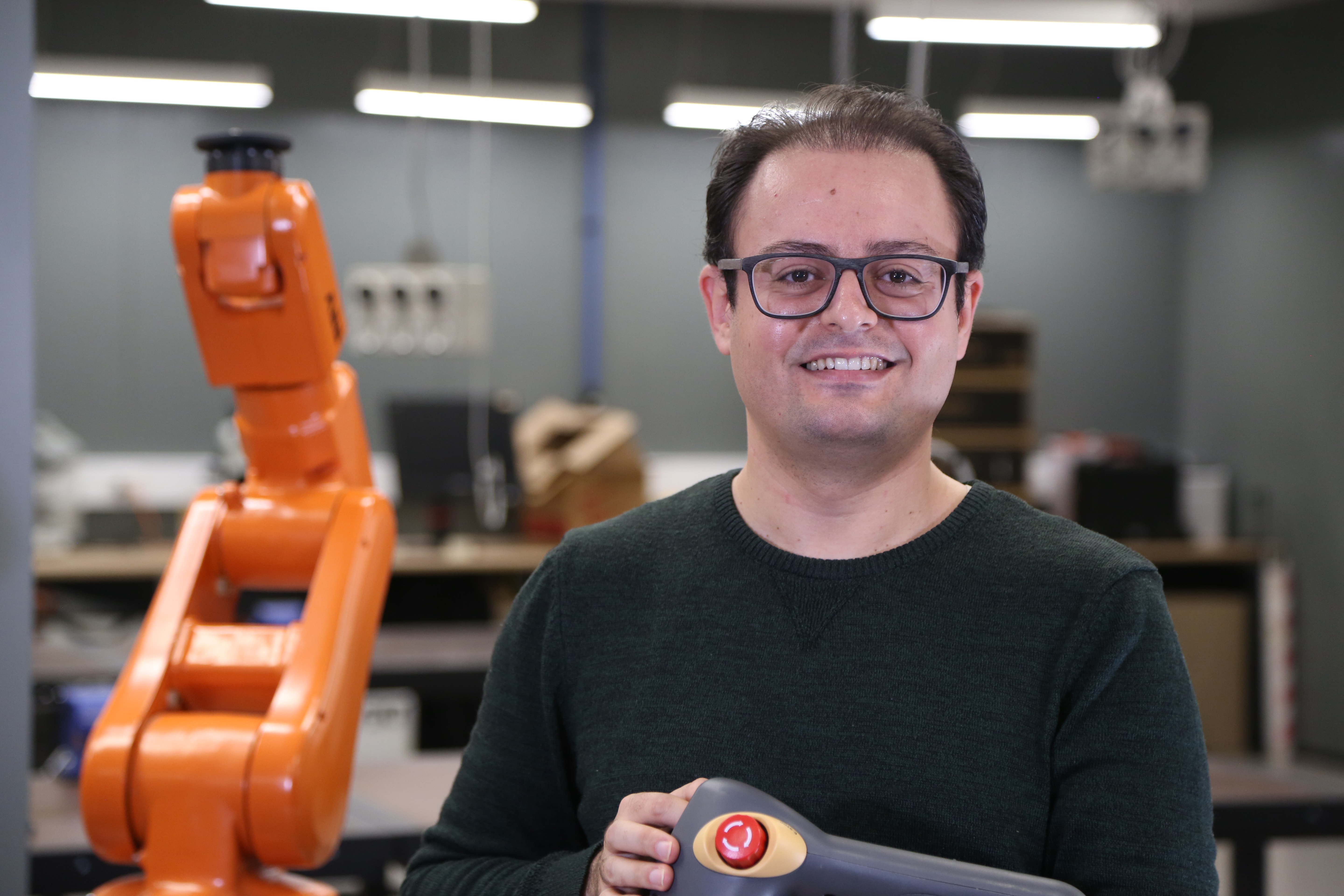
Mohamadreza Chalak Qazani
- Lecturer, Mechanical Engineering
- mohamadreza.chalakqazani@jcu.edu.au
Effectiveness and reliability of a synthetic data generation
Mostafa Rahimi Azghadi
01 Mar 2024 - 01 Mar 2025
Using YALE supplied data in order to reproduce a prior publication using a bootstrapping method for synthetic data generation.
CodeCraft: Augmented Learning for IT students
Euijoon Ahn
01 Jan 2024 - 31 Dec 2024
This project aims to enhance IT education using augmented reality (AR) technology
A mobile app and dashboard for effective management of early-stage chronic kidney disease
This project is funded by the Northern Australia Regional Digital Health Collaborative (NARDHC). The incidence and prevalence of chronic kidney disease (CKD) varies globally, and people in the lowest socioeconomic quartile have a 60% higher risk of progressive CKD. This project aims to develop a mobile app that detects vulnerable individuals who are at risk of deterioration in renal function and are needing intervention, while also allowing monitoring and appropriate education to those who are progressing steadily. The expected outcome is a novel mobiele analytic app that can improve the management of CKD patients in rural and remote areas for better health outcomes and planning.
Fusion of wearable and environmental sensors for remote monitoring of health and wellbeing in elderly populations
This project is funded by the Northern Australia Regional Digital Health Collaborative (NARDHC). This project aims to develop a smart home health monitoring prototype that improves upon existing technology by fusing information from multiple sensors. The proposed system will use non-invasive wearable sensors, non-contact mmWave technology, and artificial intelligence to monitor key vital signs, physical activity, stress, fatigue, and environmental conditions. The goal of this project is to prototype a comprehensive system for monitoring health and wellbeing in rural and remote Australia, with particular focus on elderly persons.
An Artificial Intelligence Enabled Automatic Detection of Estuarine Crocodiles in Queensland Waterways Using Digital Video
This is a collaborative project between James Cook University (JCU) and the Department of Environment, Science, and Innovation (DESI) to develop an artificial intelligence (AI) based software that leverages digital video for the detection of estuarine crocodiles (C. Porosus) in Queensland's waterways. Building on previous research and utilizing extensive footage from Hartley’s Crocodile Adventures, this project aims to create an AI-based pilot detection system operational in both day and night settings to enhance safety around high-risk waterways.
Near Real-Time Adaptive Human-Driven Demographic Intelligence Framework: Enhancing Customer Experience and Operational Efficiency through Behavioural Insights
The aim of this project is to enhance the value provided to customers by venue operators through the development and implementation of AI driven closed-feedback-loop venue behaviour engine that offers recommendations to customers and venue operators. Starting at TRL 3, we will leverage data provided by an existing pilot to gain detailed insights into customer behaviour and demographics. This will enable venue operators to tailor their services more effectively to meet customers' needs and preferences. The project will progress to TRL 6, culminating in improved customer satisfaction and increased operational efficiency for venue operators, and a better experience for customers, through validated, industry-ready solutions.
Dwarf Minke Whale Project
Naomi Gardiner
01 Jan 2020 - 01 Jan 2025
The Minke Whale Project MWP (based at James Cook University, North Queensland Australia) conducts multi-disciplinary research into dwarf minke whale biology and behaviour, the social and economic values of the whales and the sustainable management of swim-with-whales tourism. The MWP research team works collaboratively with the GBR swim-with-minke whales tourism industry, Reef managers and wildlife conservation NGOs. Our work is primarily funded by ongoing passenger donations and the generous in-kind support of the CHARROA tourism operators in the Northern Great Barrier Reef. Please visit http://minkewhaleproject.org/
A sequential study of the microbiome profile in barramundi fry (Lates calcarifer) in different salinities
Leo Foyle
01 Aug 2023 - 31 Dec 2025
This project investigates whether the gut microbiome of juvenile barramundi is influenced by varying salinities. It assess gut mucosal morphology and also looks for the presence of Vibrio spp. toxin genes.
A study of the microbiome profile in barramundi fry (Lates calcarifer) fed diets with a different pH
Leo Foyle
01 Aug 2024 - 31 Dec 2025
Varying dietary pH is known to affect gut microflora in animal industries. This project looks at any potential changes to gut microbiome in juvenile barramundi fed diets with different pH.
Is groundwater discharge an overlooked source of methane in restored coastal wetlands?
Mahmood Sadat Noori
01 Jul 2022 - 30 Jun 2025
Coastal wetlands including saltmarsh and mangroves (known as blue carbon ecosystems) can accumulate carbon and act as a natural sink for atmospheric carbon dioxide (CO2). They, therefore, have the potential to mitigate climate change. However, the CO2 captured by wetlands may be counteracted by emissions of methane (CH4) from the wetland, which is a stronger greenhouse gas (GHG).
The Australian Government has recently created a blue carbon accounting system that encourages low-lying land to be converted to blue carbon ecosystems by removing tidal floodgates. However, effective restoration for carbon storage requires a better quantitative understanding of the fate of carbon following restoration. For example, it is currently unknown how much CH4 export will occur and whether the GHG impact of this flux is larger (or smaller) than the benefit of the overall carbon sequestration following wetland restoration.
Dissolved gasses including CH4 are often orders of magnitude higher in groundwaters than surface waters, suggesting groundwater seepage may be a significant, but unaccounted source of CH4 export from coastal wetlands. Determining how groundwater influences the carbon budget in coastal wetlands is complicated and costly if conventional methods of hydrogeological investigation (installation of observation bores) are used. In this study, we propose to use a novel and efficient method to estimate the contribution of groundwater to CH4 emissions from restored coastal wetlands based on natural geochemical tracers. This project expects to generate new knowledge about the fate of carbon post-wetland restoration. By knowing the dominant sources and sinks of greenhouse gases, the role that restored wetlands play in mitigating climate change will be better understood. This will provide insights into how restoration can be designed to maximize carbon storage. Hence,
the results from this work will be critical and timely in developing adequate strategies to manage coastal wetlands to minimize carbon losses.
Organic matter, sodicity and soil structure
- 1998
- Oxford University Press
- Researchers:Paul Nelson
Argument free clustering via boundary extraction for massive point-data Sets
- 2002
- Researchers:Ickjai Lee
Start Date:
01 Jan 2024
End Date:
01 Jan 2024
Start Date:
01 Jan 2020
End Date:
01 Jan 2025
Start Date:
01 Jan 2023
End Date:
01 Jan 2025
Start Date:
01 Jan 2018
End Date:
01 Jan 2020
Start Date:
01 Jan 2018
Title:
JCU Distinguished Professor
Start Date:
01 Jan 2010
Start Date:
01 Jan 2010
End Date:
01 Jan 2015
Start Date:
01 Jan 2013
End Date:
01 Jan 2018