
College of Science & Engineering

Sophia Love
- Doctor of Philosophy (Natural and Physical Sciences)
- sophie.love@jcu.edu.au
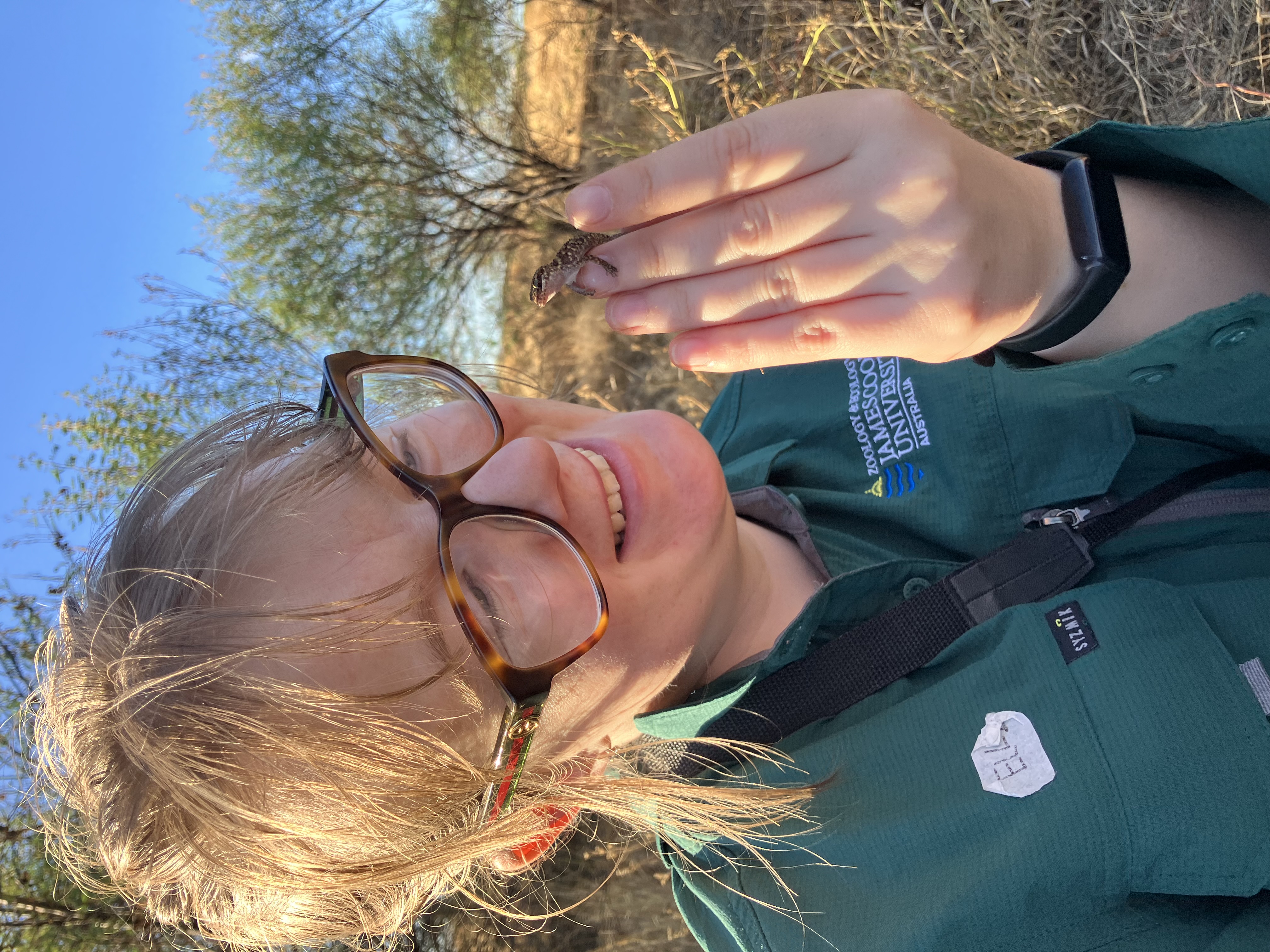
Elle Robertson
- Doctor of Philosophy (Agriculture, Environmental and Related Studies)
- elle.robertson@jcu.edu.au
Romain Vaucher
- Senior Lecturer, Sedimentology
- romain.vaucher@jcu.edu.au
Jenny Fisher
- Associate Dean, Learning and Teaching
- jenny.fisher@jcu.edu.au

Ambili Narayanan
- Doctor of Philosophy (Natural and Physical Sciences)
- ambili.narayanan@my.jcu.edu.au

Sarfaraz Ali
- Postdoctoral Research Fellow
- sarfaraz.ali@jcu.edu.au
Mikaeylah Davidson
- Postdoctoral Research Fellow
- mikaeylah.davidson@jcu.edu.au
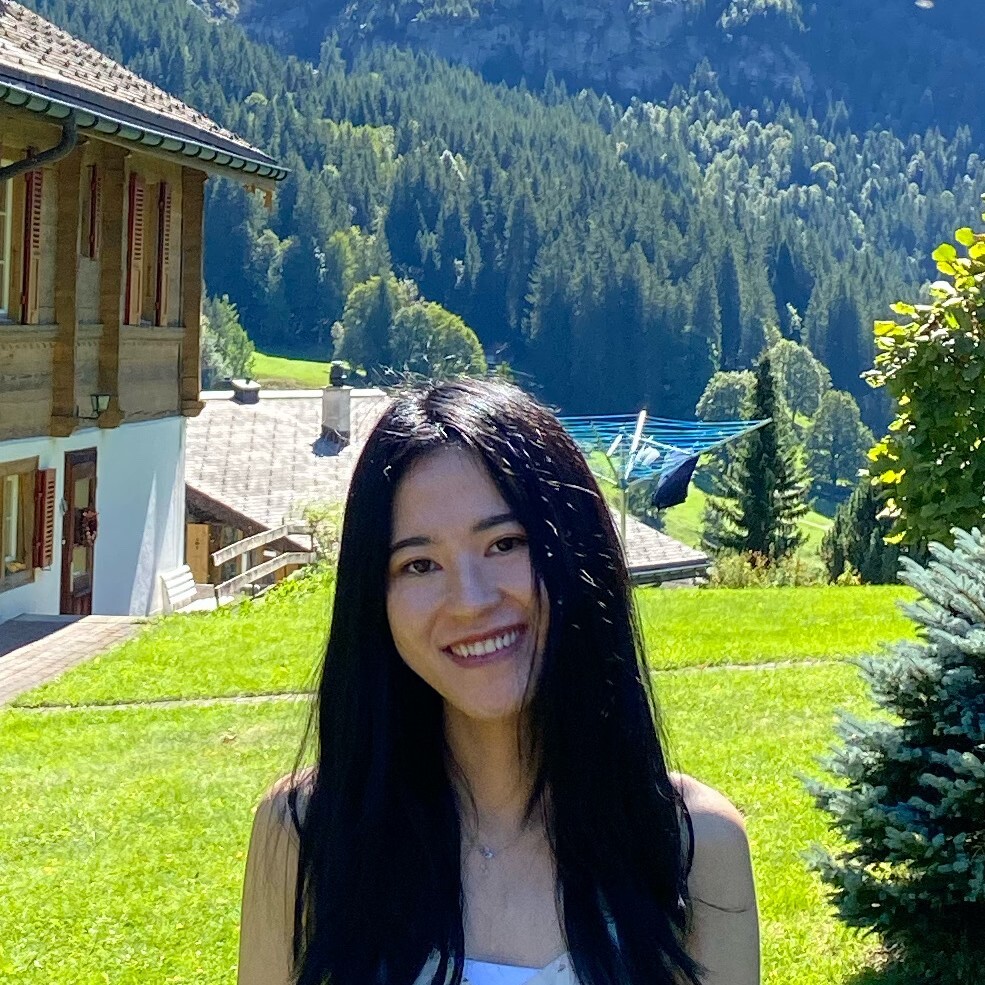
Liuxin Chen
- Lecturer
- liuxin.chen@jcu.edu.au
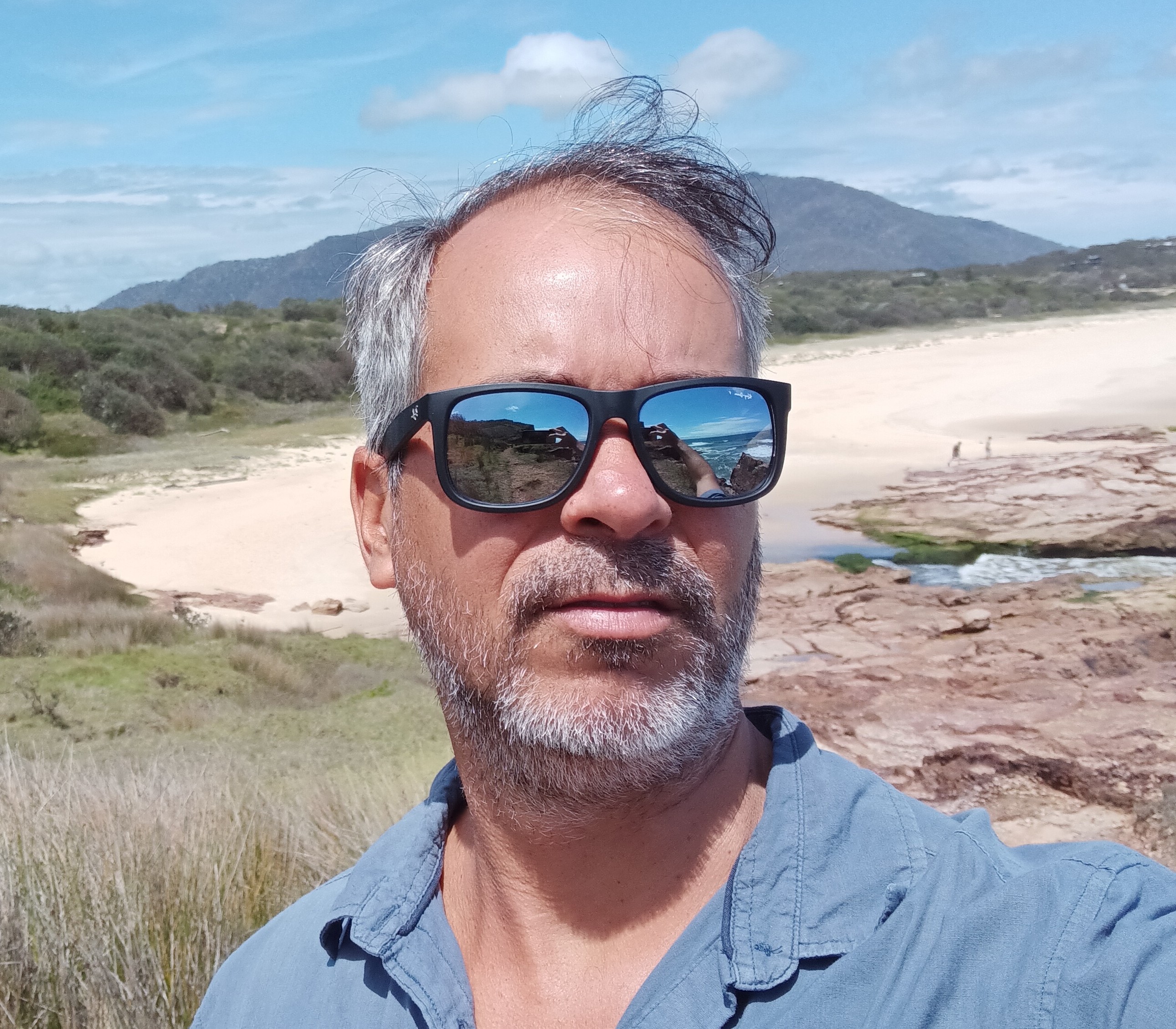
Rafael Cabral Carvalho
- Lecturer, Marine Geoscience
- rafael.cabralcarvalho@jcu.edu.au
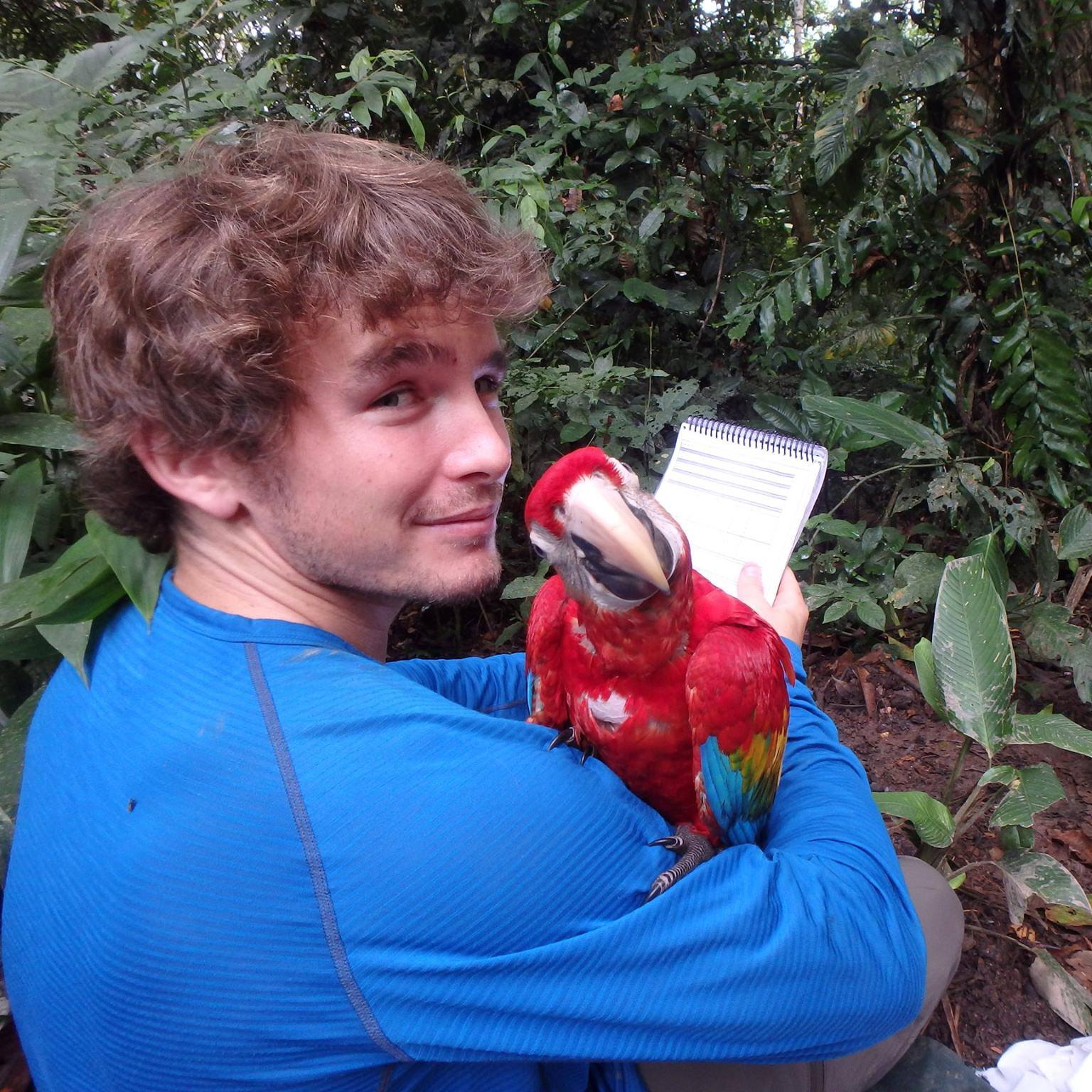
Tom Lloyd
- Postdoctoral Research Fellow, Global Ecosystems
- tom.lloyd@jcu.edu.au
The role of drought-stress and insect attack on rainforest plant health (Old ID 26337)
This project aims to examine the vulnerability of tropical plants to drought and insect attack in a large-scale field experiment. We will pioneer a new research approach that focuses on the causes and stages of decline in plant health prior to death, in order to identify the characteristics of plant species that make them more susceptible to drought and insect attack. Expected outcomes of this project include an improved capacity to predict the function and composition of future forests. This project will provide significant benefits to communities concerned with the direct and indirect effects of droughts in protected areas, forestry reserves and agriculture.
IkanAdapt - Securing Timor-Leste’s Fisheries for Sustainability and Ecological Resilience
JCU's Centre for Sustainable Fisheries & Aquaculture is to be engaged by WorldFISH under the auspices of the Global Environment Fund (GEF) program 'IKANAdapt' for Timor-Leste. The overarching goal is to enable Timor-Leste stakeholders in evidence-based decisions towards the sustainable use and conservation of coastal and aquatic resources. JCU's work is two-fold. Part 1 will undertake coastal biodiversity assessment and conservation plans for 2-3 provinces, with a focus on coastal and aquatic habitats, inclusive of action plans for 3 endangered, threatened and protected (ETP) species and at least 1 wetland. Part 2 will develop and deliver a co-management training program for provincial level government officers in the Ministry of Fisheries. It will include a capacity evaluation of stakeholders, contextualised co-management curriculum, delivery of pilot-workshops in priority district's and a proposal for scaling out.
IkanAdapt - Securing Timor-Leste’s Fisheries for Sustainability and Ecological Resilience
JCU's Centre for Sustainable Fisheries & Aquaculture is to be engaged by WorldFISH under the auspices of the Global Environment Fund (GEF) program 'IKANAdapt' for Timor-Leste. The overarching goal is to enable Timor-Leste stakeholders in evidence-based decisions towards the sustainable use and conservation of coastal and aquatic resources. JCU's work is two-fold. Part 1 will undertake coastal biodiversity assessment and conservation plans for 2-3 provinces, with a focus on coastal and aquatic habitats, inclusive of action plans for 3 endangered, threatened and protected (ETP) species and at least 1 wetland. Part 2 will develop and deliver a co-management training program for provincial level government officers in the Ministry of Fisheries. It will include a capacity evaluation of stakeholders, contextualised co-management curriculum, delivery of pilot-workshops in priority district's and a proposal for scaling out.
IkanAdapt - Securing Timor-Leste’s Fisheries for Sustainability and Ecological Resilience
JCU's Centre for Sustainable Fisheries & Aquaculture is to be engaged by WorldFISH under the auspices of the Global Environment Fund (GEF) program 'IKANAdapt' for Timor-Leste. The overarching goal is to enable Timor-Leste stakeholders in evidence-based decisions towards the sustainable use and conservation of coastal and aquatic resources. JCU's work is two-fold. Part 1 will undertake coastal biodiversity assessment and conservation plans for 2-3 provinces, with a focus on coastal and aquatic habitats, inclusive of action plans for 3 endangered, threatened and protected (ETP) species and at least 1 wetland. Part 2 will develop and deliver a co-management training program for provincial level government officers in the Ministry of Fisheries. It will include a capacity evaluation of stakeholders, contextualised co-management curriculum, delivery of pilot-workshops in priority district's and a proposal for scaling out.
IkanAdapt - Securing Timor-Leste’s Fisheries for Sustainability and Ecological Resilience
JCU's Centre for Sustainable Fisheries & Aquaculture is to be engaged by WorldFISH under the auspices of the Global Environment Fund (GEF) program 'IKANAdapt' for Timor-Leste. The overarching goal is to enable Timor-Leste stakeholders in evidence-based decisions towards the sustainable use and conservation of coastal and aquatic resources. JCU's work is two-fold. Part 1 will undertake coastal biodiversity assessment and conservation plans for 2-3 provinces, with a focus on coastal and aquatic habitats, inclusive of action plans for 3 endangered, threatened and protected (ETP) species and at least 1 wetland. Part 2 will develop and deliver a co-management training program for provincial level government officers in the Ministry of Fisheries. It will include a capacity evaluation of stakeholders, contextualised co-management curriculum, delivery of pilot-workshops in priority district's and a proposal for scaling out.
Optimising vanadium extraction and processing from the Toolebuc Formation through advanced characterization
This project is part of the Critical Minerals Trailblazer.
This project has two main objectives:
• To advance the projects related to vanadium extraction and processing from the Toolebuc Formation in North Queensland
• Develop capacity in North Queensland to assist with the emerging vanadium economy
The project will be conducted as a collaboration between James Cook University (JCU), Critical Minerals Queensland (CMQ) and industry partners consisting of Velox, QEM, Richmond Vanadium Technology and Critical Minerals Group.
The extraction of vanadium has already been validated by the industry partners through R&D and pilot testing thus the commercial viability of the techniques have been confirmed. However, certain vanadium ores pose processing challenges and impede the extraction process and limit the economic viability of vanadium mining. Preliminary test work has indicated that the extraction and recovery of vanadium from the oxidised portion of the Toolebuc formation face a series of challenges.
Based on the above information there are three main R&D items that need addressing to help advancing the vanadium projects in north Queensland.
1. Vanadium deportment in fresh and oxidised Toolebuc Formation
2. Characterization of tailing samples
3. Identification of instrumental methods and development of calibration for fast characterization techniques for routine analyses during mining.
Optimising vanadium extraction and processing from the Toolebuc Formation through advanced characterization
This project is part of the Critical Minerals Trailblazer.
This project has two main objectives:
• To advance the projects related to vanadium extraction and processing from the Toolebuc Formation in North Queensland
• Develop capacity in North Queensland to assist with the emerging vanadium economy
The project will be conducted as a collaboration between James Cook University (JCU), Critical Minerals Queensland (CMQ) and industry partners consisting of Velox, QEM, Richmond Vanadium Technology and Critical Minerals Group.
The extraction of vanadium has already been validated by the industry partners through R&D and pilot testing thus the commercial viability of the techniques have been confirmed. However, certain vanadium ores pose processing challenges and impede the extraction process and limit the economic viability of vanadium mining. Preliminary test work has indicated that the extraction and recovery of vanadium from the oxidised portion of the Toolebuc formation face a series of challenges.
Based on the above information there are three main R&D items that need addressing to help advancing the vanadium projects in north Queensland.
1. Vanadium deportment in fresh and oxidised Toolebuc Formation
2. Characterization of tailing samples
3. Identification of instrumental methods and development of calibration for fast characterization techniques for routine analyses during mining.
Optimising vanadium extraction and processing from the Toolebuc Formation through advanced characterization
This project is part of the Critical Minerals Trailblazer.
This project has two main objectives:
• To advance the projects related to vanadium extraction and processing from the Toolebuc Formation in North Queensland
• Develop capacity in North Queensland to assist with the emerging vanadium economy
The project will be conducted as a collaboration between James Cook University (JCU), Critical Minerals Queensland (CMQ) and industry partners consisting of Velox, QEM, Richmond Vanadium Technology and Critical Minerals Group.
The extraction of vanadium has already been validated by the industry partners through R&D and pilot testing thus the commercial viability of the techniques have been confirmed. However, certain vanadium ores pose processing challenges and impede the extraction process and limit the economic viability of vanadium mining. Preliminary test work has indicated that the extraction and recovery of vanadium from the oxidised portion of the Toolebuc formation face a series of challenges.
Based on the above information there are three main R&D items that need addressing to help advancing the vanadium projects in north Queensland.
1. Vanadium deportment in fresh and oxidised Toolebuc Formation
2. Characterization of tailing samples
3. Identification of instrumental methods and development of calibration for fast characterization techniques for routine analyses during mining.
An Outstanding Opportunity: Using Solar Farms for Biodiversity Preservation
Renewable energy projects are growing at a remarkable rate in Australia In north Queensland alone, existing commercial solar plants supply 585MW of generation, and other, proposed plants will provide more than twice as much (QLD Gov Generation Map). As each megawatt requires 2-3 ha (QLD Gov Solar Farm Guidelines) this represents a very significant land area, and up to 70% of Queensland is suitable for solar development (Islam et al. REEE 2022). While this trend constitutes outstanding potential for energy generation, development of solar farms also will impose a significant impact on much of the land area. There is strong awareness of the social contract that such broadscale expansion must navigate, and a particular community concern is the scale of land development and modification (QLD Gov Solar Farm Guidelines).
The community and the QLD Biodiversity Conservation Strategy expresses concern about the major loss of biodiversity occurring at unprecedented rates and scales, and identifies a need to manage broad-scale impacts on land area, as well as climate change. Nowhere is this so critical as in the tropics, which are both highly biodiverse and well suited to solar farms. The confluence of broad-scale solar development and the need for biodiversity conservation on large scales provides an unprecedented opportunity to combine the two. Solar farms present an opening for enhanced delivery of ecosystem services (Norberg et al. 2021 Solar Energy; Nordberg, Schwarzkopf 2023 Austral Ecology). Solar farms have long operational lifespans, experience low levels of disturbance during operation and can be managed for ecosystem services beyond low-carbon electricity generation, including biodiversity conservation (Carvalho et al. 2024 J Anim Ecol). In the UK, Europe and North America, appropriate management of solar farms can lead to increased plant, invertebrate, pollinator and bird diversity and abundance (reviewed by Boscarino-Gaetano et al. 2024 Biological Reviews),
Off-Grid EV Charging Solution with Cyclone-Resistant Solar Carport for Remote Mining Operations
This project will develop an off-grid EV charging system tailored for remote mining operations, combining solar carports, battery storage, and AI-driven energy management. The system will be cyclone-resilient, with structural components tested at JCU’s Cyclone Testing Station. A full prototype will be demonstrated at JCU Cairns campus, showcasing reliable, grid-independent charging for electric mining vehicles. The project is a collaboration between JCU and Umax, aiming to reduce diesel reliance, lower emissions, and improve energy resilience in remote areas. Outcomes include a feasibility report, structural analysis, and a fully operational demo system supporting decarbonisation and innovation in the mining sector.
How fringe cyclone experience affects predictions of damage severity
- 2021
- Emerald Group Publishing
- Researchers:Connar McShaneDaniel Smith
An examination of rockshelter palynology: Carpenter's Gap 1, northwestern Australia
- 2020
- Sage Publications
- Researchers:Cassandra Rowe
The next global pandemic could easily erupt in your backyard
- 2020
- Conversation Media Group
- Researchers:William Laurance
Diverse coral reef invertebrates exhibit patterns of phylosymbiosis
- 2020
- Nature Publishing Group
- Researchers:Hillary SmithDavid Miller
Saving the Sundarbans from development
- 2020
- American Association for the Advancement of Science
- Researchers:William Laurance
End Date:
01 Jan 2003
Start Date:
01 Jan 2020
End Date:
01 Jan 2025
Start Date:
01 Jan 2023
End Date:
01 Jan 2025
Start Date:
01 Jan 2018
End Date:
01 Jan 2020
Title:
JCU Distinguished Professor
Start Date:
01 Jan 2010
Start Date:
01 Jan 2018
Start Date:
01 Jan 2010
End Date:
01 Jan 2015
Start Date:
01 Jan 2004
End Date:
01 Jan 2006