
College of Science & Engineering

Sophia Love
- Doctor of Philosophy (Natural and Physical Sciences)
- sophie.love@jcu.edu.au
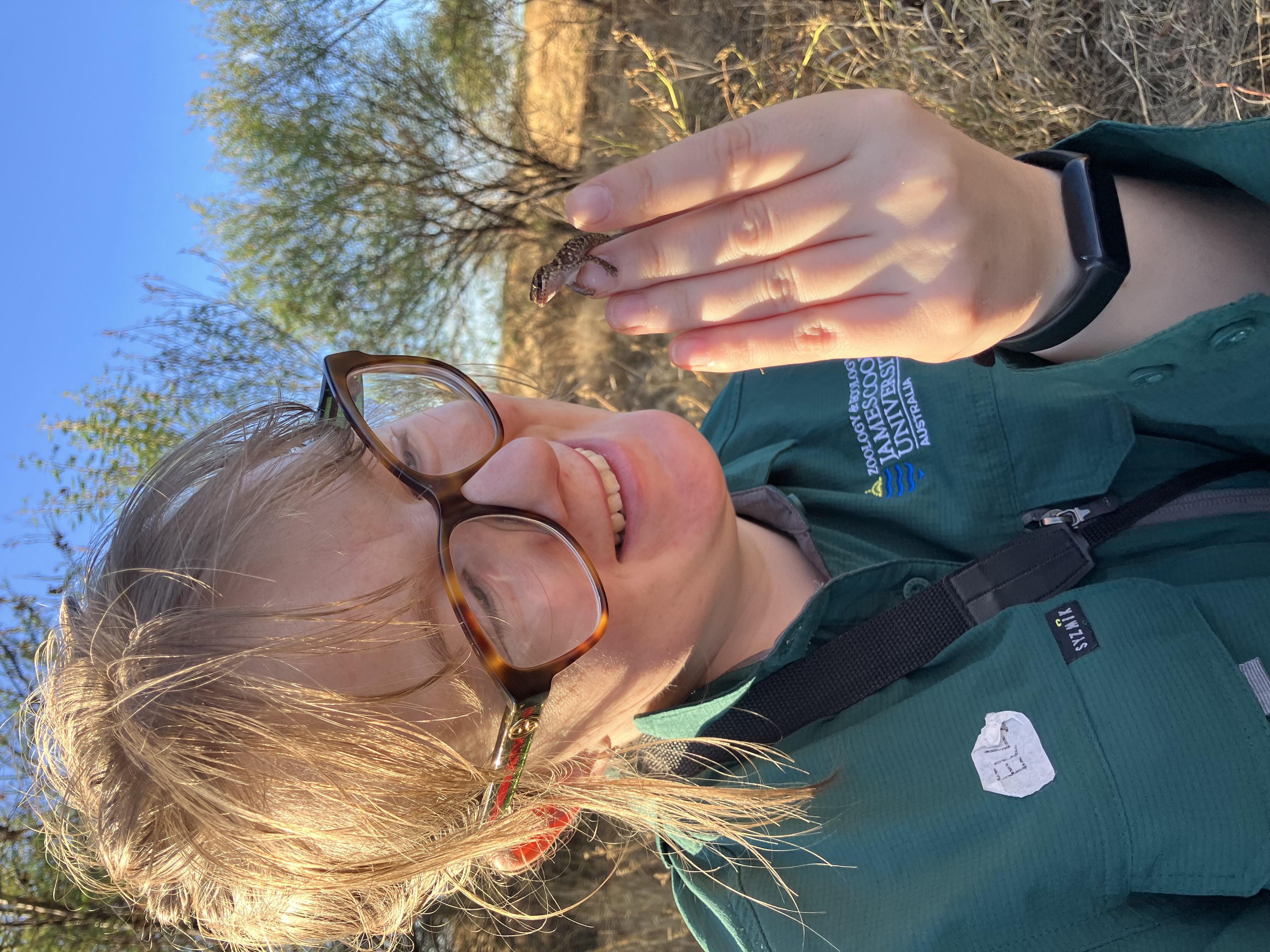
Elle Robertson
- Doctor of Philosophy (Agriculture, Environmental and Related Studies)
- elle.robertson@jcu.edu.au
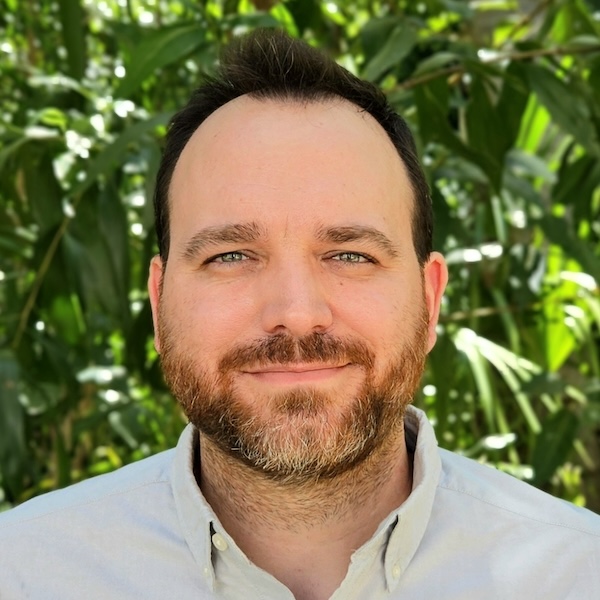
Romain Vaucher
- Senior Lecturer, Sedimentology
- romain.vaucher@jcu.edu.au

Jenny Fisher
- Associate Dean, Learning and Teaching
- jenny.fisher@jcu.edu.au
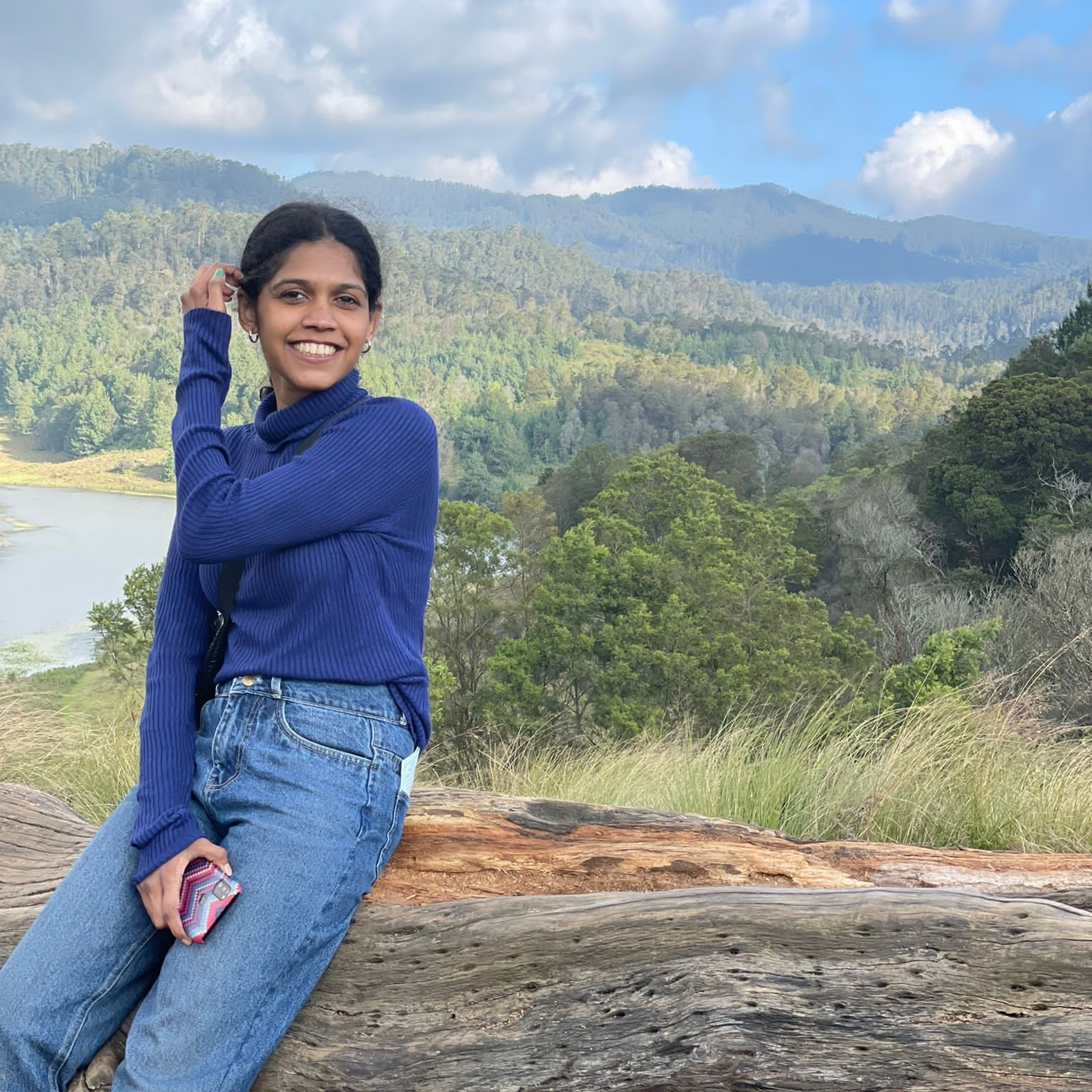
Ambili Narayanan
- Doctor of Philosophy (Natural and Physical Sciences)
- ambili.narayanan@my.jcu.edu.au

Sarfaraz Ali
- Postdoctoral Research Fellow
- sarfaraz.ali@jcu.edu.au
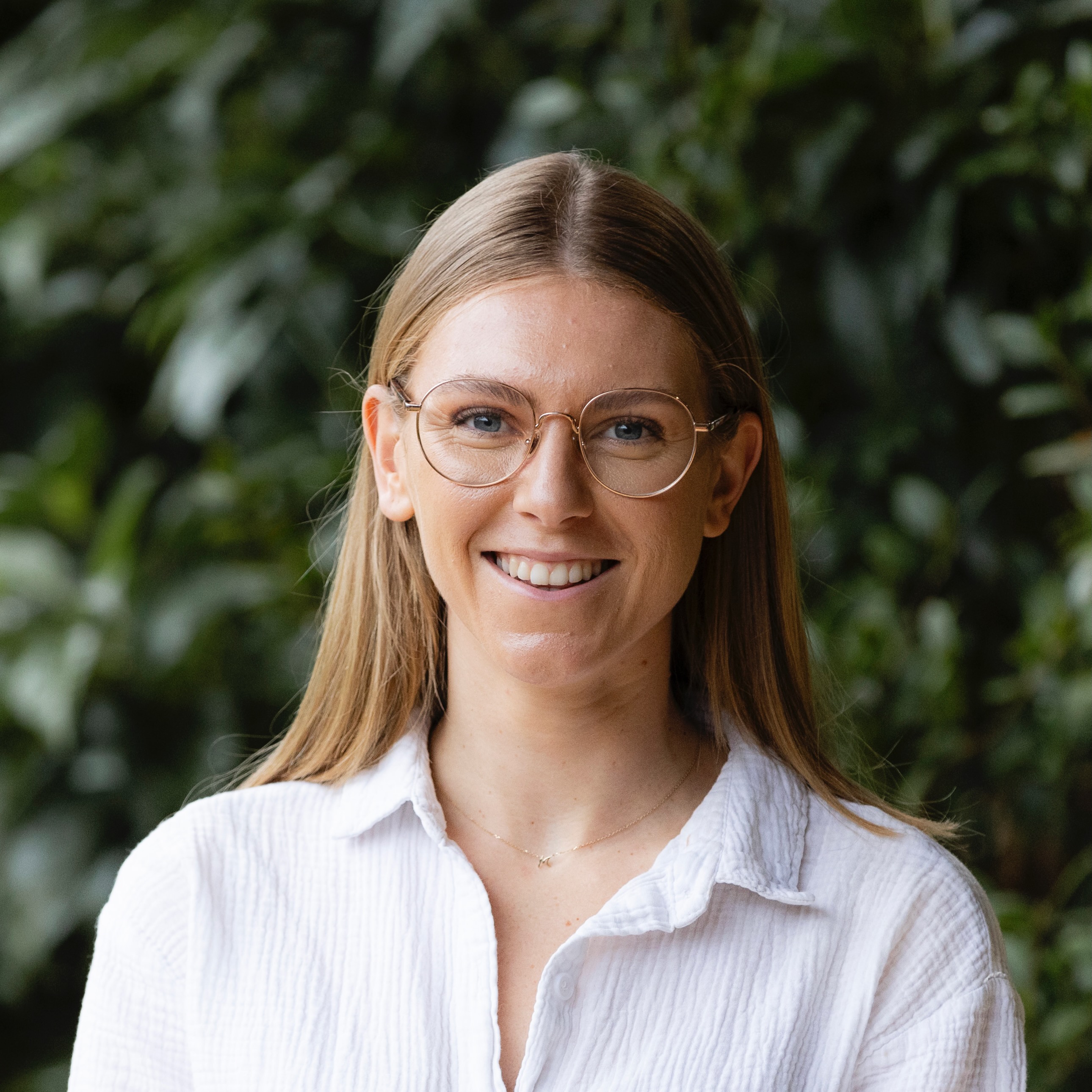
Mikaeylah Davidson
- Postdoctoral Research Fellow
- mikaeylah.davidson@jcu.edu.au
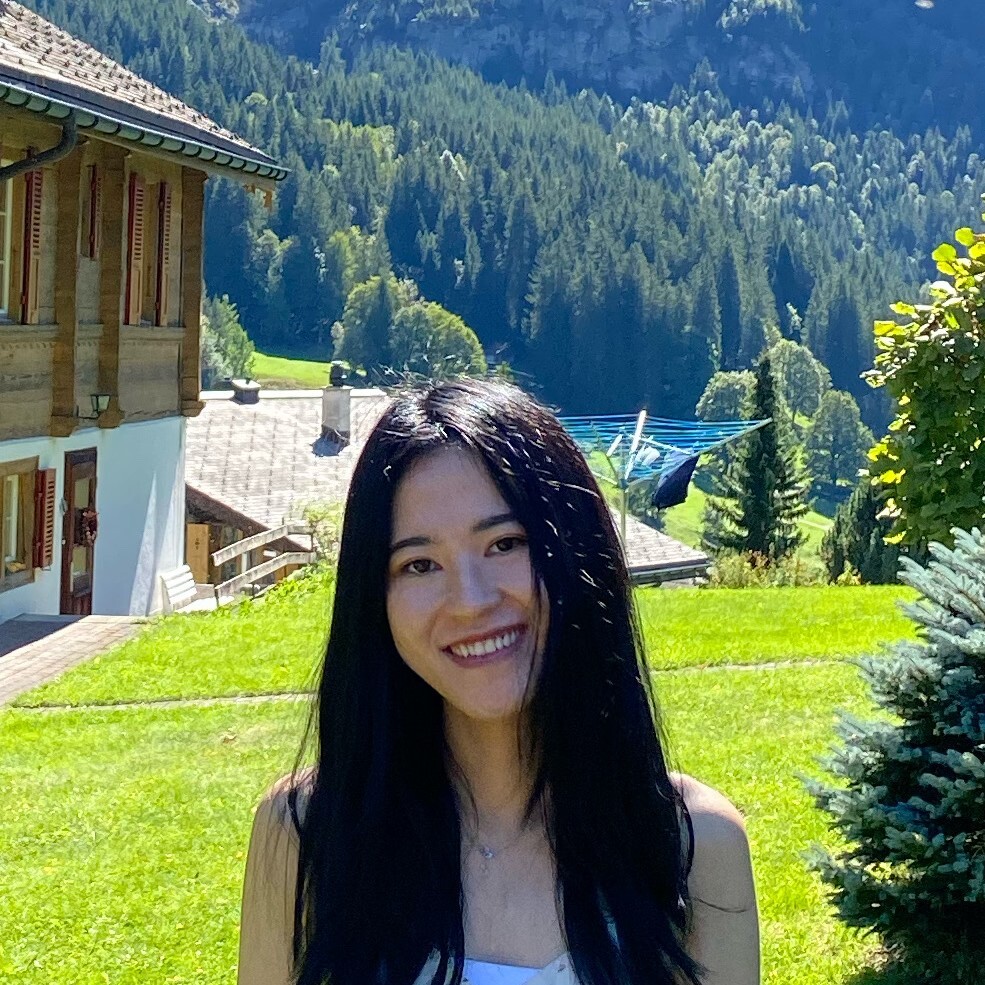
Liuxin Chen
- Adjunct Lecturer
- liuxin.chen@jcu.edu.au
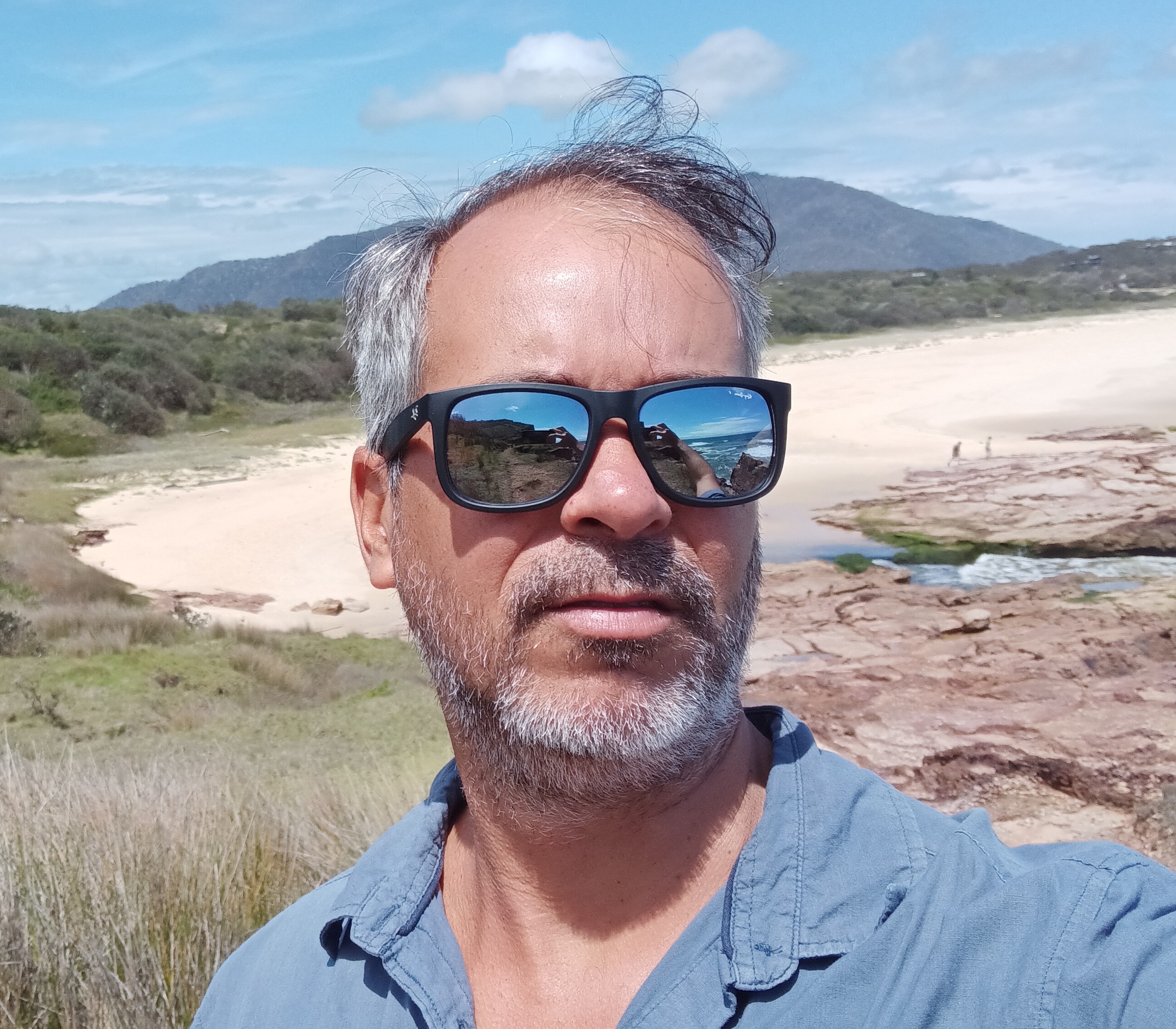
Rafael Cabral Carvalho
- Lecturer, Marine Geoscience
- rafael.cabralcarvalho@jcu.edu.au
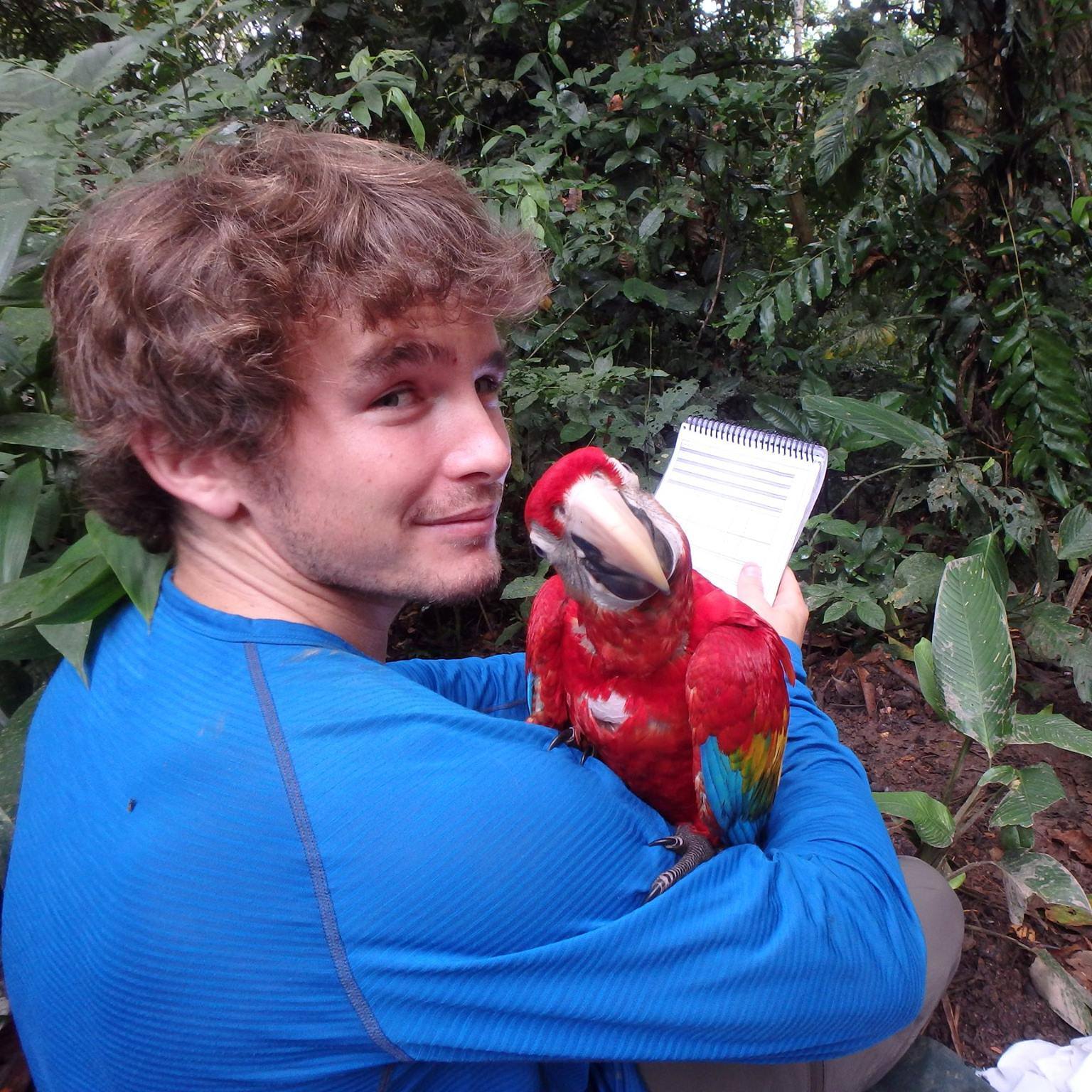
Tom Lloyd
- Postdoctoral Research Fellow, Global Ecosystems
- tom.lloyd@jcu.edu.au
Do tropical conifers differ fundamentally from angiosperms in CO2 response?
ARC Discovery Expression of Interest - DP250100943
Development of a culture based fishery for giant freshwater prawn in Sri Lankan reservoirs (Old ID 23638)
Giant freshwater prawn (GFWP) - Macrobrachium rosenbergii is a high value aquaculture species suited to culture-based fishery stocking into reservoirs in Sri Lanka. The project will develop a science based stocking strategy of hatchery reared juvenile prawns, to improve the yields of GFWP in reservoirs and design and use of fishing gear that will prevent damage to the animals. Socio-economic research will lead to a better understanding of the value chain to enable further improvements to the fishery. The research will ensure the fishery is profitable, efficient and sustainable in the long term. The research is part of an ACIAR Small Research Activity (SRA) that will form the basis of a larger, full four year project to follow on in 2019.
Does genome rearrangement enable adaptation in times of environmental change?
This project aims to investigate the role of genomic rearrangement in adaptation of marine animals during times of rapid past environmental change. By employing long-read genomic sequencing, powerful demographic analyses, and eco-evolutionary modeling this project expects to generate new knowledge regarding the impact of structural variation on population persistence during future environmental change. Expected outcomes of this project include models of future scenarios including climate change and the consequences of proposed genomic interventions. This should provide significant benefits for informing management interventions including assisted gene flow and assisted evolution.
Carbon dioxide removal through the enhanced weathering of basalt in acidic soils under sugarcane
Enhanced weathering (EW) offers a potential negative emissions technology. Modelling suggests significant carbon dioxide removal (CDR) but requires field verification. This study quantifies CDR through EW of basalt and examined the influence of soil pH. The experiment received five annual basalt applications of 50t/ha since 2018 and 2.5t/ha lime in 2022. Drainage flux meters were installed to capture leachate during the 2022/23 wet season, and bicarbonate was measured, indicating CDR. Cumulative bicarbonate was not significantly influenced by basalt or lime. CDR was negligible compared to potential bicarbonate generation, with strong acids found to limit in-field CDR. Nitric and organic acids found aligned with fertiliser application, microbial activity and plant root exudation. Acidic soils may require amelioration for CDR through EW, although the neutralising effect of basalt application may reduce CO2 evasion.
Macroalgal removal for reef restoration (Old ID 26442)
This project investigates the potential for restoration of reef ecosystems around Magnetic Island. It aims to remove macroalgae at varying frequencies and monitor changes in coral recruitment to develop best practices for the large-scale implementation of the technique to restore coral reefs impacted by macroalgal phase shifts. This grant is to support the project funded by Earthwatch Australia by increasing funds for field work.
The Science of Seafood: STEM Pathways through Aquaculture
To support the growth of Northern Australia’s Aquaculture industry, which will require between 1400 and 2300 new STEM-skilled staff by 2030 (CRCNA No.A.1.2021014 Report), this project will engage high school students in a series of interactive workshops designed to showcase aquaculture and highlight its range of attractive STEM career pathways. The workshops will be offered in key regional hubs of Queensland for aquaculture and economic development, including Cairns, Rockhampton, Whitsundays, and Townsville. Workshops will be structured as interactive, hands-on sessions at schools, designed to balance theoretical learning with practical application. The project goals are to raise awareness of aquaculture among the next generation and inspire students to pursue studies and careers in the field.
‘Planim Fiuja fo Yumi’ - Co-planning climate-smart and equitable livelihood futures with small-scale fishing communities through a participatory and integrated approach to community engagement. (Old ID 30038)
The project will implement a Participatory and Integrated Planning Approach (PIPA) trialled in a previous ACIAR project. The PIPA aims to equip small-scale fishing communities with the information, resources and capacity to pro-actively and autonomously strengthen their livelihoods towards more equitable, sustainable and climate-smart outcomes. The PIPA is underpinned by a risk-based spatial analysis that is used through participatory engagement activities to support a joint understanding of risk and strengths within local land and seascapes. The approach draws on local knowledge, decision making and governance arrangements to enhance customary community-based livelihoods planning, assessment, prioritising and action processes. This project will seek to adapt and extend the PIPA across Solomon Island contexts, and leverage opportunities to scale to other countries in the Pacific and Southeast Asia.
Organic matter, sodicity and soil structure
- 1998
- Oxford University Press
- Researchers:Paul Nelson
Start Date:
01 Jan 2022
End Date:
01 Jan 2022
Start Date:
24 Sep 2021
Start Date:
01 Jan 2021
End Date:
01 Jan 2022
Start Date:
01 Jan 2019
End Date:
01 Jan 2021
Start Date:
01 Jan 2017
End Date:
01 Jan 2019
Start Date:
01 Jan 2016
End Date:
01 Jan 2017
Start Date:
01 Jan 2013
End Date:
01 Jan 2016
Start Date:
01 Jan 2025
Start Date:
01 Jan 2025