
College of Healthcare Sciences

Lisa Shaw
- Doctor of Philosophy (Health)
- lisa.shaw@jcu.edu.au
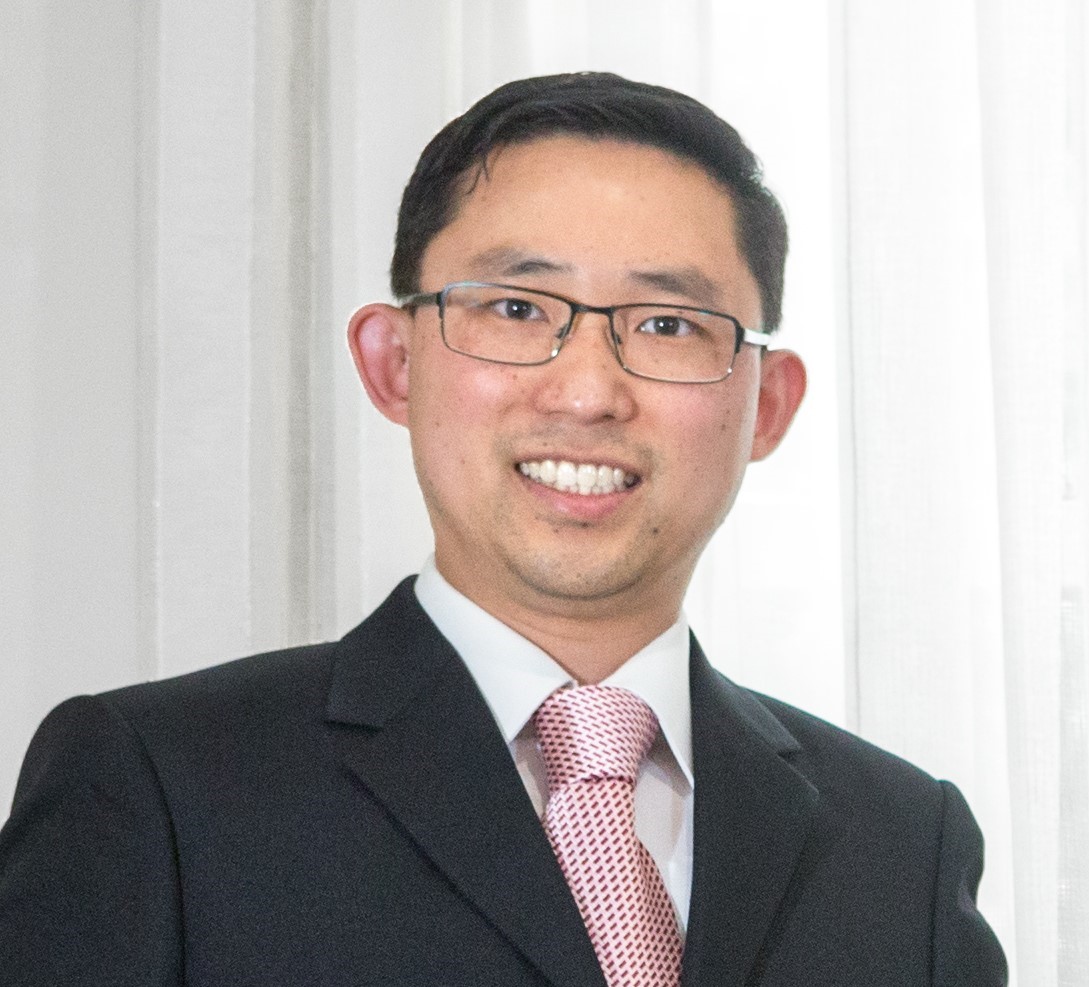
Stephen Yu
- Senior Lecturer, Nursing and Midwifery
- stephen.yu@jcu.edu.au

Karen Smith
- Lecturer, Nursing and Midwifery
- karen.smith6@jcu.edu.au
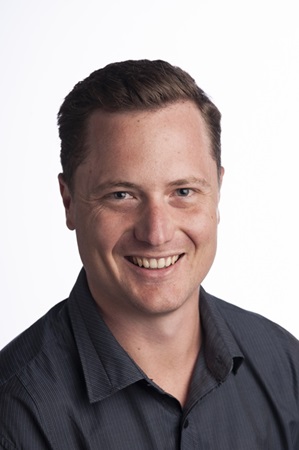
Chae Rose
- Lecturer, Psychology
- chae.rose@jcu.edu.au
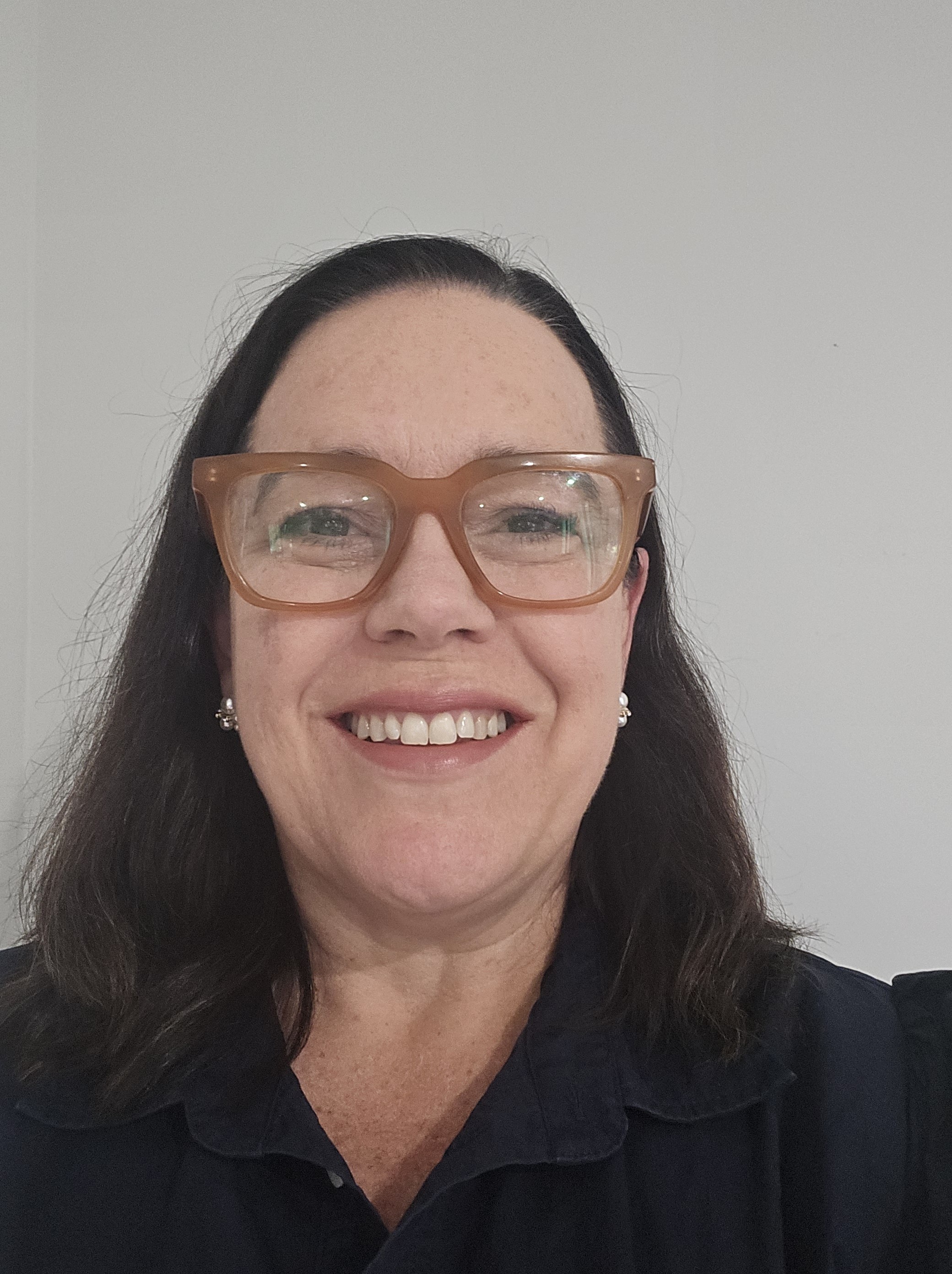
Helen Petsky
- Head, Nursing and Midwifery
- helen.petsky@jcu.edu.au

Lucy Bird
- Postdoctoral Research Fellow
- lucy.bird@jcu.edu.au

Matthew Yau
- Adjunct Professor
- matthew.yau@jcu.edu.au

Alyssia Merrick
- Doctor of Philosophy (Health)
- alyssia.merrick@jcu.edu.au

Louise Myles
- Adjunct Lecturer
- louise.myles@jcu.edu.au

Sandra Dash
- Lecturer
- sandra.dash@jcu.edu.au
Embedding best practice physical and health assessment and monitoring technology in Exercise Science and Exercise Physiology subjects to enhance learning, teaching and assessment.
Study Aims:
• to increase student exposure to industry-specific software and hardware
• To explore student’s confidence with using API integrated technology to capture, interpret and report data within SP2016, SP3016, SP3020 and SP5206
• To explore student perceptions of the use of such technology in the assessment, prescription and monitoring of exercise interventions
JCU Learning and Teaching Innovation Grant
Digital devices for assessment and digital skill development.
Project Smiling Gecko CAMBODIA - What Gaps can we impact?
Connar McShane
21 Oct 2025 - 23 Oct 2025
JCU's mission is to create a brighter future for life in the Tropics, and this project aims to increase JCU's impact on livelihoods in remote communities in SE Asia.
By working with NGO Smiling Gecko Cambodia (SGC) which supports the needy population in Cambodia, the team can contribute to their self sustaining, ecologically and economically vibrant activities that aligns with UN SDG goals 4(quality education), 12 (responsible consumption & production), 14 (life below water) and 17 (partnerships for the goals).
SGC runs a school for 500 students, a farm house resort that employs several hundred employees, grows food crops, and runs tilapia ponds at their 105-hectare site that benefits 30,000 Cambodians in surrounding villages. SGC is committed to continuing growth and seeking partnerships with universities to develop programs for the continuing education of its young community.
The team seeks to identify how we can partner with SGC to identify gaps where we can make a difference to the local population, and where we can make an impact on their operation by building capacity. We propose a 3 days/ 2 nights site study and stakeholder engagement in October 2025. The immediate output will be a blue print for our future work with SGC and other remote communities, how we participate in their continual growth and showcase as a working model for other remote communities in SE Asia. We will seek suitable future funding opportunities from international financial institutions such as the World Bank or the Asian Development Bank.
Conceptualisation and measurement of maternal-fetal bonding
Sam Teague
01 Jul 2025 - 31 Dec 2025
The purpose of this work is to build evidence relating to the (lack of) suitability of existing measures of maternal-fetal bonding for clinicians and researchers. Evidence of this nature will support our pitch for an ARC Discovery Project application to validate and test a new measure of the construct that is suitable for use in various populations (including CALD and Indigenous women).
Embedding best practice physical and health assessment and monitoring technology in Exercise Science and Exercise Physiology subjects to enhance learning, teaching and assessment.
Brian Heilbronn
22 Jul 2024 - 31 Dec 2025
The aim of this project is to introduce Application Programming Interface technologies and centralisation of reporting through TeamBuildr software along with increased access to velocity-based training (VBT; i.e. GymAware Flex) devices to increase student exposure to industry technology and related data collection, analysis and reporting processes. Familiarity of this functionality enables easy access to data and the ability for students to generate tangible reports for subject assessments and athlete/client needs, enhancing student employability and industry readiness.
Delivery of the Veterans’ Individualised Physical Education, Rehabilitation, Recovery and Reintegration (VIPER3) program
Brian Heilbronn
22 Jul 2024 - 31 Dec 2025
Study Aims:
• To identify the physical, mental and social benefits of an integrated program of mindfulness, exercise, and wellness in the community;
• To provide ‘proof-of-concept’ for delivery of the VIPER3 program across a larger cohort within the Australian community.
Military and some civil services (i.e. emergency and first responders), often expose personnel to traumatic experiences and injuries, increasing the risk of physical and mental health disorders (Australia Productivity Commission, 2019, Kyron et al., 2022). High levels of psychological distress are a significant issue for first responders in Australia (Beyond Blue, 2020; Kyron et al., 2022), with recent research indicating that first responders experience mental health problems at over twice the rate observed in the general population (Kyron et al., 2022; Muir et al., 2022). While transitioning to civilian life, veterans of the Australian Defence Force (ADF) face difficulties reconnecting with family, relating to people who do not understand military experiences, reintegrating into society and the workforce, and adjusting to a non-military way of life. In 2019, the Australian Government Productivity Commission noted that ‘[W]hile most ADF members successfully transition and re-establish civilian lives, many struggle to address the challenges they experience when they leave the military’ (Australia Productivity Commission, 2019). A key recommendation was to ‘prepare members for other aspects of civilian life, including the social/psychological aspects of transition’. Despite this, evidence-based programs targeting physical/mental health and reintegration are limited or minimally successful, as identified in our consultations with local veterans and military support organisations source?. Complex interactions between social and psychological wellbeing, and physical health has been confirmed in our prior work (Kerr et al., 2008) with veterans with holistic and sustainable programs needed to support veterans’ integration with the community. To address these shortcomings, a novel program of exercise and a peer or “battle-buddy” system (VIPER3 program), based upon a prior program in the US (Burgess et al., 2020), will be piloted. Further, mindfulness-based interventions were reported to significantly reduce depressive and Post Traumatic Stress Disorder (PTSD) symptoms, reduce perceived stress levels, improve relationships with families and workmates, and enhance emotion regulation and anger management (Burgess et al., 2020). Our VIPER3 project will integrate mindfulness with a “battle-buddy” exercise and wellness initiative to foster peer support among participants, aiding veterans’ physical/mental health and integration into the community.
Exploring Student Perspectives on Generative artificial intelligence Integration in Education
Students are increasingly using GenAI, but institutional practices and educator approaches to GenAI integration remain varied and sometimes restrictive. Understanding how students navigate these tensions is critical to informing effective and ethical educational practices.
This project investigates CHS students’ perspectives on the integration of GenAI into their education. Specifically, it will explore: 1) Student GenAI use in learning: This includes their usage patterns, challenges faced, and their views on current institutional policies and practices. and 2) Educator GenAI use in teaching: This covers student perceptions of GenAI-generated educational materials, its role in assessments, and their views on how GenAI should be effectively integrated into teaching and learning practices.
Leveraging AI simulations for allied health education: Pilot study for Psychology
Healthcare students require hands-on experience to develop critical clinical competencies. Recent advances in Large Language Models (LLMs) enable virtual simulations where students can practice their skills in a safe environment. While commercial options exist, they often raise safety concerns and restrict features behind paywalls. IDA (Interactive Dialogue Agent) is a customisable LLM-powered virtual patient simulator with speech capabilities. IDA is specifically designed for healthcare education with built-in safety measures. This project will test IDA with psychology students to determine its effectiveness before expanding to other healthcare disciplines, ultimately providing students college-wide (and university-wide) dynamic and scalable simulations.
GenAI in the classroom: Transforming Assessment Practice
Our project will examine both the student and educator perspectives, aiming for high-impact outcomes:
• Phase 1-2 will assess AI's impact on students’ learning and assessment, informing AI literacy frameworks, assessment reforms and development of OER guides for ethical and critical use of AI.
• Phase 3 will focus on educator’s perspectives, guiding future professional development programs. A resource toolkit for educators will be developed to teach AI literacy to staff and reduce bias in evaluating AI-assisted student work.
• Findings from all phases will be presented at conferences and published in academic journals positioning JCU as a leader in AI-integrated assessment reform.
Developing a psychology resource library (TAP Grant)
https://www.jcu.edu.au/library/open/textbook-affordability-project-2024-2025/2024-textbook-affordibility-project-tap-grants
One nurse's experience with the effects of assumptions and judgements on practice.
- 2005
- Researchers:Pauline Calleja
Inca trail porters : the health of local tourism employees as a challenge for travel medicine
- 2003
- Wiley-Blackwell
- Researchers:Irmgard Bauer
Health advice in Australian travel brochures
- 2002
- Decker Periodicals
- Researchers:Irmgard Bauer
Geographic information systems and travel health
- 2002
- Decker Periodicals
- Researchers:Irmgard Bauer
Influence of age and moderate-intensity exercise training on heart rate variability in young and mature adults
- 2003
- Human Kinetics
- Researchers:Anthony LeichtAndrew Hoey
Influence of intensive cycling training on heart rate variability during rest and exercise
- 2003
- NRC Reserch Press
- Researchers:Anthony LeichtAndrew Hoey
Health psychology: biopsychosocial interactions. An Australian perspective
- 2002
- John Wiley & Sons
- Researchers:Marie Caltabiano
Start Date:
01 Jan 2018
End Date:
01 Jan 2020
Title:
JCU Inclusive Practice Award
Start Date:
01 Jan 2024
Start Date:
30 Mar 2021
Start Date:
21 Aug 2021
Start Date:
01 Jan 2022
Start Date:
01 Jan 2021
Start Date:
01 Jan 2021
Title:
Altmetric Award
Start Date:
01 Jan 2020
Title:
Inclusive Practice Award
Start Date:
01 Jan 2024