
College of Business, Law & Governance
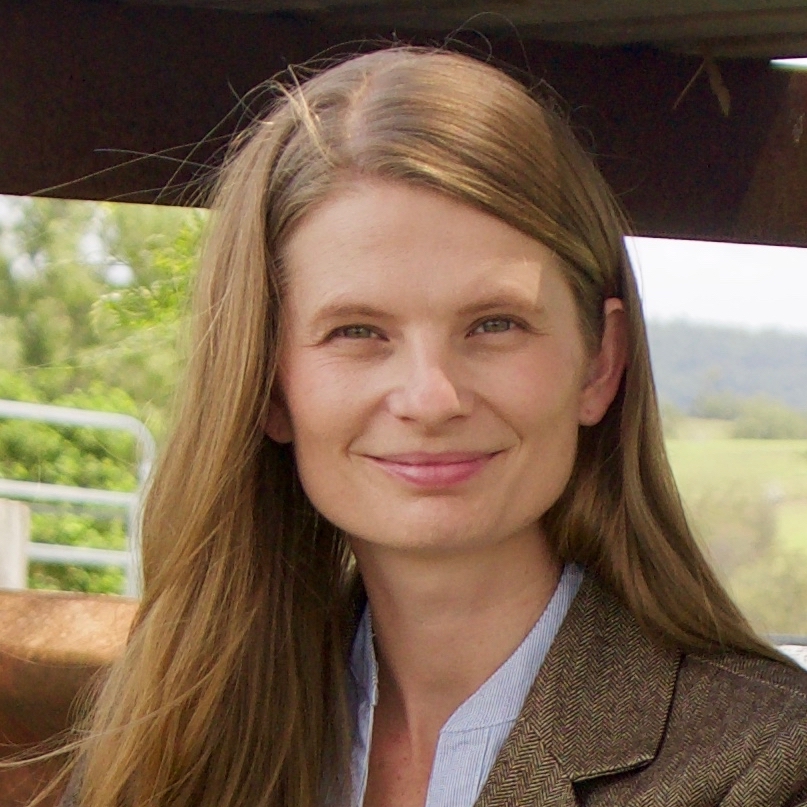
Carrie Wilson
- Senior Research Officer
- carrie.wilson1@jcu.edu.au

Louise Floyd
- Associate Professor
- louise.floyd@jcu.edu.au

Karnika Bansal
- Lecturer
- karnika.bansal@jcu.edu.au

Skye Zhu
- Lecturer, Financial Accounting/Auditing
- skye.zhu@jcu.edu.au
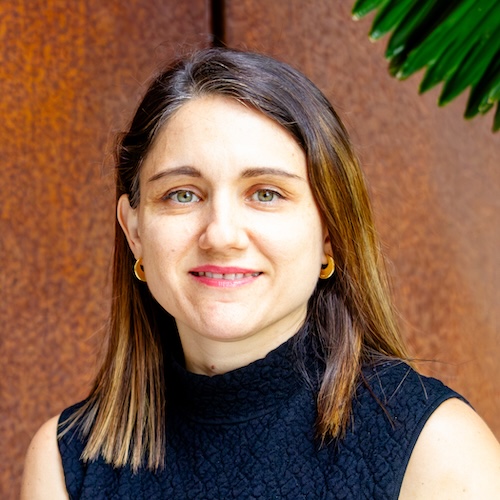
Diana Castorina
- Lecturer, Economics
- diana.castorina@jcu.edu.au
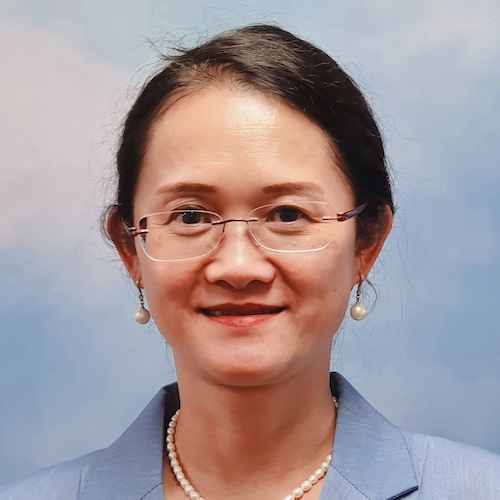
Zhanming Liang
- Associate Dean, Research Education
- zhanming.liang@jcu.edu.au
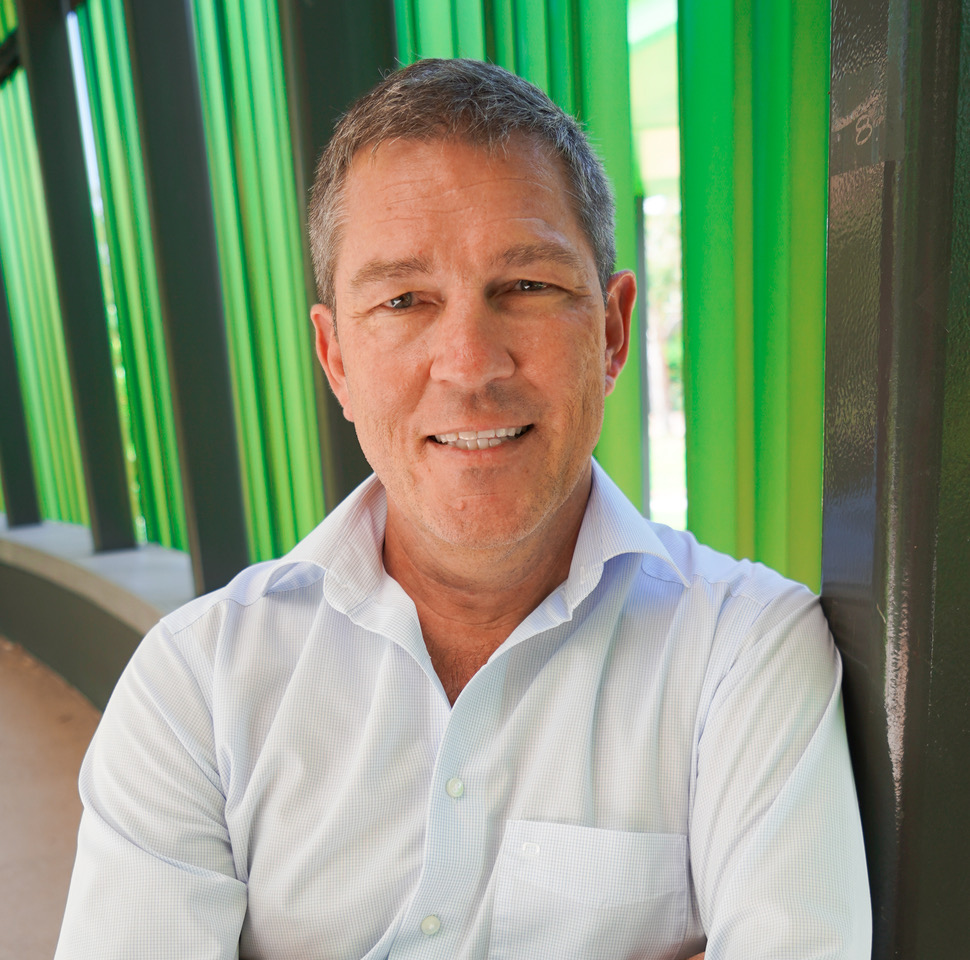
Siggi Gudergan
- Professor of Strategy
- siggi.gudergan@jcu.edu.au
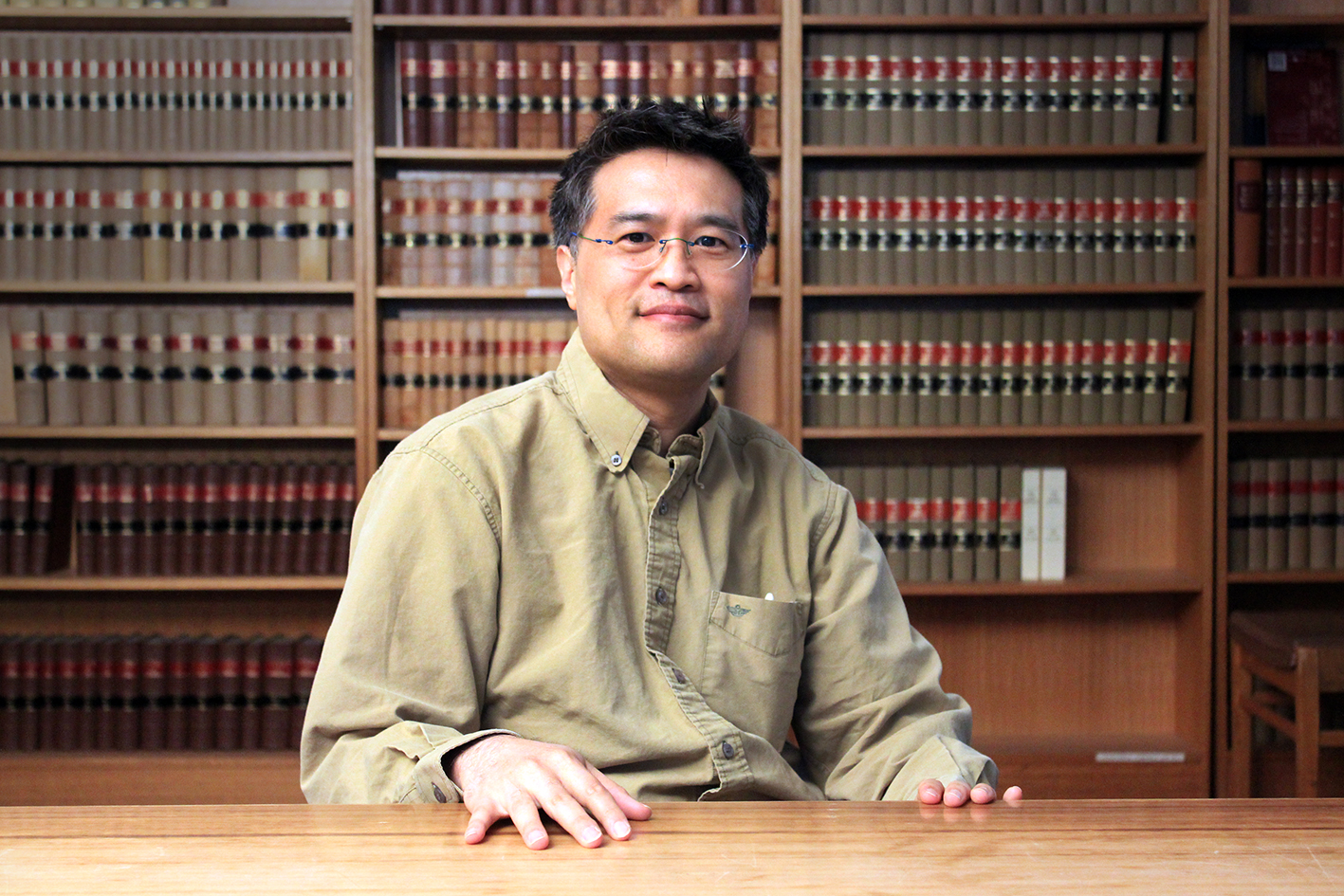
Barry Yau
- Lecturer, Law
- barry.yau@jcu.edu.au

Eijaz Khan
- Adjunct Senior Lecturer
- eijaz.khan@jcu.edu.au

Arusha Cooray
- Adjunct Professorial Research Fellow
- arusha.cooray@jcu.edu.au
Harnessing the science of social marketing and behaviour change for improved water quality in the GBR: an action research project (Old ID 22493)
Rachel Hay
01 Jan 2016 - 10 Dec 2018
Working in partnership with staff from the Australian Government's DOtE, DSITI and DEHP, this project will use data collected from land managers and elsewhere to critically evaluate the way water quality improvement programmes are 'marketed'. It will use insights from those evaluations to inform the reconfiguration of marketing and engagement strategies associated with programmes scheduled for roll-out during 2017, demonstrating methods for monitoring and assessing the extent to which these different programmes and changed strategies improve adoption and alter behaviours.
Tropical North Queensland Drought Resilience Adoption and Innovation Hub (Old ID 27718)
Rachel Hay
01 Apr 2022 - 31 Aug 2024
The TNQ Agricultural Innovation Hub is anchored as part of the established TNQ Drought Hub and will sit within the JCU ideas Lab in Cairns – on the traditional land of the Yirrganydji people. Under the TNQ Agricultural Innovation Hub (as part of the broader TNQ Drought Hub) JCU will bring together producers, agriculture companies, supply chain businesses, innovators, start-ups, investors, and researchers to drive agricultural innovation in Northern Australia. The TNQ Agricultural Innovation Hub can also leverage the expertise of JCU’s Innovation Advisory Committee (IAC) and Scientific and Technical Advisory Committee (STAC) as/when required to support new project concepts.
Evaluation of Early Implementation of the Connect to Wellbeing Service (Old ID 26154)
Josephine Pryce
01 Aug 2018 - 30 Jun 2020
The project team will provide: * Independent analysis and interpretation of de-identified data provided by Neami National; * A research report for Neami national's internal use; * A research paper for publication in peer reviewed journal in collaboraltion with Dr Ennals and Neami staff.
e-beef Evaluation Project. (Old ID 27641)
Carrie Wilson
11 May 2022 - 30 Sep 2022
The project will evaluate the outcomes of the e-beef Project. The e-beef project worked with selected grazing businesses (Smart Farms) and groups of grazing businesses (Innovation Hubs) in regional Qld to demonstrate and trial innovative technologies that aimed to improve the accuracy and timeliness of livestock perfrmance and pasture data. It was expected that the e-beef project would assist grazing businesses to make informed management decisions based on recorded data. The e-beef evaluation project outsomes will inform future research and activity in Innovation and Commercialisation Projects.
Telemedicine: New Horizon in Management of Diabetic Foot Ulcer in Rural/Remote Australia (Old ID 22267)
Rafiuddin Ahmed
01 Aug 2015 - 31 Jul 2022
Diabetic Foot Ulcer (DFU) is a serious complication causing >80% of diabetic lower limb amputations. Compared to Australian major cities, rural/remote areas experience two to three times higher rate of hospitalisation and limb amputation. A program that effectively manages foot ulcers and reduces hospital admissions could substantially reduce the cost of care in diabetes. Supervised care of trained rural nurses with the help of information technology may help solve the scarcity of diabetes would care specialists in the underserved communities. This proposal seeks to assess clinical and economic impact of telemedicine in the management of foot ulcers in rural/remote Australia.
Redefining E-waste Management: Circular Economy Business Models in Action’
Reza Akbari
27 May 2024 - 31 Jul 2025
The Queensland Government has implemented the 'E-Products Action Plan 2023–2033' with the vision of transforming Queensland into a zero-waste society by 2050. This comprehensive plan aims to minimise waste generation by emphasizing avoidance, reuse, and recycling practices. Queensland-based volunteer organizations can play a vital role in this initiative. However, the traditional approaches they use often fall short of addressing the environmental and social impact. The proposed research will introduce innovation by embedding circular economy principles into the existing model of volunteering organizations to address the challenges associated with responsible recycling. The objectives of this project is to develop a ‘blueprint’ that will be flexible and can be used by national and local volunteers, local and state government, civil society, the private sector, and local communities.
Climate-Smart Agriculture Program - Capacity Building: Regional Soil Coordinators
Rachel Hay
01 Jul 2024 - 30 Jun 2028
This grant forms part of the Capacity Building element of the Climate-Smart Agriculture Program, which includes up to $6.260 million to support the continuation of a national network of Regional Soil Coordinators. The Regional Soil Coordinators grant opportunity recognises that healthy and fertile soil underpins sustainability, improving the productivity and profitability of the agriculture industry and delivering wider community and environmental benefits. This opportunity focuses on soil extension activities, which aims to give farmers and landholders – including First Nations peoples - the practical tools and information they need to make evidence-based decisions.
Harnessing the science of social marketing in communication materials development and behaviour change for improved water Quality in the GBR a desktop review (Old ID 23130)
Rachel Hay
01 Jan 2017 - 10 Dec 2017
This project extends project 2.1.3 which contains an analysis of communications to land holders for the Reef Trust Tender-Burdekin and the Reef Programme concerning readability, message framing, message tone and visual imagery, factors that significantly impact on message acceptance, engagement and adoption of recommended behaviours. The analysis identified that 1. Material is written in too complex language 2. Message tone may be a barrier 3. Visual imagery may have unintended effects These findings have implications across wider programs and there has been considerable interest in extending this analysis to assist in developing and revising foundational material and messages.
Tropical North Queensland Drought Resilience Adoption and Innovation Hub (TNQ Hub)
Rachel Hay
16 Jun 2021 - 30 Jun 2027
This project will establish, implement and manage the TNQHub (“Hub”) activities including collaborative research, development, extension, adoption and commercialisation (RDEA&C). The Hub will help Australian farmers and communities become more prepared for, and resilient to, the impacts of drought. The objective is to invest in RDEA&C activities, which involves: - Cross-sectoral innovative and transformative RDEA&C - Focus on the needs of end users, involving them in the co-design and adoption phases of research and development - Delivery of effective communication of new and existing knowledge and technologies - Co-investment in national drought resilience RDEA&C priorities with collaboration and co-design between governments, primary producers, community groups, research and training provider
Clinical and Economic Impact of Telemedicine in Management of Diabetes Foot Ulcer in Rural/Remote areas of North Queensland: A Pilot Study (Old ID 21930)
Rafiuddin Ahmed
01 Jan 2015 - 31 Dec 2016
Currently subjects with Diabetic foot ulcers living in rural/remote areas in the region have to travel long distances to Townsville Hospital Diabetes Centre (THDC) on a weekly basis for would care. The annual Medicare cost for care in patients with diabetes who have foot ulcer is 3 times, with inpatient care accounting for 70% of ulcer care costs. We aim to undertake a program that effectively manages foot ulcers and reduces hospital admissions could substantially reduce costs of care in diabetes. We plan to use telemedicine to help solve the scarcity of specialist diabetes would care in underserved communities.
Assessing research impact: Australian Research Council criteria and the case of Family Wellbeing research
- 2019
- Pergamon Press
- Researchers:Leigh-Ann OnnisFelecia Watkin
When pop culture meets tourism
- 2016
- Economic Development Australia
- Researchers:Valeriya Radomskaya
40 years on Piccigallo’s ‘Japanese On Trial’ is still a useful text for War Crimes research
- 2019
- Researchers:Jamie Fellows
Beyond mere deterrence: rethinking criminal justice policies for North Queensland
- 2018
- James Cook University
- Researchers:Mark David ChongJamie Fellows
Start Date:
23 Jun 2021
Start Date:
26 Sep 2017
Start Date:
29 Jan 2021
Start Date:
06 Aug 2024
Start Date:
10 Jan 2019
Start Date:
03 Aug 2022
Start Date:
25 Sep 2017
Start Date:
01 Jan 2019
End Date:
01 Jan 2024
Start Date:
01 Jan 2017
End Date:
01 Jan 2017
Start Date:
01 Jan 2010
End Date:
01 Jan 2015