
College of Business, Law & Governance
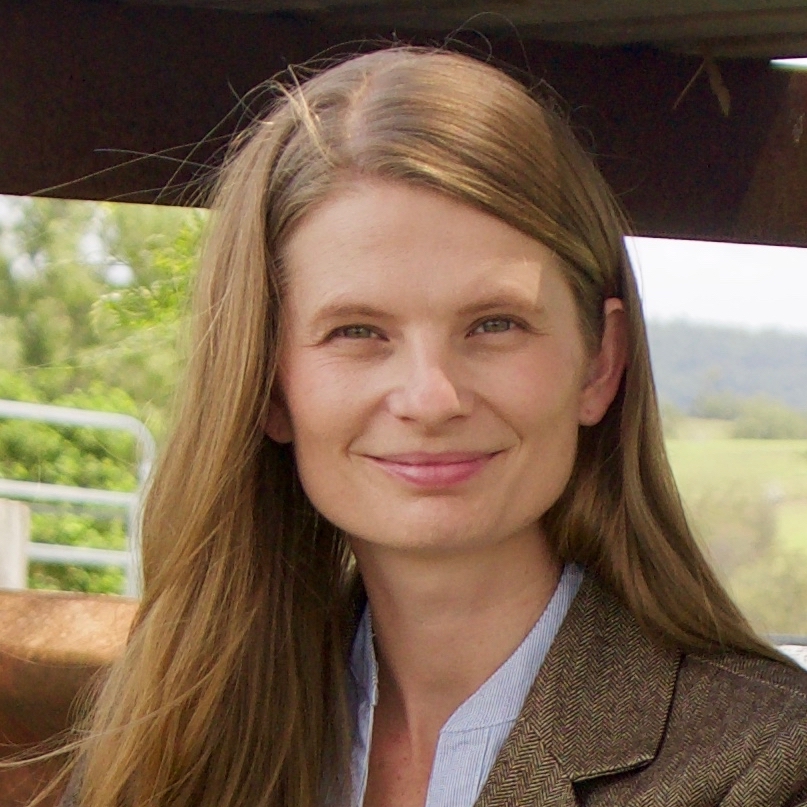
Carrie Wilson
- Senior Research Officer
- carrie.wilson1@jcu.edu.au
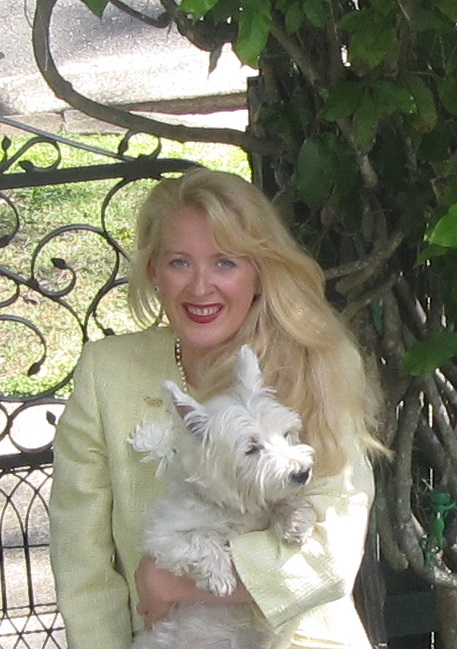
Louise Floyd
- Associate Professor
- louise.floyd@jcu.edu.au

Karnika Bansal
- Lecturer
- karnika.bansal@jcu.edu.au

Skye Zhu
- Lecturer, Financial Accounting/Auditing
- skye.zhu@jcu.edu.au
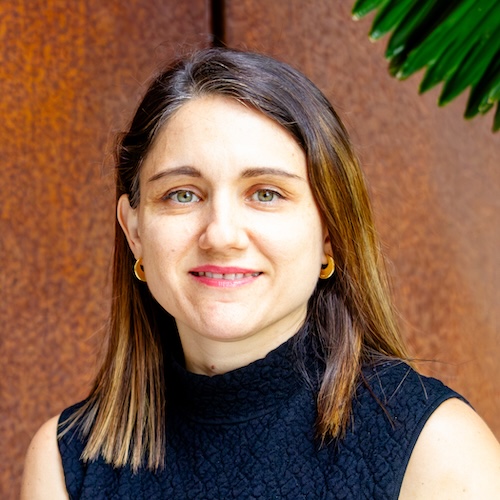
Diana Castorina
- Lecturer, Economics
- diana.castorina@jcu.edu.au
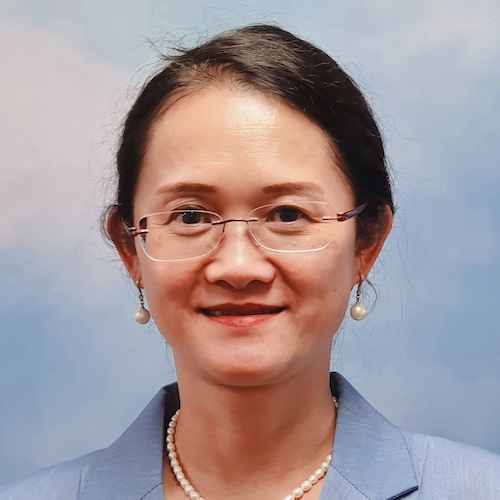
Zhanming Liang
- Professor, Health Systems Management & Policy
- zhanming.liang@jcu.edu.au
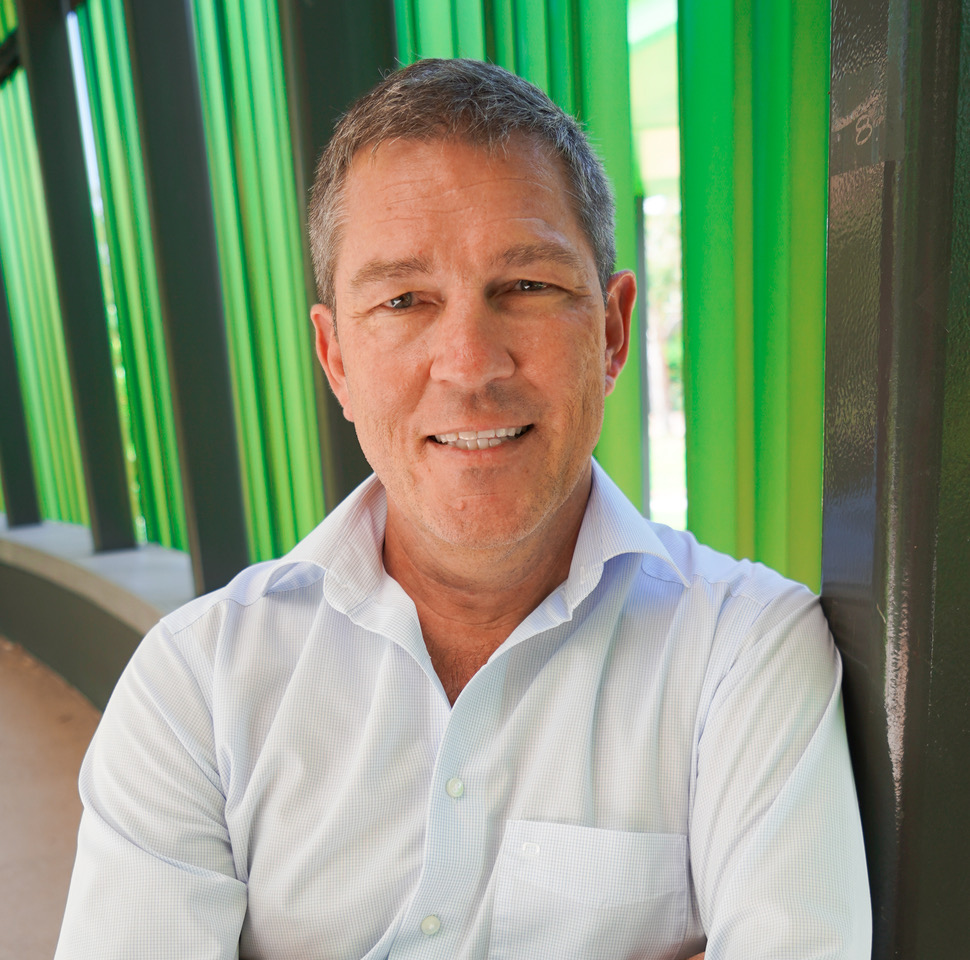
Siggi Gudergan
- Professor of Strategy
- siggi.gudergan@jcu.edu.au
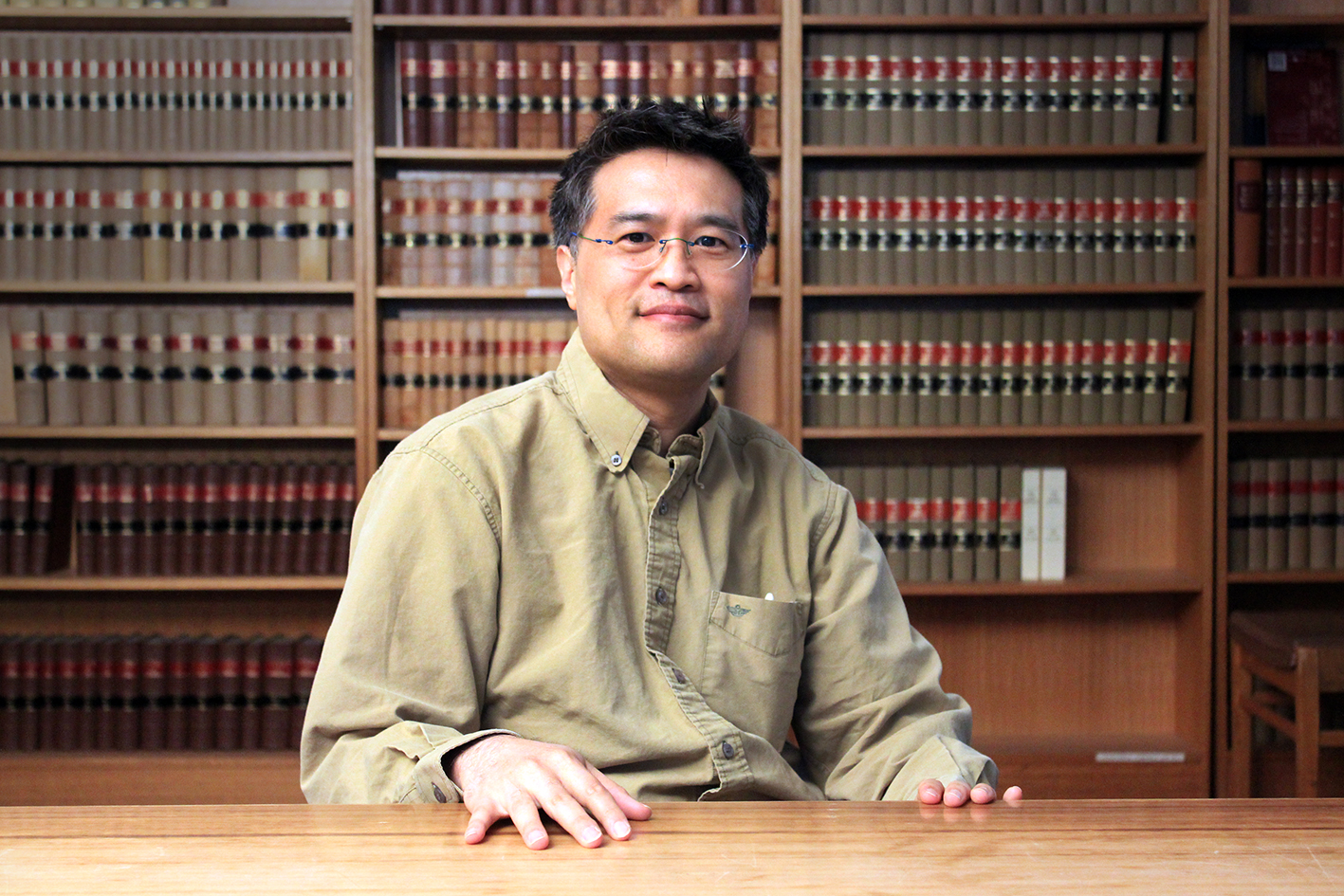
Barry Yau
- Lecturer, Law
- barry.yau@jcu.edu.au
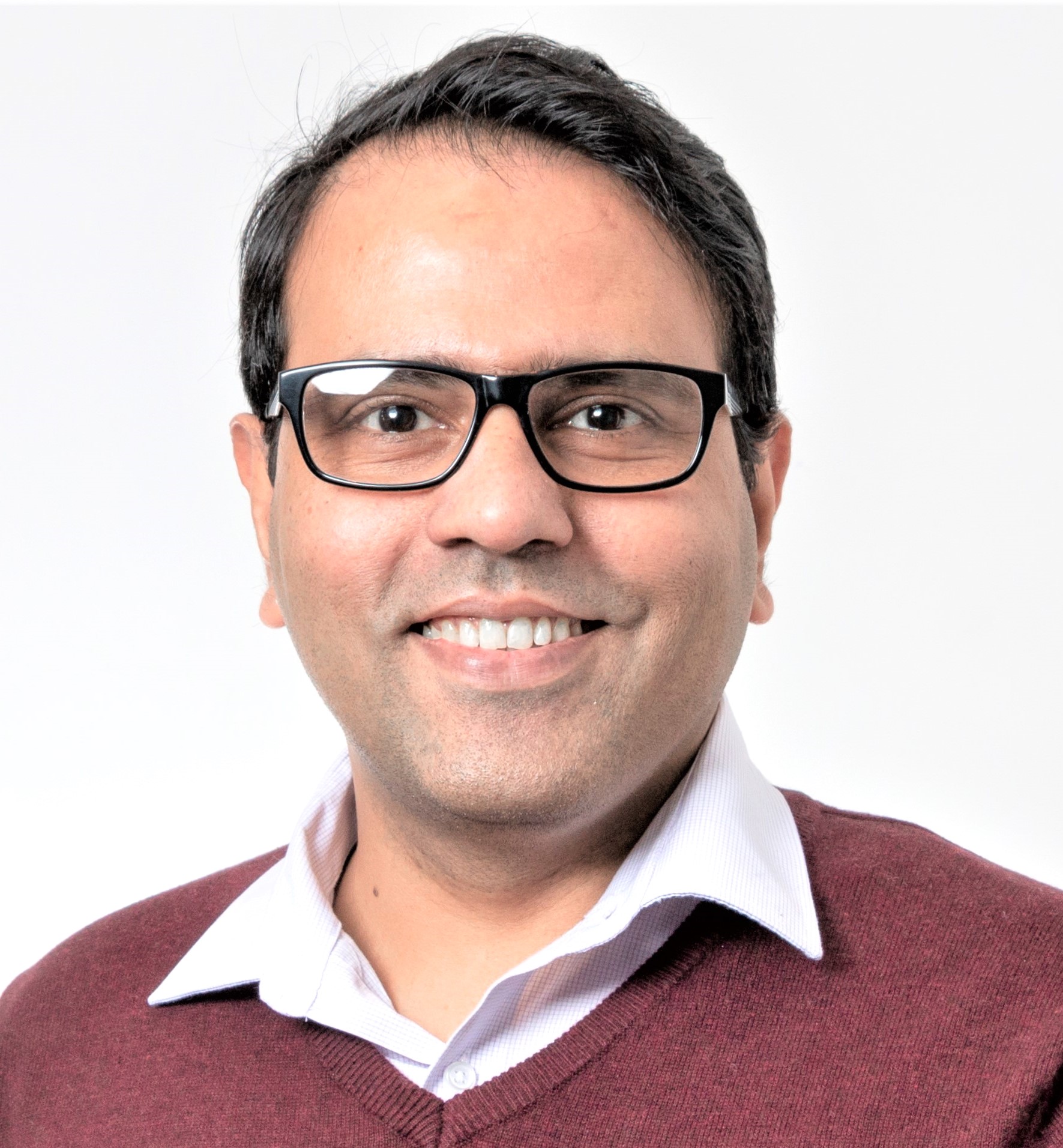
Eijaz Khan
- Adjunct Senior Lecturer
- eijaz.khan@jcu.edu.au

Arusha Cooray
- Adjunct Professorial Research Fellow
- arusha.cooray@jcu.edu.au
Tourism Knowledge Cluster (Old ID 22892)
The aim of the Knowledge Cluster is to form a co-operative data collection and sharing network comprised of stakeholders in the region, including a range of tourism operators working in partnership with the College of Business, Law and Governance at James Co o k University and facilitated by Townsville Enterprise (TEL) as a key agent for knowledge transfer and dissemination to its members. The prime focus of the network will be the development and implementation of an online visitor survey which will provide destination stakeholders with real-time access to data on the profile, preferences and satisfaction of visitors to the region. In addition, market intelligence reports which provide data insights will be disseminated by TEL via its membership base, and two tourism futures workshops - which present detailed data analysis and expert knowledge of JCU tourism academics on global tourism trends - will ensure that the visitor data collected is transferred into knowledge which can facilitate tourism product innovation in the region.
Connected urban tropics project (Old ID 22840)
City wide data can be utilised to better understand what is happening in the region and to better manage scarce resources. For example, city-wide data, such as energy and water, are generated by numerous parties and could provide patterns of utilisation to the Cairns and Townsville City Councils to manage local uses in city planning. Connecting and integrating distributed data from research, public and private sector agencies would empower better investment decisions for sustainable development in urban centres.
Terrestrial Systems Research Data Services (Old ID 22125)
The objectives of the RDS project are to mature sustainable data services that deliver research outcomes and impact by: Refocusing of RDSI infrastructure into Data as a Service in support of research communities with petascale data challenges. Secondly, consolidating the linkages and alignments, where appropriate, with other Commonwealth-funded (NCRIS and Super Science) e-infrastructure investments.
How does the “stand-back” requirement improve risk assessment? The use of root cause analysis (Old ID 30042)
The “stand-back” requirement is a newly added provision found in global audit standards such as Australian auditing standard ASA 220 (Revised), ISA (UK) 240 and international auditing standard ISA 315 (Revised) (FRC 2022; IAASB 2019; AUASB 2021a; AUASB 2021b). The standards require an auditor to reconsider and re-evaluate whether all significant transactions, balances and disclosures have been identified once the risk assessment has been completed (AICPA 2020; KPMG 2020). We experimentally investigate whether the presence of “stand-back” requirement and the types of learning examples in root cause analysis can jointly influence auditors’ fraud risk assessment decisions.
Profile of recreational fishers in Tasmania: understanding experiences, behaviours, drivers, communication needs and change factors (Old ID 27828)
The project is a key initiative under the Flathead for the Future program. In broad terms, the Project aims to enhance the sustainability of the Tasmanian flathead fishery through management settings and responsible fishing initiatives. In doing so, the project will better understand flathead fishers to: 1) develop settings that are widely acceptable, and; 2) inform the development, promotion and targeting of engagement and outreach activities. PI will provide expert input to profiling and segmentation work undertaken from past rec fishing datasets that are available within Tasmanian and will also provide guidance and input on a dedicated 'flathead fishing' survey to be conducted as part of the project.
Improving Environmental Outcomes on Conserved and Managed Lands (Old ID 31153)
This project will review private-land conservation programs against the draft Australian OECM framework criteria to indicate the types of programs that are likely to qualify. Based on this review, programs that are near OECM standard but that fall short on key criteria, such as actively managing for biodiversity outcomes, will be considered for place-based research. Within programs, the research will design and deploy interventions to support landholders to manage their land consistent with OECM criteria and track the outcomes of this management over time to demonstrate enduring biodiversity outcomes. The research will demonstrate if the hypothesised benefits to both biodiversity and participants of these programs (e.g. increased nature connectedness) hold true. If our findings are positive, we expect these interventions could be added to private-land conservation programs in other jurisdictions.
Project-level blue carbon ecosystem restoration benefits measurement, verification and accounts: for the Mungalla Blue Carbon Project (Old ID 31211)
The Mungalla Blue Carbon Project relates to wetlands restoration works being completed by a team including Greening Australia and JCU TropWater, working in partnership with the Nywaigi Traditional Owners. This Mungalla Blue Carbon Accounting project seeks to prepare ecosystem accounts to present the restoration benefits arising from the Nywaigi Traditional Owners from the wetlands restoration. The project will develop and test methods for accounting for these benefits, and will inform DCCEEW guidelines for the preparation of ecosystem accounting for such projects in the future.
Blended Living Lab for Nurturing Circular-Entrepreneurships among Australian and Arab Entrepreneurs
To promote circular-entrepreneurship on the Australian-Arab, a Blended Living Lab (BLL) will be established in collaboration with James Cook University, Abu Dhabi University, UAE, and King Abdul Aziz University, Saudi Arabia. To accomplish this, First, the BLL will conduct three workshops with 30 attendees each in the UAE, Saudi Arabia, and Australia, organise 5-6 online knowledge sharing sessions, and create a portable training package called 'Designing Circularity into Business Models and Products' (DCBMP). Second, using DCBMP, we will conduct one online training sessions to build the capacity of 30 entrepreneurs in circular business models/products to accelerate innovation and create startups. Third, upon completion of the project, the BLL will be equipped with world-class online labs, and we will brand/market the BLL subscription model globally/Arab regions at nominal fees. Finally, through this approach, our project aims to enhance awareness/understanding among Australian-Arabs, maximise public diplomacy/economic opportunities, build strong community/institutional relationships, and increase recognition in the Arab.
Redefining E-waste Management: Circular Economy Business Models in Action’
The Queensland Government has implemented the 'E-Products Action Plan 2023–2033' with the vision of transforming Queensland into a zero-waste society by 2050. This comprehensive plan aims to minimise waste generation by emphasizing avoidance, reuse, and recycling practices. Queensland-based volunteer organizations can play a vital role in this initiative. However, the traditional approaches they use often fall short of addressing the environmental and social impact. The proposed research will introduce innovation by embedding circular economy principles into the existing model of volunteering organizations to address the challenges associated with responsible recycling. The objectives of this project is to develop a ‘blueprint’ that will be flexible and can be used by national and local volunteers, local and state government, civil society, the private sector, and local communities.
Redefining E-waste Management: Circular Economy Business Models in Action
The Queensland Government has implemented the 'E-Products Action Plan 2023–2033' with the vision of transforming Queensland into a zero-waste society by 2050. This comprehensive plan aims to minimise waste generation by emphasizing avoidance, reuse, and recycling practices. Queensland-based volunteer organizations can play a vital role in this initiative. However, the traditional approaches they use often fall short of addressing the environmental and social impact. The proposed research will introduce innovation by embedding circular economy principles into the existing model of volunteering organizations to address the challenges associated with responsible recycling. The objectives of this project is to develop a ‘blueprint’ that will be flexible and can be used by national and local volunteers, local and state government, civil society, the private sector, and local communities.
Analysing qualitative case study evidence: the case of management accounting research
- 2004
- Anmol Publications
- Researchers:Rafiuddin Ahmed
The semantic reef: managing complex knowledge to predict coral bleaching on the Great Barrier Reef
- 2007
- Researchers:Ian Atkinson
Start Date:
08 Nov 2016
Title:
James Cook University researchers hard at work on scientific breakthroughs, Townsville Bulletin
Start Date:
29 Jan 2017
Start Date:
14 Jan 2020
Start Date:
09 Nov 2020
Start Date:
01 Jan 2021
End Date:
01 Jan 2022
Start Date:
01 Jan 2017
End Date:
01 Jan 2018
Start Date:
01 Jan 2009
End Date:
01 Jan 2013
Start Date:
01 Jan 2006
End Date:
01 Jan 2008
Start Date:
01 Jan 1999
End Date:
01 Jan 2002
Title:
PhD, Curtin University