
Tropical Water & Ecosystems
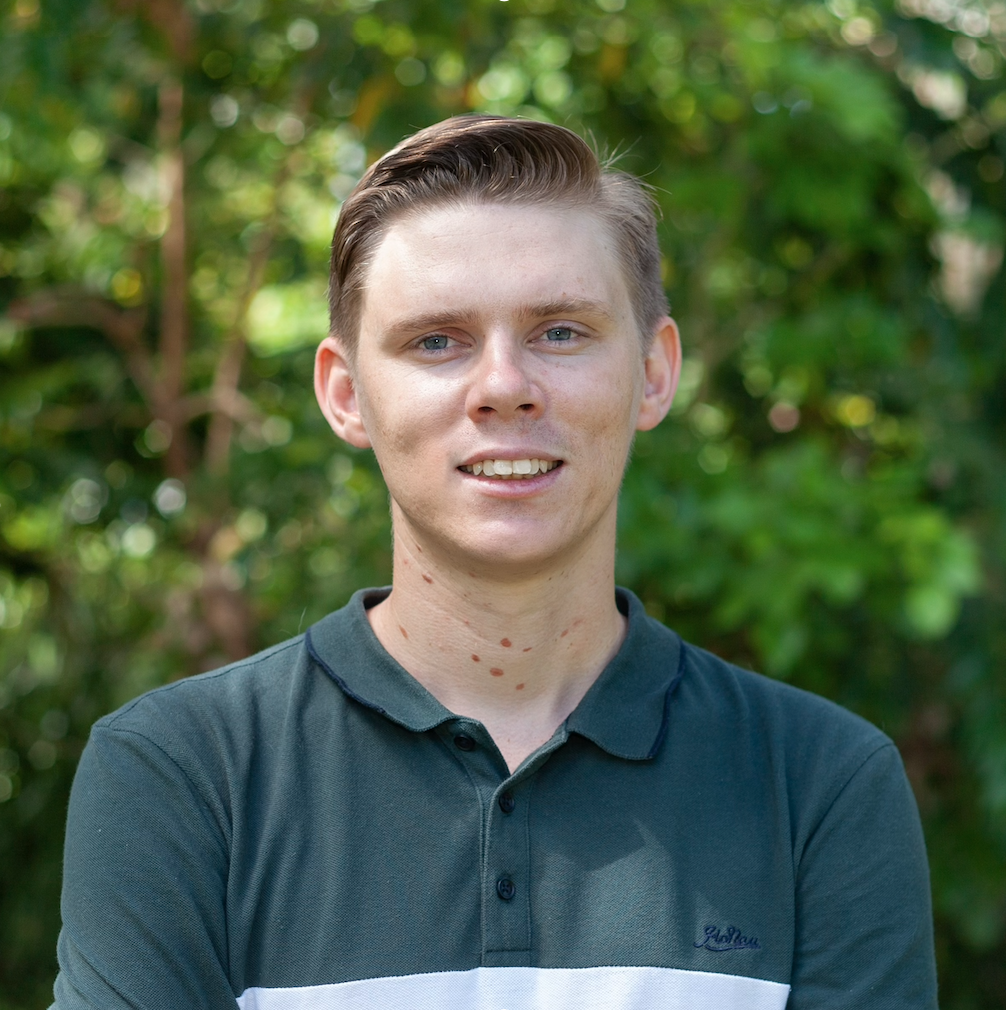
Scott Morrissey
- Research Officer
- scott.morrissey@jcu.edu.au
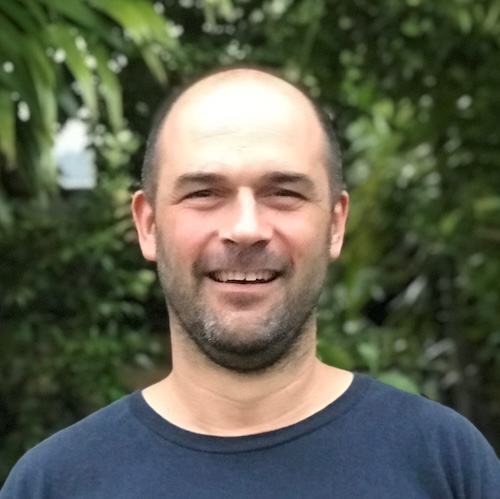
Tim Smith
- Senior Research Officer
- tim.smith2@jcu.edu.au
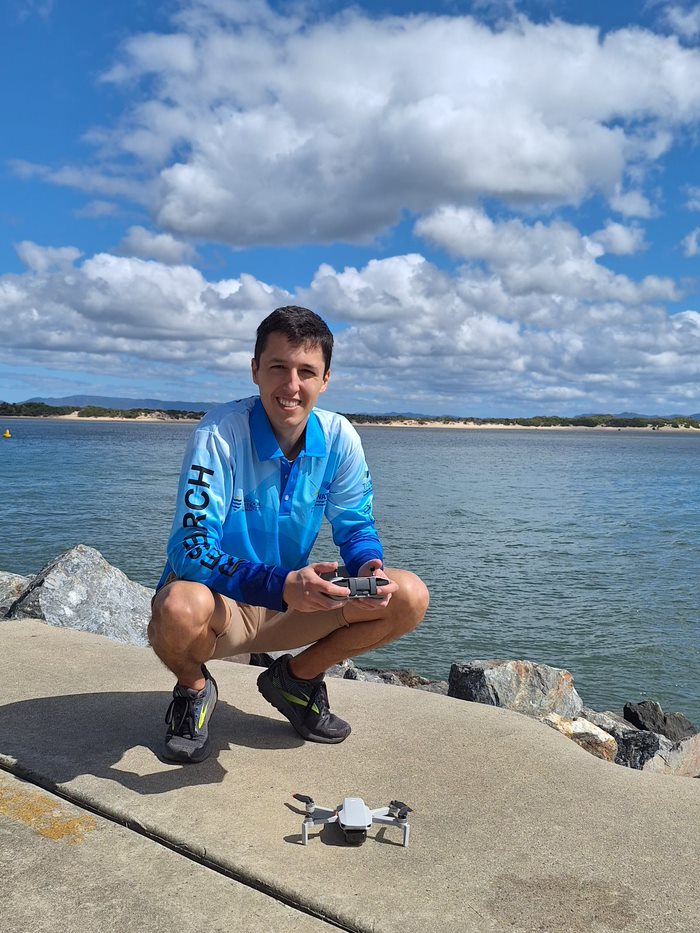
Alejandro Navarro Otero
- Casual Research Worker
- alejandro.navarrootero@jcu.edu.au
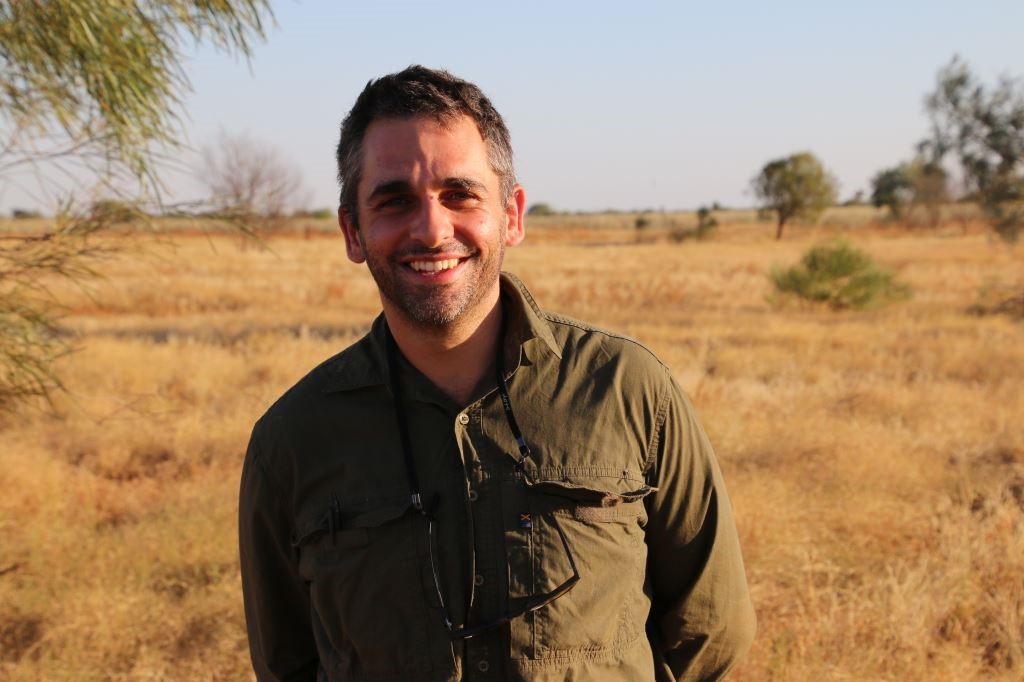
Jack Koci
- Principal Research Officer
- jack.koci1@jcu.edu.au
Sarah McDonald
- Senior Research Officer
- sarah.mcdonald@jcu.edu.au
Emily Webster
- Research Officer
- emily.webster1@jcu.edu.au

Abbi Scott
- Senior Research Officer
- abbi.scott1@jcu.edu.au

Catherine Collier
- Principal Research Officer
- catherine.collier@jcu.edu.au

Rob Coles
- Principal Research Scientist
- rob.coles@jcu.edu.au

Aaron Davis
- Principal Research Officer
- aaron.davis@jcu.edu.au
Tiwi Islands seagrass surveys and development of ranger-led monitoring program
Tiwi People aspire for a healthy, managed Sea Country and to establish an integrated Marine IPA (MIPA). Tiwi Sea Country estate has high cultural and biodiversity significance, but this is poorly documented. The presence of important species such as dugong and turtle is known, but habitats important to these species has not been quantified.
Collecting data efficiently and co-designing monitoring that rangers can maintain in their workplans is a priority of the Tiwi rangers. Subtidal seagrass needs to be mapped and monitoring of these habitats designed for rangers to implement. We will:
• Participate in On-country consultations and knowledge sharing sessions (timing to be determined)
• Co-design subtidal benthic habitat surveys with Tiwi Resources
• Undertake benthic habitat surveys using a drop camera in collaboration with Tiwi sea rangers
• Analyse drop camera images, create maps and prepare draft data report
• Co-design and undertake two years of monitoring in collaboration with Tiwi sea rangers
• Purchase underwater camera system for Tiwi sea rangers
• Contribute to progress reports from Tiwi Resources to the Northern Territory Government as needed
NESP 3.4 Better management of catchment runoff to marine receiving environments in northern Australia. (Old ID 28969)
Runoff from catchments in northern Australia has the potential to carry large amounts of sediment and nutrients. These available nutrients are important in driving coastal and estuary productivity, including many commercially and recreationally targeted species. Water resource development in northern Australia could reduce the supply of freshwater flow to the coast, thereby limiting supply of nutrients. This research project will examine the potential risks water resource development presents to Gilbert (QLD), Daly (NT) and Ord (WA) marine and coastal areas. We will complete a literature review, undertake flood plume modelling and examine vegetation damage along these coastal areas.
JCU and Greening Australia alliance: leaders in tropical wetland restoration (Old ID 22951)
Greening Australia (GA) is a national not-for-profit organisation that strives towards the vision of healthy and productive landscapes where people and nature thrive. This vision is underpinned by science to guide what’s best for landscapes and people in Australia. Because of this business model, GA has a strong, long term, collaborative, approach to projects and therefore has achieved many sound, high profile outcomes. Projects delivered by GA attract significant financial investment from government, but maybe more so from philanthropic investors. By way of example, GA this year joined forces with Virgin Australia to launch a powerful new initiative (Reef Aid) to restore water quality in the GBR catchment area. As a start, GA has launched a public appeal to raise $10M as a first step towards an estimated $100M restoration campaign over the next 10 years. The Australian Government Reef Trust has already matched contributions up to $2M, and today, GA has $4M ready to start the Reef Aid journey via the instigation of on-ground wetland repair projects. Being focused on on-ground works, these projects lack significant research components. To this end, we propose through this partnership grant to demonstrate the value of research to improving on-ground outcomes and in doing so further our relationship with GA to include our services, via an R&D alliance, as part of further projects they develop through their Reef Aid program in coming years.
Ecotoxicology of pesticides on the Great Barrier Reef for guideline development and risk assessments (Old ID 23137)
Over 50 land-sourced pesticides have been detected in waters of the Great Barrier Reef (GBR) and its catchments. Previous studies on the risks posed by pesticides have focused on five priority PSll herbicides. However, other pesticides are increasingly being used, for which there are few fate, persistence and toxicity data. In order to improve water quality guidelines and assessments of the potential risks posed by these ' alternate' pesticides to GBR and its catchments we will quantify their toxicity to freshwater and marine species.
Spatial and temporal trends in the health and resilience of Great Barrier Reef inshore seagrass meadows in relation to water quality (Old ID 20687)
The aim of this research is to monitor the abundance and species composition of seagrass, and identify areas of seagrass that have been significantly impacted by flood plumes in areas important to major dugong populations in the Great Barrier Reef World Heritage Area.
Design & Development of Receiving Environment Monitoring Program (Old ID 22207)
TropWATER will review the existing environmental monitoring data and undertake a detailed environmental survey of the Carpentaria Cold operations with a view to designing a receiving environment monitoring program to be implemented in the 2015/16 wet season.
Ecological valuation tools to protect seagrasses from coastal development (Old ID 22415)
Industry cash contribution fro ARC Linkage Grant application LP160100492. Seagrasses provide ecosystem services (fisheries, nutrient cycling, primary productivity) worth trillions of dollars, but this capacity is threatened by coastal development. In Australia, port developments are considered a major threat to seagrass ecosystems, but resource managers lack accurate information about their potential impacts and mitigation lmeasures. Focussing on differences between shallow and deep seagrasses within the Great Barrier Reef, this project seeks to develop a world-first spatial valuation tool that will allow resource managers and policy makers to minimise impact of port development on seagrass ecosystems, thereby ensuring that Australia's seagrasses continue to provide ecosystem services essential to our well-being.
Hay Point Shiploader Upgrade: Benthic Habitat Assessments (Old ID 26698)
Develop and implement a benthic habitat assessment program for Advisian to report on the benthic habitats in a specific area of the port to assist with berth upgrades.
Coral decline threatens fish biodiversity in marine reserves
- 2004
- National Academy of Sciences
- Researchers:Maya Srinivasan
Mid-late Holocene sea-level variability in eastern Australia
- 2008
- Wiley-Blackwell
- Researchers:Stephen Lewis
Start Date:
01 Jan 2009
End Date:
01 Jan 2026
Start Date:
01 Jan 2009
End Date:
01 Jan 2030
Start Date:
01 Jan 2014
End Date:
01 Jan 2030
Start Date:
01 Jan 2021
End Date:
01 Jan 2025
Start Date:
01 Jan 1981
End Date:
01 Jan 1984
Start Date:
01 Jan 1986
End Date:
01 Jan 1988
Start Date:
01 Jan 1973
End Date:
01 Jan 1973
Start Date:
01 Jan 2024
Start Date:
01 Jan 2022
End Date:
01 Jan 2023
Title:
Conference co-chair
Start Date:
01 Jan 2023
End Date:
01 Jan 2023