
Medicine
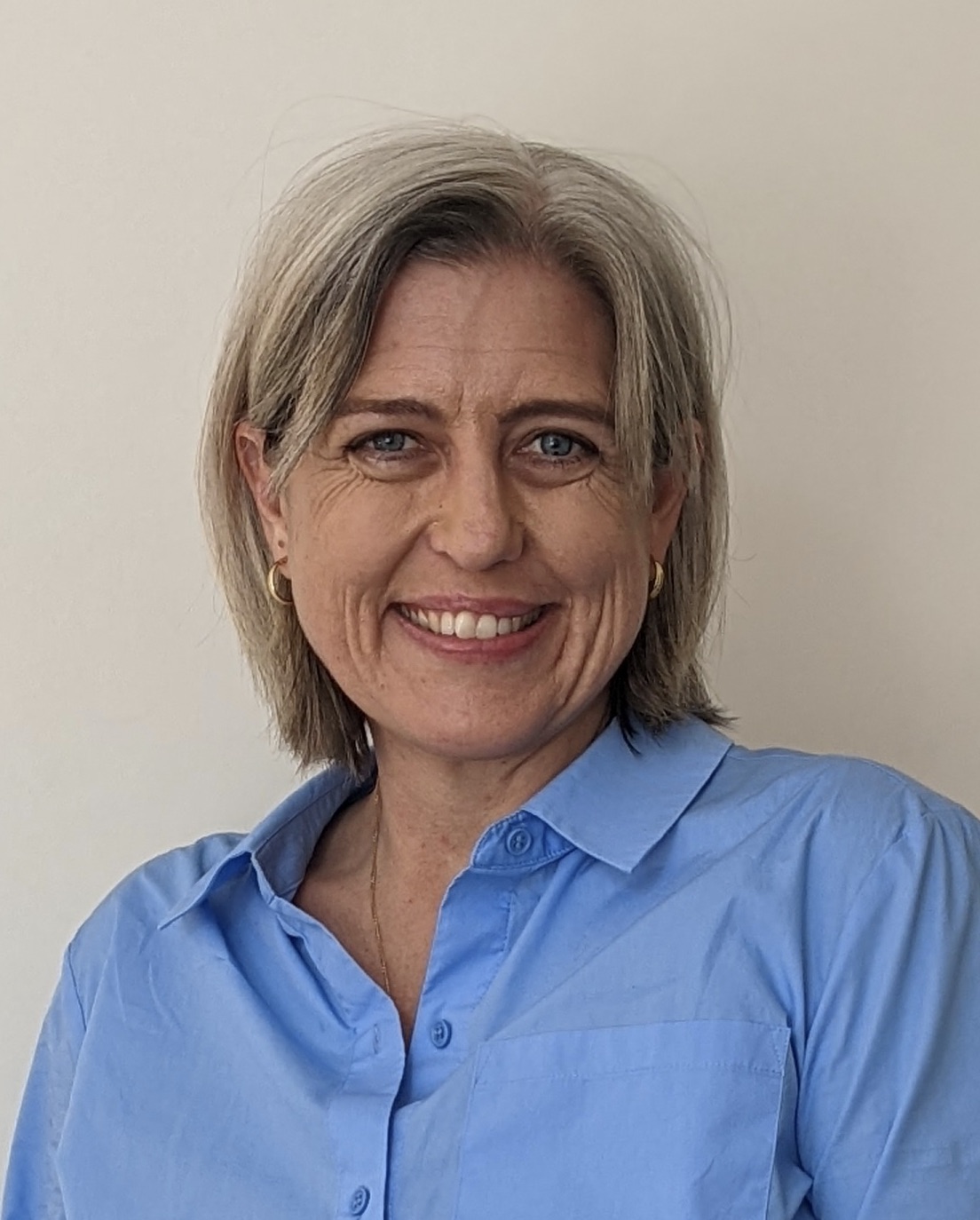
Erin Waters
- JCU Associate Professor
- erin.waters@jcu.edu.au

Shiv Thanigaimani
- Senior Research Fellow, Peripheral Vascular Disease (PVD)
- shiv.thanigaimani@jcu.edu.au

Alkira Deren
- Clinical Research Officer
- alkira.venn@jcu.edu.au

Michael Robinson
- JCU Lecturer
- michael.robinson@jcu.edu.au

Nalita Turner
- Research Officer
- nalita.turner@jcu.edu.au

Bunmi Malau-Aduli
- JCU Professor
- bunmi.malauaduli@jcu.edu.au

Jenna Graffini
- Research Project Manager
- jenna.graffini@jcu.edu.au

Mel Muscat
- Adjunct Research Fellow
- melody.muscat@jcu.edu.au
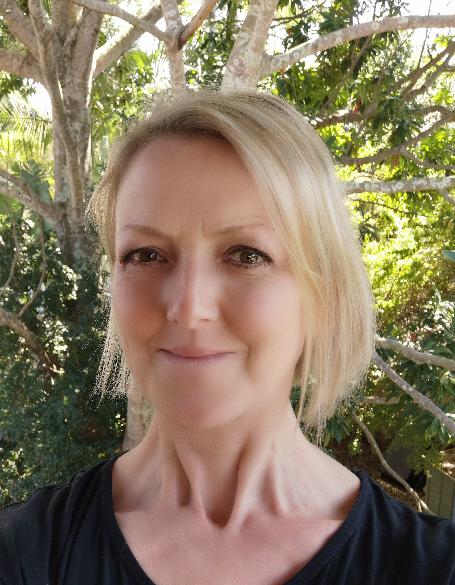
Yvonne Hornby-Turner
- Adjunct Research Fellow
- yvonne.hornbyturner@jcu.edu.au

Geoffrey Dobson
- Professor
- geoffrey.dobson@jcu.edu.au
Metformin for treating peripheral artery disease-related walking impairment (MERIT) (Old ID 24975)
Joseph Moxon
01 Jul 2019 - 30 Jun 2021
Blockage of the lower limb arteries (peripheral artery disease; PAD) leads to severe leg pain, walking impairment, and a substantial risk of leg amputation and death. Approximately 200 million people worldwide and approximately 1 million Australians have blocked leg arteries. This problem has recognised treatment deficiencies in comparison to other common diseases, including the absence of effective medications to increase blood supply to the legs, reduce leg pain, improve walking ability and reduce the risk of major amputation. Multiple lines of evidence suggest that metformin, a cheap and safe medication, promotes formation of new vessels, improves microcirculation and muscle function, and limits pain. In preliminary studies, metformin significantly increased blood supply to the limb of a pre-clinical model of blocked leg arteries. We have also associated metformin prescription with a 4-fold reduction in the rate of major lower limb amputation in patients with blocked arteries. This placebo-controlled, randomised clinical trial will examine the efficacy of metformin in improving walking ability in patients with blocked leg arteries over 6 months. Positive findings from this trial will identify a new treatment for a problem that affects 10-20% of adults aged over 50 years.
A student-led service model to improve the health and wellbeing of older adults in East Arnhem (Old ID 26276)
Lisa Simmons
02 Jan 2019 - 31 Dec 2019
Older persons from remote Aboriginal communities experience disabling consequences of chronic diseases at a disproportionally higher rate than mainstream Australians (Australian Indigenous HealthInfoNet 2017). Paradoxically, there is limited and fluctuating availability of allied health professional (Battye & McTaggart, 2003) services to support them. The primary aim of this study is to pilot a student-led service model to improve the health and wellbeing of older persons from East Arnhem who live with the disabling consequences of chronic diseases. The Triple Aim framework will be used to determine health benefits in terms of a) older persons, family and community satisfaction b) health outcomes and c) cost. The secondary aim is to collect preliminary data on the feasibility of the service model and trial protocol within the remote community context. This project will lead to development of a specific protocol for a proposed full-scale multi-site project across northern Australia.
Traditional Knowledge about Climate and Food Security in Kwaio, Malaita, Solomon Islands (Old ID 27270)
Michelle Redman-MacLaren
08 Jun 2021 - 30 Apr 2022
This project will be implemented in conjunction with Baru Conservation Alliance in Malaita, Solomon Islands. Traditional Knowledge and experience of weather, the seasonal interaction of plants, animals and people will be explored and documented. The use of tradiitional 'disaster food' after natural disasters will also be documented. The local scale production of flour from locally grown fuits and vegetables will be piloted; usage and spoilage monitored, and dishes made from flour trialled for acceptability and feasibility with Kwaio tribal groups. The project links food security, health and ecological sustainability to inform local level disaster and climate resilience measures in Malaita, Solomon Islands.
Peak Wall Stress as a prognostic indicator of abdominal Aortic Aneurysm rupture risk (Old ID 26250)
Joseph Moxon
01 Jul 2018 - 31 Dec 2020
Abdominal Aortic Aneurysm (AAA) affects 20 million people worldwide and 100,000 people in Australia. Annually, AAA rupture leads to 200,000 deaths worldwide and 2000 deaths in Australia. In clinical practice, maximum AAA diameter is the preferred surrogate measure for disease progression and rupture risk, and is used to guide surgical intervention. Approximately 10% of AAAs will rupture before they reach the current threshold for repair, whereas 60% of large AAAs remain stable during their lifetime, suggesting that diameter alone is an imperfect tool to decide which AAAs require surgical intervention. The specific aims of the project are Aim 1: To investigate if PWS is greater in patients with ruptured compared to intact AAAs matched for diameter; Aim 2: To evaluate the impact of a common anti-hypertensive medication {Telmisartan) on PWS and rupture risk in patients with small AAAs.
The Metformin Aneurisym Trial (MAT) (Old ID 26382)
Joseph Moxon
01 Jan 2020 - 31 Dec 2027
20 million people worldwide and 100,000 Australians have an abdominal aortic aneurysm (AAA). The main complication of AAA, aortic rupture, leads to 200,000 deaths/year worldwide. AAA prevalence and mortality rates in Australasia are 4-fold higher than the world average, so research to improve management is a key priorty. Most AAAs are detected when theya re small, when an effective treatment would prevent the need for surgery. There is currently no effective drug therapy for AA, and 70% of small AAAs grow to a size requiring surgical repair which carries inherent risks of death and major complications. A large amount of observational data from patients and laboratory models suggest that metformin may be an effective drug therapy for AAA. The metformin aneurysm trial (MAT) will be a large-scale, multi-centre randomised trail done as a collaboration between investigators in Australia, New Zealand, Swden and the United Kingdom across 55 sites over a 5 year trial period. Patients with AAA measuring between 39 and 49mmm in diameter will be enrolled over 24 months, assiged at random to 1500mn of metformin extended release (XR) or placebo each day followed for a mean of 3.5 years. The primary outcome will be AAA rupture or repair. The sample size of 1,954 will provide 90% pwer (p=0.05) to detect a 25% or greater reduction in the relative risk of the primary outcome. A positive finding from MAT would identify metformin as the first effective medical treatment for AAA. Since metformin is low cost, safe and available worldwide, the trial will have direct clinical implications for tens of millions of people around the world for whom no preventative therapy is currently available.
Implementation of quality improvement in Indigenous primary health care: Leveraging Effective Ambulatory Practices (LEAP) (Old ID 23468)
Karen Carlisle
01 Jan 2018 - 30 Jun 2022
Despite increased policy attention and funding, not all primary healthcare (PHC) services for Indigenous Australians show the desired improvements in quality of care. Practices which provide PHC services are complex systems and emerging evidence indicates many things affect quality improvement. There remains a knowledge gap regarding what is required for Indigenous PHCs to succeed in improving the quality of their services and, subsequently, health outcomes for their patients. This project will capitalise on emerging research and existing strong partnerships to provide a solid evidence base for interventions to improve quality of priority health services in Indigenous PHC settings.
Community led development, climate resilience and conservation in East Malaita (Old ID 26903)
Michelle Redman-MacLaren
16 Jun 2020 - 31 Dec 2021
Baru Conservation Alliance (BCA) was established a registered Non-Government Organisation in 2019 by leaders from East Kwaio, Malaita, Solomon Islands to coordinate ecological and cultural conservation in their tribal lands. This includes the holistic health and wellbeing of plants, animals and people living in prescribed conservation areas. This project, funded by the Australian High Commission in Solomon Islands allows JCU and the Australian Museum to build sustainable scientific and management capacities with the fledgling organisation. The project will support a series of local JCU supported projects within conservation areas that include TB, water and sanitation, reproductive health, community education and reforestation.
Integrated online platform for delivery of digital health services by a multi-disciplinary team of allied health professionals (Old ID 23626)
Lisa Simmons
10 Apr 2018 - 06 Apr 2019
This project aims to create an integrated online platform for multi-disciplinary allied health professionals to provide evidence-based digital health support and services to communities, organisations and clients, especially those in rural and remote communities, vulnerable groups and/or those who would otherwise not be able to access quality health services within Queensland, Australia and other countries. This project provides solutions to challenges associated with a sustainable design for service delivery compared to current models that involve significant funding in order to access these populations. This project has the potential to reach these geographically dispersed communities while reducing costs through decreased travel.
Understanding First Peoples Lived Experience of Pharmaceutical Care when Transitioning between Hospital and Home
Karen Carlisle
01 Apr 2024 - 31 May 2027
Far North Queensland Hospital Foundation Grant, PhD Candidate
The prevalence of urinary tract infection, non-specific symptoms and antibiotic treatment in nursing home residents in an Australian tropical setting. (Old ID 22337)
Ronny Gunnarsson
01 Jul 2015 - 30 Jun 2016
Despite numerous causes, a change in mental state of a nursing home resident is often attributed a urinary tract infection (UTI). This project aims to quantify the prevalence of treated UTI, its non-specific symptoms and factors leading to treatment, in nursing home residents in tropical Australia. There is a possibility that antibiotics are used far more often in the tropics compared to more temperate climates. This finding would emphasise the problem of antibiotic resistance in nursing homes in the tropics compared to other regions, which has the potential to stress the importance that these issues be addressed.
Client perceptions of the BreastScreen Australia remote radiology assessment model
- 2021
- BioMed Central
- Researchers:Deb SmithKaren JohnstonKaren CarlisleRebecca EvansSarah Larkins
Living in a hostile world: inflammation, new drug development, and coronavirus
- 2021
- Frontiers Research
- Researchers:Hayley LetsonJodie Morris
Start Date:
01 Jan 2012
Start Date:
01 Jan 2012
Start Date:
01 Jan 2009
Start Date:
01 Jan 2009
Start Date:
01 Jan 2007
Start Date:
01 Jan 2002
Start Date:
01 Jan 2002
Start Date:
01 Jan 1996
Start Date:
01 Jan 2002
End Date:
01 Jan 2009
Start Date:
01 Jan 2003
End Date:
01 Jan 2004