
Public Health & Tropical Medicine

Lynsey Brown
- Adjunct Senior Lecturer
- lynsey.brown@jcu.edu.au

Ali Isin
- Adjunct Senior Research Fellow
- ali.isin@jcu.edu.au

Kerrianne Watt
- Adjunct Professor
- kerrianne.watt@jcu.edu.au

David Plummer
- Adjunct Professor
- david.plummer@jcu.edu.au

Karla Canuto
- Professor, Indigenous Health Promotion
- karla.canuto@jcu.edu.au

Andreas Neumayr
- Adjunct Professor
- andreas.neumayr@jcu.edu.au

Jack Seaton
- Adjunct Lecturer
- jack.seaton@jcu.edu.au

Gary Jones
- Adjunct Senior Lecturer
- gary.jones1@my.jcu.edu.au
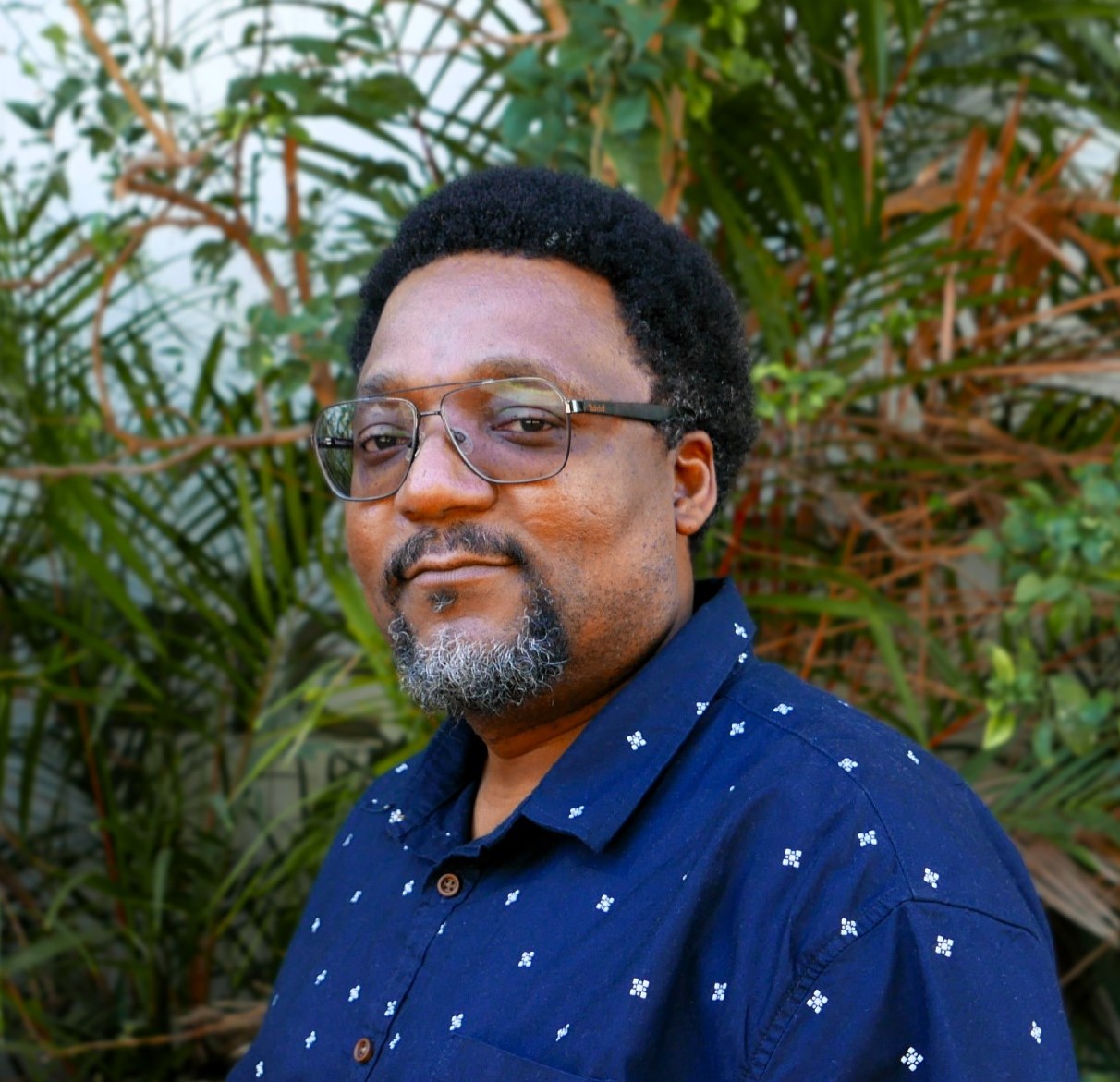
Oyelola Adegboye
- Adjunct Associate Professor
- oyelola.adegboye@jcu.edu.au

Faith Alele
- Adjunct Senior Lecturer
- faith.alele@my.jcu.edu.au
Community-led Health Promotion in the Torres Strait
Throughout the isolated communities of the Torres Strait (Zenadh) the rates of chronic diseases, such as type 2 diabetes and
chronic renal failure are skyrocketing. During invited community visits in 2023, we confirmed that health restoration is an
urgent priority for Maluilgal (the tribal people of the Maluilgau region – Badu, Mabuiag and Moa Islands). Tribal leads have
initiated a movement called Kikirriu dan Walmai (KDW), which means “our health is resurrected”. KDW will be led by a team
chosen by the Tribal leads and who will honour and respect the cultural governance and protection required to meet the
KDW objectives. As a Torres Strait Islander researcher and recognised national leader in Indigenous health promotion and
building Indigenous research capacity, I have been endorsed by Tribal leads of KDW to work with stakeholders and Maluilgal
to lead a program of work to restore wellness. My Investigator research program will reduce chronic disease risk factors
through community-led evidence-based health restoration initiatives in the extremely remote and under resourced
communities. This will be achieved by identifying health promoting priorities for each community, building the capacity of
local community-based researchers, collaborative co-design health promoting initiatives, implement and evaluate the
initiatives and the translation of knowledge.
The evaluation of restorative health initiatives will include anthropometric and metabolic risk markers, such as weight, blood
pressure and cholesterol and measures of social, cultural and emotional wellbeing. These initiatives will provide evidence to
support the upscaling and transfer of the processes to other communities of Zenadh and beyond. Anticipated outcomes will
be the research activity training and upskilling of local Maluilgal community members and the implementation and evaluation
of sustainable effective health initiatives that will restore well-being to their communities.
"Flinging the squaler" lifeline rescues for drowning prevention
- 2009
- Human Kinetics
- Researchers:Richard Franklin
An examination of legislation relevant to public pools in Australia
- 2009
- CCH Australia
- Researchers:Richard Franklin
Hearing screening program impact on noise reduction strategies
- 2009
- American Society of Agricultural and Biological Engineers
- Researchers:Richard Franklin
Survey of primary schools across Australia: an examination of key water safety issues
- 2009
- Human Kinetics
- Researchers:Richard Franklin
Safety legislation, public health policy and drowning prevention
- 2008
- Taylor & Francis
- Researchers:Richard Franklin
Injuries in public swimming pools in Victoria: a pilot study
- 2008
- Human Kinetics
- Researchers:Richard Franklin
Injuries resulting from horse riding and motorcycle incidents on farms
- 2006
- CCH Australia
- Researchers:Richard Franklin
Start Date:
01 Jan 2016
Start Date:
01 Jan 2025
Start Date:
01 Jan 2015
Start Date:
01 Jan 2015
End Date:
01 Jan 2013
End Date:
01 Jan 2007
End Date:
01 Jan 2000
Start Date:
01 Jan 2017
Start Date:
01 Jan 2013
Start Date:
01 Jan 2014