
Zoology & Ecology

Saul Chemonges
- Adjunct Associate Professor
- saul.chemonges@jcu.edu.au
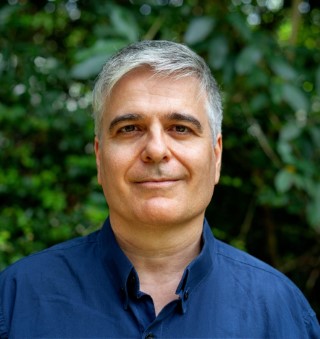
Daniel Montesinos Torres
- Senior Research Fellow
- daniel.montesinos@jcu.edu.au

Claire Gely
- Lecturer, Zoology and Ecology
- claire.gely@jcu.edu.au

Ben Hirsch
- Adjunct Senior Lecturer
- ben.hirsch@jcu.edu.au

Stephen Williams
- Adjunct Professor
- stephen.williams@jcu.edu.au
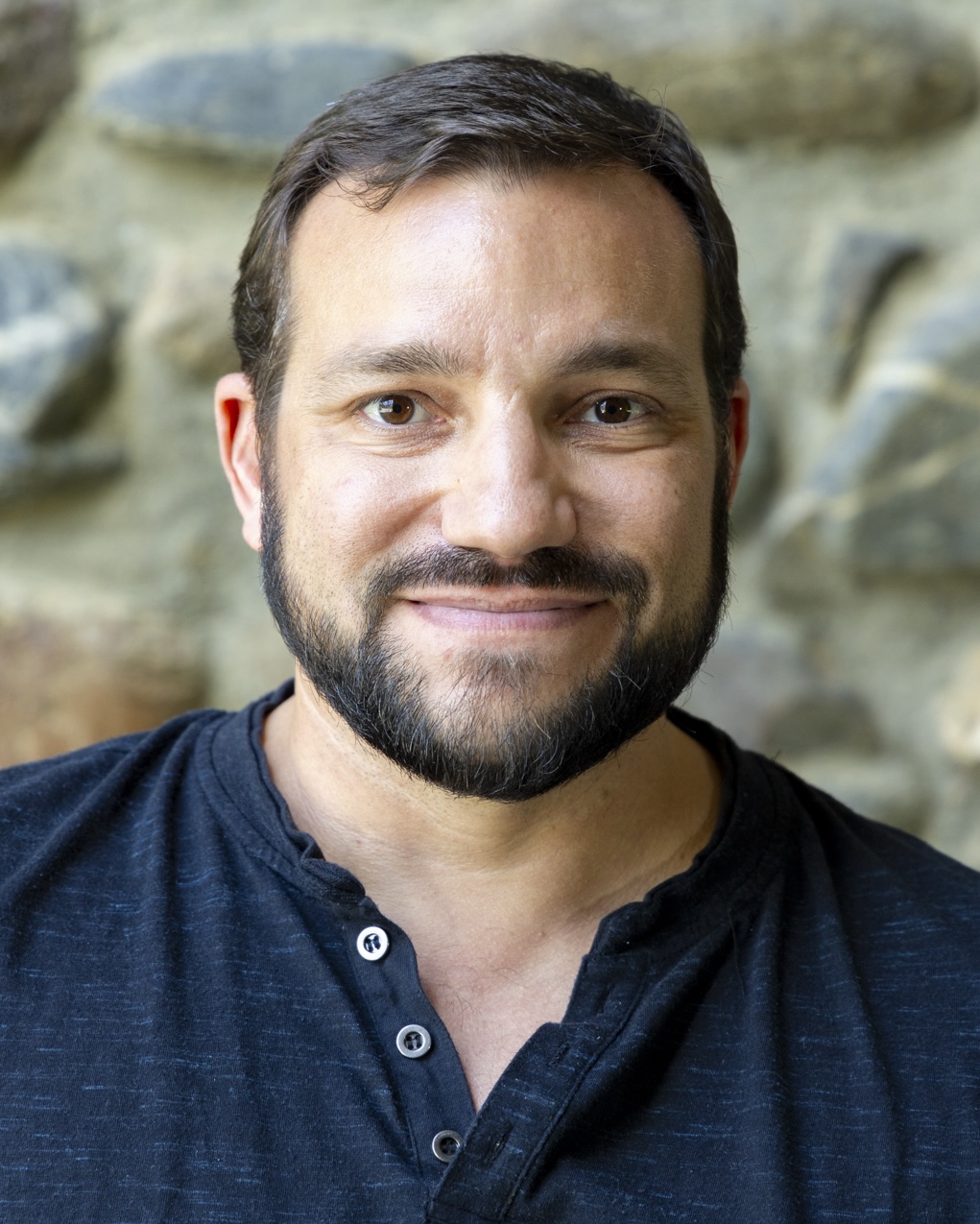
Myles Menz
- Senior Lecturer, Zoology and Ecology
- myles.menz@jcu.edu.au
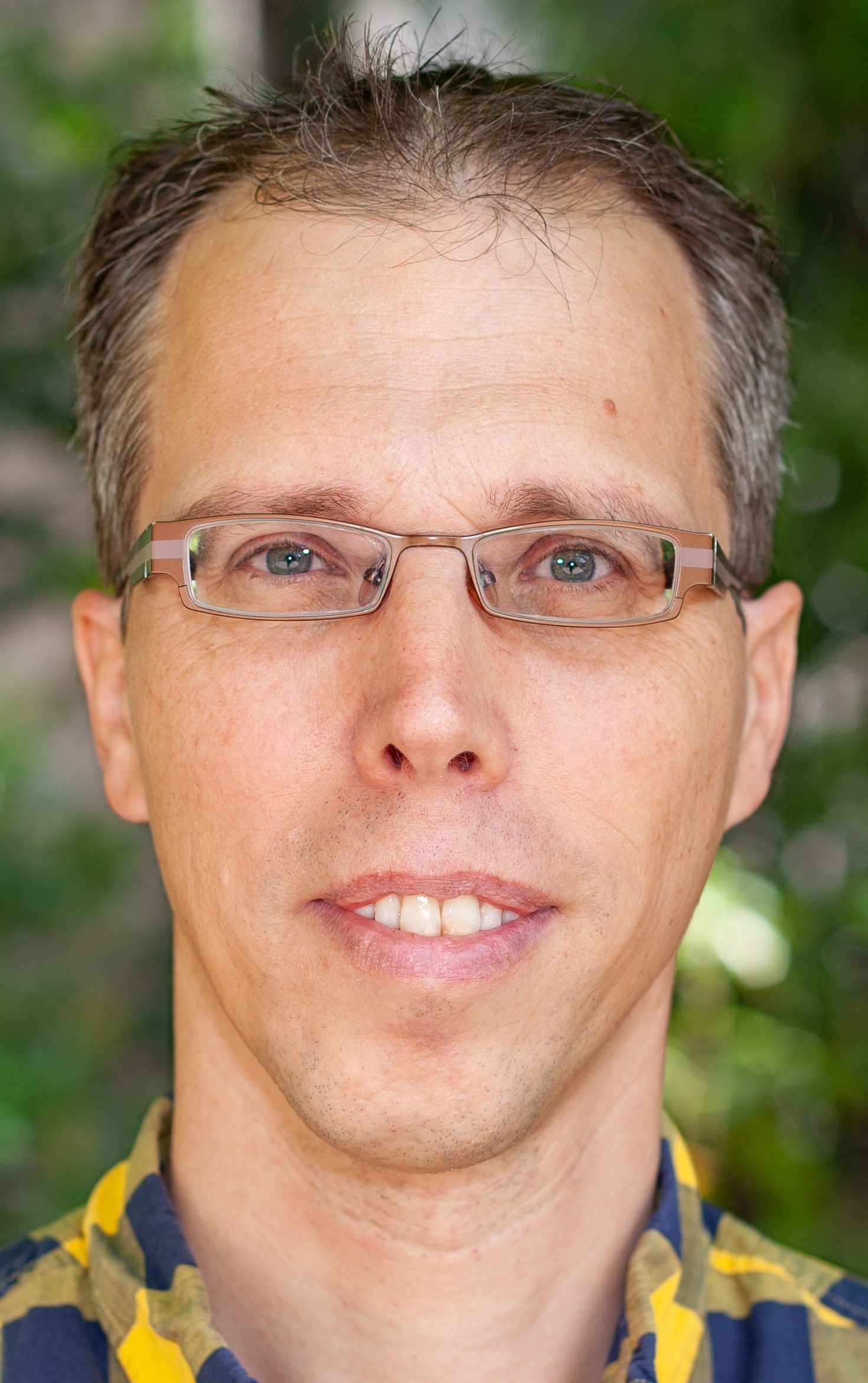
Martijn van de Pol
- Associate Professor, Mathematical Modelling
- martijn.vandepol@jcu.edu.au

Slade Allen-Ankins
- Research Fellow
- slade.allenankins@jcu.edu.au

Noel Preece
- Adjunct Associate Professor
- noel.preece@jcu.edu.au
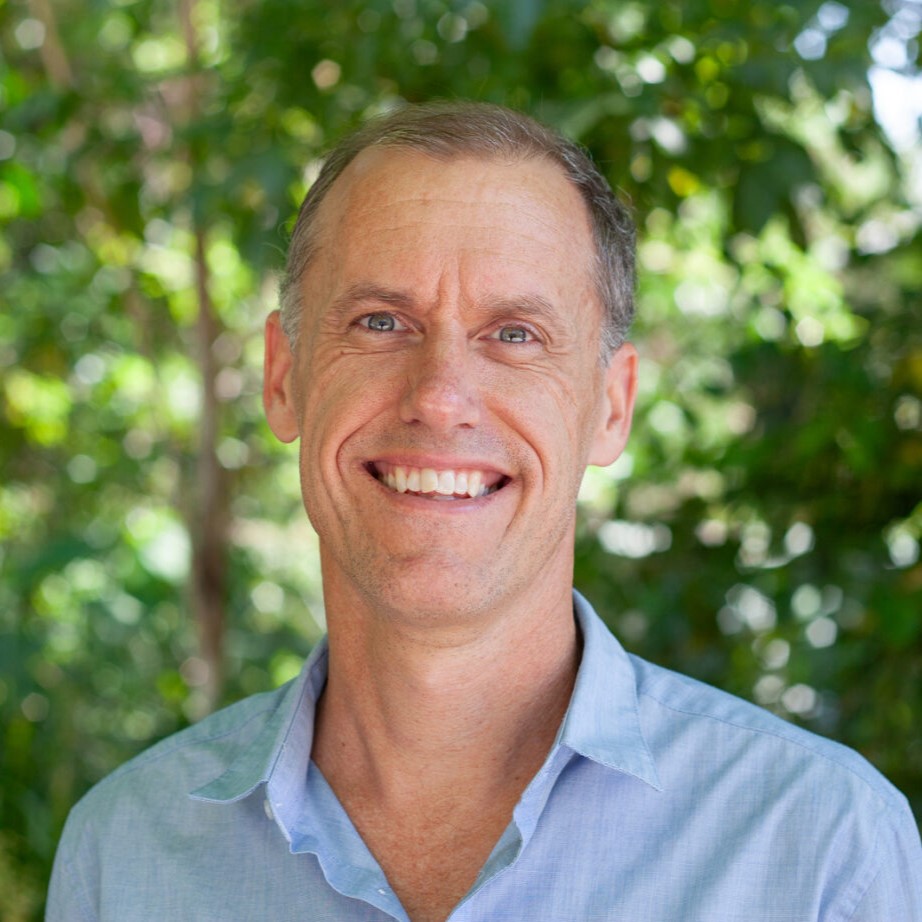
Conrad Hoskin
- Professor
- conrad.hoskin@jcu.edu.au
An Outstanding Opportunity: Using Solar Farms for Biodiversity Preservation
Renewable energy projects are growing at a remarkable rate in Australia In north Queensland alone, existing commercial solar plants supply 585MW of generation, and other, proposed plants will provide more than twice as much (QLD Gov Generation Map). As each megawatt requires 2-3 ha (QLD Gov Solar Farm Guidelines) this represents a very significant land area, and up to 70% of Queensland is suitable for solar development (Islam et al. REEE 2022). While this trend constitutes outstanding potential for energy generation, development of solar farms also will impose a significant impact on much of the land area. There is strong awareness of the social contract that such broadscale expansion must navigate, and a particular community concern is the scale of land development and modification (QLD Gov Solar Farm Guidelines).
The community and the QLD Biodiversity Conservation Strategy expresses concern about the major loss of biodiversity occurring at unprecedented rates and scales, and identifies a need to manage broad-scale impacts on land area, as well as climate change. Nowhere is this so critical as in the tropics, which are both highly biodiverse and well suited to solar farms. The confluence of broad-scale solar development and the need for biodiversity conservation on large scales provides an unprecedented opportunity to combine the two. Solar farms present an opening for enhanced delivery of ecosystem services (Norberg et al. 2021 Solar Energy; Nordberg, Schwarzkopf 2023 Austral Ecology). Solar farms have long operational lifespans, experience low levels of disturbance during operation and can be managed for ecosystem services beyond low-carbon electricity generation, including biodiversity conservation (Carvalho et al. 2024 J Anim Ecol). In the UK, Europe and North America, appropriate management of solar farms can lead to increased plant, invertebrate, pollinator and bird diversity and abundance (reviewed by Boscarino-Gaetano et al. 2024 Biological Reviews),
Enhancing Frog Resilience to Natural Disasters: Determining Captive Husbandry Techniques for the Conservation of Threatened Frogs of the Wet Tropics.
This two- and half-year project aims to increase the resilience and drastically lower the risk of extinction of eight threatened frog species of north Queensland. The project will achieve this through: (1) Continued monitoring of long-term transects for these species. (2) Increasing our understanding around breeding ecology, environmental needs for survival and breeding, and better understanding the full extent of the impact by continuing to build on the long-term monitoring data. (3) Trialing captive husbandry and breeding with Least Concern, ecologically similar congeners, to greatly improving our ability to rapidly establish captive assurance colonies should the need arise under future environmental stochastic events.
Enhancing Frog Resilience to Natural Disasters: Determining Captive Husbandry Techniques for the Conservation of Threatened Frogs of the Wet Tropics.
This two- and half-year project aims to increase the resilience and drastically lower the risk of extinction of eight threatened frog species of north Queensland. The project will achieve this through: (1) Continued monitoring of long-term transects for these species. (2) Increasing our understanding around breeding ecology, environmental needs for survival and breeding, and better understanding the full extent of the impact by continuing to build on the long-term monitoring data. (3) Trialing captive husbandry and breeding with Least Concern, ecologically similar congeners, to greatly improving our ability to rapidly establish captive assurance colonies should the need arise under future environmental stochastic events.
Audio & Environmental Monitoring Equipment for Biodiversity
Proposed Use of Funds: To purchase a number of audio and environmental temperature monitoring units, to facilitate monitoring of animals and their environment for a range of collaborative projects in our group.
Audio & Environmental Monitoring Equipment for Biodiversity
Proposed Use of Funds: To purchase a number of audio and environmental temperature monitoring units, to facilitate monitoring of animals and their environment for a range of collaborative projects in our group.
Audio & Environmental Monitoring Equipment for Biodiversity
Proposed Use of Funds: To purchase a number of audio and environmental temperature monitoring units, to facilitate monitoring of animals and their environment for a range of collaborative projects in our group.
Audio & Environmental Monitoring Equipment for Biodiversity
Proposed Use of Funds: To purchase a number of audio and environmental temperature monitoring units, to facilitate monitoring of animals and their environment for a range of collaborative projects in our group.
Large leaf gas exchange chamber and light source
We propose to purchase a large leaf chamber and accompanying light source (6800-13L, Licor Inc.) for use with a recently purchased Licor 6800 portable photosynthesis system. The large leaf chamber and light source will significantly increase the range of applications for which the portable photosynthesis system can be used.
Ecoacoustics Training Modules
Development of four one hour training ecoacoustic research training modules.
Each module will be delivered by zoom and recorded.
Materials and recordings will all be made available under a CC BY 4.0 open access licence which acknowledges DCCEEW NSW and has their logo.
Deadline for delivery 1 March 2026
Listening to Country – Acoustic data storage, analysis and deployment support
This is a project with the Threatened Species Operations (TSO), Department of Environment, Tourism, Science and Innovation, QLD government.
TSO is supporting Indigenous Land and Sea Ranger organisations to undertake landscape scale acoustic montoring projects. Each team will be conducting tailored projects that focus on threatened species.
Acoustic data will be used to monitor presence and absence of threatened species, population density and movement and threatening processes such as pest species.
Data collected by ranger groups is to stored and analysed with reports provided to the contributors. The reporting process is to provided in a fit for purpose manner that suits the needs of the contributors.
TSO, JCU and partners will provide pre and post deployment training workshops that provide participants with practical skills in deployment, data collection and monitoring project design
A new combination in Clematicissus Planch (Vitaceae)
- 2006
- National Herbarium of New South Wales
- Researchers:Betsy Jackes
Evaluation of offspring size–number invariants in 12 species of lizard
- 2009
- Wiley-Blackwell
- Researchers:Lin Schwarzkopf
Identification and dynamics of a cryptic suture zone in tropical rainforest
- 2009
- Royal Society Publishing
- Researchers:Conrad Hoskin
Is optimal foraging a realistic expectation in orb-web spiders?
- 2009
- Wiley-Blackwell
- Researchers:Will Edwards
Start Date:
01 Jan 2014
Start Date:
01 Jan 2003
Start Date:
01 Jan 2018
Start Date:
01 Jan 2013
End Date:
01 Jan 2018
Start Date:
01 Jan 2009
End Date:
01 Jan 2013
Start Date:
01 Jan 2006
End Date:
01 Jan 2008
Start Date:
01 Jan 2000
End Date:
01 Jan 2003
Start Date:
01 Jan 2004
End Date:
01 Jan 2009
Start Date:
01 Jan 2024
End Date:
01 Jan 2025
Start Date:
01 Jan 2003
End Date:
01 Jan 2004