
Engineering

Liuxin Chen
- Lecturer
- liuxin.chen@jcu.edu.au
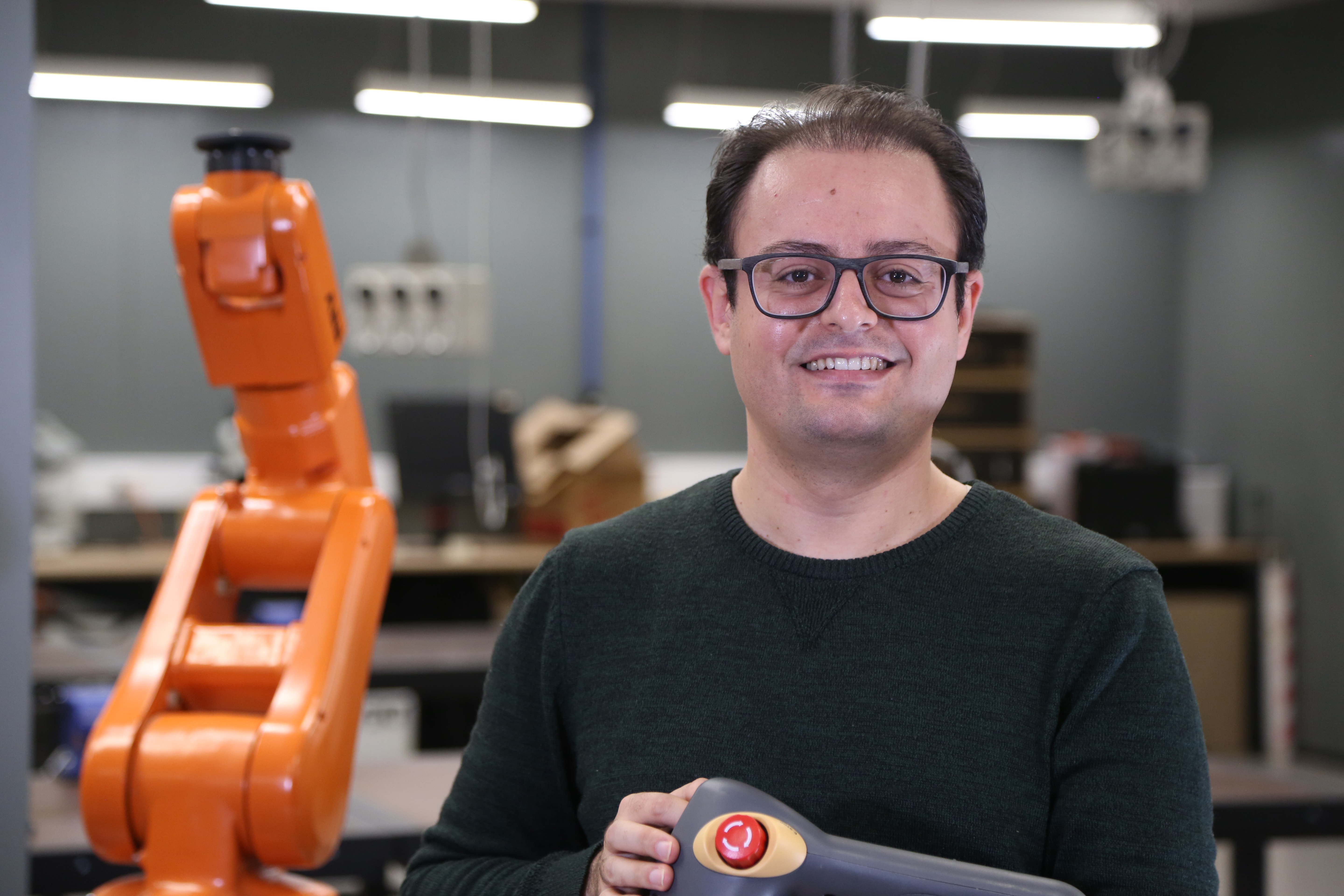
Mohamadreza Chalak Qazani
- Lecturer, Mechanical Engineering
- mohamadreza.chalakqazani@jcu.edu.au
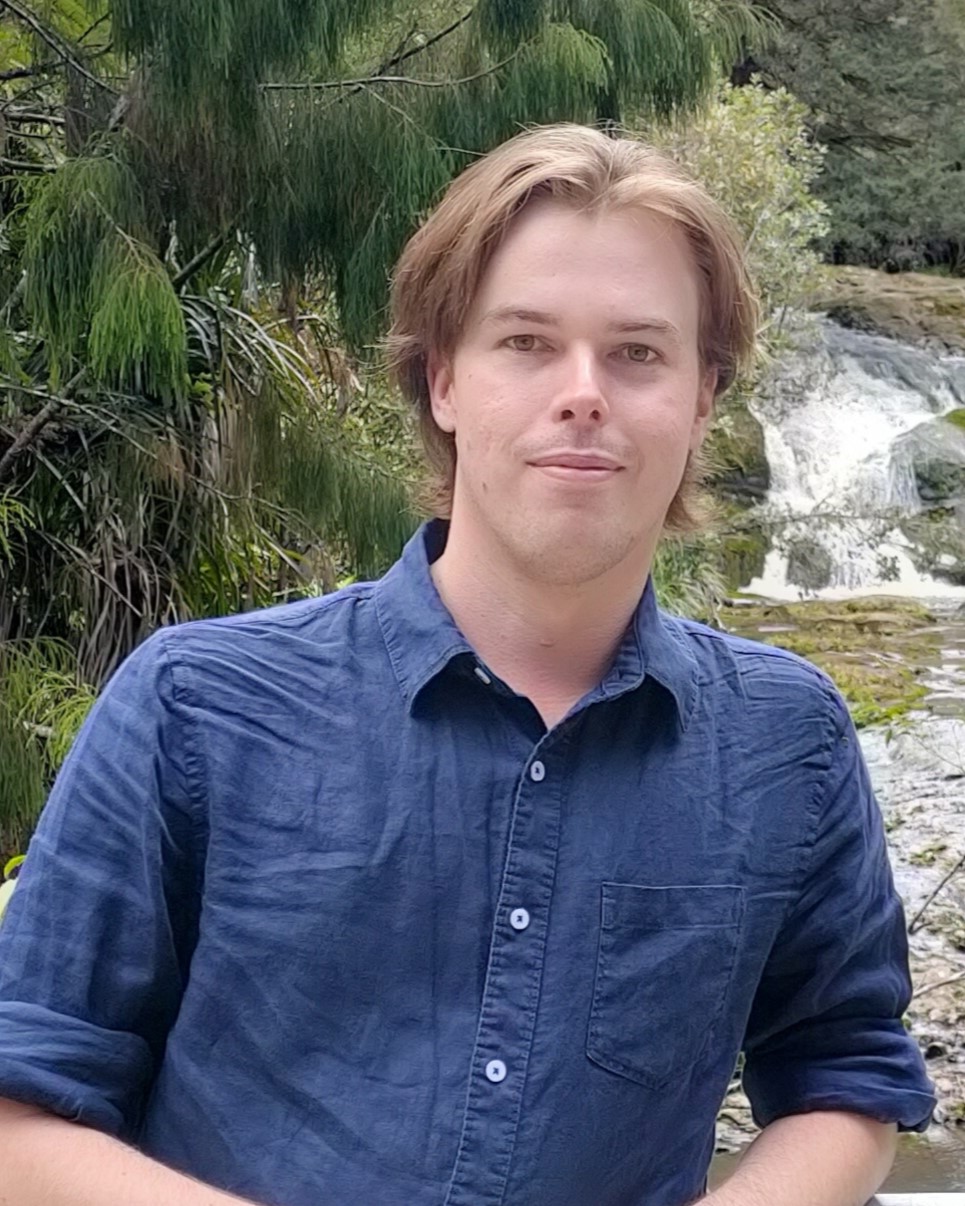
Lewis Gooch
- Lecturer
- lewis.gooch@jcu.edu.au

Judy Yang
- Postdoctoral Research Fellow, Applied AI for Forestry Weed Detection and Mapping
- judy.yang@jcu.edu.au

Bouchra Senadji
- Head, Engineering
- bouchra.senadji@jcu.edu.au

Alzayat Saleh
- AIMS@JCU Postdoctoral Research Fellow, Marine Science Technology
- alzayat.saleh@jcu.edu.au
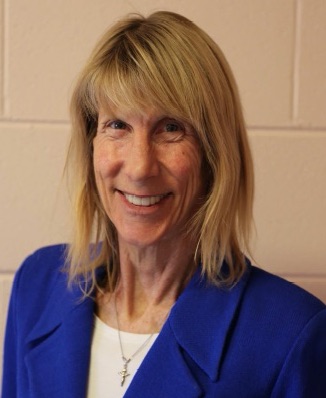
Anne Steinemann
- Adjunct Professor
- anne.steinemann@jcu.edu.au

Nico Adams
- Professor, Electronic Systems & IoT Engineering
- nico.adams@jcu.edu.au

Elsa Antunes
- Associate Professor, Mechanical Engineering
- elsa.antunes1@jcu.edu.au

Eric Wang
- Senior Lecturer, Electronic Systems and IoT Engineering
- eric.wang@jcu.edu.au
Development of a machine learning tool for gap-filling cloudy satellite data for use in environmental science application
In this project, we developed an artificial intelligence tool for gap filling sea-surface temperatures in cloud-affected data. The results are now published in IEEE Transactions on Geoscience and Remote Sensing (IF: 8.2 in 2024)
Do you see what I see? Developing responsible Artificial Intelligences that explain their decisions in a manner consistent with human attention
In this project, I am developing a novel method for evaluating explainable AI methods that is based on how humans pay attention to images. This will assist future researchers in benchmarking new explainable AI tools.
Wind driven rain-water Ingress through windows and doors. (Old ID 27058)
John Ginger
01 Jan 2021 - 15 Dec 2022
Water ingress through windows and doors is a leading cause of damage bills during severe weather. This project aims to determine basic relationships between applied pressure due to wind, amount of water incident on the window/ door and the resulting water ingress. Testing will be conducted using a specialised test chamber at the CTS capable of applying a range of wetting rates as well as both static and fluctuating pressures. The data from this project will allow the development of a standardised test method that will allow manufacturers to meet certain performance criteria to prevent unreasonable water ingress through windows and doors.
Advanced manufacturing of Antennas and Microwave Components for Radio Astronomy and Space Applications (Old ID 27259)
Mohan Jacob
01 Mar 2021 - 31 Aug 2024
An investigation into advanced manufacturing methods such as additive manufacturing and the use of conventional and novel materials. Thus, this project will investigate the optimum design conditions for manufacture of microwave components such as antenna and feed system components to exploit the performance benefits available. The study will also investigate the feasibility of using conventional and novel materials and the material manufacturing process. The outcomes of this research will be useful in several communication applications including satellite communication and space research.
Airbag deployment test (Old ID 30048)
Wenxian Lin
12 Jun 2023 - 31 Aug 2023
AEP Advance Engineering is planning to study airbag deployment in a car after modifications done on the car. This test will study an airbag deployment along the ceiling using high-speed camera at high frame per second rate of 5000. This study aims to investigate the deployment stages of the airbag and visually capture this process, so modifications applied on the car does not interfere with safety.
Sustainable use of tailings as land-fill and non-structural construction material - Phase 1 (Old ID 27170)
Mohan Jacob
01 Jan 2021 - 31 Dec 2021
The central aim of the project is the assessment of blended residue from Townsville Energy Chemicals Hub (TECH) for sustainable use. Tailings can be processed to remove the acidic content or mixed with binder to become safe backfill or non-structural materials. TECH proposed to process annually 600,000 tons of high grenade Nickel and Cobalt ore. Phase 1 of the project will undertake physical, chemical, geotechnical and engineering strength tests on tailings from TECH to estimate the limits and to assess characteristics, including the acid-insoluble content of the tailings. The understanding will help to develop research in phase 2 and 3.
ARC Industrial Transformation Training Centre in Plant Biosecurity
Bronson Philippa
01 Aug 2024 - 30 Aug 2029
The Biosecurity Training Centre aims to deliver a solution for Australia’s increasing biosecurity risk through generational change in its workforce coupled with breakthrough technologies. It will launch an innovative training program for future leaders who will build relationships with end users and engage meaningfully with communities for effective implementation strategies. The Centre will provide data-driven systems, behavioural change for adoption and authentic industry engagement. This suite of graduates and technologies will transform the biosecurity sector and protect Australia’s critical agricultural industries.
ARC Industrial Transformation Training Centre in Plant Biosecurity
Mostafa Rahimi Azghadi
01 Aug 2024 - 30 Aug 2029
The Biosecurity Training Centre aims to deliver a solution for Australia’s increasing biosecurity risk through generational change in its workforce coupled with breakthrough technologies. It will launch an innovative training program for future leaders who will build relationships with end users and engage meaningfully with communities for effective implementation strategies. The Centre will provide data-driven systems, behavioural change for adoption and authentic industry engagement. This suite of graduates and technologies will transform the biosecurity sector and protect Australia’s critical agricultural industries.
Reducing herbicide usage in the Burdekin and Proserpine reef catchment areas with precise robotic weed control in sugarcane (Old ID 26973)
Bronson Philippa
25 Sep 2020 - 31 Dec 2025
The main objective of this project is to develop and build the world’s first robotic platform for selective weed control in sugarcane. Specifically, we aim to retrofit two 12-metre sugarcane booms for farmers in the Burdekin and Proserpine GBR catchment areas with state-of-the-art deep learning detection and spraying technology. The fundamental aim of this project is to significantly minimise the herbicide usage by selective spot spraying. We have set a target to reduce the knockdown herbicide usage on the chosen farms by 80% compared to the traditional blanket spraying that is performed during various stages of the crop cycle.
Developing Deep Learning Applications for Smart Aquaculture (Old ID 27329)
Mostafa Rahimi Azghadi
01 Jul 2021 - 30 Jun 2024
This project proposes to use deep learning technology to extract various data in commercial environments in a non-intrusive and cost-effective way from fish farms. Currently, most of the fish data is analysed manually. The aim is to use deep learning to extract useful features and traits of fish and to analyse the collected data automatically and efficiently. The project will be in direct partnership with our industry collaborators across Australia and Asia.
Biologically plausible contrast detection using a memristor array
- 2020
- Institute of Electrical and Electronics Engineers
- Researchers:Mostafa Rahimi Azghadi
Training progressively Binarizing Deep Networks using FPGAs
- 2020
- Institute of Electrical and Electronics Engineers
- Researchers:Mostafa Rahimi Azghadi
Continuous and automatic mortality risk prediction using vital signs in the intensive care unit: a hybrid neural network approach
- 2020
- Nature Publishing Group
- Researchers:Stephanie BakerWei XiangIan Atkinson
Start Date:
01 Jan 2010
End Date:
01 Jan 2015
Start Date:
01 Jan 2004
End Date:
01 Jan 2006
Start Date:
01 Jan 2010
Title:
Senior Member, IEEE
Start Date:
01 Jan 2012
Title:
Reperio Innovation Award
Start Date:
01 Jan 2015
Start Date:
01 Jan 2015
Start Date:
01 Jan 2013
Start Date:
01 Jan 2010
Start Date:
01 Jan 2006
Start Date:
01 Jan 2006