
Marine Biology & Aquaculture
Mikaeylah Davidson
- Postdoctoral Research Fellow
- mikaeylah.davidson@jcu.edu.au
Tom Lloyd
- Postdoctoral Research Fellow, Global Ecosystems
- tom.lloyd@jcu.edu.au
Alys Young
- Postdoctoral Research Fellow, Global Ecosystems
- alys.young@jcu.edu.au
William Arlidge
- Postdoctoral Research Fellow in Community-Based Fisheries Co-Management
- william.arlidge@jcu.edu.au
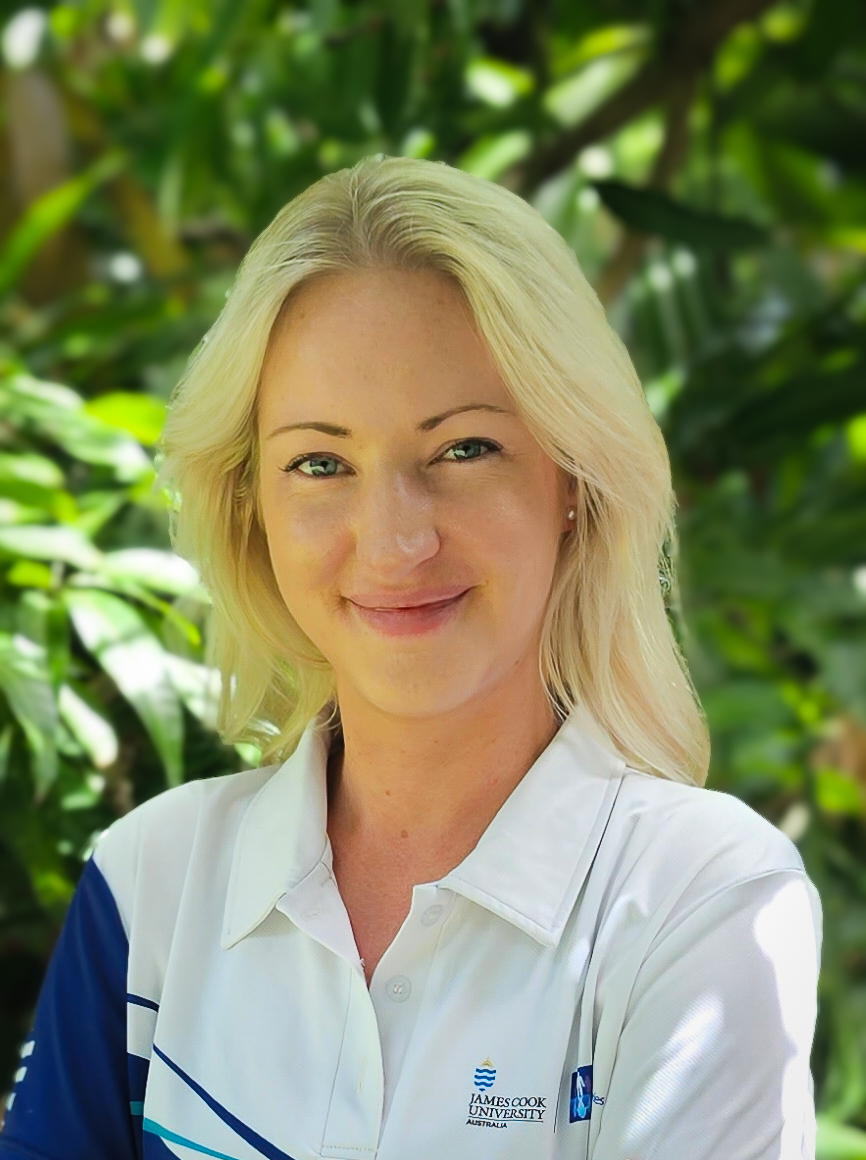
Anna Wilson
- Project Coordinator
- anna.wilson@jcu.edu.au
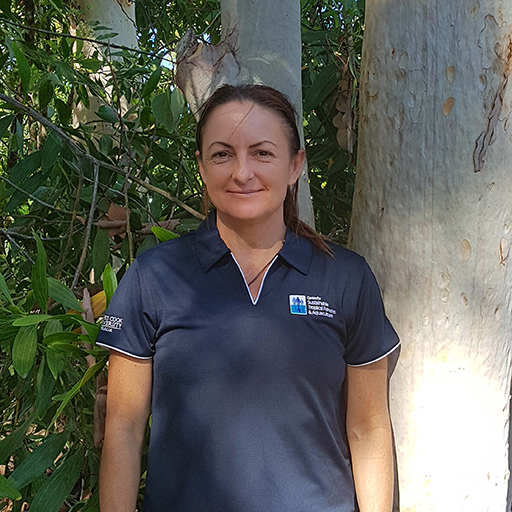
Kelly Condon
- Senior Lecturer, Aquaculture (Aquatic Animal Health)
- kelly.condon@jcu.edu.au

Graeme Cumming
- Adjunct Professor
- graeme.cumming@jcu.edu.au

Takahiro Shimada
- Adjunct Senior Research Fellow
- takahiro.shimada@jcu.edu.au
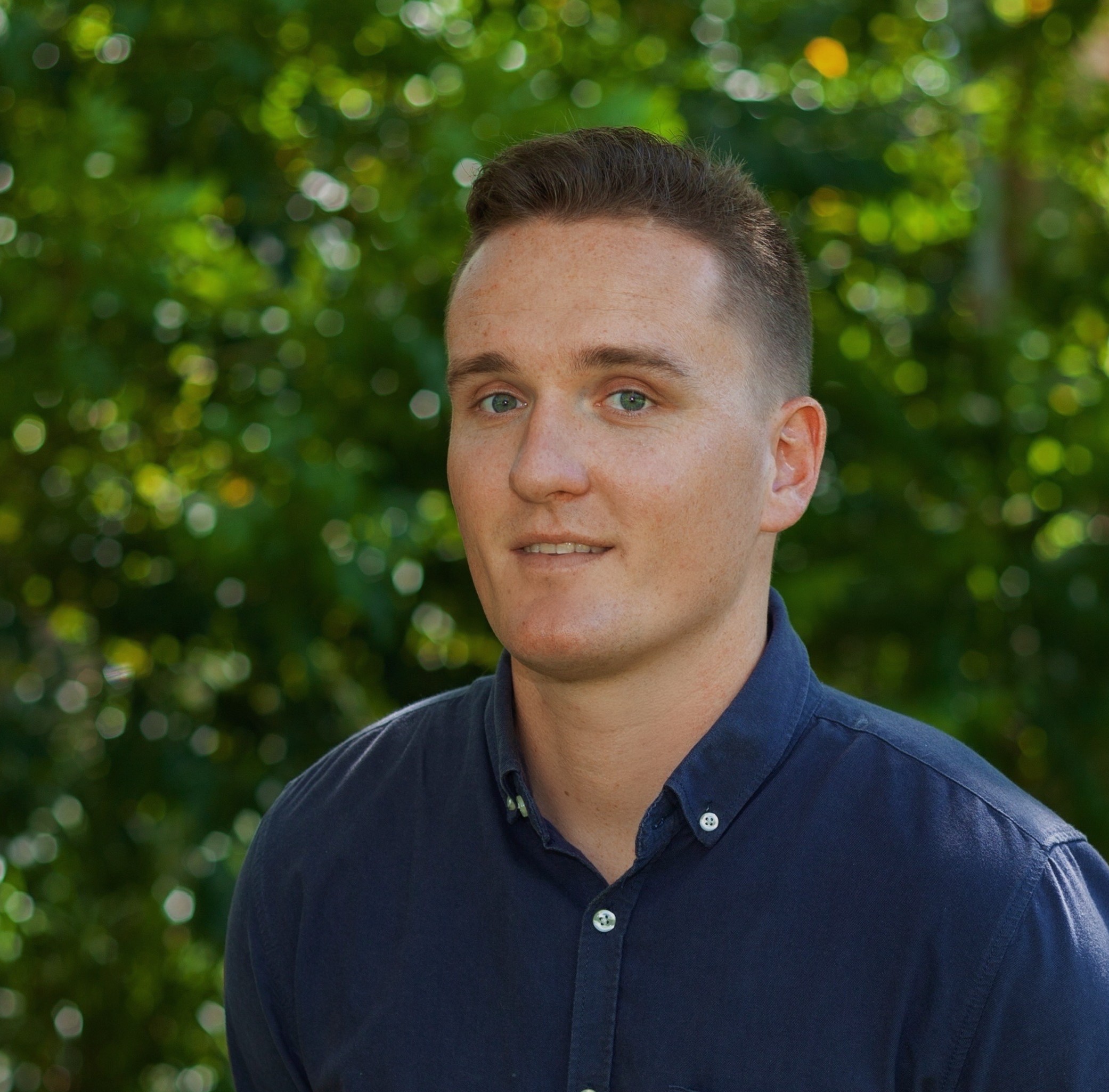
Peter Doll
- Research Fellow, Coral Reef Health Assessments
- peter.doll@jcu.edu.au
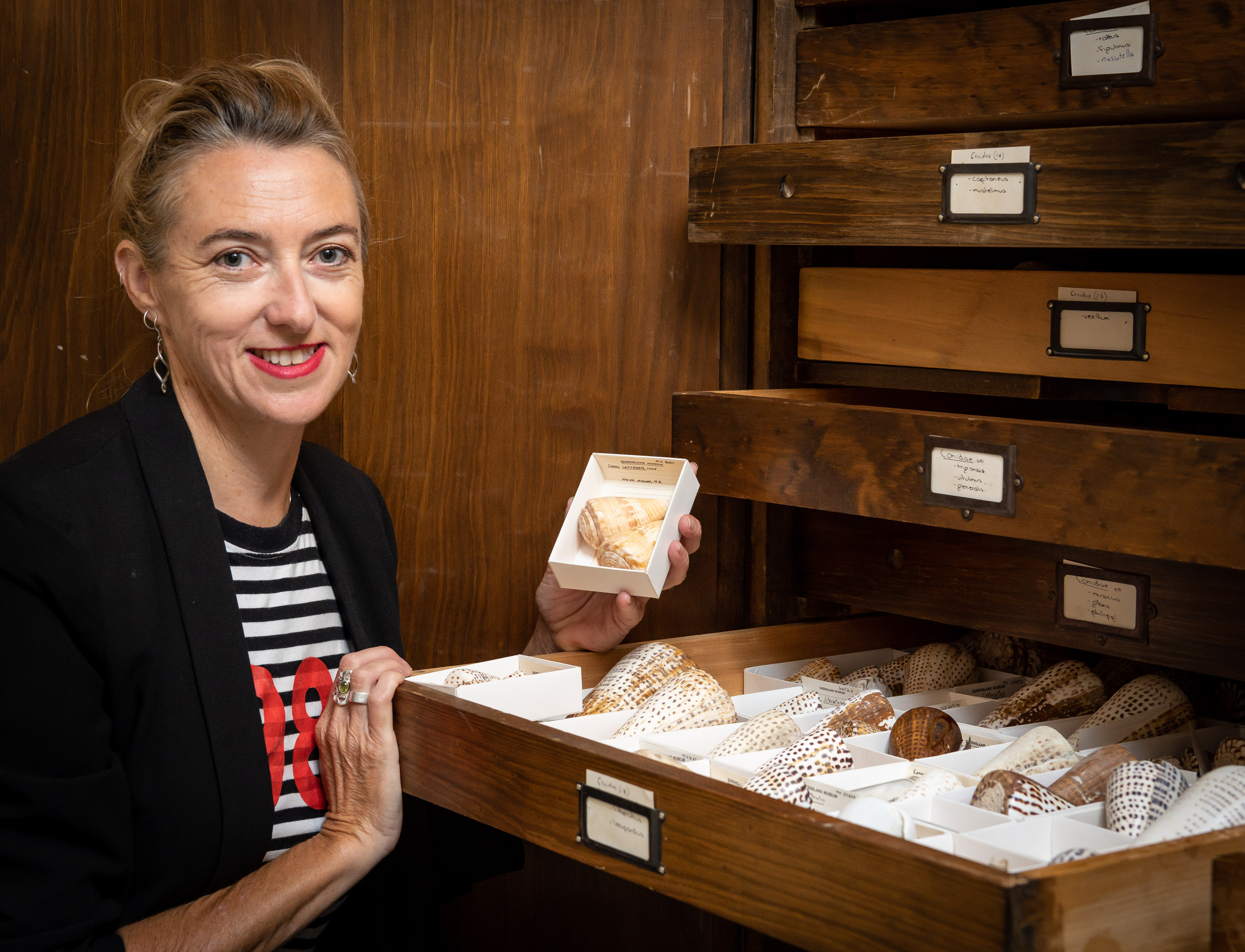
Michela Mitchell
- Casual Research Assistant
- michela.mitchell@jcu.edu.au
How magnetic resonance impacts on immune regulatory factor secretion from brain tumour cells during radiotherapy
AIMS AND OBJECTIVES 1. To investigate how magnetic resonance impacts on brain tumour cell growth and immune regulatory factor secretion from brain tumour cells during radiotherapy 2. To identify and quantify specific immune regulatory factors which are observed during irradiation within a magnetic field.
Closing the circular food economy: Advanced technologies to optimise black soldier fly (BSF) larvae nutritional composition for inclusion in aquafeed
Black soldier fly (BSF) biomass is a highly valuable source of nutrients for terrestrial and aquatic animals and has shown to include health promoting compounds that enhances animal production. However, the quality and composition of BSF biomass depends on numerous factors including the BSF stocks, rearing conditions including waste stream diets, post-harvest processing methods and storage conditions. To-date, there is currently little information available on the optimum post-harvest processing technologies and real-time on farm monitoring systems to maximise black soldier fly protein profiles for inclusion in aquafeeds. The objective of this study is to generate on-farm data to improve the nutritional profile of BSF larvae for their application as a substitute component in aquafeed. To achieve this aim, three main studies will be conducted, the first one will focus on generating optimum BSF larvae nutritional data through post-harvest technologies to enhancing BSF larvae composition for aquafeed, the second will focus on the development of a rapid digital diagnostic NIR tool for the real-time evaluation of organic waste streams and BSF larvae composition, and the final study will generate critical data on the effects of feeding BSF larvae on growth performance, gut health and product quality of black tiger marine shrimp.
Workshopping a reef restoration toolkit for Wallis et Futuna as a model for Pacific Island nations
This project aims to achieve two main objectives:
1) Rapid analysis of recent mass coral bleaching and recovery in Wallis and Futuna. Utilising existing photographic data (from April 2024), we will use CoralNet point-count software to identify severely affected reef sites and assess bleaching severity and susceptibility of coral species between sites. Follow-up surveys in October 2024 will determine bleaching-related mortality and recovery progress prior to summer 2024/2025. These surveys, conducted by the Wallis and Futuna Service Territorial de l’Environnement (STE), will compare data with the April surveys. Additionally, discussions are underway with National Geographic to include a summer 2025 survey. This analysis will guide prioritisation of reefs for restoration intervention and identify resilient reefs for protection.
2) Support three representatives from the Wallis and Futuna STE to attend specialised training in Townsville, Australia in February 2025, with online preparatory training from August 2024 to February 2025. Townsville is a leading hub for reef restoration research, with state of the art facilities and leading scientists. Training will focus on participatory reef monitoring, restoration techniques, and experimental design, facilitated by collaborators at the Australian Institute of Marine Science. Activities include visits to restoration sites, training on technologies such as CoralClip, coral gardening, ReefSeed, ‘sea-weeding,’ and ReefCloud, presentations on emerging restoration methods, and workshops for adapting techniques to local contexts. Reciprocal knowledge exchange will help guide both future Australian research to be applicable for Pacific islands, as well as arm Wallisian and Futunian delegates with knowledge to develop strategies for reef monitoring and management into the future.
Improving skin cancer research capacity by establishing a skin cancer biobank at Townsville University Hospital
Australia has the highest incidence of skin cancer worldwide and of all states and territories, Queensland has the highest rate in Australia. The skin cancer biobank will provide a prospectively collected pre-treatment and post-treatment tissue and serum cohort to allow us to study the biomarkers of tumour and its immune microenvironment with next generation tools (e.g. spatial analysis of proteomic and genomic, single cell sequencing, artificial intelligence, machine learning, etc). We aim to use these biomarkers along with our prospective registry of patients with high-risk skin cancer to further characterise the cancer and immune biology of high-risk skin cancer, response to treatment, and develop new treatment targets in the future.
Circulating human papillomavirus (HPV) DNA for surveillance of HPV-related oropharyngeal squamous cell carcinoma (HPV-OPSCC)
We hypothesize that cHPV-DNA-based post-treatment surveillance via capture-based NGS would have excellent negative predictive value (NPV) and positive predictive value (PPV) similar or superior to PCR-based testing in patients with HPV-OPSCC, leading to improvement in outcome prediction. We also hypothesize that cHPV-DNA-based surveillance is more cost-effective compared with standard routine clinical follow-up.
Australian Renderers Association Nutrition Workshops
The Australian Renderers Association (ARA) are a key part of the aquaculture feed supply chain in Australia and Asia. Their products are integral to circular economy approaches to nutrition, reusing valuable nutrients in the food supply chain. This consulting project is to present seminars on aquaculture nutrition in Philippines, Vietnam and Thailand, specifically focussing on the role of rendered animal meals in aquafeeds. This aligns with other funded projects on aquaculture nutrition and circular economy of benefit to Australian and SE Asian aquaculture industries.
Townsville City Council Saltmarsh Restoration
Undertake saltmarsh restoration trials with Townsville City Council within their estate.
Townsville City Council Saltmarsh Restoration
Undertake saltmarsh restoration trials with Townsville City Council within their estate.
Coral bleaching, reef fish community phase shifts and the resilience of coral reefs
- 2006
- Blackwell Publishing
- Researchers:David BellwoodAndrew Hoey
Regional-scale assembly rules and biodiversity of coral reefs
- 2001
- American Association for the Advancement of Science
- Researchers:David BellwoodTerry Hughes
Confronting the coral reef crisis
- 2004
- Nature Publishing Group
- Researchers:David BellwoodTerry Hughes
Influence of age and moderate-intensity exercise training on heart rate variability in young and mature adults
- 2003
- Human Kinetics
- Researchers:Anthony LeichtAndrew Hoey
Influence of intensive cycling training on heart rate variability during rest and exercise
- 2003
- NRC Reserch Press
- Researchers:Anthony LeichtAndrew Hoey
Start Date:
10 Nov 2024
Start Date:
31 Mar 2025
Start Date:
01 Jan 2024
Start Date:
01 Jan 2024
End Date:
01 Jan 2027
Start Date:
01 Jan 2004
End Date:
01 Jan 2006
Start Date:
01 Jan 2007
End Date:
01 Jan 2007
Title:
PhD, James Cook University
Start Date:
01 Jan 2002
End Date:
01 Jan 2005
Start Date:
01 Jan 1996
End Date:
01 Jan 1999