
Marine Biology & Aquaculture

Mikaeylah Davidson
- Postdoctoral Research Fellow
- mikaeylah.davidson@jcu.edu.au
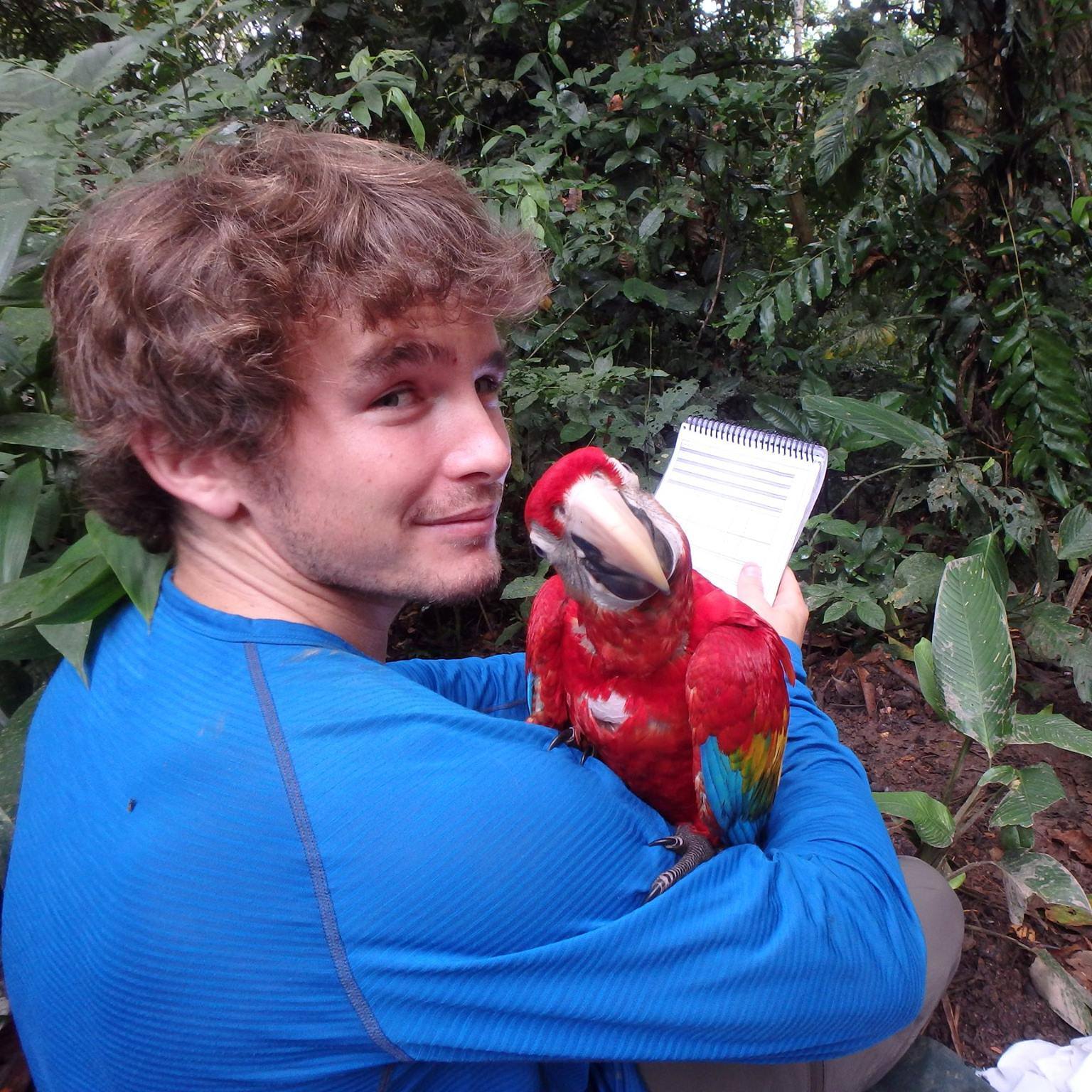
Tom Lloyd
- Postdoctoral Research Fellow, Global Ecosystems
- tom.lloyd@jcu.edu.au

Alys Young
- Postdoctoral Research Fellow, Global Ecosystems
- alys.young@jcu.edu.au

William Arlidge
- Postdoctoral Research Fellow in Community-Based Fisheries Co-Management
- william.arlidge@jcu.edu.au

Anna Wilson
- Project Coordinator
- anna.wilson@jcu.edu.au
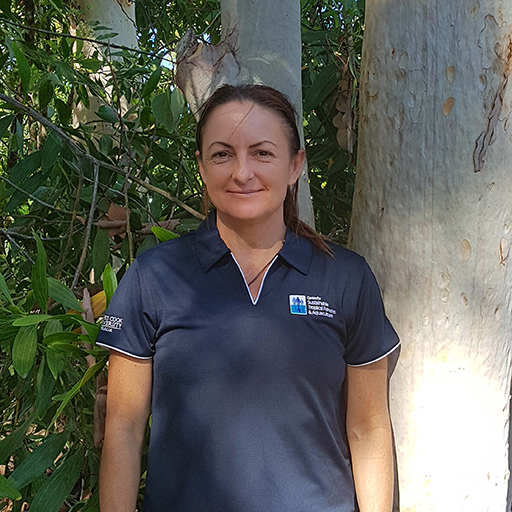
Kelly Condon
- Senior Lecturer, Aquaculture (Aquatic Animal Health)
- kelly.condon@jcu.edu.au

Graeme Cumming
- Adjunct Professor
- graeme.cumming@jcu.edu.au

Takahiro Shimada
- Adjunct Senior Research Fellow
- takahiro.shimada@jcu.edu.au

Peter Doll
- Research Fellow, Coral Reef Health Assessments
- peter.doll@jcu.edu.au
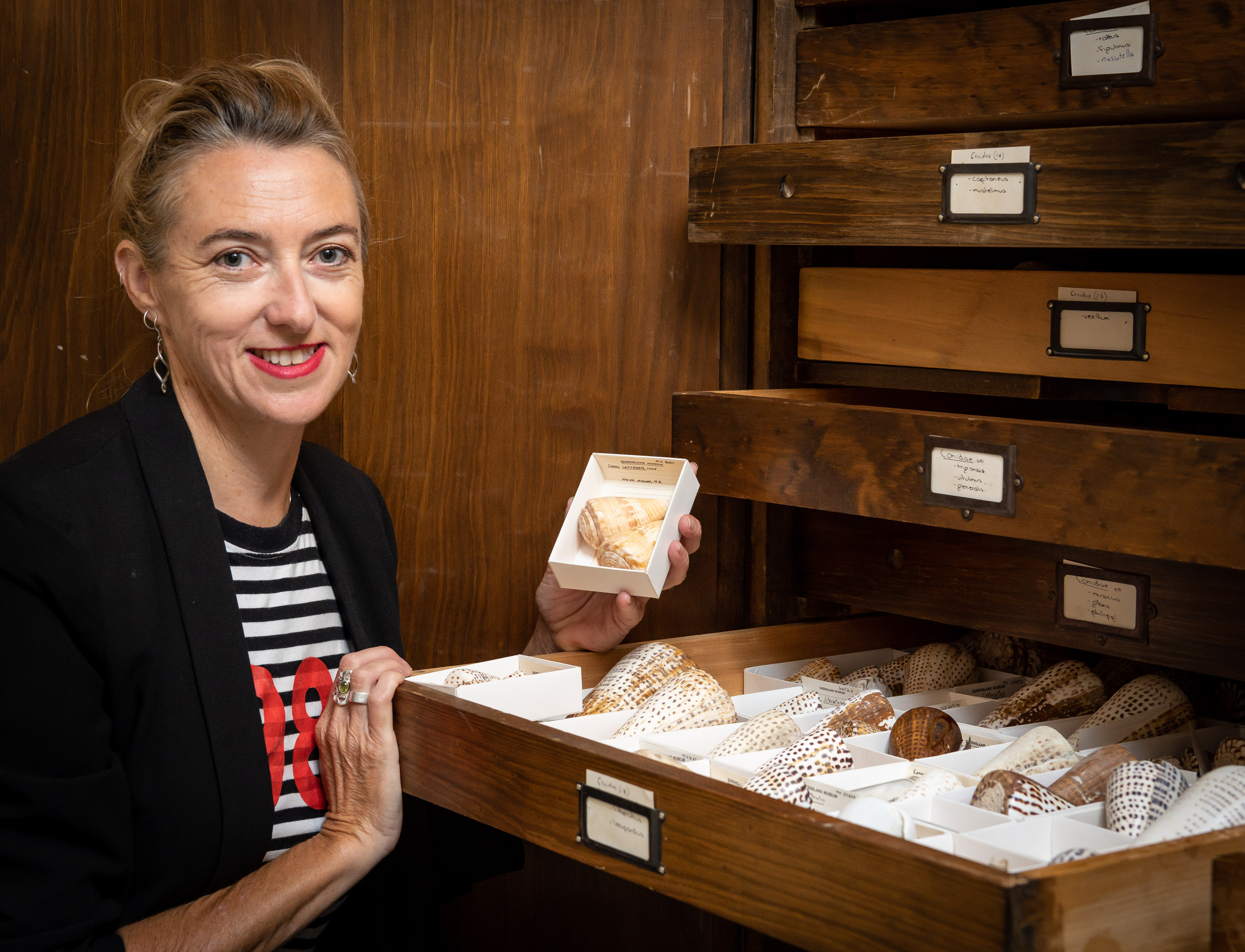
Michela Mitchell
- Casual Research Assistant
- michela.mitchell@jcu.edu.au
Development of in situ Sr isotope analyses in shark vertebrae (Old ID 27633)
Accurately ageing sharks underpins sustainable harvest and population recovery. The conventional ageing technique consists of counting growth bands in vertebrae, however, this approach suffers errors associated with over- and under-counting due to misidentifying periodic features and in-complete. More recently, element-to-element ratios have been explored as complementary tools for determining age and migratory, and in this context Mn:Ca shows promise as an age-specific fingerprint, and Sr:Ca has shown promise as one of the most prominent indicators of fresh/estuarial vs. marine environment (along with Ba:Ca), because marine environments typically have significantly higher Sr (and lower Ba) concentrations. This means that Sr:Ca—alongside Mn:Ca and Ba:Ca—can potentially be used as an annual marker, in particular for female sharks that annually return to freshwater environments to pup. It is well-known from fish otoliths (a calcified part of the inner ear) that marine and freshwater environments display distinct Sr isotope signatures (87Sr/86Sr ratios), and that fresh vs marine signatures can be readily distinguished at requisite length-scales (e.g. 50 microns) using in situ (“in place”, i.e. non-destructively) laser ablation multi-collector inductively coupled plasma mass spectrometry (or LA-MC-ICP-MS). Moreover, it is well-established that 87Sr/86Sr ratios can be determined in situ in bio-apatite (calcium phosphate or bone, such as that in fish vertebrae), and 87Sr/86Sr ratios in bio-apatite can be used to determine sub-annual mobility. And yet to date, Sr isotopes have never been investigated in shark vertebrae towards these ends. This study will combine in situ elemental compositions and 87Sr/86Sr ratios in the vertebrae of sharks to determine their ultimate viability as complementary ageing, environmental and migratory reconstruction tools.
Expanding Traditional Owner led seagrass monitoring and restoration in the Girringun TUMRA
Girringun elders and rangers have discussed the emerging Australian blue carbon market and are interested to learn more about what it means for Girringun clans and the health of their country. While progress has been made to include blue carbon in international and national policy and finance mechanisms, the full integration of coastal management activities as part of a climate mitigation strategy has not yet been realised. Estimates of organic carbon storage by seagrass meadows considering inter-habitat variability are essential to understand their potential to sequester carbon dioxide (CO2) and derive robust global and regional estimates of blue carbon storage. Girringun Aboriginal Corporation sees this project as an opportunity to investigate the potential to improve the health of our coast, trial new technology to map seagrass/ blue carbon habitat, estimate carbon value in sea country, increase ranger skills, and learn more about carbon storage in the TUMRA region and how emissions can be reduced in sea country.
The project is designed to use a two-way knowledge approach, incorporating Indigenous knowledge (IK) and western science and technology in the Girringun TUMRA. Through this project GAC aims to continue their collaboration with JCU and CDU and form a new partnership with UQ. GAC have chosen these university partners due to their scientific expertise in seagrass and carbon research and experience working with Traditional Owners and Indigenous Ranger groups. This project includes Traditional Owners for six coastal clan groups in the Girringun TUMRA.
Improved education and training models to futureproof the aquaculture industry need for skilled staff to 2050 (Old ID 27215)
By evaluating industry workforce needs currently and into the future and analysing the gaps between industry need and educational output, we aim to highlight gaps in careers pathways to meet future industry requirements. These careers pathways will form the basis of promotional tools created to highlight education and skills development options that lead secondary students into the aquaculture industry. Cost-effective delivery models for training will be key to the outcomes of the project and a pilot project to up-skill existing industry employees in biosecurity will be used to develop and de-bottleneck new training delivery models.
Tropical North Queensland Drought Resilience Adoption and Innovation Hub (TNQ Hub)
This project will establish, implement and manage the TNQHub (“Hub”) activities including collaborative research, development, extension, adoption and commercialisation (RDEA&C). The Hub will help Australian farmers and communities become more prepared for, and resilient to, the impacts of drought. The objective is to invest in RDEA&C activities, which involves: - Cross-sectoral innovative and transformative RDEA&C - Focus on the needs of end users, involving them in the co-design and adoption phases of research and development - Delivery of effective communication of new and existing knowledge and technologies - Co-investment in national drought resilience RDEA&C priorities with collaboration and co-design between governments, primary producers, community groups, research and training provider
ARC Research Hub for Supercharging Tropical Aquaculture Through Genetic Solutions (Old ID 27374)
This project aims to integrate cutting edge genetic and genomic approaches into innovative aquaculture enterprises that farm in tropical northern Australia. It will deliver the requisite genetic knowledge to instigate world-leading and highly productive breeding programs for five species (barramundi, pearl oyster, prawn, grouper and marine seaweed), along with a novel understanding of the genetic basis of disease resistance and how the production environment interfaces with the bacterial microbiome, pathogens and water quality to cause disease. It will increase Australia's capacity to deliver advanced genetics outcomes to the aquaculture sector, while increasing productivity, international competitiveness, and lowered risk due to disease.
The Development of Procedures for Quantifying Prawn Allergens (Old ID 23528)
There is an increasing prevalence of food allergies world-wide with shellfish being one of the main food groups that provoke serious IgE-mediated adverse reactions. Shellfish allergy affects up to 2% of the world population, with higher prevalence seen in areas with high seafood consumption. Because of the high incidence of allergic reactions to prawns, the study focuses on this highly consumed shellfish species. The major allergenic proteins from prawns will be purified and monoclonal antibodies will be developed against them. These antibodies will be used to establish a sensitive and reproducible ELISA based quantification method for the prawn allergens.
Coastal acidification in the benthic boundary layer on inshore reefs: implications on water chemistry and benthic communities (Old ID 24986)
This project will investigate the effects of coastal acidification on the waters within the benthic boundary layer, as well as the implications for important coral reef organisms and communities present in this area. I aim to (a) understand the dynamics and responses of this microenvi9ronment and its constituents with respect to coastal acidification and temperature, and (b) improve current predictions on the reef's ability to recover after acute stresses, such as bleaching or cyclone damage, under an increasingly acidifying ecosystem.
Comparing the use of underwater video and unmanned aerial vehicles for assessing use of tropical estuaries by marine fauna (Old ID 27583)
Remote underwater video (RUV) is considered an established method for elucidating fish community structure but little work has been done to assess the optimal number of cameras required to precisely assess species richness. Unmanned aerial vehicles (UAVs), on the other hand have remained completely untested for this purpose. Using the two methods in tandem (RUVs and UAVs), this project aims to compare established (RUV) and novel (UAV) methodologies for determining fish community structure and determine how may cameras are required to accurately and precisely assess the use of large woody debris by fish.
Coral bleaching, reef fish community phase shifts and the resilience of coral reefs
- 2006
- Blackwell Publishing
- Researchers:David BellwoodAndrew Hoey
Regional-scale assembly rules and biodiversity of coral reefs
- 2001
- American Association for the Advancement of Science
- Researchers:David BellwoodTerry Hughes
Confronting the coral reef crisis
- 2004
- Nature Publishing Group
- Researchers:David BellwoodTerry Hughes
Influence of age and moderate-intensity exercise training on heart rate variability in young and mature adults
- 2003
- Human Kinetics
- Researchers:Anthony LeichtAndrew Hoey
Influence of intensive cycling training on heart rate variability during rest and exercise
- 2003
- NRC Reserch Press
- Researchers:Anthony LeichtAndrew Hoey
Start Date:
10 Nov 2024
Start Date:
31 Mar 2025
Start Date:
01 Jan 2024
Start Date:
01 Jan 2024
End Date:
01 Jan 2027
Start Date:
01 Jan 2004
End Date:
01 Jan 2006
Start Date:
01 Jan 2007
End Date:
01 Jan 2007
Title:
PhD, James Cook University
Start Date:
01 Jan 2002
End Date:
01 Jan 2005
Start Date:
01 Jan 1996
End Date:
01 Jan 1999