
Marine Biology & Aquaculture

Mikaeylah Davidson
- Postdoctoral Research Fellow
- mikaeylah.davidson@jcu.edu.au
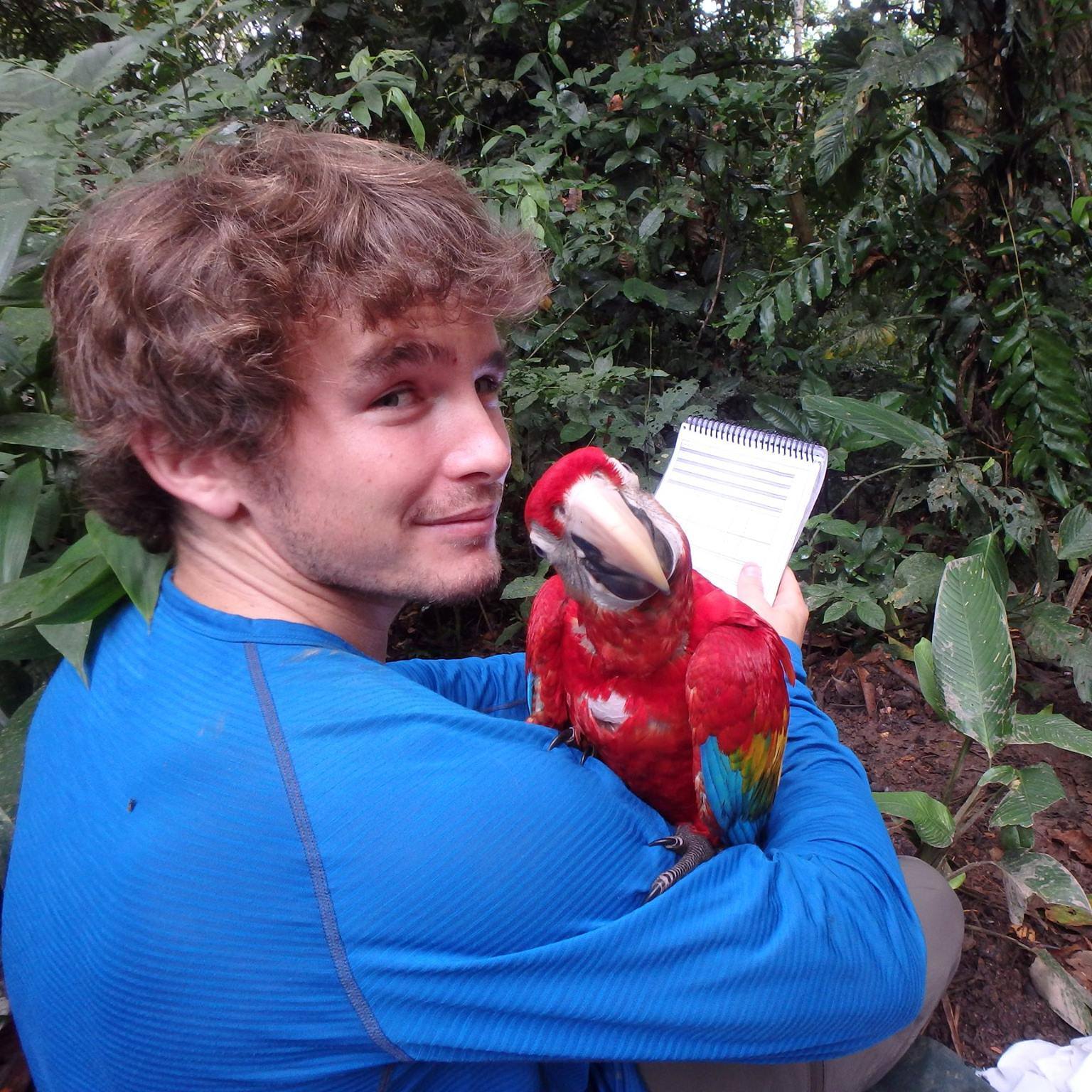
Tom Lloyd
- Postdoctoral Research Fellow, Global Ecosystems
- tom.lloyd@jcu.edu.au

Alys Young
- Postdoctoral Research Fellow, Global Ecosystems
- alys.young@jcu.edu.au
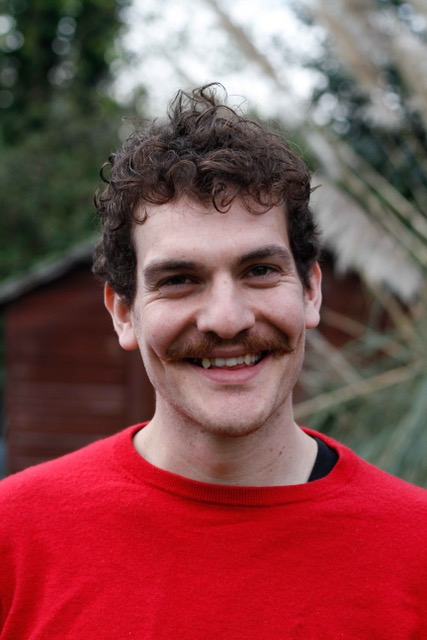
William Arlidge
- Postdoctoral Research Fellow in Community-Based Fisheries Co-Management
- william.arlidge@jcu.edu.au

Anna Wilson
- Project Coordinator
- anna.wilson@jcu.edu.au
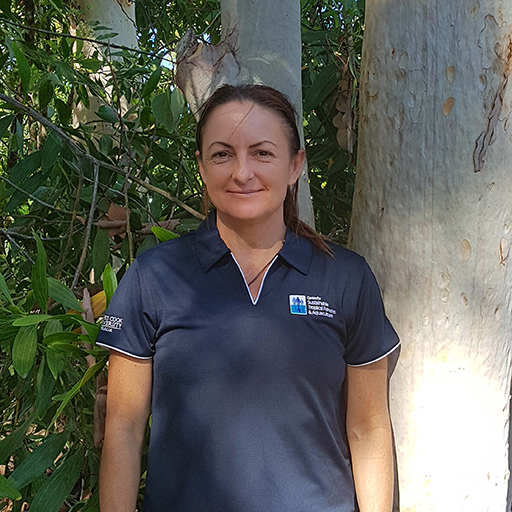
Kelly Condon
- Senior Lecturer, Aquaculture (Aquatic Animal Health)
- kelly.condon@jcu.edu.au

Graeme Cumming
- Adjunct Professor
- graeme.cumming@jcu.edu.au

Takahiro Shimada
- Adjunct Senior Research Fellow
- takahiro.shimada@jcu.edu.au

Peter Doll
- Research Fellow, Coral Reef Health Assessments
- peter.doll@jcu.edu.au
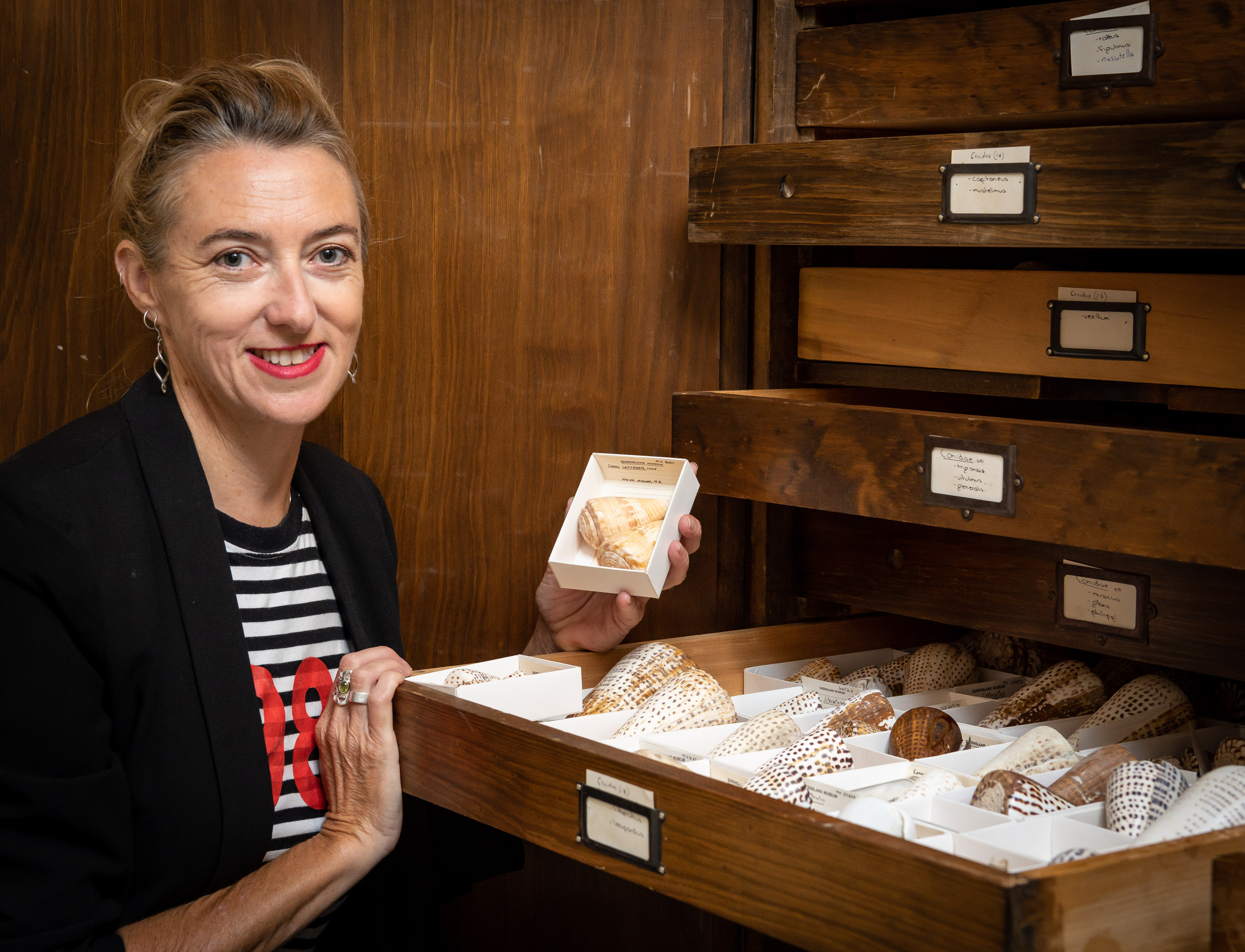
Michela Mitchell
- Casual Research Assistant
- michela.mitchell@jcu.edu.au
Enhancing Groundwater Discharge Detection for Improved Water Quality Research and Coastal Management
The funds will be used to purchase equipment that will allow cutting-edge multidisciplinary research linking hydrology, soil sciences and water quality to support several academics at JCU.
Deciphering the molecular and environmental determinants of sex-change in barramundi (Old ID 20663)
Barramundi breeding programs to boost productivity and international competitiveness are hindered by a lack of reproductive control. Barramundi change sex from male to emale at 3-5 years of age, requiring hatcheries to maintain male broodstock for several years before they can be bred as females. This increases required infrastructure and decreases the rate of genetic improvement that can be achieved. This project will elucidate genetic mechanisms regulating barramundi sex change and will develop approaches allowing hatcheries to efficiently control broodstock sex. The ability to obtain reproductive control
Predicting food allergy through early diagnosis of molecular cross-reactivity in house dust mite sensitised children (Old ID 21977)
House dust mite allergy is highly prevalent worldwide, with over 20% of the general population being affected. Of this affected population, 5% are vulnerable to sensitisation to cross-reactive allergens in consumed shellfish, which can develop into a life-long food allergy. This may lead to the unexpected event of life-threatening anaphylactic reactions in dust mite allergic children upon exposure to shellfish. Current diagnostic methods such as skin prick tests and in vitro specific IgE tests are not accurate in the identification of allergen-specific IgE cross-reactivity, which would provide an early indication of cross-sensitisation. The outcomes of the proposed research will aid in developing novel in vitro IgE diagnostic approaches, allowing for the differential quantification of specific IgE to cross-reactive pan-allergens found in house dust mites and consumed shellfish species. The significance of this research is in the development of a predictive model, enabling the early detection of risks factors for developing food allergy to shellfish in dust mite allergic children, thereby leading to the improved management of this severe clinical condition.
Modelling the net growth of coral reefs under climate change: the neglected role of bio-eroding sponges (Old ID 21423)
The project will investigate the hypothesis that under climate change, sponges will erode coral reefs at a faster rate than corals can form reefs. If true, sponge bioerosion may make it more difficult for corals to sustain reefs under climate change. The project will use controlled experiments to determine how sponge reproduction and fitness are affected by predicted climate change conditions. These data will then be used to develop models to predict sponge fitness, sponge-coral competition, reef erosion patterns, and overall reef resilience under climate change scenarios.
Identification and Restoration of Intertidal Fish Nursery Habitat in the Baffle Catchment (Old ID 22982)
This project aims to identify high intertidal fish nursery habitat pools in the Baffle Drainage Basin (BDB), assess their value to fish, evaluate the current state of their functionality, prioritise pools for restoration and identify viable restoration solutions. By involving local stakeholders, local government, regional NRM and State Government scientists and managers, a network of users will gain an understanding of how these habitats function and can be restored, based upon this baseline research.
Recovery of the Great Barrier Reef. (Old ID 26455)
This project investigates the potential for restoration of reef ecosystems around Magnetic Island. Linked with Earthwatch Australia, it is a citizen science-based project that engages volunteers to help remove macroalgae and monitor changes in coral recruitment, sediment dynamics, community composition, algae regrowth rates, and coral biology, with the hopes that removal of algae leads to an increase in coral cover. The project is an extension of a previous project which accumulated 7 years of base line data on demographic recovery dynamics of corals at Orpheus Island.
Biosecurity in northern Australian prawn aquaculture (Old ID 25021)
This project addresses biosecurity risk through conducting the first comprehensive and widespread biosecurity audit of Australian prawn farms. This project has two components. The first is to conduct a biosecurity metanalysis using traditional and molecular diagnostic tools to establish what pathogens currently occur on prawn farms and how they relate to productivity. Secondly, once the pathobiome is established the project will formulate a risk management strategy for industry and provide on-farm biosecurity training. Understanding the risk of disease, and increased capacity to detect and monitor on-farm, will lead to more effective management practices for northern Australian prawn aquaculture.
Functional connectivity in pinnacle-reef mesopredator fishes: ecological considerations for fisheries management (Old ID 25132)
This project aims to determine habitat use and residency patterns in key coral reef mesopredatory fishes large carnivores, themselves subject to predation). The study will take place in Kimbe Bay, West New Britain, Papua New Guinea, a location identified by the Nature Conservancy as critical for preserving marine biodiversity in the Coral Triangle. Acoustic telemetry (underwater radio receivers) will be used to investigate three important species and the study will provide critical information about how these organisms utilise a range of habitats in the region. Project findings should prove invaluable for future conservation and sustainability planning for the region.
Determinig the abundance of microplastics on nearshore reefs (Old ID 23379)
The overarching aim of my PhD is to quantify plastic pollution coming from north Queensland communities, and how this may influence the GBRWHA. In this proposal, my objective is to identify an indicator speies that can be used to determine the presence and extend of plastic pollution on nearshore reefs. The proposed project will focus on sponges and soft corals because they are non-selective suspension feeding organisms, and likely candidates as natural 'indicators' of plastic presence in the environment. By quantifying microplastics ingested by organisms, this project also aims to illuminate the potential impacts of mircroplastics to benthic reef species.
Dissolved oxygen as a constraint for fish utilising mangrove forests. (Old ID 22654)
This project focuses on understanding how dissolved oxygen (DO) impacts mangrove fish utilisation. In heavily vegetated habitats like mangroves, DO undergoes complex changes brought about by biogeochemical demand. The extent of DO depletion depends on many environmental parameters such as tide, time or day or human activities. Substantial DO depletion could limit the value of mangroves as habitats for fish. Consequently, I aim to: (i) develop an understanding of DO dynamics in mangrove forests; (ii) identify environmental parameters that drive these fluctuations; (iii) investigate how depressed DO impacts fish assemblages and behaviour; and (iv) establish DO thresholds for five fish species occupying mangroves.
Coral bleaching, reef fish community phase shifts and the resilience of coral reefs
- 2006
- Blackwell Publishing
- Researchers:David BellwoodAndrew Hoey
Regional-scale assembly rules and biodiversity of coral reefs
- 2001
- American Association for the Advancement of Science
- Researchers:David BellwoodTerry Hughes
Confronting the coral reef crisis
- 2004
- Nature Publishing Group
- Researchers:David BellwoodTerry Hughes
Influence of age and moderate-intensity exercise training on heart rate variability in young and mature adults
- 2003
- Human Kinetics
- Researchers:Anthony LeichtAndrew Hoey
Influence of intensive cycling training on heart rate variability during rest and exercise
- 2003
- NRC Reserch Press
- Researchers:Anthony LeichtAndrew Hoey
Start Date:
10 Nov 2024
Start Date:
31 Mar 2025
Start Date:
01 Jan 2024
Start Date:
01 Jan 2024
End Date:
01 Jan 2027
Start Date:
01 Jan 2004
End Date:
01 Jan 2006
Start Date:
01 Jan 2007
End Date:
01 Jan 2007
Title:
PhD, James Cook University
Start Date:
01 Jan 2002
End Date:
01 Jan 2005
Start Date:
01 Jan 1996
End Date:
01 Jan 1999