
Marine Biology & Aquaculture
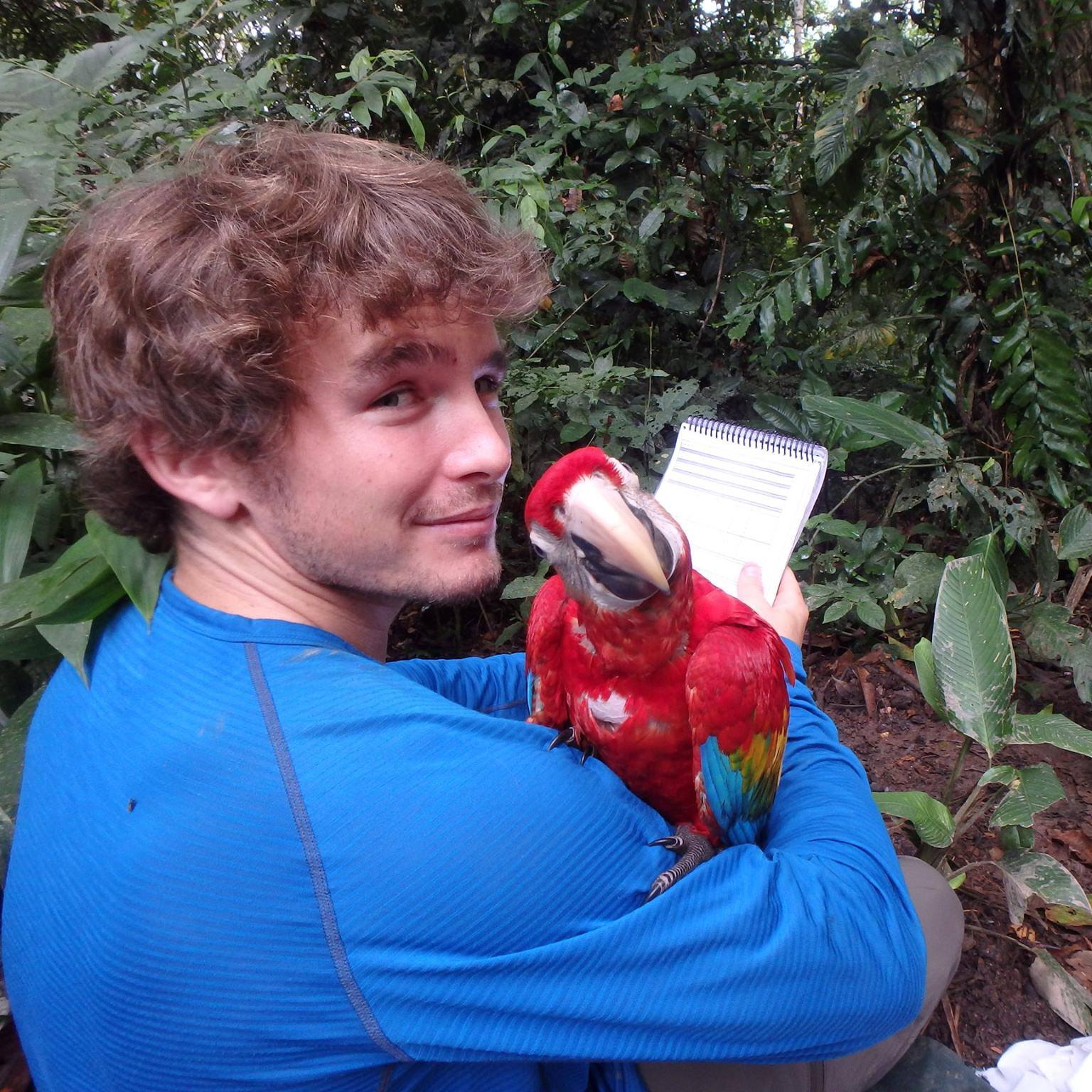
Tom Lloyd
- Postdoctoral Research Fellow, Global Ecosystems
- tom.lloyd@jcu.edu.au

Alys Young
- Postdoctoral Research Fellow, Global Ecosystems
- alys.young@jcu.edu.au
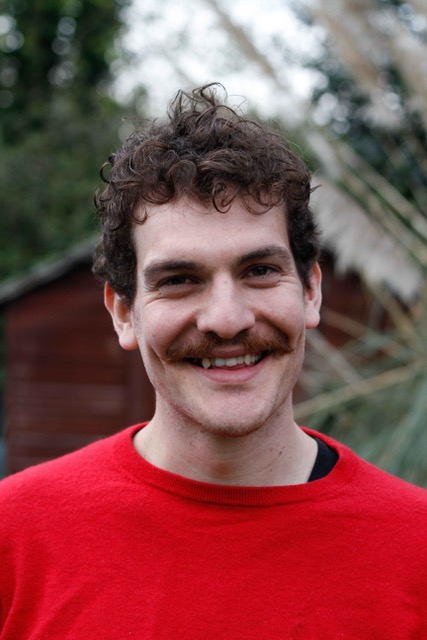
William Arlidge
- Postdoctoral Research Fellow in Community-Based Fisheries Co-Management
- william.arlidge@jcu.edu.au
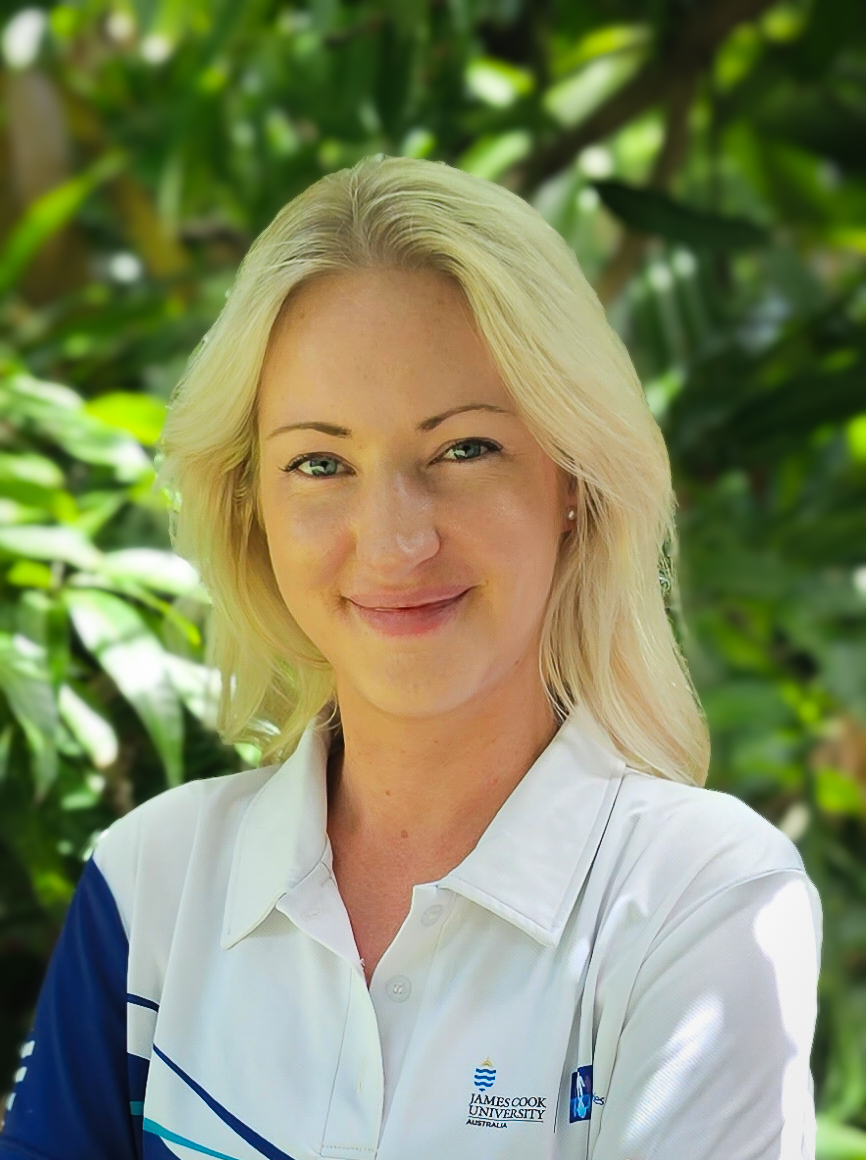
Anna Wilson
- Senior Research Worker
- anna.wilson@jcu.edu.au
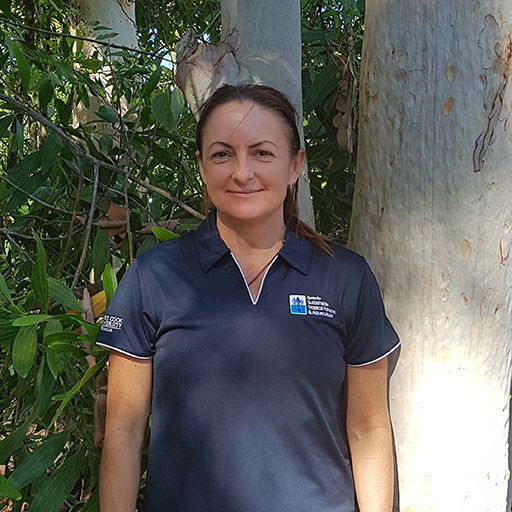
Kelly Condon
- Senior Lecturer, Aquaculture (Aquatic Animal Health)
- kelly.condon@jcu.edu.au

Graeme Cumming
- Adjunct Professor
- graeme.cumming@jcu.edu.au

Takahiro Shimada
- Adjunct Senior Research Fellow
- takahiro.shimada@jcu.edu.au
Peter Doll
- Research Fellow, Coral Reef Health Assessments
- peter.doll@jcu.edu.au
Michela Mitchell
- Casual Research Assistant
- michela.mitchell@jcu.edu.au
Jan Strugnell
- Professor, Promotional Chair
- jan.strugnell@jcu.edu.au
Conserving riverine elasmobranchs in Borneo, focusing on threatened river sharks (Glyphis sp.) (Old ID 27129)
By 2050 the capital of Indonesia will be relocated to East Kalimantan, Borneo, increasing human population density and pressures on Borneo’s river environments through small-scale fishing and commercial developments. In March 2020, we obtained evidence of what is likely an undescribed Glyphis species persisting in southern Borneo. Additionally, there are four poorly known endangered ray species in freshwaters of Borneo’s rivers. In collaboration with Hasanuddin University, this projects aims to survey major river systems in East, North, and West Kalimantan to locate and taxonomically describe the southern Borneo Glyphis species, and fill knowledge gaps on the distribution and status of Borneo’s freshwater rays.
Saltmarshes Connectivity in Tropical Seascapes: An Ecohydrological Perspective (Old ID 27438)
Saltmarshes are among the most threatened coastal ecosystems on the planet. Yet, our understanding of their functionality and ecosystem value as productive coastal habitat is derived from only a small number of studies in temperate and subtropical zones, with almost nothing known about tropical saltmarshes. The proposed research aims to address this knowledge gap by providing insights into the importance of seascape connectivity and configuration on saltmarsh patches. The relationships between saltmarsh hydroperiod (frequency, duration and depth of saltmarsh flooding) and elevation on saltmarsh plants are first investigated. This information will then be used to examine the effects of hydroperiod and seascape configuration on the diets of saltmarsh crabs and their role as trophic subsidies supporting broader estuarine food webs. This study also attempts to investigate the vulnerability of saltmarshes to sea level rise and anthropogenic changes. Together, this research will quantitatively assess the importance and mechanisms of some of the drivers of saltmarsh connectivity in tropical seascapes, thus directly contributing to an ecologically meaningful understanding of these virtually unstudied, though under threat, ecosystems.
Taxonomic assessment of corals in the Australian Indian Ocean Territory (Old ID 28958)
Document the species richness of the coral fauna of Christmas and Cocos (Keeling) islands (Australian Indian Ocean Territory), with a focus on identifying new species, species endemic to the region or vulnerable to threats due to low abundance or limited distributions.
Coral recovery dynamics on post-bleach coral reefs (Old ID 27474)
I will use a long-term data to investigate what determines patterns of coral settlement and survival in Lizard Island. 1) Investigate the fate of juvenile corals settled after the back-to-back bleaching events in the Island. 2) I will deploy current meters to provide hydrodynamic data to determine whether currents are able to explain the uneven distribution of recruits. 3) These current data will be combined with detailed 3D photogrammetry to generate small-scale digital photomosaic to estimate if and, to what extent multi-scale topographical details may interact with currents to determine the distribution, fate and growth of recruited corals.
Impacts of a volcanic eruption on coral reef fisheries in a co-managed fishery-system (Old ID 27870)
In January 2022, a massive submarine volcanic eruption occurred in the Kingdom of Tonga, causing widespread damage from both ashfall and tsunami waves. For 20 years prior to this eruption, the Tongan government has worked closely with local communities to manage and conserve the countries coral reef ecosystem and reef fisheries. In the wake of this acute disturbance, I aim to: 1)understand how coral reefs and their fisheries respond to massive acute disturbances, and 2)investigate whether local marine management measures can mitigate observed impacts. Ecological surveys of fish and reef health will be conducted across the country’s coral reefs, both within and beyond managed areas, at varying distances from the eruption epicentre.
Moore Reef Grounding Assessment (Coral Sea Marine Park) (Old ID 27905)
A vessel was reported to have run aground at Moore Reef in the Coral Sea Marine Park in December 2022. This project will use surveys of the grounding site and surrounding habitat to understand the impact of the vessel grounding on reef habitats, and benthic and fish communities on Moore Reef.
ARC Centre of Excellence for Integrated Coral Reef Studies (Old ID 21109)
The overarching aim of the ARC Centre of Excellence for Integrated Coral Reef Studies is to provide the scientific knowledge necessary for sustaining ecosystem goods and services of the world's coral reefs, which support the livelihoods and food security of millions of people in the tropics. The Centre will enhance Australia's global leadership in coral reef science through three ambitious research programs addressing the future of coral reefs and their ability to adapt to change. A key outcome of the research will be providing tangible benefits to all Australians by bui8lding bridges between the natural and social sciences, strengthening capacity, and informing and supporting transformative changes in coral reef governance and management.
ARC Centre of Excellence for Integrated Coral Reef Studies (Old ID 21109)
The overarching aim of the ARC Centre of Excellence for Integrated Coral Reef Studies is to provide the scientific knowledge necessary for sustaining ecosystem goods and services of the world's coral reefs, which support the livelihoods and food security of millions of people in the tropics. The Centre will enhance Australia's global leadership in coral reef science through three ambitious research programs addressing the future of coral reefs and their ability to adapt to change. A key outcome of the research will be providing tangible benefits to all Australians by bui8lding bridges between the natural and social sciences, strengthening capacity, and informing and supporting transformative changes in coral reef governance and management.
AI-Powered Precision Farming: Mapping, Detection, Planning, and Spot Spraying (Old ID 31107)
High-tech solutions in agriculture offer many benefits for improved crop and land management. However, current methods rely heavily on human experts for monitoring and planning. To address this, we propose a state-of-the-art AI-based spraying strategy software that: • takes aerial images of the farm/land vegetation (using drones, planes, satellites, etc.) and detects field requirements, • generates a pre-spray map on GIS systems, considering the existing terrain topographies, • optimally plans the detailed spraying strategy and suggests one or a combination of proper spraying methods such as blanket, vehicular spot, or aerial spraying, and • whenever possible, effectively commands and controls appropriate devices to spray, such as drones, vehicles, people, etc. It might also receive feedback and correspondingly optimize the process/plan. This AI-Powered system helps farmers and producers precisely spray, saving costs and the environment.
2022 Scientific Consensus Statement / Review of Water Quality Targets Projects (Old ID 27867)
Project Part A: Lead authors selected to deliver synthesis of evidence for assigned questions forming the 2022 Scientific Consensus Statement Project Part C: Review of the GBR end of catchment water quality (sediment and nutrient) targets.
Functional innovations and morphological diversification in parrotfish
- 2010
- Wiley-Blackwell
- Researchers:David Bellwood
Start Date:
10 Nov 2024
Start Date:
31 Mar 2025
Start Date:
01 Jan 2024
Start Date:
01 Jan 2024
End Date:
01 Jan 2027
Start Date:
01 Jan 2004
End Date:
01 Jan 2006
Start Date:
01 Jan 2007
End Date:
01 Jan 2007
Title:
PhD, James Cook University
Start Date:
01 Jan 2002
End Date:
01 Jan 2005
Start Date:
01 Jan 1996
End Date:
01 Jan 1999