
Marine Biology & Aquaculture
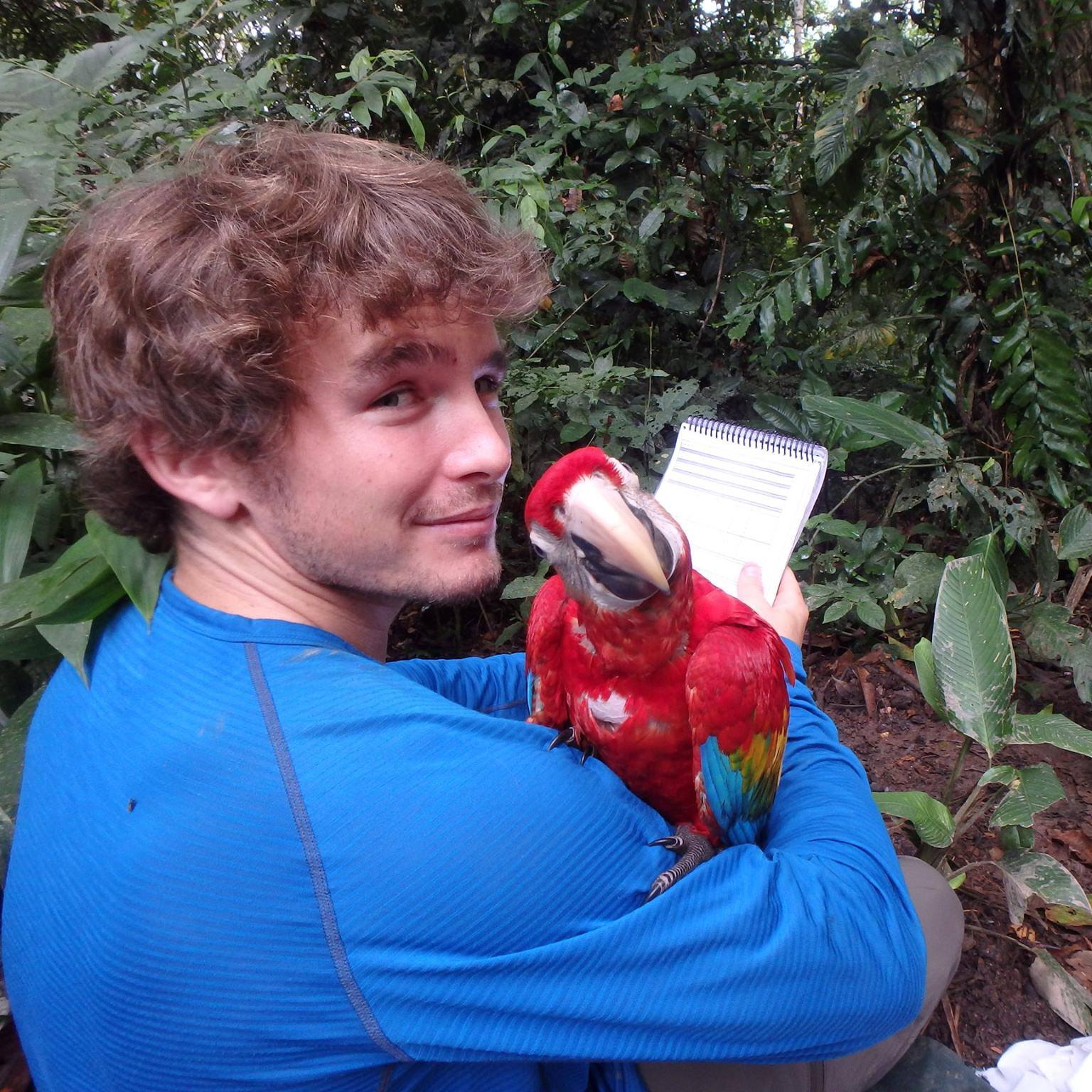
Tom Lloyd
- Postdoctoral Research Fellow, Global Ecosystems
- tom.lloyd@jcu.edu.au

Alys Young
- Postdoctoral Research Fellow, Global Ecosystems
- alys.young@jcu.edu.au
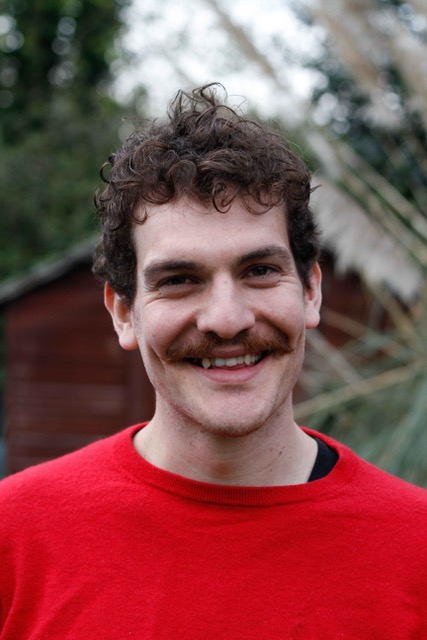
William Arlidge
- Postdoctoral Research Fellow in Community-Based Fisheries Co-Management
- william.arlidge@jcu.edu.au

Anna Wilson
- Senior Research Worker
- anna.wilson@jcu.edu.au
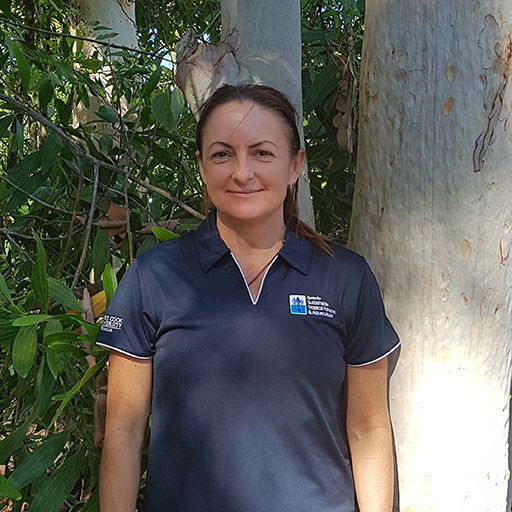
Kelly Condon
- Senior Lecturer, Aquaculture (Aquatic Animal Health)
- kelly.condon@jcu.edu.au

Graeme Cumming
- Adjunct Professor
- graeme.cumming@jcu.edu.au

Takahiro Shimada
- Adjunct Senior Research Fellow
- takahiro.shimada@jcu.edu.au

Peter Doll
- Research Fellow, Coral Reef Health Assessments
- peter.doll@jcu.edu.au
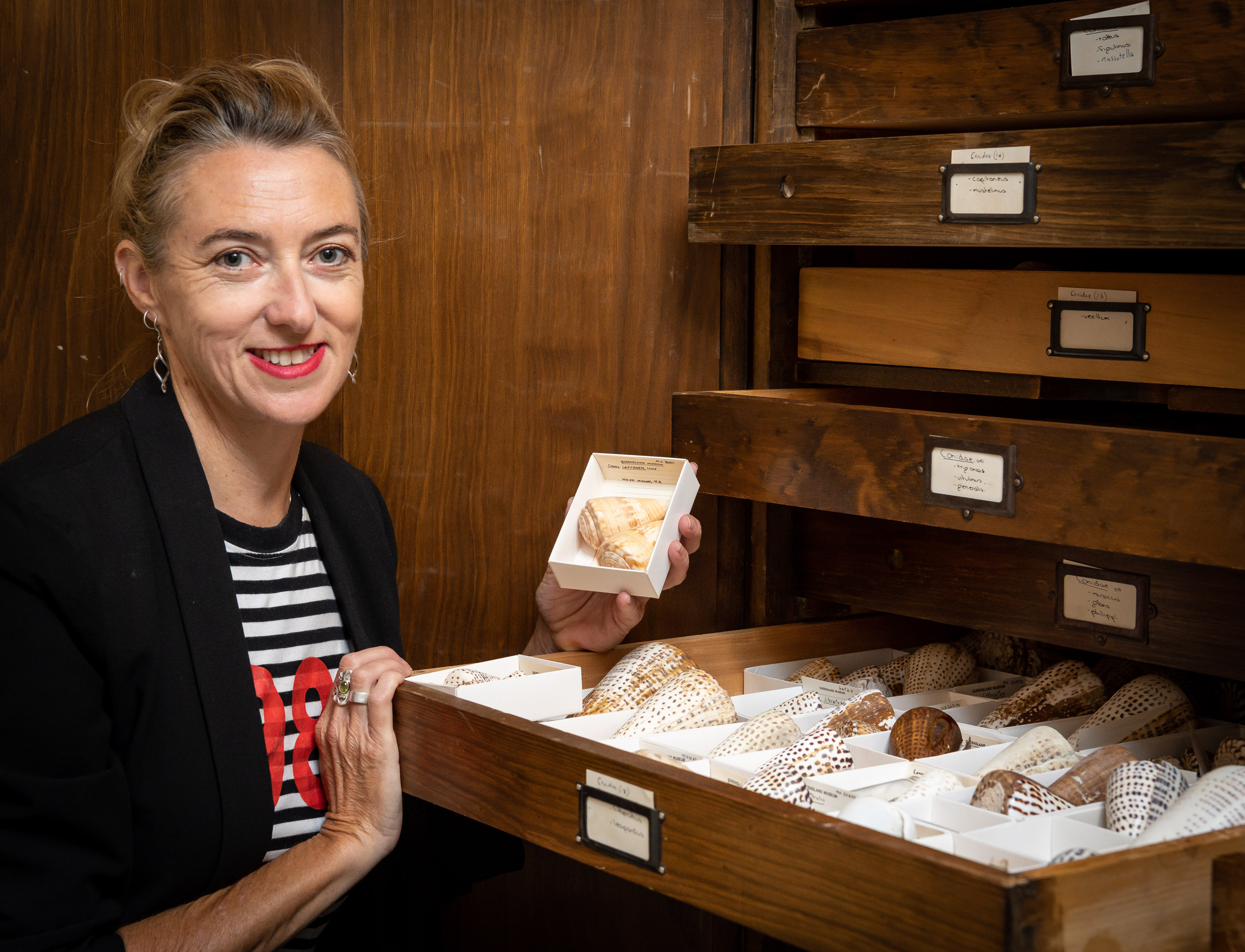
Michela Mitchell
- Casual Research Assistant
- michela.mitchell@jcu.edu.au

Jan Strugnell
- Professor, Promotional Chair
- jan.strugnell@jcu.edu.au
AutoFish: Automatic Fish Phenotyping Tool for Sustainable Aquaculture and Smart Fisheries (Old ID 28947)
This project aims to advance an initial implementation of a new automatic fish phenotyping tool, named AutoFish, that will enhance aquaculture farming and post-harvest processing practices by accelerating the collection of data and automatically analysing and leveraging it using the latest advances in computer vision and machine learning technologies. We have already developed a ground-breaking solution for the aquaculture industry, and produced a Proof Of Concept (POC) device, which has been successfully tested. This POC is ready to get tailored, integrated and/or retrofitted into an available fish and aquaculture farm for grading, phenotypic collection and/or processing lines, due to its modular stand-alone nature. The AutoFish concept has been proven with Barramundi as a test species. However, it can be used to collect images of, and trained to predict features of other fish and/or aquaculture species. AutoFish can also be trained to detect and predict any customertailored features and traits of the fish/product, and/or be used to assess the health of fish/product, if th health issues are visually recognisable by an RGB camera and the background phenotypic data present for training. Hence this technology would be scalable and can be implemented for other aquaculture products worldwide. The main aim of this project is to unlock the potential of our initial AutoFish POC by applying it to, or altering it for, a partner Barramundi (or Prawn) farm, to solve a real end-users’ problem. This problem can be about any monitoring aspect, as long as cameras can capture it. We have narrowed down the scope of this project to Barramundi (and/or Prawn) due to our wider industry network in these two species.
Recovery of the Great Barrier Reef (Old ID 27662)
This project investigates the potential for restoration of reef ecosystems around Magnetic Island. Linked with Earthwatch Australia, it is a citizen science-based project that engages volunteers to help remove macroalgae and monitor changes in coral recruitment, sediment dynamics, community composition, algae regrowth rates, and coral biology, with the hopes that removal of algae leads to an increase in coral cover. This contract represents an extension of the project for a further 3 years.
Lower Herbert Drainage Concerns-Mangrove Expansion (Old ID 26838)
The Project aims at assessing the effect of removing overhanging mangrove trees that have grown over artificially made channels over the last few decades. The mangrove pose a threat to the water flow, causing the drain to overfill during periods of heavy rainfall and flood the surrounding areas.
Soil/landscape assessment and monitoring design for WTMIP ‘Catchment Repair and Treatment Systems Design Phase’ (Old ID 24976)
This project contributes to the Wet Tropics Major Integrated Project (WTMIP) in the Johnstone and Tully catchments. The ‘Catchment repair and treatment systems’ activity area of the WTMIP aims to reduce nitrogen loads in runoff by installing and restoring wetlands and installing ‘denitrification bioreactors’. As part of the design phase of that activity we will assess soil and landscape features at the proposed sites and design the monitoring program to assess their effectiveness. This assessment and monitoring design will be done in collaboration with Australian Wetland Consulting and Alluvium, who will design the installations themselves.
Improved allergy diagnostics for adults and children in Far North Queensland with shellfish allergy (Old ID 22244)
Food allergy to shellfish is a growing health concern. Diagnostic tests used to confirm the allergy are based on a few European species, and do not represent the food sources in Australia. The aim of this research is to establish novel allergy tests for improved diagnosis of shellfish allergy.
Co-design phase, Water Security for Northern Australia Program (Old ID 27741)
This project will organise the collective expertise of 3 north Australian-based universities (James Cook University, Charles Darwin University and Central Queensland University) who have recently formed the Northern Australia Universities Alliance (NAUA). The NAUA partners will collaborate on undertaking a program of stakeholder engagement and research needs analysis in 4 focal catchments (Nodes) in order to design, develop and cost a cohesive and impactful 3.5 year research program that delivers on the core priorities of those stakeholders in those 4 focal catchments.
Enhancing Groundwater Discharge Detection for Improved Water Quality Research and Coastal Management
The funds will be used to purchase equipment that will allow cutting-edge multidisciplinary research linking hydrology, soil sciences and water quality to support several academics at JCU.
Deciphering the molecular and environmental determinants of sex-change in barramundi (Old ID 20663)
Barramundi breeding programs to boost productivity and international competitiveness are hindered by a lack of reproductive control. Barramundi change sex from male to emale at 3-5 years of age, requiring hatcheries to maintain male broodstock for several years before they can be bred as females. This increases required infrastructure and decreases the rate of genetic improvement that can be achieved. This project will elucidate genetic mechanisms regulating barramundi sex change and will develop approaches allowing hatcheries to efficiently control broodstock sex. The ability to obtain reproductive control
Predicting food allergy through early diagnosis of molecular cross-reactivity in house dust mite sensitised children (Old ID 21977)
House dust mite allergy is highly prevalent worldwide, with over 20% of the general population being affected. Of this affected population, 5% are vulnerable to sensitisation to cross-reactive allergens in consumed shellfish, which can develop into a life-long food allergy. This may lead to the unexpected event of life-threatening anaphylactic reactions in dust mite allergic children upon exposure to shellfish. Current diagnostic methods such as skin prick tests and in vitro specific IgE tests are not accurate in the identification of allergen-specific IgE cross-reactivity, which would provide an early indication of cross-sensitisation. The outcomes of the proposed research will aid in developing novel in vitro IgE diagnostic approaches, allowing for the differential quantification of specific IgE to cross-reactive pan-allergens found in house dust mites and consumed shellfish species. The significance of this research is in the development of a predictive model, enabling the early detection of risks factors for developing food allergy to shellfish in dust mite allergic children, thereby leading to the improved management of this severe clinical condition.
Modelling the net growth of coral reefs under climate change: the neglected role of bio-eroding sponges (Old ID 21423)
The project will investigate the hypothesis that under climate change, sponges will erode coral reefs at a faster rate than corals can form reefs. If true, sponge bioerosion may make it more difficult for corals to sustain reefs under climate change. The project will use controlled experiments to determine how sponge reproduction and fitness are affected by predicted climate change conditions. These data will then be used to develop models to predict sponge fitness, sponge-coral competition, reef erosion patterns, and overall reef resilience under climate change scenarios.
Coral bleaching, reef fish community phase shifts and the resilience of coral reefs
- 2006
- Blackwell Publishing
- Researchers:David BellwoodAndrew Hoey
Regional-scale assembly rules and biodiversity of coral reefs
- 2001
- American Association for the Advancement of Science
- Researchers:David BellwoodTerry Hughes
Confronting the coral reef crisis
- 2004
- Nature Publishing Group
- Researchers:David BellwoodTerry Hughes
Influence of age and moderate-intensity exercise training on heart rate variability in young and mature adults
- 2003
- Human Kinetics
- Researchers:Anthony LeichtAndrew Hoey
Influence of intensive cycling training on heart rate variability during rest and exercise
- 2003
- NRC Reserch Press
- Researchers:Anthony LeichtAndrew Hoey
Start Date:
01 Jan 2018
End Date:
01 Jan 2020
Start Date:
01 Jan 2023
Start Date:
01 Jan 2023
Start Date:
01 Jan 2019
Title:
PhD, University of Cape Town
Start Date:
01 Jan 1995
End Date:
01 Jan 2000
Start Date:
01 Jan 2009
End Date:
01 Jan 2016
Title:
PhD, James Cook University
Start Date:
01 Jan 2006
End Date:
01 Jan 2011
Start Date:
01 Jan 1996
End Date:
01 Jan 2000
Start Date:
01 Jan 1996
End Date:
01 Jan 2000
Start Date:
01 Jan 2016