
Marine Biology & Aquaculture
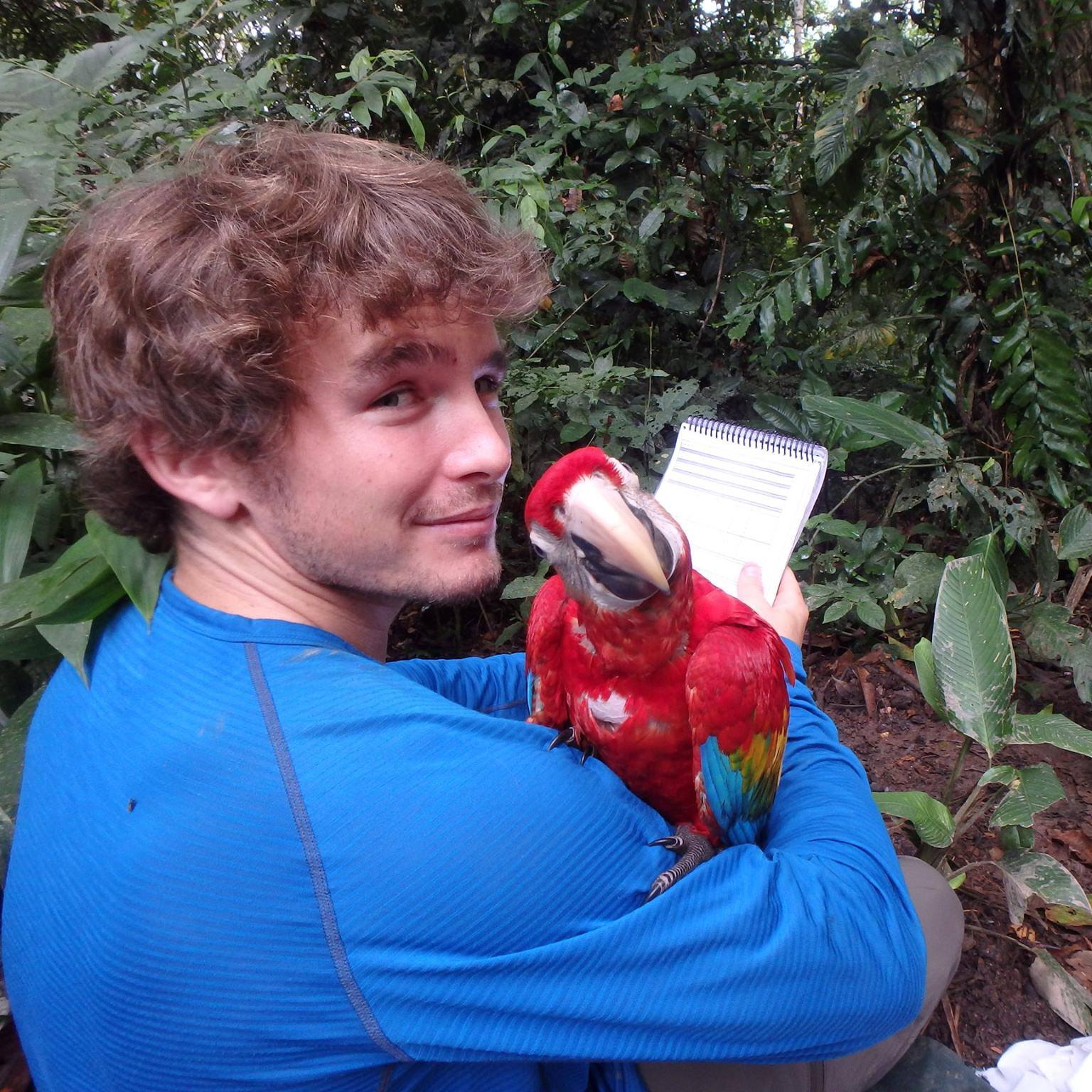
Tom Lloyd
- Postdoctoral Research Fellow, Global Ecosystems
- tom.lloyd@jcu.edu.au
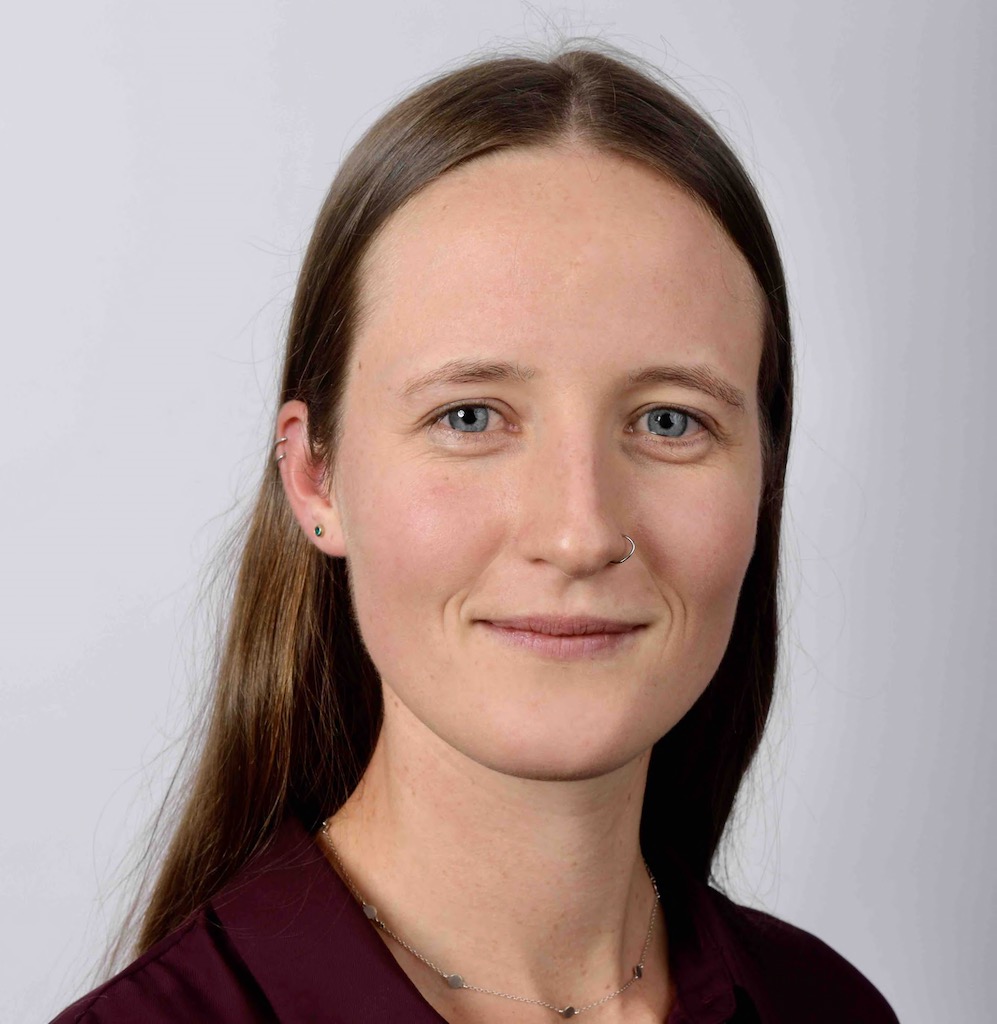
Alys Young
- Postdoctoral Research Fellow, Global Ecosystems
- alys.young@jcu.edu.au
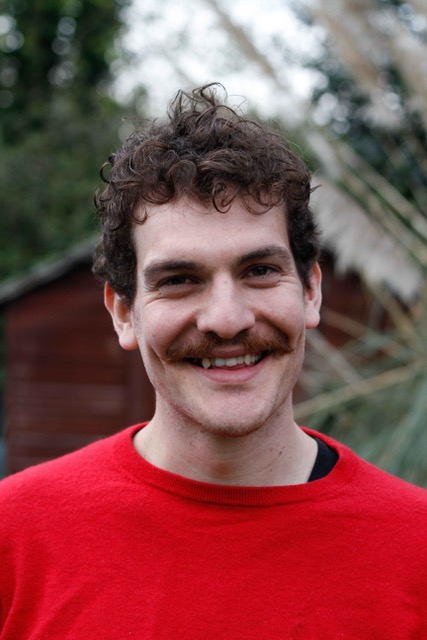
William Arlidge
- Postdoctoral Research Fellow in Community-Based Fisheries Co-Management
- william.arlidge@jcu.edu.au
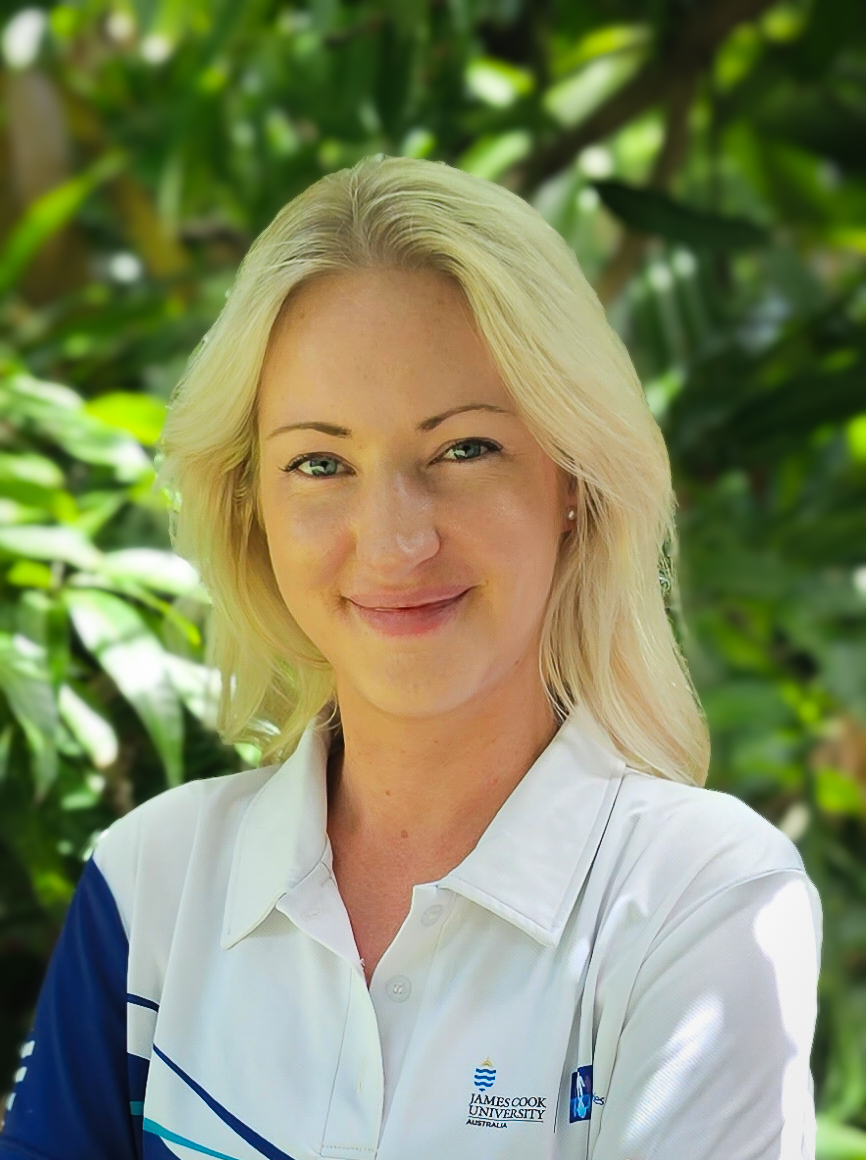
Anna Wilson
- Senior Research Worker
- anna.wilson@jcu.edu.au
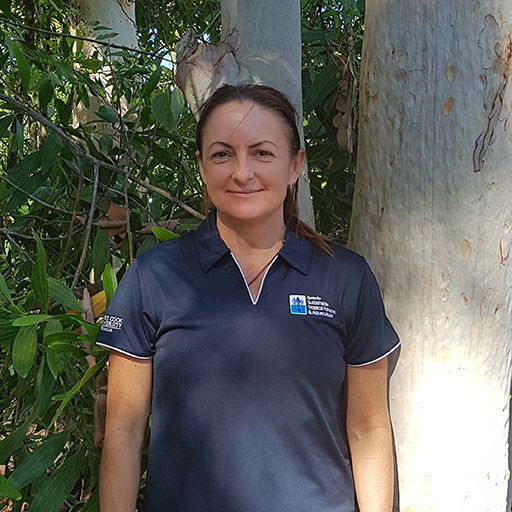
Kelly Condon
- Senior Lecturer, Aquaculture (Aquatic Animal Health)
- kelly.condon@jcu.edu.au

Graeme Cumming
- Adjunct Professor
- graeme.cumming@jcu.edu.au

Takahiro Shimada
- Adjunct Senior Research Fellow
- takahiro.shimada@jcu.edu.au
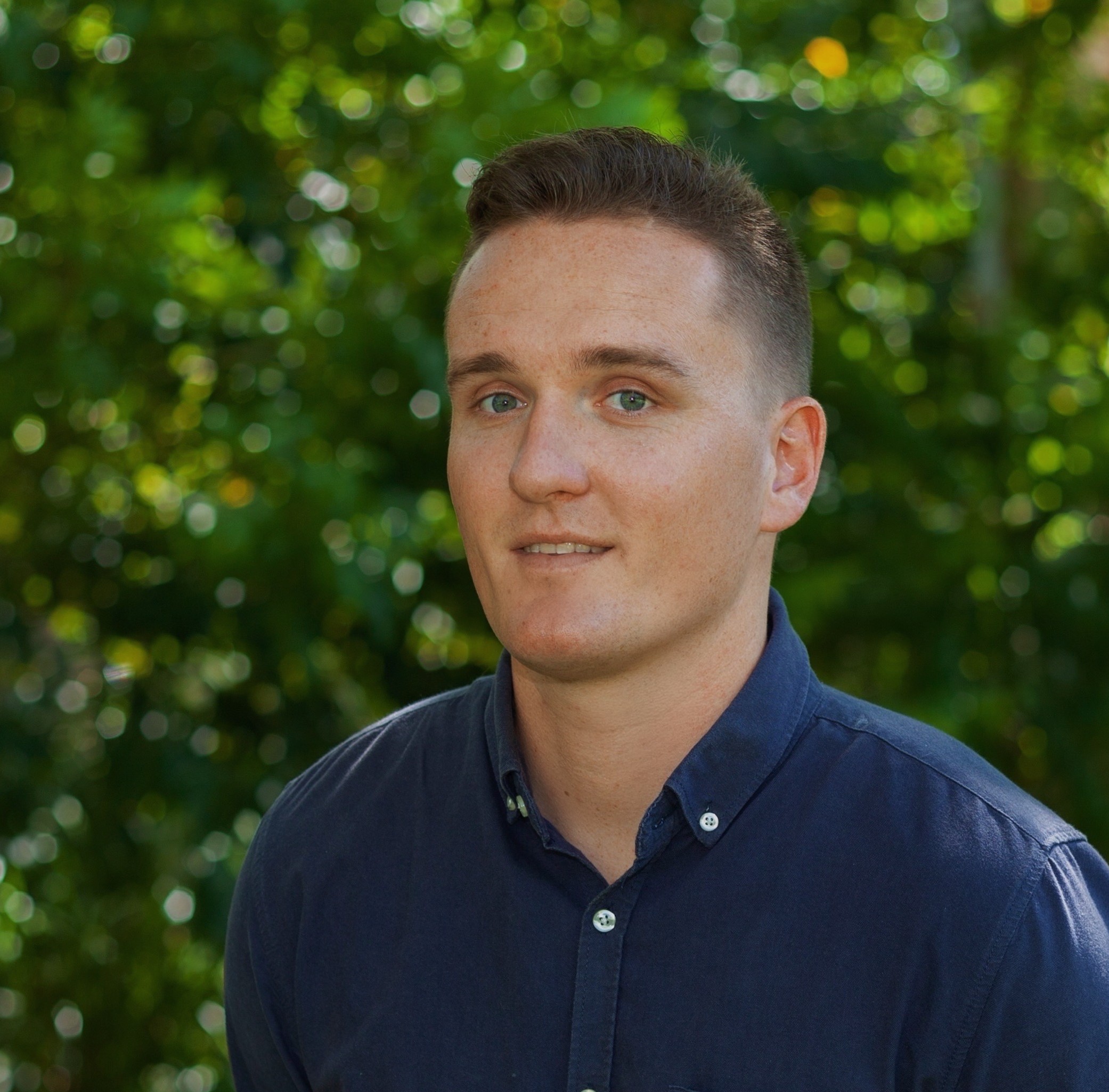
Peter Doll
- Research Fellow, Coral Reef Health Assessments
- peter.doll@jcu.edu.au
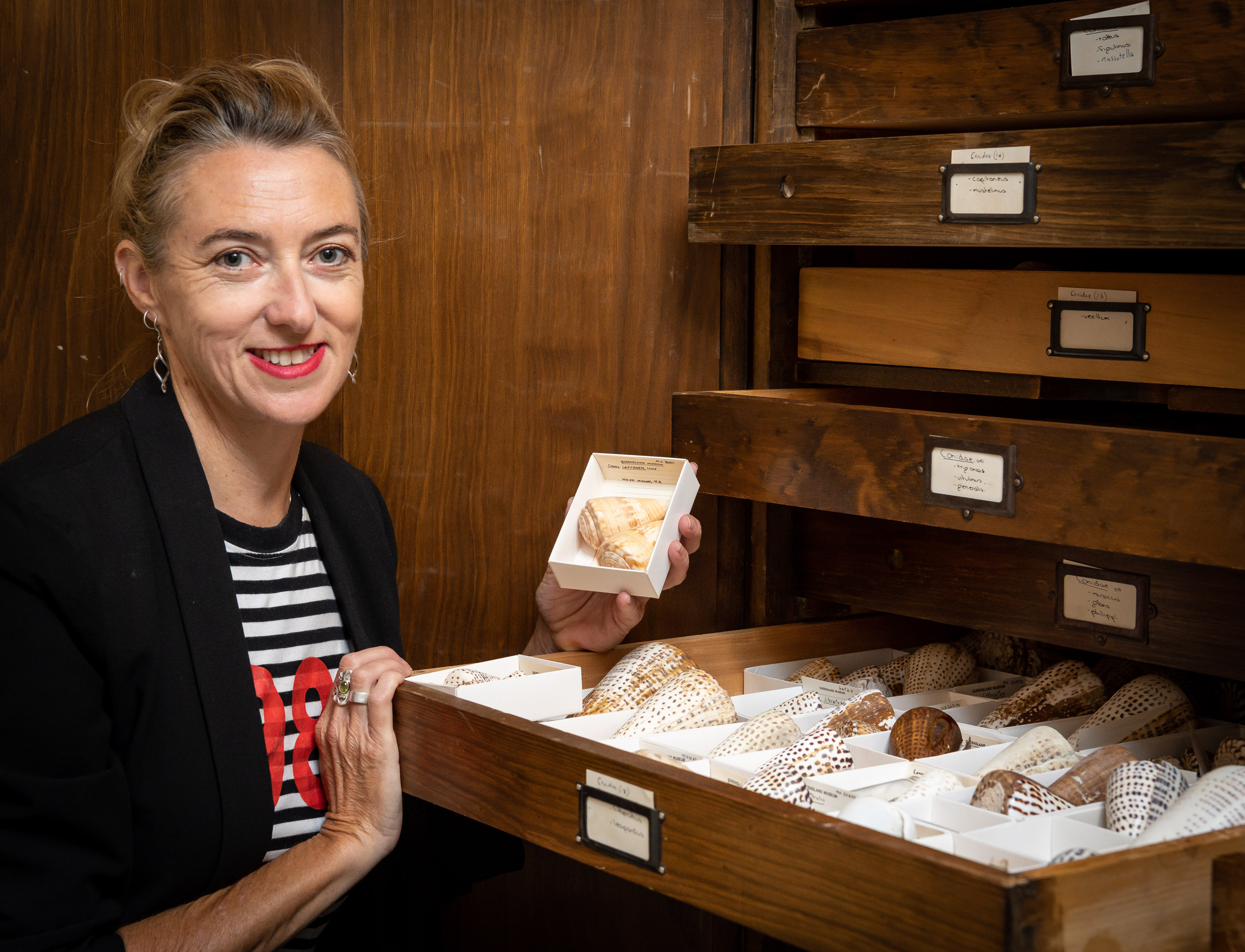
Michela Mitchell
- Casual Research Assistant
- michela.mitchell@jcu.edu.au
Jan Strugnell
- Professor, Promotional Chair
- jan.strugnell@jcu.edu.au
Innovations in COTS Control on the Great Barrier Reef (Old ID 26958)
Innovations in COTS Control on the Great Barrier Reef. For decades, crown-of-thorns starfish (COTS) research effort has been fragmented and failed to inform improvements in the effectiveness of COTS control. However, under the NESP Tropical Water Quality Hub’s Integrated Pest Management (IPM) research program, a more collaborative and targeted approach has harnessed research effort and enabled delivery of significant improvements in effectiveness and efficiency of COTS control, while also looking to develop methods for the future. Wholescale adoption of this IPM approach by the Great Barrier Reef Marine Park Authority (GBRMPA) and operators is already demonstrably saving live coral cover on the Great Barrier Reef (GBR).
Striking Gold - Determining the genetic drivers of gold coloration in barramundi (Old ID 26972)
Australian farmed barramundi exhibit “greying” in the flesh which reduces consumer attractiveness. The rare colour variant “golden skinned” barramundi do not exhibit this negative flesh attribute. This project will determine the underlying genetic basis of the golden skin phenotype & adopt experimental approaches to increases its occurrence.
Road map to coastal restoration assessment (Old ID 27594)
Coastal wetlands are under threat from a range of past land use changes. Efforts to restore the value back into wetlands is underway in many places, and demonstrating the success of these efforts requires access to scientific data. This project examines through stakeholder participation the elements of a national road map to coastal and marine restoration. The project outcome will be a framework to implement a national road map for restoration that can be used by stakeholders in planning and completing restoration around Australia.
Effects of global change on marine invertebrates QLD WRAP (Old ID 26704)
This research will continue to determine the effects of global change on marine invertebrates, including the effects of the recent global ocean heating events that caused major bleaching and coral mortality on the Great Barrier Reef.
Genetic audit of Cygnet Bay Pearls’ Akoya oyster broodstock (Old ID 27738)
This Project will examine genetic diversity in Cygnet Bay’s current Akoya oyster breeding populations, design mating pairs for a spawning followed by analysis of the genetic diversity in the offspring.
NQBP and JCU Research and Monitoring Partnership – Ambient Marine Water Quality Studies. (Old ID 27000)
Ports are essential for economic trade and prosperity, and vital for the day-to-day function of modern society. TropWATER has provided services to complete an ambient marine water quality-monitoring program for North Queensland Bulk Ports (NQBP) at the Port of Mackay and Port of Hay Point since 2014. This program has expanded to include the other two major port facilities (Port of Abbot Point and Port of Weipa) administered by NQBP. The ambient marine water quality program includes deployment, maintenance and analysis of water quality data generated from high frequency loggers positioned on the sea floor, ambient water quality for metals, nutrients and herbicides. Data will be used by the port authority for strategic planning of operations.
Coastal wetland restoration techniques and evaluation ready for up-scaling (Old ID 26542)
First component examines how fish move around floodplains that are impacted following land use conversions. The River herring (Chesapeake Bay) needs access to freshwater and the ocean; population numbers are low because of migration barriers (roads, degraded habitat, dams). The project will include a collaborative study with the Smithsonian Institute to understand how fish access critical habitat during life-stages. The river herring is analogous to the barramundi and mangrove jack in north Queensland: both are highly prized and migrate across catchments and floodplains between freshwater and ocean that have been modified following agricultural expansion and urban sprawl. The second involves investigating how catchment nutrients contribute to coastal hypoxia-fish kills. Like the GBR catchments, nutrient loads in Chesapeake Bay is worsening. The project will include collaborative research on coastal hypoxia and determining the susceptibility of coastal oyster reefs and fisheries to diseases and death (a topic of national interest following a large fish kill in Murray Darling Basin).
NESP 3.8 Carbon abatement & biodiversity enhancements through controlling feral ungulate disturbance in wetlands. (Old ID 28970)
Ungulates (pigs, buffalo, cattle) damage the landscape in northern Australia. This impact is particularly evident in coastal wetlands, that provide a range of ecosystem services such as carbon abatement, biodiversity and water quality. Attempts to control ungulates have required expensive mitigation action, with mixed levels of success. In this project we examine the carbon and biodiversity services that controlling ungulates has in coastal areas. Importantly, this research contributes to the development of new methodologies to attract market investments from big businesses, such as blue carbon and biodiversity certificates.
ARC Research Hub for advanced breeding to transform prawn aquaculture (Old ID 21529)
Project Seadragon will establish the world's largest black tiger prawn farm, significantly boosting the Australian aquaculture sector. To operate with maximum efficiency and maintain international competitiveness, Project Seadragon will require transformative technologies in advanced animal breeding to produce high-yielding, genetically improved, farm strains. The ARC ITRH will coalesce world-leading animal geneticists, research and service providers, and Australia's largest prawn farm, and gather the genomic resources, commercial phenotypic data, and apply cutting-edge genetic and genomic selection methodologies, leading to the most advanced and industry transformative improvement program for any aquaculture species globally.
IUCN Situation Analysis – Asian Coastal Wetlands (Old ID 27372)
The Yellow Sea ecosystem of intertidal wetlands, associated habitats and the biodiversity that depends on them, encompassed by People’s Republic of China (PRC), the Democratic People’s Republic of Korea (DPRK) and the Republic of Korea (RoK), is among the ecological wonders of the world. It represents the largest area of intertidal flats on the planet. In 2012, the IUCN Species Survival Commission commissioned an independent report “The IUCN situation analysis on East and Southeast Asian intertidal habitats” that I co-authored. The report was highly influential and led to improved conservation and world heritage listing of tidal flats in the region. Given the impact of the first report, IUCN now wishes the original consultancy team to conduct an update. Therefore, this project is a short contribution to a desktop review and interviews with relevant site managers, government officials, academics, NGO representatives, and other relevant stakeholders to gain a comprehensive understanding of the state of wetlands in the Yellow Sea region. As one of three authors, I will lead the technical analysis of the report.
Quantifying herbivory across a coral reef depth gradient
- 2007
- Inter-Research
- Researchers:David Bellwood
Macroalgal grazing selectivity among herbivorous coral reef fishes
- 2007
- Inter-Research
- Researchers:David Bellwood
Adaptive management of the Great Barrier Reef and the Grand Canyon World Heritage Areas
- 2007
- Royal Swedish Academy of Sciences
- Researchers:Terry HughesDavid Bellwood
Start Date:
01 Jan 2021
Start Date:
01 Jan 2021
Start Date:
01 Jan 2021
Start Date:
01 Jan 2014
End Date:
01 Jan 2016
Start Date:
01 Jan 2017
End Date:
01 Jan 2017
Start Date:
01 Jan 2019
End Date:
01 Jan 2023
Title:
Divemaster, PADI
Title:
Coxwains NC, AMSA
Start Date:
01 Jan 2025
End Date:
01 Jan 2027