
Marine Biology & Aquaculture
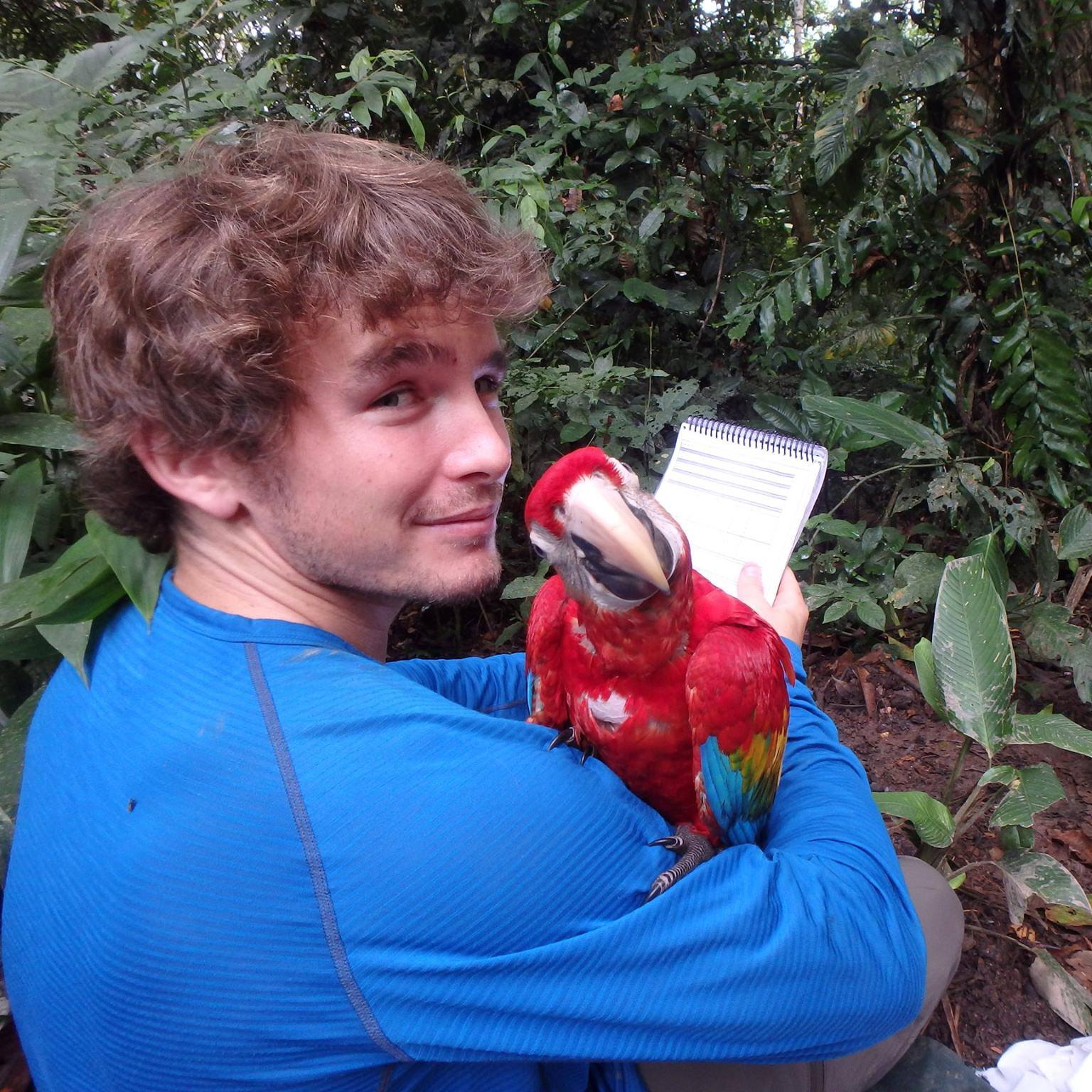
Tom Lloyd
- Postdoctoral Research Fellow, Global Ecosystems
- tom.lloyd@jcu.edu.au

Alys Young
- Postdoctoral Research Fellow, Global Ecosystems
- alys.young@jcu.edu.au
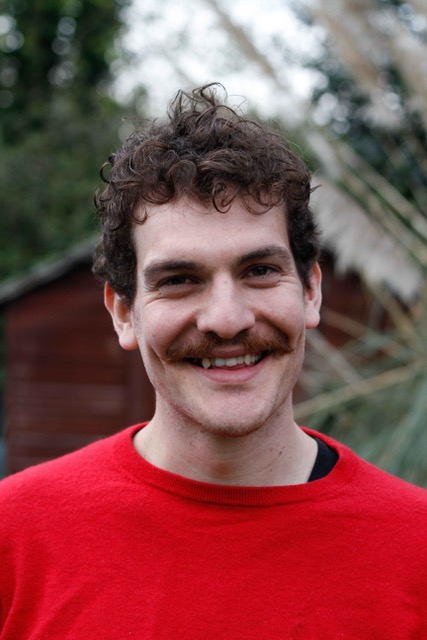
William Arlidge
- Postdoctoral Research Fellow in Community-Based Fisheries Co-Management
- william.arlidge@jcu.edu.au

Anna Wilson
- Senior Research Worker
- anna.wilson@jcu.edu.au
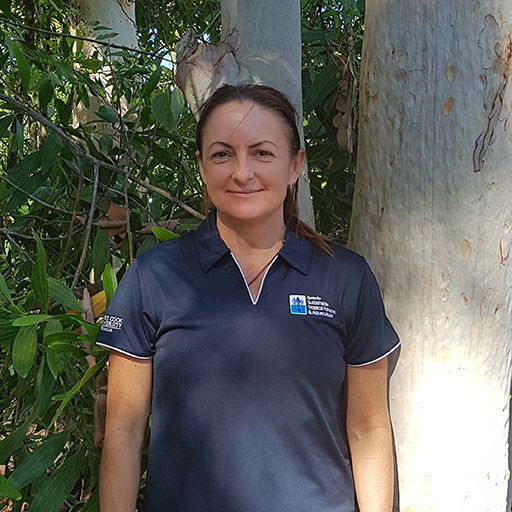
Kelly Condon
- Senior Lecturer, Aquaculture (Aquatic Animal Health)
- kelly.condon@jcu.edu.au

Graeme Cumming
- Adjunct Professor
- graeme.cumming@jcu.edu.au

Takahiro Shimada
- Adjunct Senior Research Fellow
- takahiro.shimada@jcu.edu.au

Peter Doll
- Research Fellow, Coral Reef Health Assessments
- peter.doll@jcu.edu.au
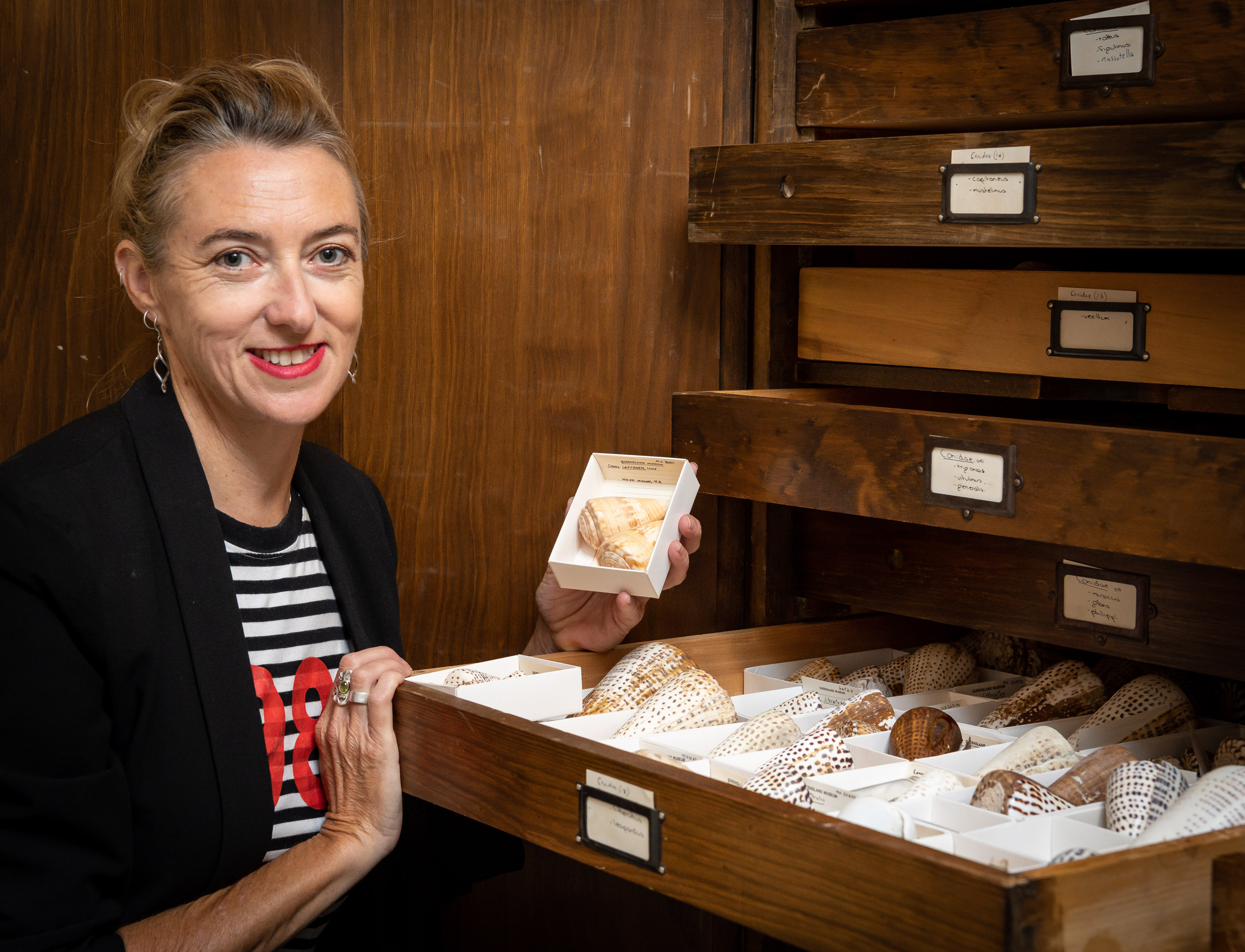
Michela Mitchell
- Casual Research Assistant
- michela.mitchell@jcu.edu.au
Jan Strugnell
- Professor, Promotional Chair
- jan.strugnell@jcu.edu.au
Circular economy and feed management approaches for inclusive and sustainable development of marine aquaculture in Vietnam
Marine aquaculture in Vietnam has traditionally used low value ‘trash’ fish as a feed source, due to its low cost, relative nutrient completeness and ready availability. Trash fish is generally considered a high risk input as it can be a vector for disease entry into farms, and is often associated with a high degree of uneaten feed entering the environment, resulting in eutrophication. Formulated feeds result in better feed conversion and nutrient utilisation than trash fish, with lower nutrient output into the environment per unit fish produced. This project investigates feed management for optimised feed conversion, growth and lower environmental impact for marine fish aquaculture.
Herbert River Blue Carbon investigation Waltham
Working with landholders on floodplain to map out and identify suitable restoration project land suitable for environmental markets
Deciphering the molecular and environmental determinants of sex-change in barramundi (Old ID 20663)
Barramundi breeding programs to boost productivity and international competitiveness are hindered by a lack of reproductive control. Barramundi change sex from male to emale at 3-5 years of age, requiring hatcheries to maintain male broodstock for several years before they can be bred as females. This increases required infrastructure and decreases the rate of genetic improvement that can be achieved. This project will elucidate genetic mechanisms regulating barramundi sex change and will develop approaches allowing hatcheries to efficiently control broodstock sex. The ability to obtain reproductive control
Effects of ocean acidification on invertebrate behaviour (Old ID 21834)
New research shows ocean acidification alters marine invertebrate behaviour but the impacts are poorly known and this knowledge gap limits the capacity to understand and mitigate the effects of global change. This project will assess marine invertebrate behaviour and ecological interactions to better understand the effects of rising carbon dioxide on marine species.
The impact of increasing ocean temperatures on the movement and behaviour of the iconic Indo-Pacific fisheries species, coral trout (Old ID 22898)
Ocean warming is the most pervasive aspect of climate change, which impacts directly on the distribution, abundance, and population structure of fishes, as well as the viability and sustainability of fisheries. Tropical marine fishes are particularly vulnerable to ocean warming, because species are already exposed to summer temperatures that may have negative consequences for individual condition and fitness. Coral trout are among the most important tropical marine fisheries species, targeted by commercial and artisanal fishers throughout the Indo-Pacific. This study will explore if, and how coral trout mediate or acclimate to extreme temperatures, with a view to better understand the impacts of climate change on wild stocks of these important fishes.
Implementing artificial intelligence for the quantitative assessment of abalone in production systems (Old ID 26800)
This project will aim to develop, train, validate and implement an artificial intelligence model to identify and count abalone and measure quantitative abalone traits in production systems from an image. Currently, stock assessment is conducted manually, with large costs associated for the farms. This solution would reduce the cost of stock assessments and would greatly improve data quantity and quality using a “hands-off” approach. The model would also provide an advanced platform for further R & D improvements above and beyond basic assessments (e.g. growth monitoring in feeding trials).
Mungalla Wetland System Repair (Old ID 22784)
Coastal wetlands provide services important for aquatic wildlife. However, human need has contributed to modification and change to coastal wetland function. Government and community projects have commenced across the Great Barrier Reef catchment area to repair and revitalise coastal wetlands to, again, function as productive ecosystems, while still offering services for humans. A project has commenced, supported by Australian Government, to repair natural tidal flow and fisheries value to Mungalla wetland. This project herein will examine wetland aquatic ecology and water quality in response to broader system repair programs underway.
Taxonomic and Functional Diversity of Reef Corals (Old ID 25127)
Coral reefs are among the most threatened ecosystems on earth, and are strongly affected by comparative small changes in the environment. However, some coral populations have been shown to survive in habitats analogous to those predicted for later this century. This project will quantify how species diversity and their associated ecological traits vary along environmental gradients to understand how functional diversity varies among habitats. This information will enable better predictions of the functional composition of future coral reef ecosystems, and whether plasticity in functional traits may mediate the functional declines of reef ecosystems.
Palm Creen Greening Australia wetlands (Old ID 26406)
Coastal wetlands are part of the broader Great Barrier Reef seascape and hold incredible environmental, cultural and economic value. This project will collect water quality and fish data to establish baseline conditions in Palm Creek, prior to coastal restoration works planned by industry partners. The outcomes of this survey and report will be presented to local community and will inform restoration decisions.
Eliminate factors inhibiting redclaw farming from reaching its full potential (Old ID 21754)
The NQCFA have successfully established hatchery technology that enables routine production of third stage juveniles (craylings) for stocking to grow out ponds. Survival of craylings to harvest (9-12 months) is approximately 50%. NQCFA have sought assistance of JCU to address this issue and guide a series of experiments to answer key questions. The research aims to identify causes of mortality, determine when it occurs, and to develop strategies to minimise it.
Natural resource system challenge IV: oceans and aquatic ecosystems
- 2002
- EOLSS Publishers
- Researchers:Eric Wolanski
Physical features and hydrography
- 2005
- University of Malaya Press
- Researchers:Eric Wolanski
The oceanography of Palau
- 2007
- Palau International Coral Reef Center
- Researchers:Eric Wolanski
Start Date:
01 Jan 2014
Start Date:
01 Jan 2014
Start Date:
01 Jan 2012
Start Date:
01 Jan 2009
Start Date:
01 Jan 2008
Start Date:
01 Jan 2008
Title:
Guest Editor: Fishes
Start Date:
01 Jan 2025
End Date:
01 Jan 2025
Start Date:
02 Mar 2026
Start Date:
19 Mar 2026
Start Date:
14 Jan 2026