
Marine Biology & Aquaculture
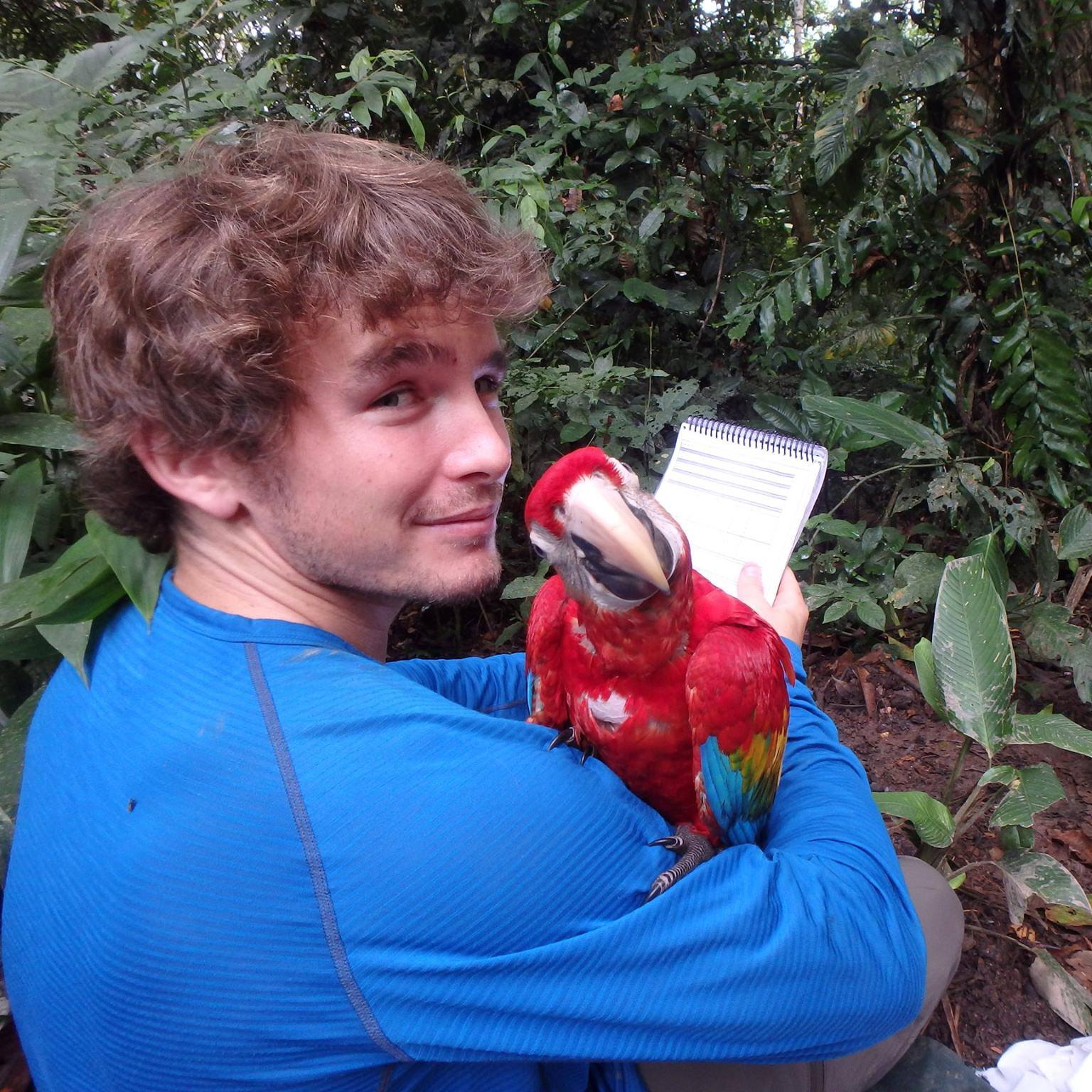
Tom Lloyd
- Postdoctoral Research Fellow, Global Ecosystems
- tom.lloyd@jcu.edu.au

Alys Young
- Postdoctoral Research Fellow, Global Ecosystems
- alys.young@jcu.edu.au

William Arlidge
- Postdoctoral Research Fellow in Community-Based Fisheries Co-Management
- william.arlidge@jcu.edu.au

Anna Wilson
- Project Coordinator
- anna.wilson@jcu.edu.au
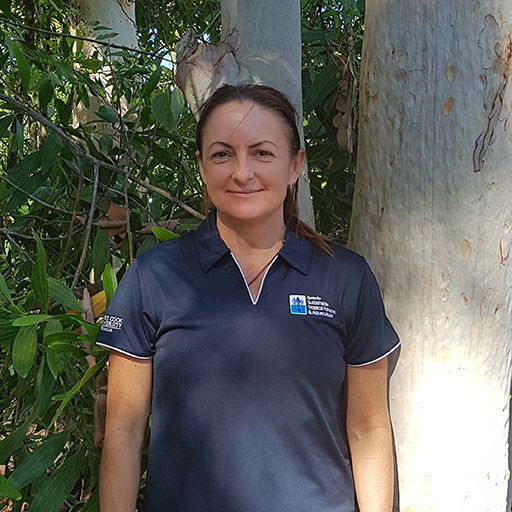
Kelly Condon
- Senior Lecturer, Aquaculture (Aquatic Animal Health)
- kelly.condon@jcu.edu.au

Graeme Cumming
- Adjunct Professor
- graeme.cumming@jcu.edu.au

Takahiro Shimada
- Adjunct Senior Research Fellow
- takahiro.shimada@jcu.edu.au

Peter Doll
- Research Fellow, Coral Reef Health Assessments
- peter.doll@jcu.edu.au
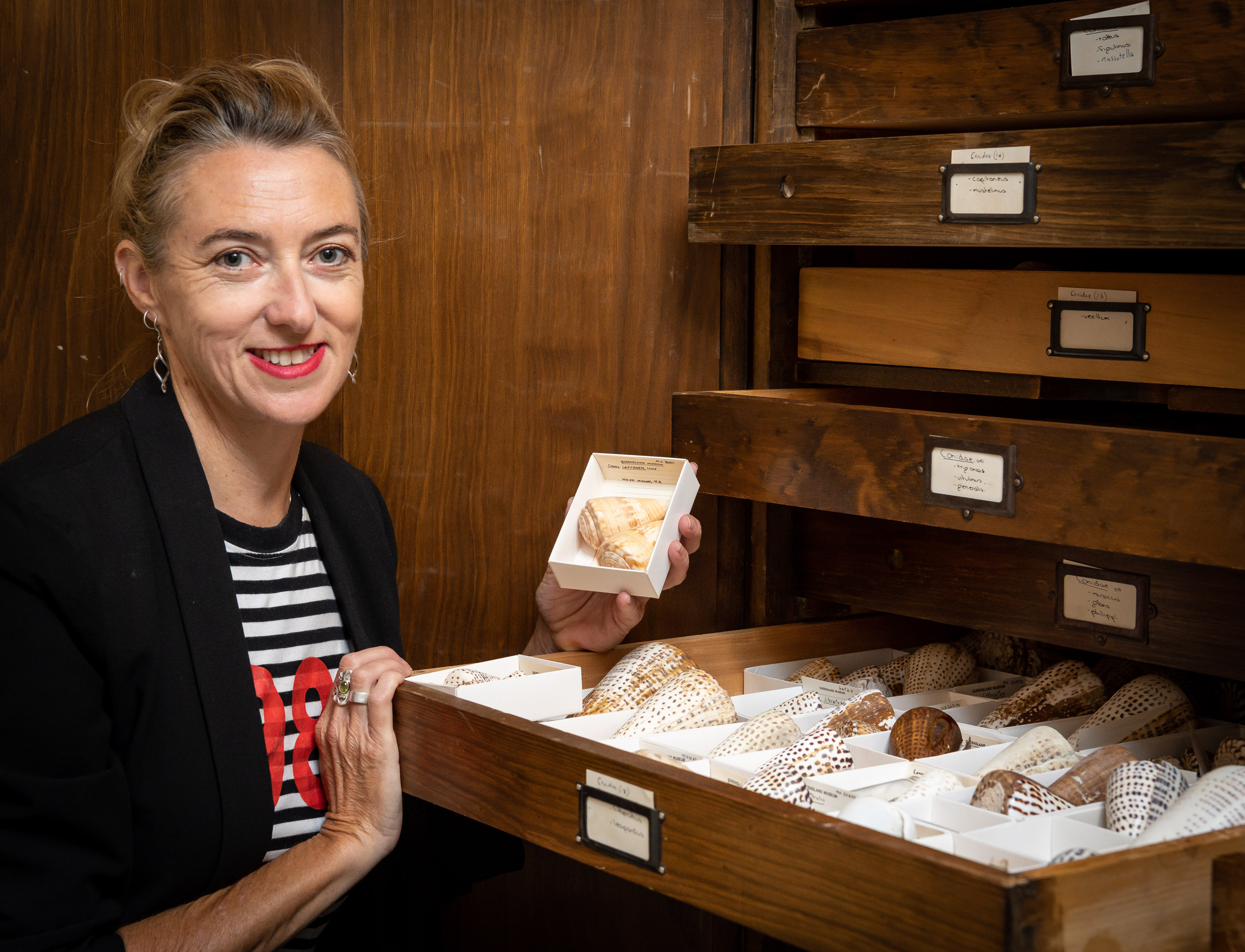
Michela Mitchell
- Casual Research Assistant
- michela.mitchell@jcu.edu.au

Jan Strugnell
- Professor, Promotional Chair
- jan.strugnell@jcu.edu.au
Taxonomic and Functional Diversity of Reef Corals (Old ID 25127)
Coral reefs are among the most threatened ecosystems on earth, and are strongly affected by comparative small changes in the environment. However, some coral populations have been shown to survive in habitats analogous to those predicted for later this century. This project will quantify how species diversity and their associated ecological traits vary along environmental gradients to understand how functional diversity varies among habitats. This information will enable better predictions of the functional composition of future coral reef ecosystems, and whether plasticity in functional traits may mediate the functional declines of reef ecosystems.
Palm Creen Greening Australia wetlands (Old ID 26406)
Coastal wetlands are part of the broader Great Barrier Reef seascape and hold incredible environmental, cultural and economic value. This project will collect water quality and fish data to establish baseline conditions in Palm Creek, prior to coastal restoration works planned by industry partners. The outcomes of this survey and report will be presented to local community and will inform restoration decisions.
Eliminate factors inhibiting redclaw farming from reaching its full potential (Old ID 21754)
The NQCFA have successfully established hatchery technology that enables routine production of third stage juveniles (craylings) for stocking to grow out ponds. Survival of craylings to harvest (9-12 months) is approximately 50%. NQCFA have sought assistance of JCU to address this issue and guide a series of experiments to answer key questions. The research aims to identify causes of mortality, determine when it occurs, and to develop strategies to minimise it.
Probiotic Egg Allergen Immunotherapy for Treatment of Egg Allergy (Old ID 26604)
Eight percent of children have a food allergy and prevalence is increasing. There is no cure so management requires food avoidance which is difficult to achieve. Accidental ingestion of allergen is common, and can result in life-threatening anaphylaxis of death. A curative treatment is vital to improve management. We recently developed a novel treatment of peanut allergy that resulted in the best response rates yet reported for any therapy in development - a combination treatment comprising Probiotics and Peanut Oral Immunotherapy (PPOIT). It is now essential to conduct a larger trial to enhance the study design and confirm these findings in order to progres this treatment to practice, which is the focus of this research.
Biosecurity in northern Australian prawn aquaculture (Old ID 25021)
This project addresses biosecurity risk through conducting the first comprehensive and widespread biosecurity audit of Australian prawn farms. This project has two components. The first is to conduct a biosecurity metanalysis using traditional and molecular diagnostic tools to establish what pathogens currently occur on prawn farms and how they relate to productivity. Secondly, once the pathobiome is established the project will formulate a risk management strategy for industry and provide on-farm biosecurity training. Understanding the risk of disease, and increased capacity to detect and monitor on-farm, will lead to more effective management practices for northern Australian prawn aquaculture.
On the evolutionary rescue of Antarctic marine fauna – did the IPCC AR6 get it right? (Old ID 29003)
The Intergovernmental Panel on Climate Change Sixth Assessment Report (IPCC-AR6) proposed Southern Ocean biodiversity to be rescued under designated refugia with assisted migration. These arbitrary refugia are defined by areas south of 70°S in West Antarctica, and Prydz Bay in East Antarctica. The decisions should instead be informed via species’ current genetic fitness across the Southern Ocean, a direct measure of extinction risk and success potential for assisted migration. By quantifying genetic fitness, this project 1) demonstrates whether IPCC-AR6’s conservation proposal accelerates species extinction, and 2) establishes genetic-informed refugia and translocation pathways that ensures animal evolutionary resilience under climate change.
Invasive Fish in Aquatic Habitats, Torres Strait Island (Old ID 21581)
This project will assess and evaluate movement of invasive freshwater fish species from PNG to Torres Strait Islands. This project aims to understand the mechanisms of this migration (people, or environmental), and will examine ways to reduce the risk of pest freshwater fish species reaching northern Australian waters. A large component of this project is to prepare education material (websites, brochures) and conduct a range of workshops with Rangers community and schools. The success of this project is through a combination of scientific surveys and education.
National Assessment of Climate-Driven Species Redistribution using Citizen Science Data (Old ID 27400)
This project will develop a report card assessing Australian marine species to determine species that have undergone recent changes in distribution, either shifting into each State, or into new areas within States. This report card will draw upon citizen science databases and use a robust decision tree analysis developed by our team to outline which species are shifting, and with what degree of certainty. Project objectives are to 1. draw upon citizen scientists to identify climate-driven changes within the Australian marine estate; and 2. communicate to and engage with the public on issues of climate change and biodiversity using their own citizen science information. The report card can be used to drive public interest in the NESP Hub and in the status of biodiversity in Australia.
Resolving the blue-ringed octopus fauna of Australia: taxonomy, phylogeny and human health (Old ID 23007)
Despite renowned toxicity and human fatalates, knowledge of the blue-ringed octopuses (genus Hapalochlaena) remains poor. Their taxonomy requires through revision: four species are currently considered valid, yet preliminary investigations by the applicants identify a total of at least 15 species worldwide, of which over half occur in Australia. This project aims to use taxonomic and molecular tools to: (1) revise the genus; (2) identify and describe Australian species; (3) describe distributions, habitats and biology; (4) investigate phylogeny and biogeography; and (5) provide crucial identification and health hazard information to scientific and wider audiences.
Developing Partnerships Towards Quantifying the Impacts of Climate Change on the Ocean Ecosystem Economy of the Pacific (Old ID 29030)
This project will support the initial work of developing relationships with Pacific Island stakeholders and identifying opportunities for co-designing research based on climate changerelated priorities and needs of the Pacific Island Nations. In addition, this project aims to identify existing climate-related programs and initiatives in the Pacific that our team can build upon when designing our long-term research programs. The funding will be used for travel-related costs.
Selecting coral species for reef restoration
- 2023
- Wiley-Blackwell
- Researchers:Kate QuigleyDavid BellwoodAndrew Hoey
Start Date:
01 Jan 2005
Start Date:
01 Jan 2011
End Date:
01 Jan 2014
Start Date:
01 Jan 2010
Title:
Seafood Services Australia, Research and Development Award for Tropical Rock Lobster Aquaculture
Start Date:
01 Jan 2007
Start Date:
01 Jan 2022