
Marine Biology & Aquaculture
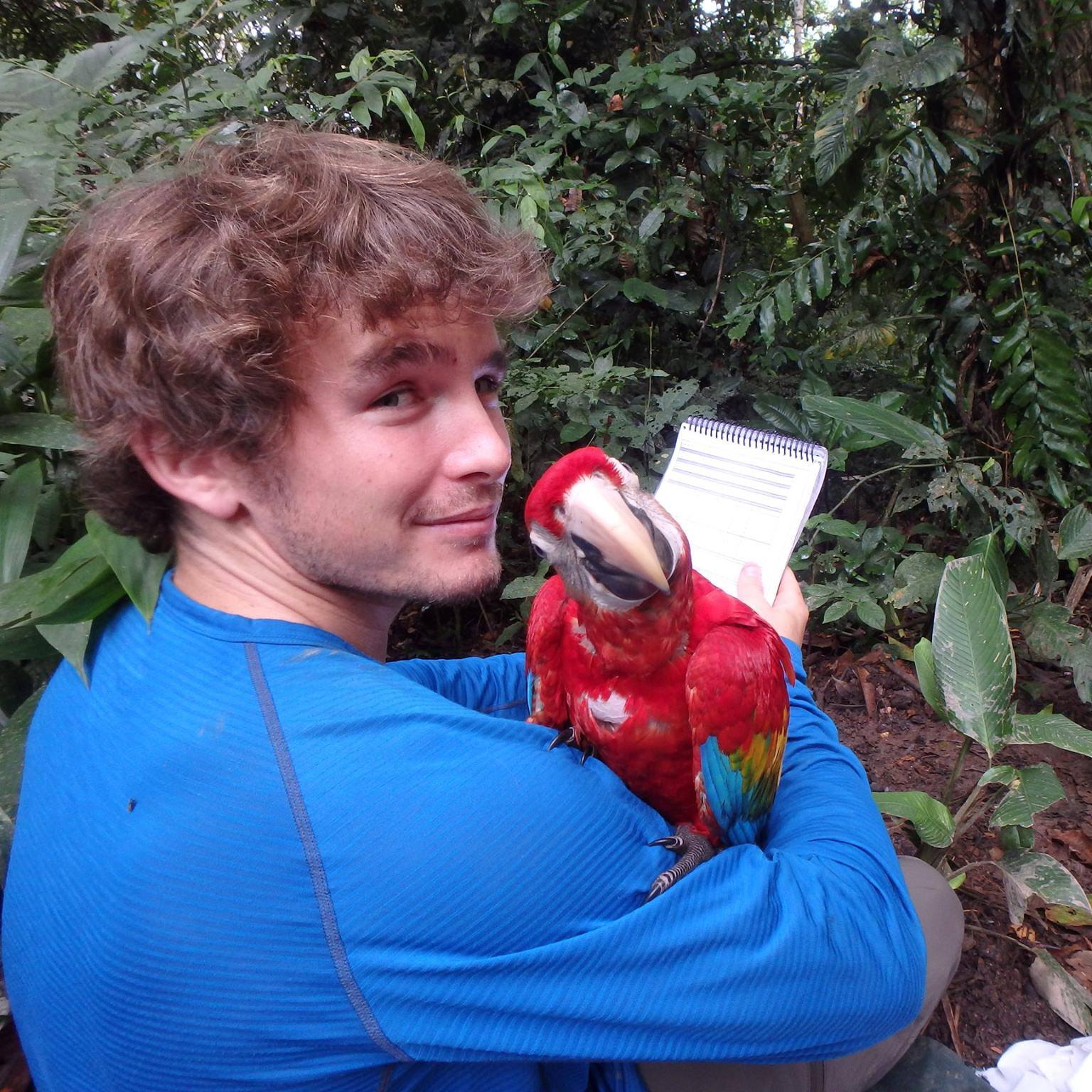
Tom Lloyd
- Postdoctoral Research Fellow, Global Ecosystems
- tom.lloyd@jcu.edu.au

Alys Young
- Postdoctoral Research Fellow, Global Ecosystems
- alys.young@jcu.edu.au
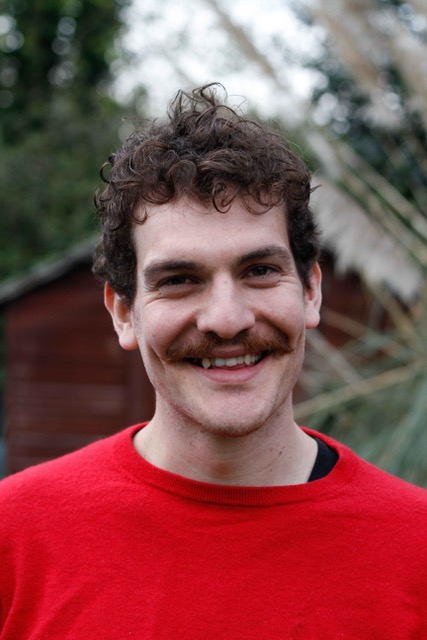
William Arlidge
- Postdoctoral Research Fellow in Community-Based Fisheries Co-Management
- william.arlidge@jcu.edu.au
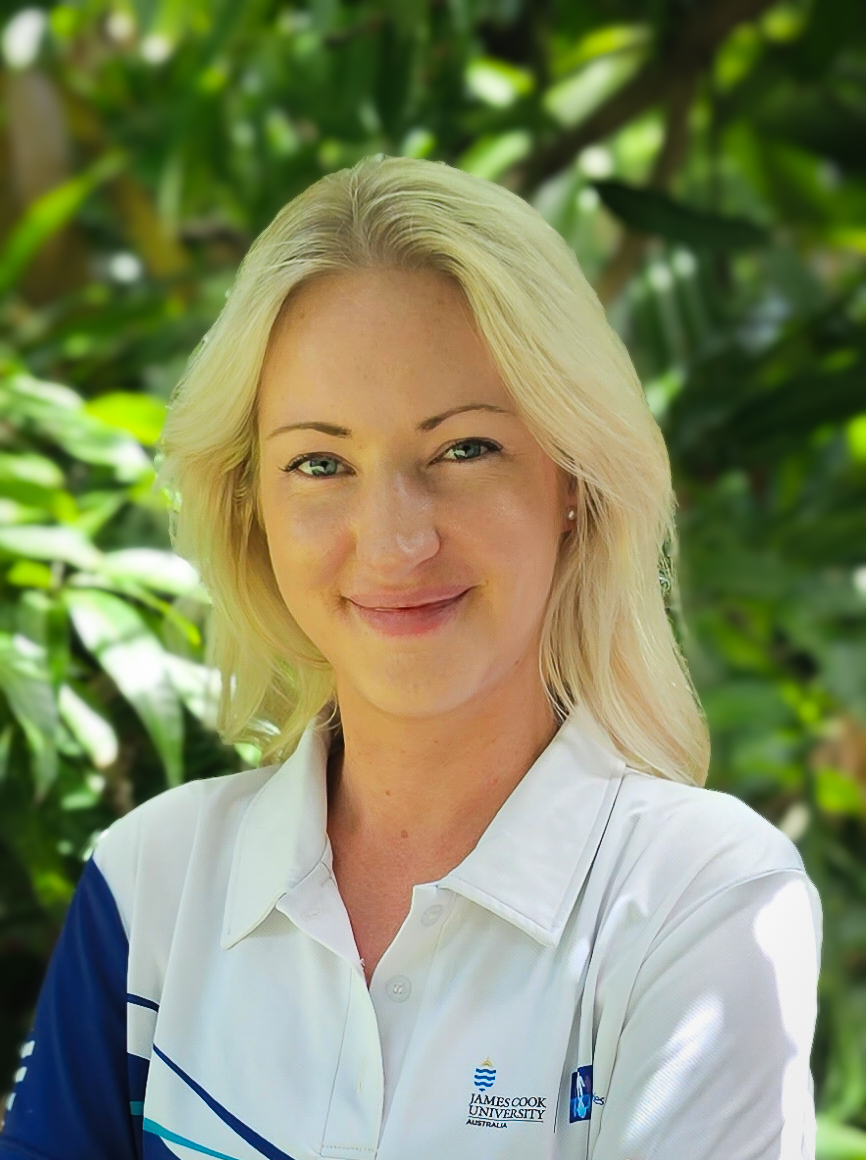
Anna Wilson
- Project Coordinator
- anna.wilson@jcu.edu.au
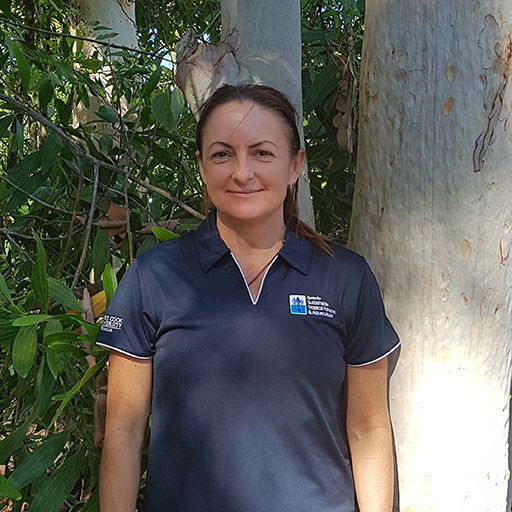
Kelly Condon
- Senior Lecturer, Aquaculture (Aquatic Animal Health)
- kelly.condon@jcu.edu.au

Graeme Cumming
- Adjunct Professor
- graeme.cumming@jcu.edu.au

Takahiro Shimada
- Adjunct Senior Research Fellow
- takahiro.shimada@jcu.edu.au
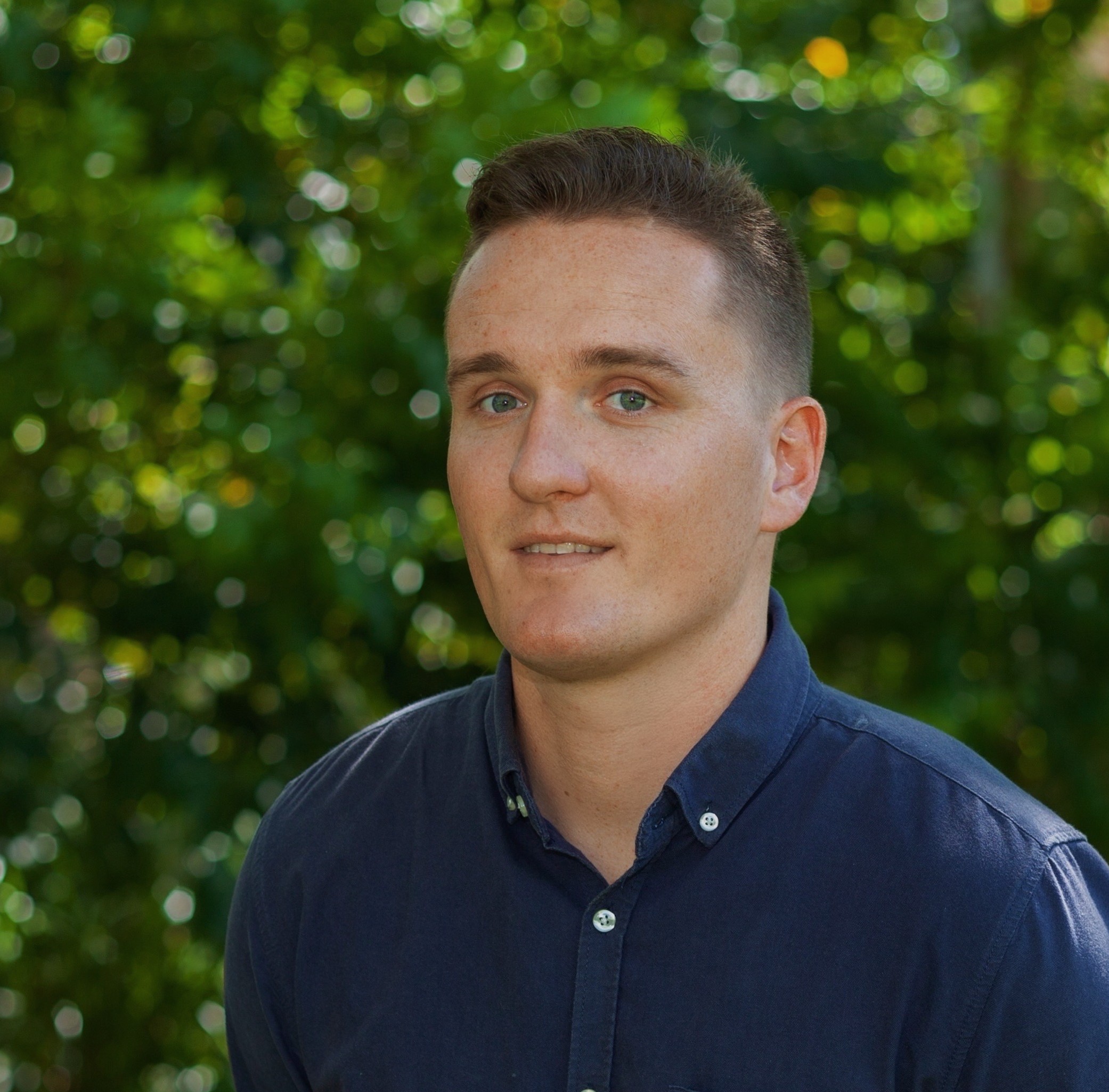
Peter Doll
- Research Fellow, Coral Reef Health Assessments
- peter.doll@jcu.edu.au
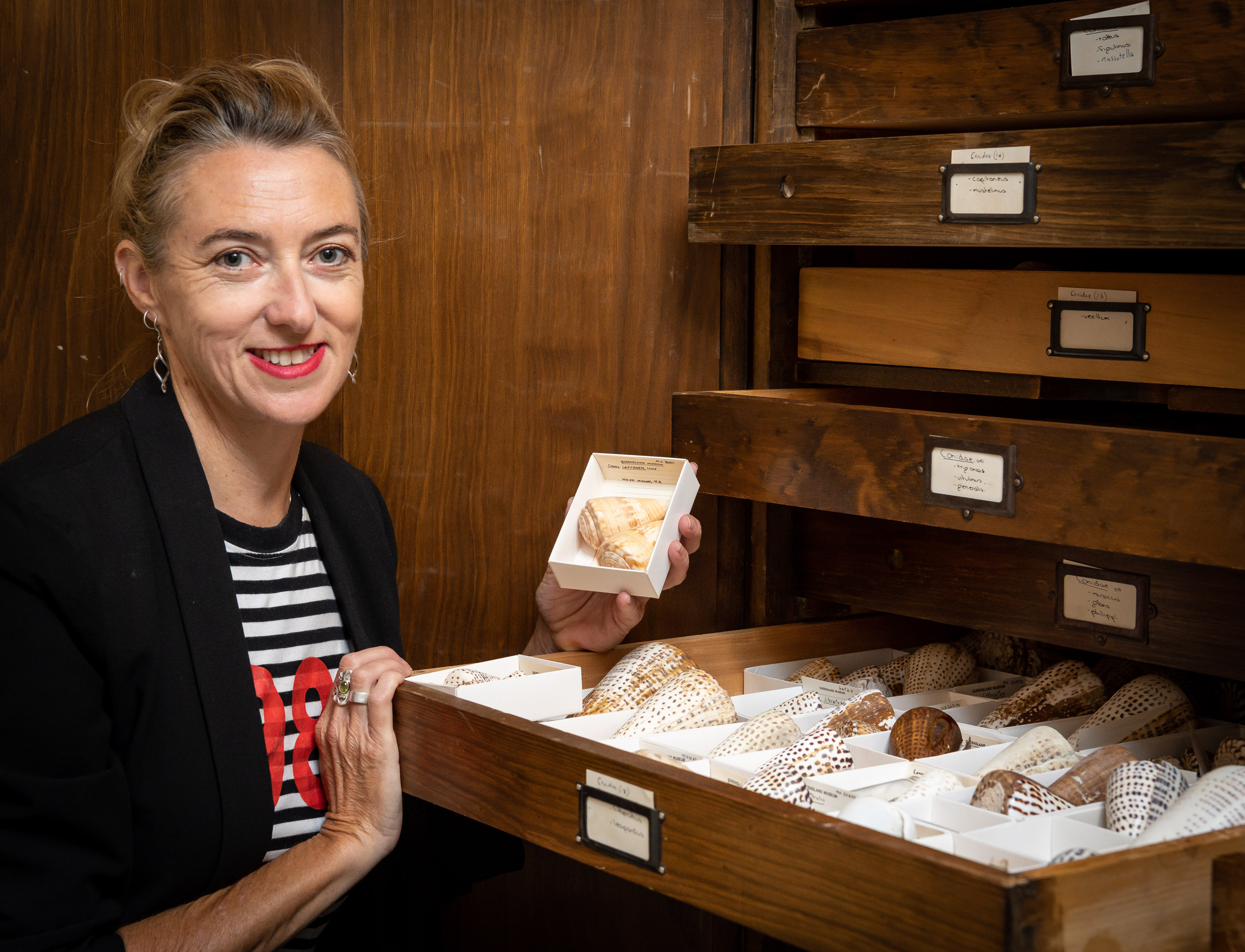
Michela Mitchell
- Casual Research Assistant
- michela.mitchell@jcu.edu.au
Jan Strugnell
- Professor, Promotional Chair
- jan.strugnell@jcu.edu.au
Improved productivity and efficiency of the culture based fishery for giant freshwater prawn in Sri Lankan reservoirs. (Old ID 26163)
Productivity of the fisheries resources of Sri Lankan reservoirs has been improved through application of culture based fishery (CFB) practices. In addition to a variety of finfish that serve to provide protein to local communities, the addition of stocked giant freshwater prawn (GFP)-Macrobrachium rosenbergii, has added significant value, due to high market price, 10 times higher than that of finfish. Currently, the GFP are captured as a bycatch to finfish and the stocking practices are ad-hoc, resulting in very low yield per seed prawn stocked. The fishery is managed as a single multi-species fishery, and although the project will focus on research of GFP, some aspects of the research will involve the entire fishery, particularly modelling of stocking and yields. This will provide benefits for production of all species, with an emphasis on enhancement of GFP production through specific research of stocking practices, production dynamics, harvest and socio-economic aspects 0of the fishery and the supply chain.
Mapping of tidal flats and salt marshes in the NOWPAP region. (Old ID 27039)
The main objective of this activity is to map the distribution of tidal flats/salt marshes in the NOWPAP region with their historical change in the past decades. To map tidal flats/salt marshes in the NOWPAP region, mapping tool developed by Murray et al. (2019), namely Global Intertidal Change (hereinafter referred to as “GIC”) is used. GIC is the only available tool for regional mapping of tidal flats. However, GIC is developed for the global mapping and there are some limitation for the detection of tidal flats when used at regional scale. Therefore, this project will develop a bespoke regional model of the distribution of tidal flats/salt marshes in the NOWPAP region.
The impact of conservation NGO interventions on small-scale fishers (Old ID 27518)
The objective of this post-doctoral position is to conduct a systematic review of NGO interventions to support Small-Scale Fisheries (SSF) and to apply these findings to WCS’ programs. The position will be co-hosted between James Cook University, WorldFish, and the WCS Global Marine Conservation division.
Coastal restoration assessment and case studies to support the uptake of blue carbon. (Old ID 27611)
Coastal wetlands are under threat from a range of past land use changes. Efforts to restore the value back into wetlands is underway in many places, and demonstrating the success of these efforts requires access to scientific data. This project will examine a range of restoration approaches and provide a summary matrix of learnings, land use tenure, and pathways to delivery. The outcomes of this project will be used in the preparation of case studies that will feature on the Land Restoration Fund Queensland Government website, so that future project proponents can use these to assist with preparing project funding grants.
Water resource development assessment in northern Australia. (Old ID 27758)
This project investigates the potential for water resource development in several catchment areas in northern Australia. Specifically, we will provide technical expertise in estuarine habitat ecology analysis, modelling and provide regional context to analysis outcomes and scenario analysis. Working in a large multidisciplinary team, we will also attend workshops and assist the project team more broadly to deliver the final reports to the Australian Government.
Investigating trophic partitioning in planktivorous reef fishes (Old ID 26411)
Plankton-feeding fishes are a major presence on coral reefs, and they are assumed to feed indiscriminately on plankton. Although research on herbivores and corallivores has revealed numerous distinct feeding behaviours and food p0references in these groups, planktivores continue to be perceived as generalists. This project will determine the breadth of planktivore diets using stable isotope analysis. This method can determine the abundance of carbon and nitrogen isotopes in fish tissues, allowing us to work out the origin of different types of plankton that each planktivorous fish eats. I expect this study will reveal a previously-undiscovered diet partitioning within planktivorous fishes.
Trait plasticity and the maintenance of functional diversity (Old ID 23341)
This project aims to determine if trait plasticity mediates functional degradation of coral reefs by using natural environmental gradients to identify mechanisms that enable corals to persist in marginal habitats. The project will use innovative 3D imaging to measure how intraspecific variability in traits influences functional redundancy, facilitating better predictions of the effects of environmental change on reef systems. Expected outcomes include improved understanding of the response of coral reef ecosystems to environmental change and a framework for predicting reefs at risk of functional degradation, providing benefits to both global biodiversity conservation and the provision of ecosystem services in reef dependent communities
Southern Expansion of Mackay-Whitsunday Ambient Marine Monitoring Program. (Old ID 23603)
TropWATER will provide seagrass assessment and water quality logging/chemistry services to assist regional marine ambient monitoring program administered by Mackay Whitsunday Healthy Rivers to Reef Partnership. These data will assist Mackay Whitsunday Healthy Rivers to Reef Partnership with the preparation of a regional report card.
Pearls of wisdom - Breeding for increase tolerance to juvenile pearl oyster mortality syndrome (Old ID 23472)
A decade ago pearl farming was one of the major employers and contributors to the social-economic fabric of northern Australia, contributing $189.7 million farm-gate to the national economy. However, in recent years Australian pearl production has been severely impacted by episodic and large-scale mortality events by an as yet unidentified causative factor. These mortality events, termed juvenile pearl oyster mortality syndrome (or JPOMS), have resulted in massive write-downs in production and economic value of the industry. This project will develop the genetic knowledge and lay the foundation for a selective breeding program in pearl oysters that are resistance to JPOMS.
Centre of Research Excellence in Eradicating Food Allergy: Prevention, Cure and Reducing Adverse Events (Old ID 26614)
Funding is provided as a PHD Scholarship towards Mr Shaymaviswanathan to investigate the clinical cross-reactivity seen in patients with seafood allergy to dust mites and insects. Shellfish allergy affects 2% of Australians, and persists life-long in 80% of cases. Shellfish is now the leading cause for food-releated anaphylaxis fatalities among Australian adults. Clinical cross-reactivity between shellfish and mites and insects is frequently reported, however the implicated molecular mechanisms are poorly understood. This research project aims to identify and characterise the food and inhalant cross-reactive allergen repertoire and elucidate the shared IgE binding epitopes, utilising advanced bioinformatic approaches, immunochemcial and clincial tools.
3.1.3.1. Manuscript - Reducing dietary wild derived fish meal inclusion levels in production diets for large Yellowtail Kingfish (Seriola lalandi) (N5/N2; Output 2a) [In: Stone, D.A.J., Booth, M.A. and Clarke, S.M. (eds).Growing a Profitable, Innovative and Collaborative Australian Yellowtail Kingfish Aquaculture Industry: Bringing ‘White’ Fish to the Market (DAWR Grant Agreement RnD4Profit-14-01-027)]
- 2019
- South Australian Research and Development Institute (SARDI)
- Researchers:Leo Nankervis
Scaling of Activity Space in Marine Organisms across Latitudinal Gradients
- 2023
- University of Chicago Press
- Researchers:Colin Simpfendorfer
First records of coral spawning on Norfolk Island
- 2023
- Japanese Coral Reef Society
- Researchers:Tom BridgePeter Cowman
Blue carbon stocks and cycling in tropical tidal marshes facing grazing pressure
- 2023
- Inter-Research
- Researchers:Nathan Waltham
Thermostable allergens in canned fish: Evaluating risks for fish allergy
- 2023
- Wiley-Blackwell
- Researchers:Thimo RuethersShay KarnaneediLudwig Lopata
Start Date:
01 Jan 2024
Title:
PhD, University of Cape Town
Start Date:
01 Jan 2008
End Date:
01 Jan 2012
Start Date:
01 Jan 2008
End Date:
01 Jan 2011
Title:
MSc, The University of York
Start Date:
01 Jan 2011
End Date:
01 Jan 2013
Start Date:
01 Jan 2006
End Date:
01 Jan 2007
Start Date:
20 Nov 2025
Title:
Guest Editor: Water
Start Date:
01 Jan 2023
End Date:
01 Jan 2024
Start Date:
01 Jan 2020
End Date:
01 Jan 2021
Start Date:
01 Jan 2011
End Date:
01 Jan 2022
Start Date:
01 Jan 2022