
College of Science & Engineering

Sophia Love
- Doctor of Philosophy (Natural and Physical Sciences)
- sophie.love@jcu.edu.au
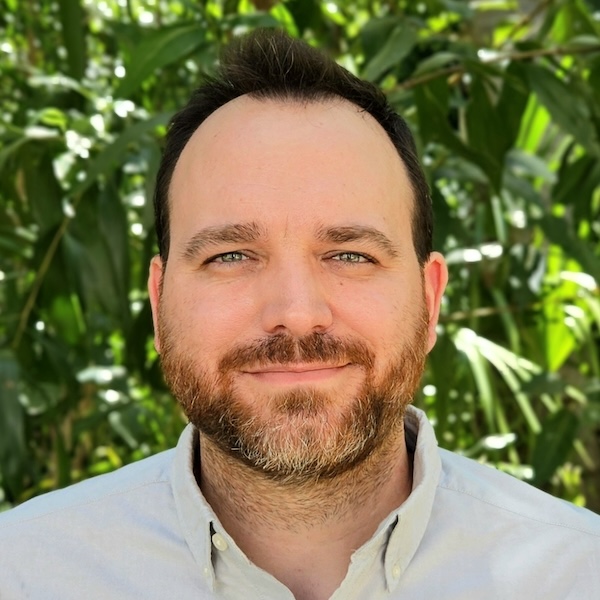
Romain Vaucher
- Senior Lecturer, Sedimentology
- romain.vaucher@jcu.edu.au
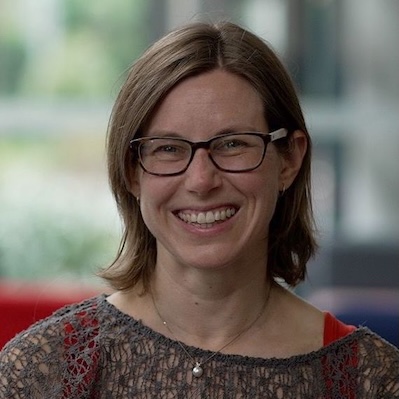
Jenny Fisher
- Associate Dean, Learning and Teaching
- jenny.fisher@jcu.edu.au
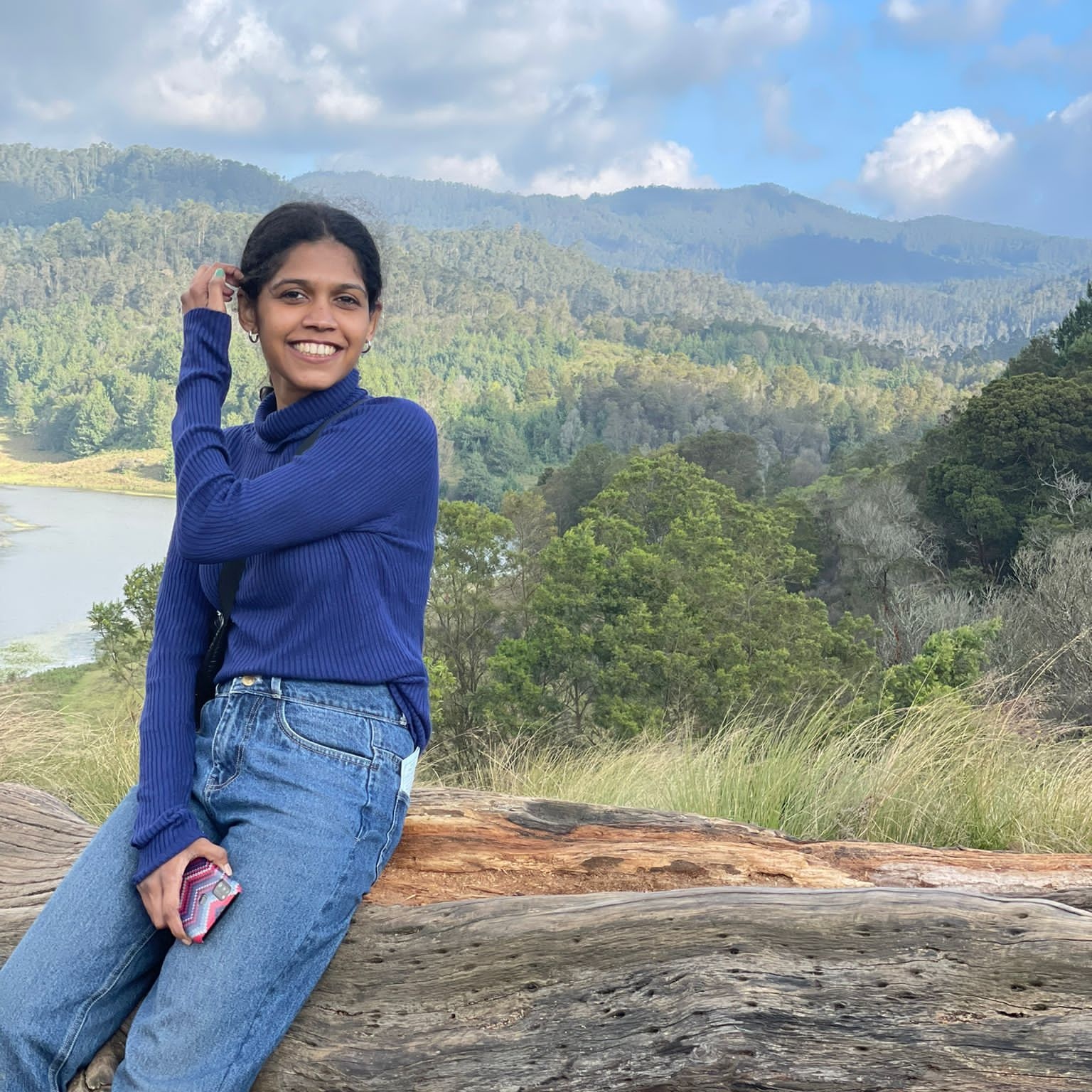
Ambili Narayanan
- Doctor of Philosophy (Natural and Physical Sciences)
- ambili.narayanan@my.jcu.edu.au

Sarfaraz Ali
- Postdoctoral Research Fellow
- sarfaraz.ali@jcu.edu.au
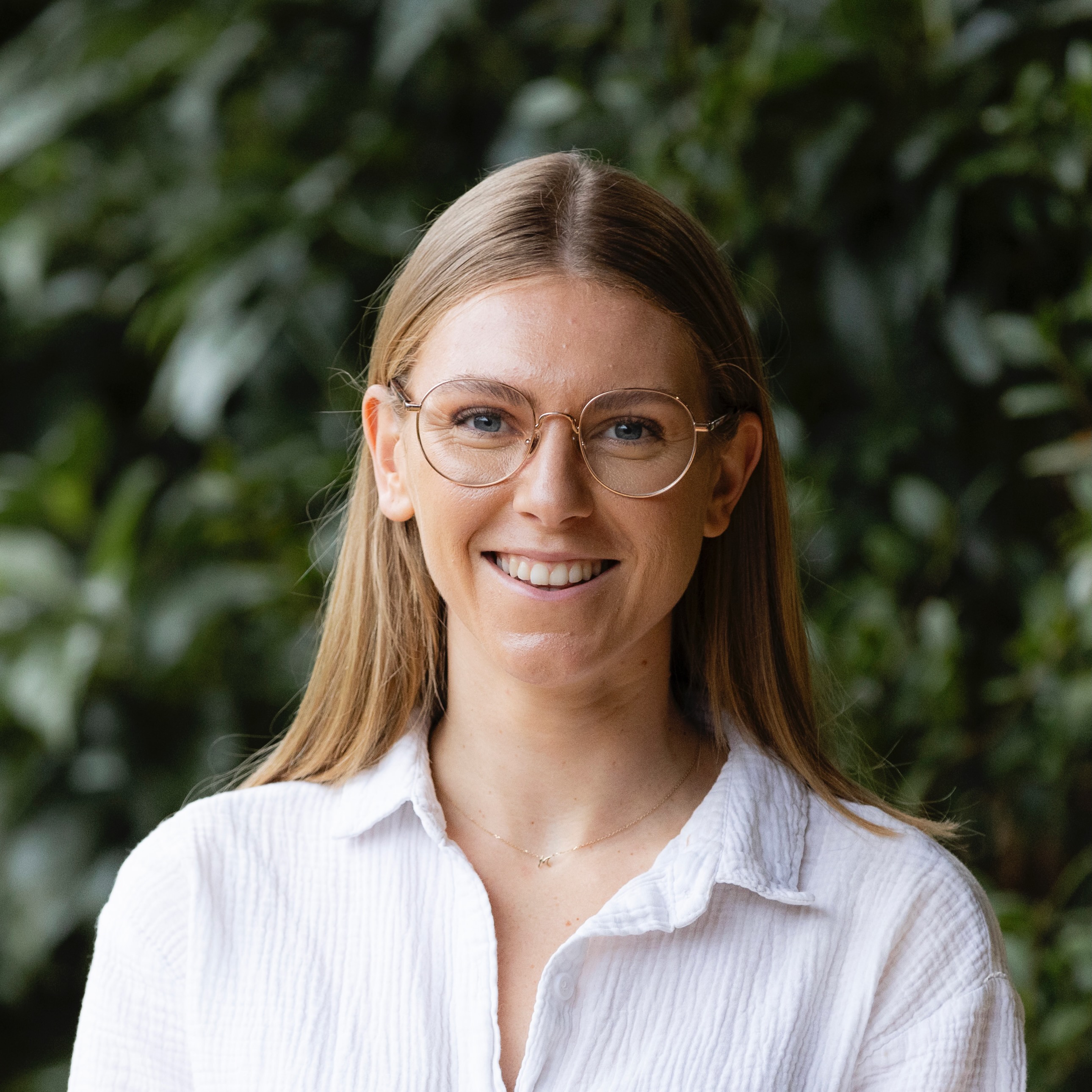
Mikaeylah Davidson
- Postdoctoral Research Fellow
- mikaeylah.davidson@jcu.edu.au
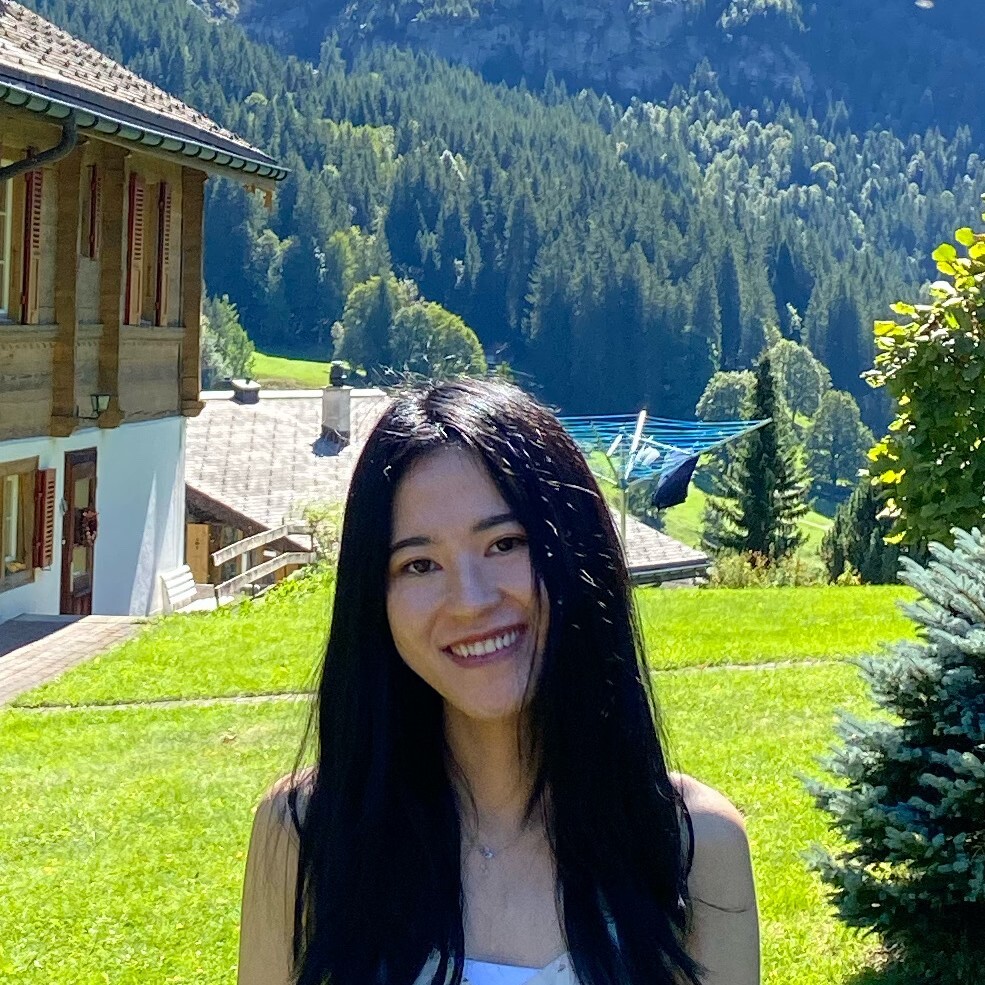
Liuxin Chen
- Lecturer
- liuxin.chen@jcu.edu.au
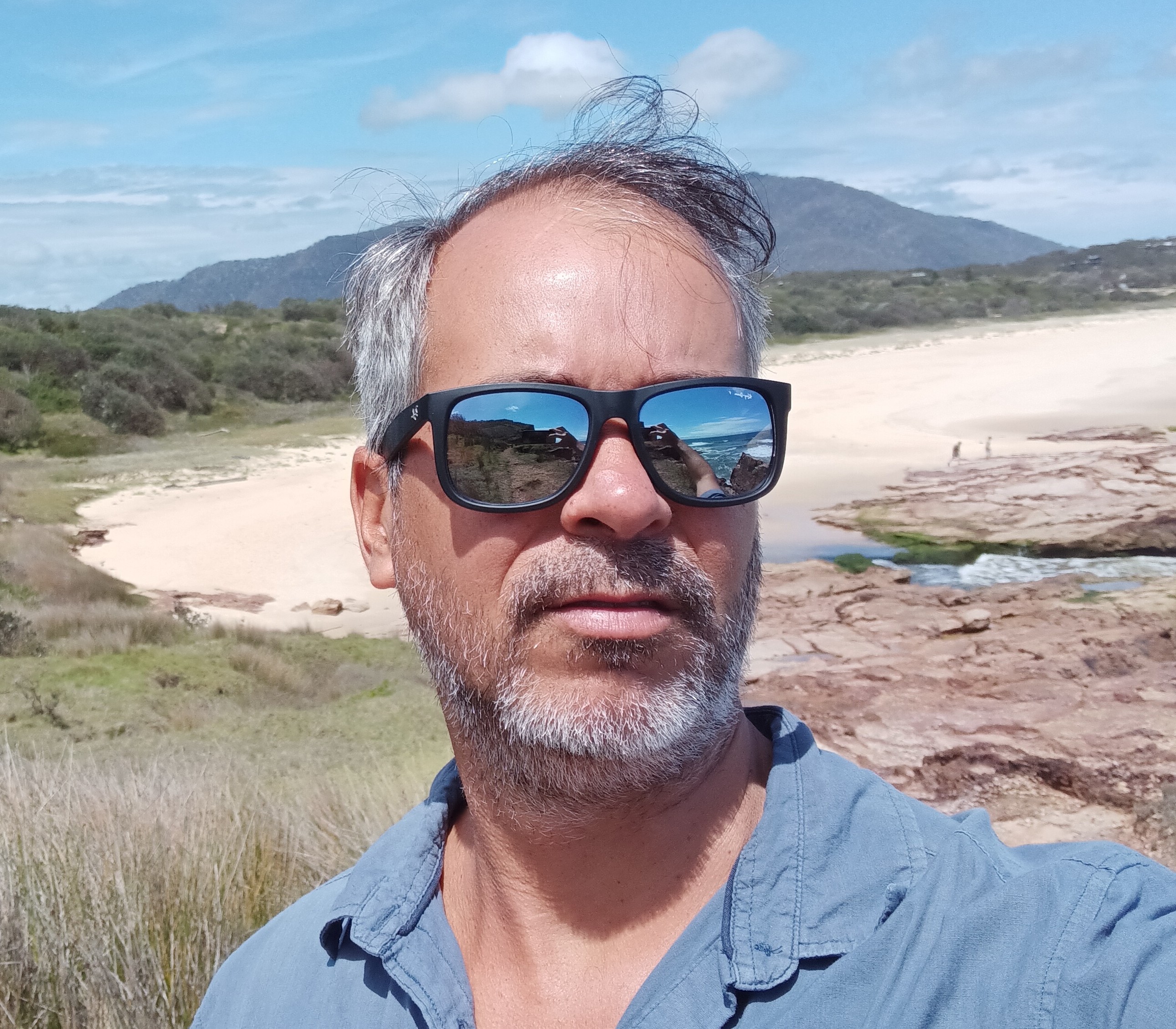
Rafael Cabral Carvalho
- Lecturer, Marine Geoscience
- rafael.cabralcarvalho@jcu.edu.au
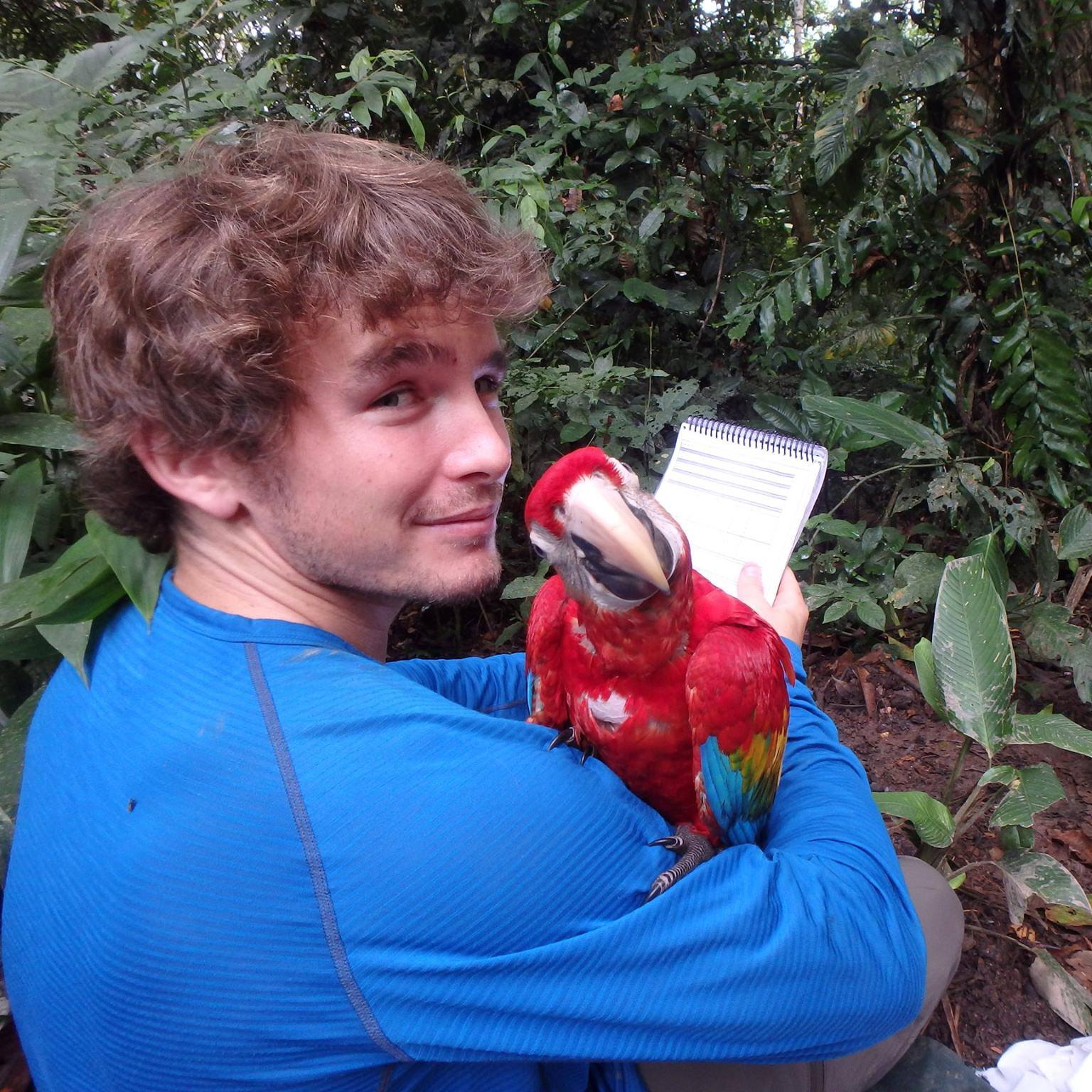
Tom Lloyd
- Postdoctoral Research Fellow, Global Ecosystems
- tom.lloyd@jcu.edu.au
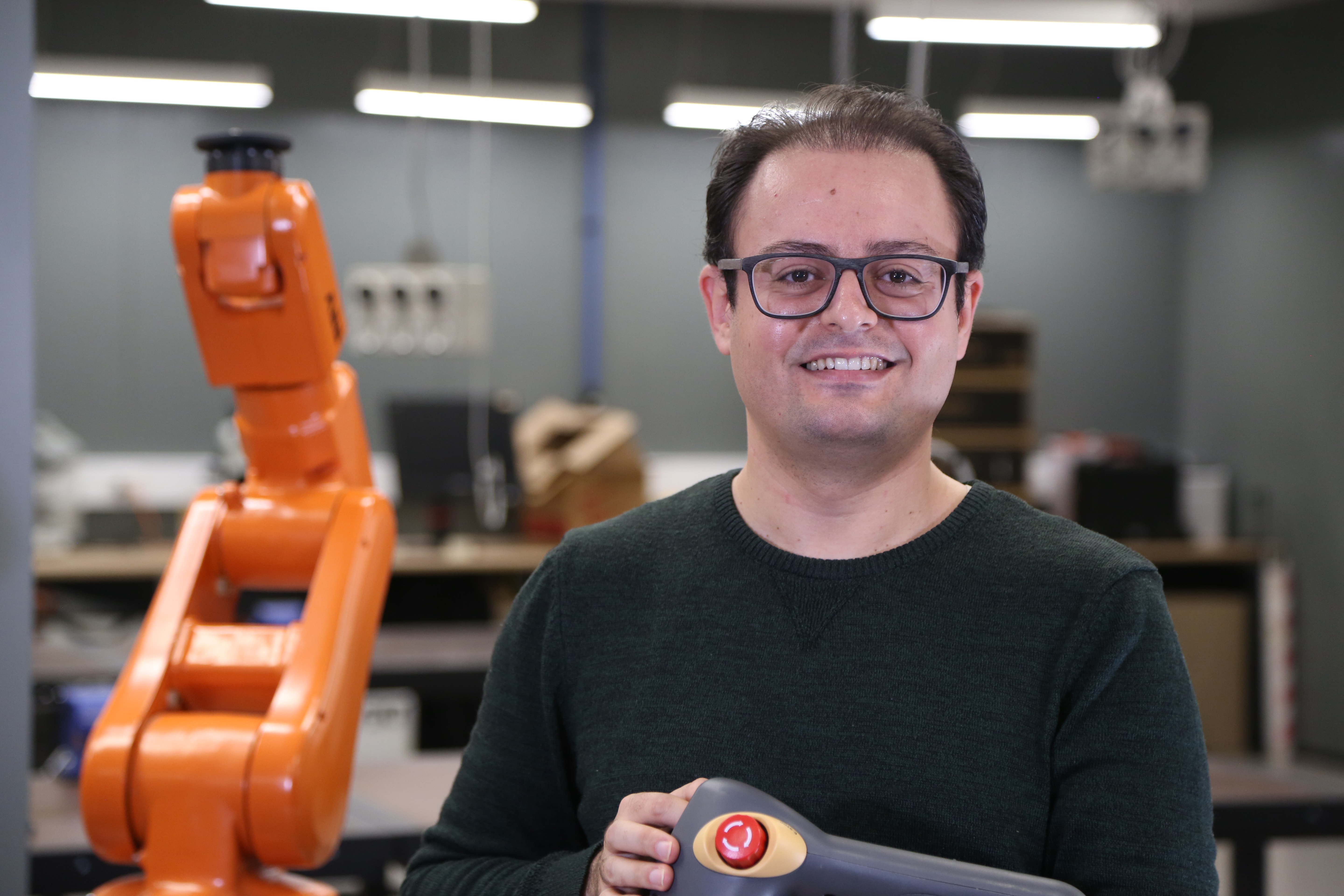
Mohamadreza Chalak Qazani
- Lecturer, Mechanical Engineering
- mohamadreza.chalakqazani@jcu.edu.au
Seismic Interpretation of NE QLD (Old ID 28938)
Ioan Sanislav
15 Mar 2023 - 15 Dec 2023
This project will update the interpretation of deep seismic lines across NE QLD, from Georgetown to Thomson and Hodkinson provinces. Work carried out at JCU with regard to tectonic models of the development of the eastern margin of the north Australian craton and new processing techniques should allow a better understanding of the fundamental geological and tectonic structure of NE Queensland. Understanding of the large scale distribution of geological provinces in 3 dimensions will underpin other works in the region such as geological mapping and lead to better understanding of mineral systems which include significant potential for critical minerals.
Defining metrics of success for feral animal management in northern Australia (Old ID 23026)
Nathan Waltham
01 Jun 2016 - 31 Dec 2020
Feral animals cause significant damage to aquatic ecosystems across northern Australia, affecting biodiversity, ecosystem function and Indigenous cultural values. Funding for feral animal control often focuses on a particular species, ignoring the iterative and cumulative impact of the feral animals. This project will determine the impact of feral animals (pigs, horses, cattle) across aquatic ecosystems in the context of regional and local feral animal control, local aspirations and government priorities. The project will work closely with the Aak Puul Gnangtam and Kalan Aboriginal Development Groups as they continue implementing feral animal abatement strategies across the Archer River catchment.
Assessing risks to coastal ecosystems with new earth observation models (Old ID 26560)
Nicholas Murray
02 Sep 2019 - 30 May 2022
This project aims to quantify and diagnose the causes of declines in the world's coastal wetland ecosystems. Unprecedented rates of loss have been reported in many coastal ecosystems, but there is a lack of knowledge regarding their distribution, status and trajectory at the global scale. The projuect will integrate earth observation, machine-learning and ecosystem risk assessment methods to deliver new high-resolution time-series data, quantitative knowledge on the influence of social, economic and environmental factors on ecosystem loss, and predictions of different future states of coastal ecosystems. Key benefits include an improved ability to monitor and manage coastal ecosystems in Australia and globally.
Long term benthic dynamics following interventions on macroalgae dominated reefs (Old ID 28962)
Hillary Smith
15 Mar 2023 - 15 Mar 2024
Macroalgae flourish under conditions with high amounts of terrestrial runoff, increased sedimentation and nutrient loading; conditions characteristic of an increasing number of coral reefs globally. These conditions can prompt a shift from coral dominance to an altered, macroalgae-dominated community, with the return of coral dominance rare once fleshy macroalgae have established. By increasing space for growth of existing coral colonies and enhancing available space for coral recruitment, manual removal of macroalgae (“sea-weeding”) has been proposed as one measure to promote reef recovery on macroalgae dominated reefs. This project will monitor the long-term benthic impacts of removing macroalgae from experimental plots on a degraded inshore reef.
Queensland Coastline Capture Project. (Old ID 21130)
Rob Beaman
01 Sep 2013 - 30 Jun 2025
The objectives are: (1) Using panchromatic and multi-band digital imagery acquired using both aircraft and satellites to provide interpretation and capture of reefs throughout the Great Barrier Reef (GBR). Specifically, identifying and capturing those reefs that expose at lowest astronomical tide (LAT). (2) to identify and capture other reef structures that are apparent from the imagery that will contribute to the knowledge of the extent and structure of the GBR. The Project will provide valuable data across Government of the GBR that will increase the general knowledge of reef location and will provide valuable data across Government of the GBR that will increase the general knowledge of reef location and structure, as well as maximising Australia's control of the GBR and realising the full extend of offshore jurisdiction.
Biodiversity, biogeography and molecular evolution on tropical reefs (Old ID 22591)
Peter Cowman
01 Jun 2017 - 14 Jun 2020
This project aims to uncover how biodiversity patterns are driven by evolutionary processes, biogeography and molecular change. Coral reefs support over 800,000 plant and animal species on <0.1% of the ocean. How was this biodiversity formed? This project aims to answer this question by generating genomic data for a group of reef building corals and reef associated fishes to reconstruct their evolutionary history. It plans to use new methods to compare models of speciation, extinction and range change among regions to determine how those processes contribute to the formation of biodiversity gradients and regional assemblage differences. The project intends to improve understanding of evolutionary dynamics to inform conservation priorities.
The genomics of bleaching tolerance in a hearty, common reef-building coral: Acropora tenuis (Old ID 24824)
Hillary Smith
01 Sep 2018 - 30 Apr 2019
Over the last two years, the Great Barrier Reef has suffered unprecedented coral bleaching, leading to a loss of coral cover and biodiversity. This project aims to quantify the consequences of coral bleaching on adaptive genetic variation. This information can be input to future modelling and resilience management techniques. We will address four major questions: 1) does bleaching lead to a loss of genetic diversity in a stress-tolerant species? 2) What genes and physiological traits are involved in stress tolerance? 3) What gene variants allow survival? And 4) Does migration of mal-adapted larvae hinder local adaptation to extreme heat?
Torres Straits Wetlands, Mangroves and Invasive Species (Old ID 23518)
Nathan Waltham
01 Apr 2017 - 30 Jun 2018
Coastal wetlands and mangrove habitat are important for aquatic communities in the Torres Straits. These water environments also provide important food and cultural values for locals. Torres Straits Regional Authority wishes to continue building Land and Sea Ranger capacity to monitor and evaluate condition of wetlands across the Straits. TropWATER will assist with water quality monitoring, invasive animal management, mangrove condition and health assessment, along with preparation of materials for rangers to continue these monitoring programs.
Janco Enterprise Pty Ltd (Old ID 26174)
Wei Xiang
20 Sep 2018 - 20 Mar 2019
Machine learning sensor network to maintain optimum conditions and collect data for Molten Oxygen Electrolysis (MOE) reactions. Sensor data collection – Supervisory capacity Machine learning logic for maintaining optimum reaction conditions on a provided hardware network Supervisory capacity Suggestion of industry standards for data collection and fail-safe implementation Suggestion of hardware components and configuration JCU’s scope in this project: Supervise on sensor quality before purchase and calibration logic once installed into PCB Supervise on any errors in the output value and possible causes Supervise on provided network structures for reliably and continuously recording data from multiple sensors to multiple SBC’s to an academic standard Supervise on methods for machine learning collection of data Supervise on methods provided for protecting sensor hardware in extreme conditions Check failsafe methods and data collection failsafes for industry standards requirements Consult on final hardware design for industrial conditional requirements (Industrial standards reports will be gathered prior to consultation, this is a 2nd check precaution) All mathematical modelling, programming, purchasing of hardware and construction shall be completed by JE Pty Ltd
Exploratory study of effects of sample storage/stabilisation on Cu isotope compositions of groundwater, and linkage between groundwater and proximal soil profiles. (Old ID 29017)
Brandon Mahan
16 Jun 2023 - 30 Sep 2023
The aims of this collaborative project between JCU and Geoscience Australia are simple. Geoscience Australia have legacy groundwater samples from active bores through their previous hydrogeochemical surveys (e.g. Northern Australia Hydrogeochemical Survey), where both acidified and unacidified samples have been kept in storage, some for up to several years. Copper concentrations measured at/near the time of sampling are variable, with some being in the sub-ppb range and others significantly higher. For some bores, proximal soil and rock samples are also available. This project will leverage all the above towards the following objectives: 1. Analyse Cu concentrations and isotope compositions for a small cohort of legacy groundwater samples (~10). 2. Analyse Cu isotope compositions in proximity-matched soil/rock samples. Where spatially matched soil and/or core rock samples are available, an additional subset of these solid samples will be processed and analysed to characterize their Cu isotope compositions and compare to that of matched groundwater samples. 3. Collate all results and jointly interpret with Geoscience Australia
Taxonomic revision of Australian Myrsinaceae: Ardisia Sw. and Tetrardisia Mez
- 2009
- Queensland Herbarium
- Researchers:Betsy Jackes
Ecological consequences of forest fragmentation in the Amazon
- 2009
- Federal University of Rio de Janeiro
- Researchers:William Laurance
Start Date:
10 Nov 2024
Start Date:
31 Mar 2025
Title:
Bengali
Reseracher:
Khandakar Faisal Ibn Murad
(Doctor of Philosophy (Engineering and Related Technologies))
Title:
English
Reseracher:
Khandakar Faisal Ibn Murad
(Doctor of Philosophy (Engineering and Related Technologies))
Start Date:
01 Jan 2024
Start Date:
01 Jan 2024
End Date:
01 Jan 2027
Start Date:
01 Jan 2014
Start Date:
01 Jan 2003
Title:
PhD, James Cook University
End Date:
01 Jan 2010
Start Date:
01 Jan 2024
End Date:
01 Jan 2024