
College of Science & Engineering

Sophia Love
- Doctor of Philosophy (Natural and Physical Sciences)
- sophie.love@jcu.edu.au
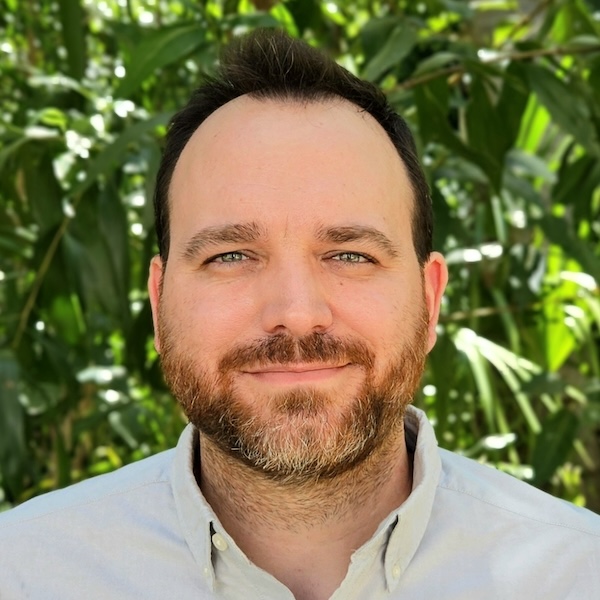
Romain Vaucher
- Senior Lecturer, Sedimentology
- romain.vaucher@jcu.edu.au
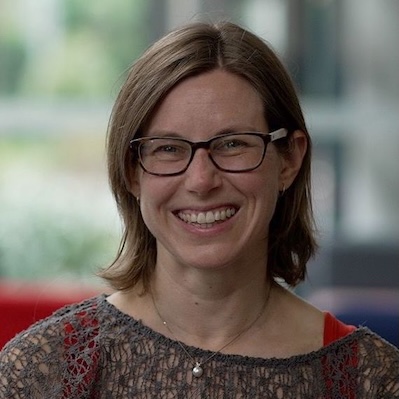
Jenny Fisher
- Associate Dean, Learning and Teaching
- jenny.fisher@jcu.edu.au

Ambili Narayanan
- Doctor of Philosophy (Natural and Physical Sciences)
- ambili.narayanan@my.jcu.edu.au

Sarfaraz Ali
- Postdoctoral Research Fellow
- sarfaraz.ali@jcu.edu.au
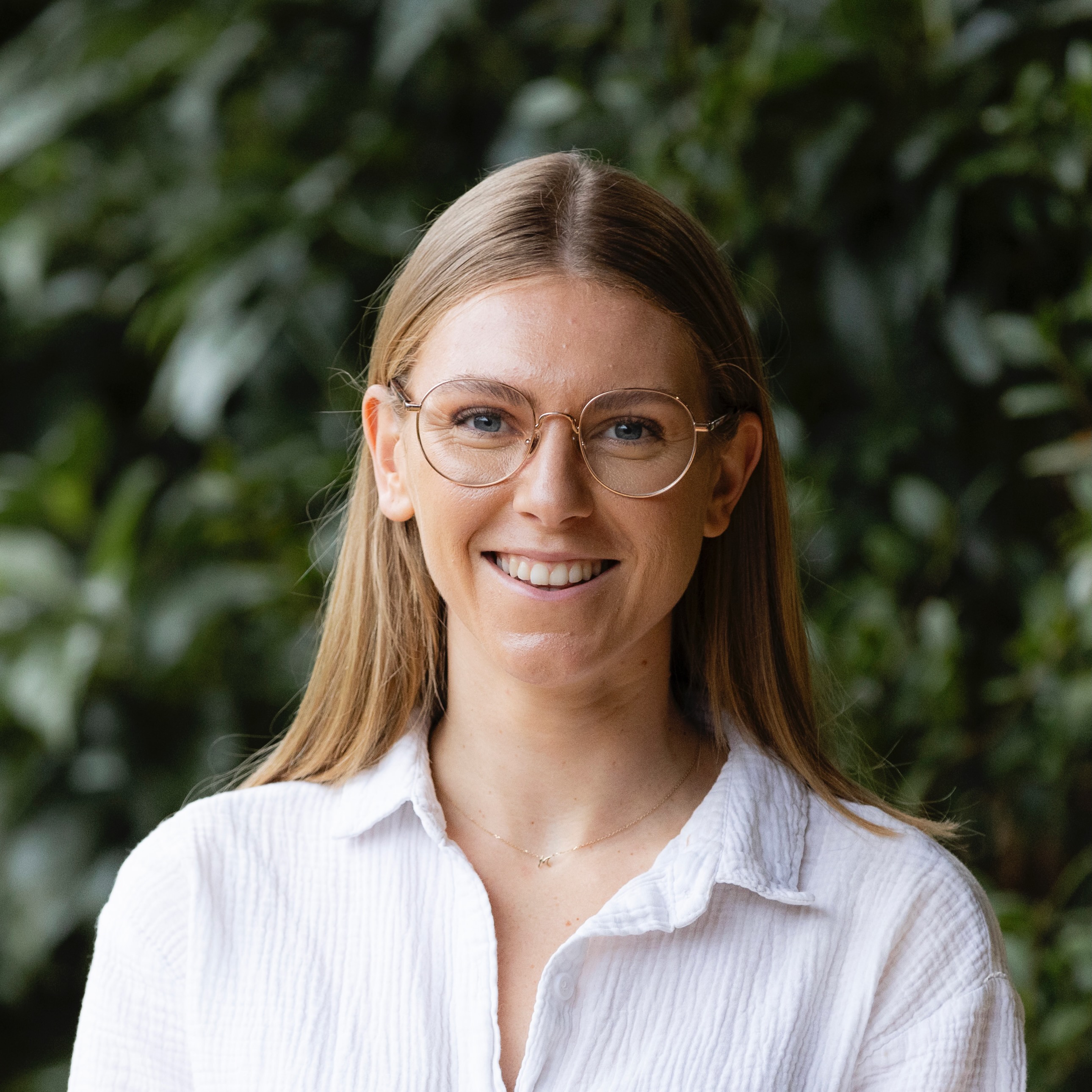
Mikaeylah Davidson
- Postdoctoral Research Fellow
- mikaeylah.davidson@jcu.edu.au
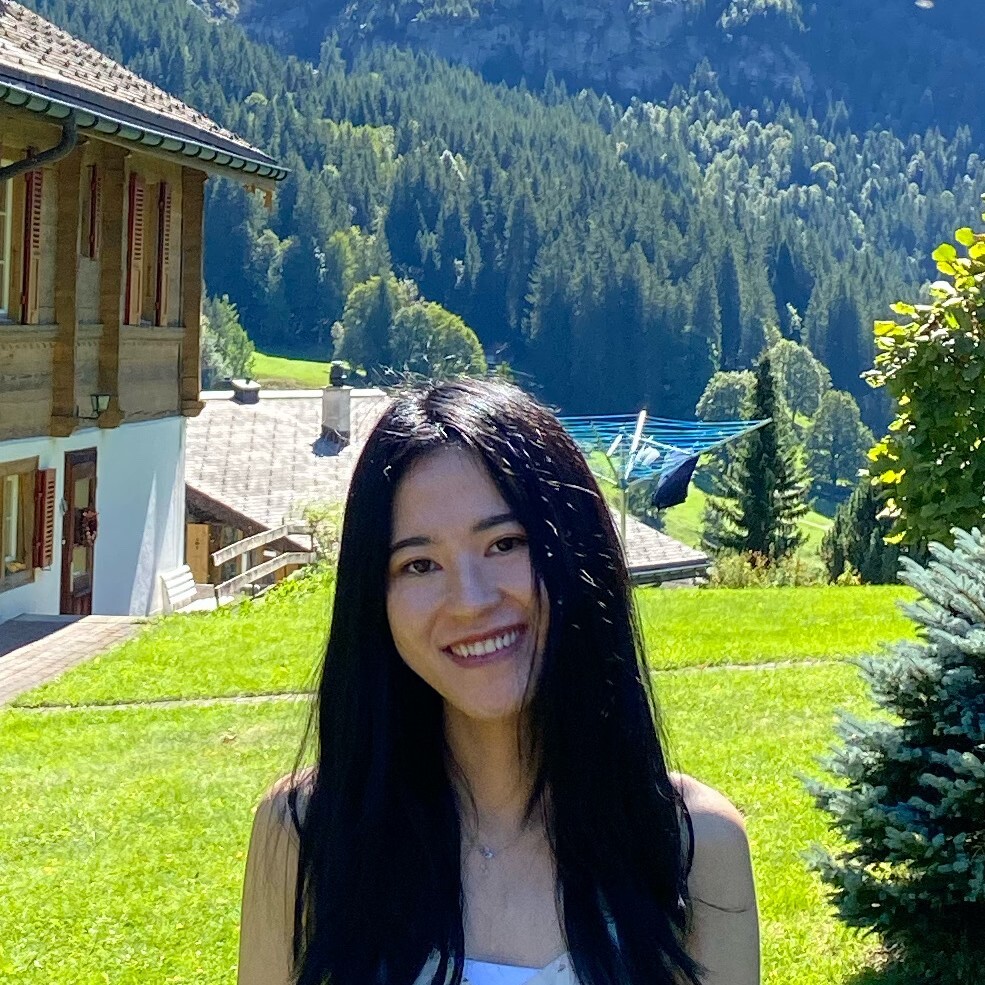
Liuxin Chen
- Lecturer
- liuxin.chen@jcu.edu.au
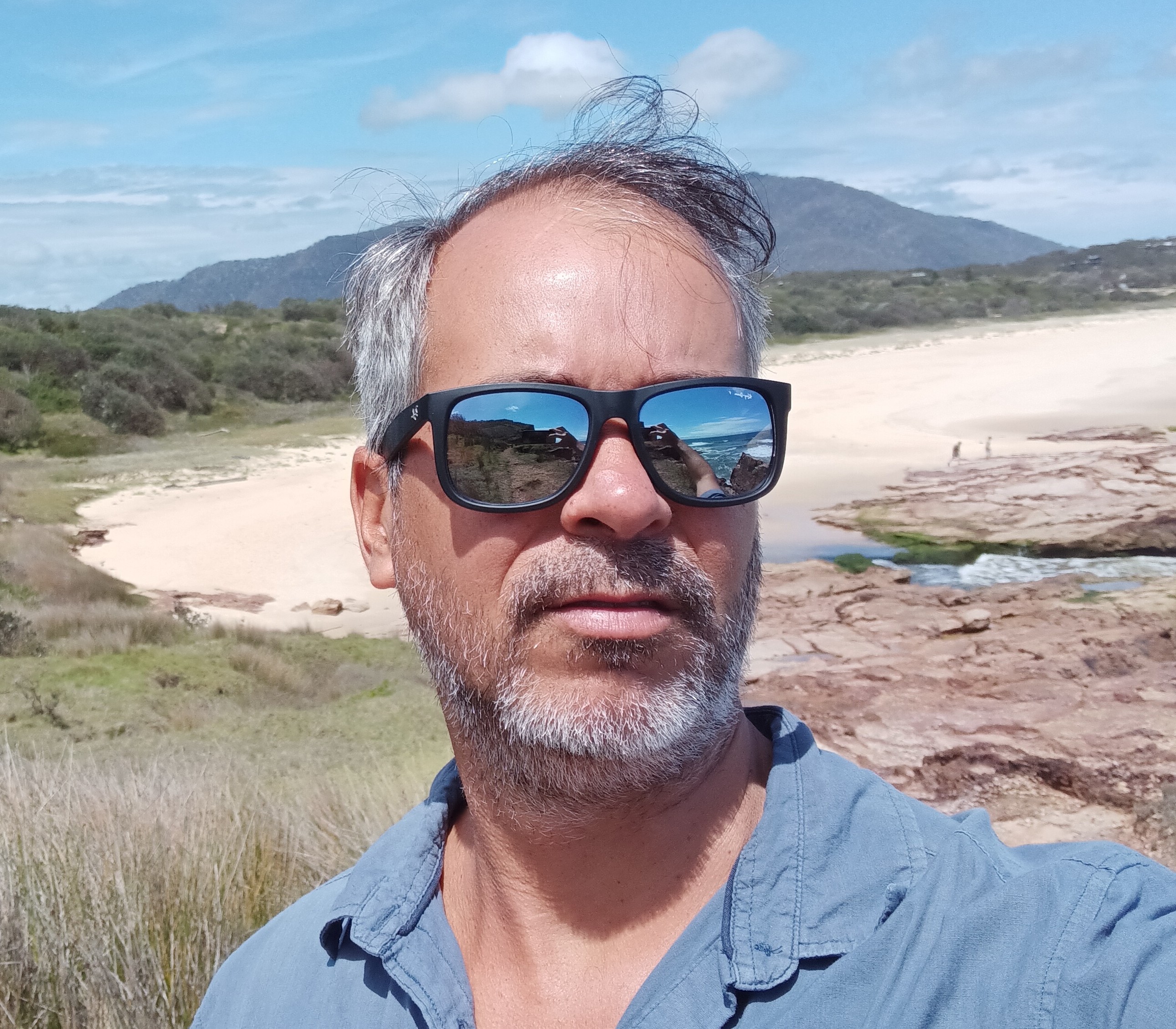
Rafael Cabral Carvalho
- Lecturer, Marine Geoscience
- rafael.cabralcarvalho@jcu.edu.au
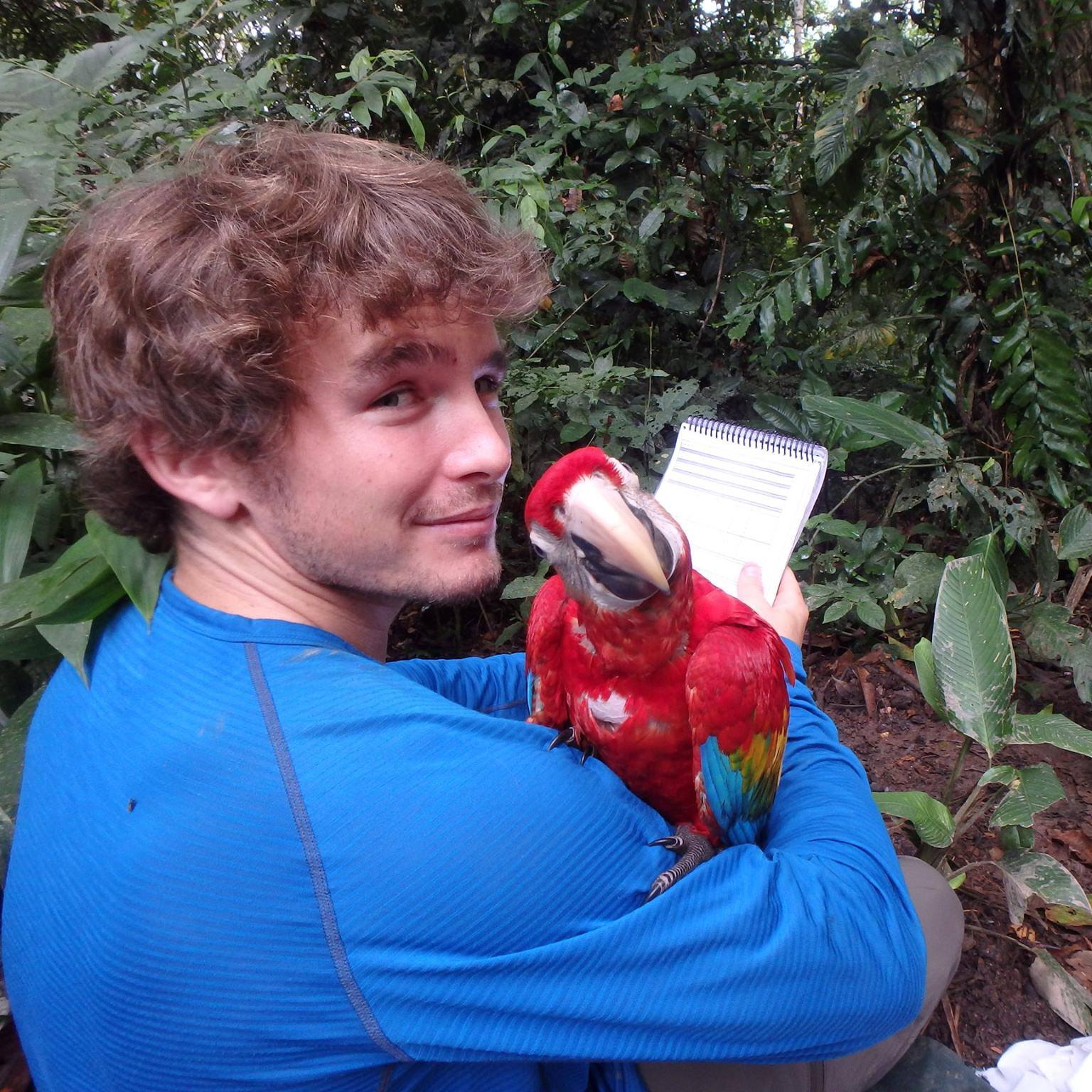
Tom Lloyd
- Postdoctoral Research Fellow, Global Ecosystems
- tom.lloyd@jcu.edu.au
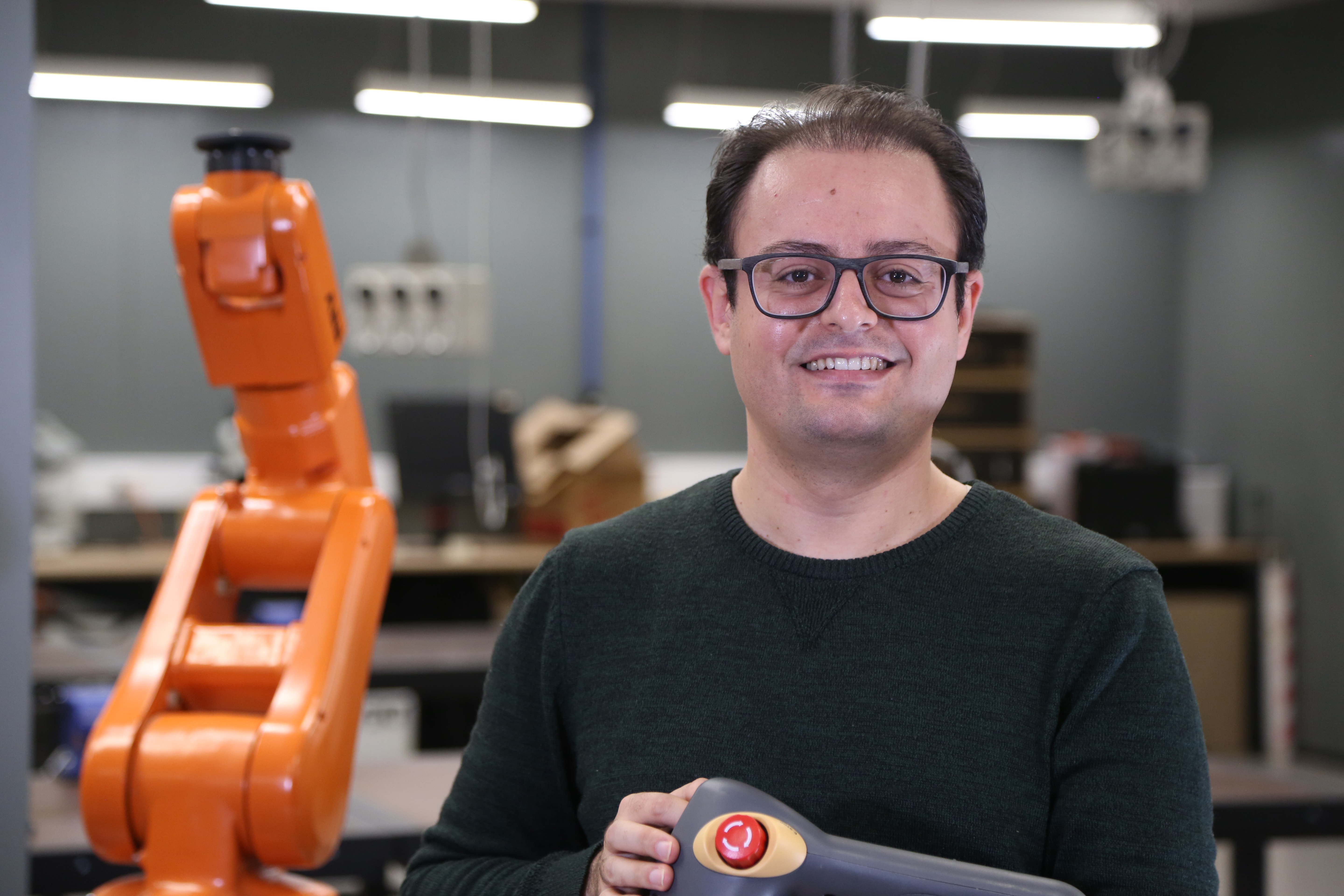
Mohamadreza Chalak Qazani
- Lecturer, Mechanical Engineering
- mohamadreza.chalakqazani@jcu.edu.au
Queensland Coastline Capture Project. (Old ID 21130)
Rob Beaman
01 Sep 2013 - 30 Jun 2025
The objectives are: (1) Using panchromatic and multi-band digital imagery acquired using both aircraft and satellites to provide interpretation and capture of reefs throughout the Great Barrier Reef (GBR). Specifically, identifying and capturing those reefs that expose at lowest astronomical tide (LAT). (2) to identify and capture other reef structures that are apparent from the imagery that will contribute to the knowledge of the extent and structure of the GBR. The Project will provide valuable data across Government of the GBR that will increase the general knowledge of reef location and will provide valuable data across Government of the GBR that will increase the general knowledge of reef location and structure, as well as maximising Australia's control of the GBR and realising the full extend of offshore jurisdiction.
Biodiversity, biogeography and molecular evolution on tropical reefs (Old ID 22591)
Peter Cowman
01 Jun 2017 - 14 Jun 2020
This project aims to uncover how biodiversity patterns are driven by evolutionary processes, biogeography and molecular change. Coral reefs support over 800,000 plant and animal species on <0.1% of the ocean. How was this biodiversity formed? This project aims to answer this question by generating genomic data for a group of reef building corals and reef associated fishes to reconstruct their evolutionary history. It plans to use new methods to compare models of speciation, extinction and range change among regions to determine how those processes contribute to the formation of biodiversity gradients and regional assemblage differences. The project intends to improve understanding of evolutionary dynamics to inform conservation priorities.
The genomics of bleaching tolerance in a hearty, common reef-building coral: Acropora tenuis (Old ID 24824)
Hillary Smith
01 Sep 2018 - 30 Apr 2019
Over the last two years, the Great Barrier Reef has suffered unprecedented coral bleaching, leading to a loss of coral cover and biodiversity. This project aims to quantify the consequences of coral bleaching on adaptive genetic variation. This information can be input to future modelling and resilience management techniques. We will address four major questions: 1) does bleaching lead to a loss of genetic diversity in a stress-tolerant species? 2) What genes and physiological traits are involved in stress tolerance? 3) What gene variants allow survival? And 4) Does migration of mal-adapted larvae hinder local adaptation to extreme heat?
Torres Straits Wetlands, Mangroves and Invasive Species (Old ID 23518)
Nathan Waltham
01 Apr 2017 - 30 Jun 2018
Coastal wetlands and mangrove habitat are important for aquatic communities in the Torres Straits. These water environments also provide important food and cultural values for locals. Torres Straits Regional Authority wishes to continue building Land and Sea Ranger capacity to monitor and evaluate condition of wetlands across the Straits. TropWATER will assist with water quality monitoring, invasive animal management, mangrove condition and health assessment, along with preparation of materials for rangers to continue these monitoring programs.
Janco Enterprise Pty Ltd (Old ID 26174)
Wei Xiang
20 Sep 2018 - 20 Mar 2019
Machine learning sensor network to maintain optimum conditions and collect data for Molten Oxygen Electrolysis (MOE) reactions. Sensor data collection – Supervisory capacity Machine learning logic for maintaining optimum reaction conditions on a provided hardware network Supervisory capacity Suggestion of industry standards for data collection and fail-safe implementation Suggestion of hardware components and configuration JCU’s scope in this project: Supervise on sensor quality before purchase and calibration logic once installed into PCB Supervise on any errors in the output value and possible causes Supervise on provided network structures for reliably and continuously recording data from multiple sensors to multiple SBC’s to an academic standard Supervise on methods for machine learning collection of data Supervise on methods provided for protecting sensor hardware in extreme conditions Check failsafe methods and data collection failsafes for industry standards requirements Consult on final hardware design for industrial conditional requirements (Industrial standards reports will be gathered prior to consultation, this is a 2nd check precaution) All mathematical modelling, programming, purchasing of hardware and construction shall be completed by JE Pty Ltd
Exploratory study of effects of sample storage/stabilisation on Cu isotope compositions of groundwater, and linkage between groundwater and proximal soil profiles. (Old ID 29017)
Brandon Mahan
16 Jun 2023 - 30 Sep 2023
The aims of this collaborative project between JCU and Geoscience Australia are simple. Geoscience Australia have legacy groundwater samples from active bores through their previous hydrogeochemical surveys (e.g. Northern Australia Hydrogeochemical Survey), where both acidified and unacidified samples have been kept in storage, some for up to several years. Copper concentrations measured at/near the time of sampling are variable, with some being in the sub-ppb range and others significantly higher. For some bores, proximal soil and rock samples are also available. This project will leverage all the above towards the following objectives: 1. Analyse Cu concentrations and isotope compositions for a small cohort of legacy groundwater samples (~10). 2. Analyse Cu isotope compositions in proximity-matched soil/rock samples. Where spatially matched soil and/or core rock samples are available, an additional subset of these solid samples will be processed and analysed to characterize their Cu isotope compositions and compare to that of matched groundwater samples. 3. Collate all results and jointly interpret with Geoscience Australia
Climate Vulnerability Index Aldabra (Old ID 27415)
Scott Heron
01 Sep 2021 - 31 Dec 2021
Climate change poses an existential threat to global heritage. With rising sea-levels, more extreme weather events and aridification, the extensive impacts of climate are evident at heritage sites globally and the pace of this change is startling. In most parts of the world the rate of loss is exceeding adaptive capacity and this deficit is only getting worse. Decisions on conservation and preservation begin with a detailed understanding of a place's vulnerability. The choices made will directly impact that ability to effectively integrate the goals of safeguarding heritage, adapting and mitigating climate change, and driving sustainable development. This project will apply the Climate Vulnerability Index process to assess the vulnerability of the Aldabra Atoll World Heritage property and its associated communities. There is an urgent need to assess climate vulnerability using community-based methodologies to inform actions taken by decision makers.
Add mountains and shake: fault and earthquake pattern controls in active plate boundaries. (Old ID 27639)
Melanie Finch
01 Sep 2022 - 31 Aug 2025
Transpressional mountain building occurs when tectonic plate boundaries undergo shortening and shearing parallel and perpendicular to the plate boundary. Such regions are characterised by mountains, interacting fault networks, earthquakes, volcanoes and ore deposits. We aim to determine the fundamental physical processes that link topography, seismicity, volcanism and the evolution of fault networks in these mountain belts. This work will: determine fault patterns, seismic and volcanic hazards in transpressional mountain belts, determine how seismicity modulates fault pathways, determine how high topography affects fault networks, seismic and volcanic unrest, and provide a new framework for mineral exploration at these plate boundaries.
NQBP & JCU Research & Monitoring Partnership - Seagrass and Coral Studies (Old ID 24715)
Nathan Waltham
23 Oct 2017 - 27 Dec 2020
This project conducts long term assessments of seagrass and coral in the Ports of Mackay, Hay Point, Weipa and Abbott Point. The work forms part of a research and monitoring partnership between JCU and NQBP to monitor and assess marine environmental health within ports as well as support related research and education opportunities.
Caught in the canopy: can coral larvae navigate seaweed canopies? (Old ID 27922)
Hillary Smith
10 Feb 2023 - 31 Aug 2024
Hard corals and fleshy macroalgae are two major benthic components of corals reefs, and the competition between these two groups can shape reef trajectories. Where coral reefs have been degraded through anthropogenic influences (climate change and local factors), the competitive interactions between coral and macroalgae are often increased in frequency and intensity. Given the range of known negative effects of macroalgae on corals, and in light of the climate crisis, it has been proposed that manual removal of macroalgae could help boost coral settlement and resilience on a local scale. Indeed, recent research has shown that the physical removal of macroalgae can triple the resulting recruitment of coral juveniles and drastically increase coral cover, and hence is a viable strategy for active reef management. However, it is not yet known what macroalgal mechanism (biochemical or physical) prevents coral juvenile success. It is also not known what level of algal reduction is needed to achieve reef rehabilitation outcomes. In this project, field data and aquarium-based experiments using different densities and heights of macroalgae will determine how macroalgae canopies affect coral recruitment, and will explicitly test the hypothesis that a physical barrier is responsible for preventing coral juveniles access to reef substrate, and could explain wide- scale patterns in recruitment failure on reefs worldwide.
Exploration on feature extraction schemes and classifiers for shaft testing system
- 2010
- Academy Publisher
- Researchers:Kyungmi Joanne Lee
Classification ensembles for shaft test data: empirical evaluation
- 2005
- United Kingdom Simulation Society
- Researchers:Kyungmi Joanne Lee
Support vector machine classification of ultrasonic shaft inspection data using discrete wavelet transform
- 2004
- CSREA Press
- Researchers:Kyungmi Joanne Lee
Evolutionary history of the butterflyfishes (f: Chaetodontidae) and the rise of coral feeding fishes
- 2010
- Wiley-Blackwell
- Researchers:David BellwoodPeter Cowman
Crucial knowledge gaps in current understanding of climate change impacts on coral reef fishes
- 2010
- Company of Biologists
- Researchers:David BellwoodAndrew Hoey
GPS-enabled mobiles for learning shortest paths: a pilot study
- 2009
- Association for Computing Machinery
- Researchers:Jason Holdsworth
Patterns of recruitment and abundance of corals along the Great Barrier Reef
- 1999
- Nature Publishing Group
- Researchers:Terry Hughes
Start Date:
10 Nov 2024
Start Date:
31 Mar 2025
Title:
Bengali
Reseracher:
Khandakar Faisal Ibn Murad
(Doctor of Philosophy (Engineering and Related Technologies))
Title:
English
Reseracher:
Khandakar Faisal Ibn Murad
(Doctor of Philosophy (Engineering and Related Technologies))
Start Date:
01 Jan 2024
Start Date:
01 Jan 2024
End Date:
01 Jan 2027
Start Date:
01 Jan 2014
Start Date:
01 Jan 2003
Title:
PhD, James Cook University
End Date:
01 Jan 2010
End Date:
01 Jan 2003