
College of Science & Engineering

Sophia Love
- Doctor of Philosophy (Natural and Physical Sciences)
- sophie.love@jcu.edu.au
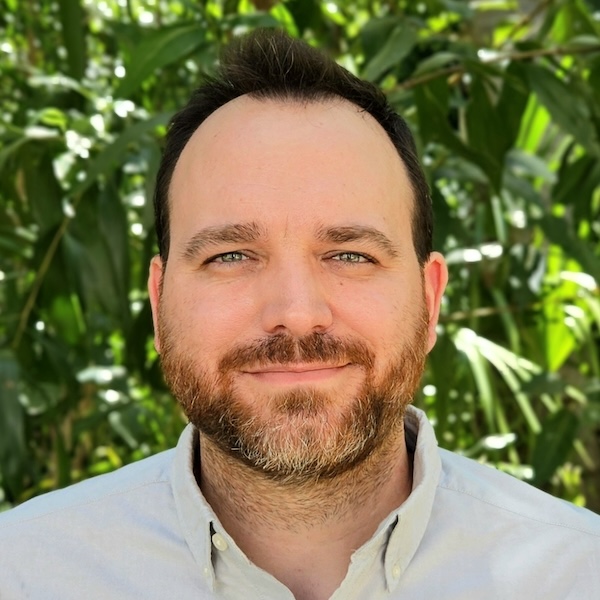
Romain Vaucher
- Senior Lecturer, Sedimentology
- romain.vaucher@jcu.edu.au

Jenny Fisher
- Associate Dean, Learning and Teaching
- jenny.fisher@jcu.edu.au

Ambili Narayanan
- Doctor of Philosophy (Natural and Physical Sciences)
- ambili.narayanan@my.jcu.edu.au

Sarfaraz Ali
- Postdoctoral Research Fellow
- sarfaraz.ali@jcu.edu.au

Mikaeylah Davidson
- Postdoctoral Research Fellow
- mikaeylah.davidson@jcu.edu.au
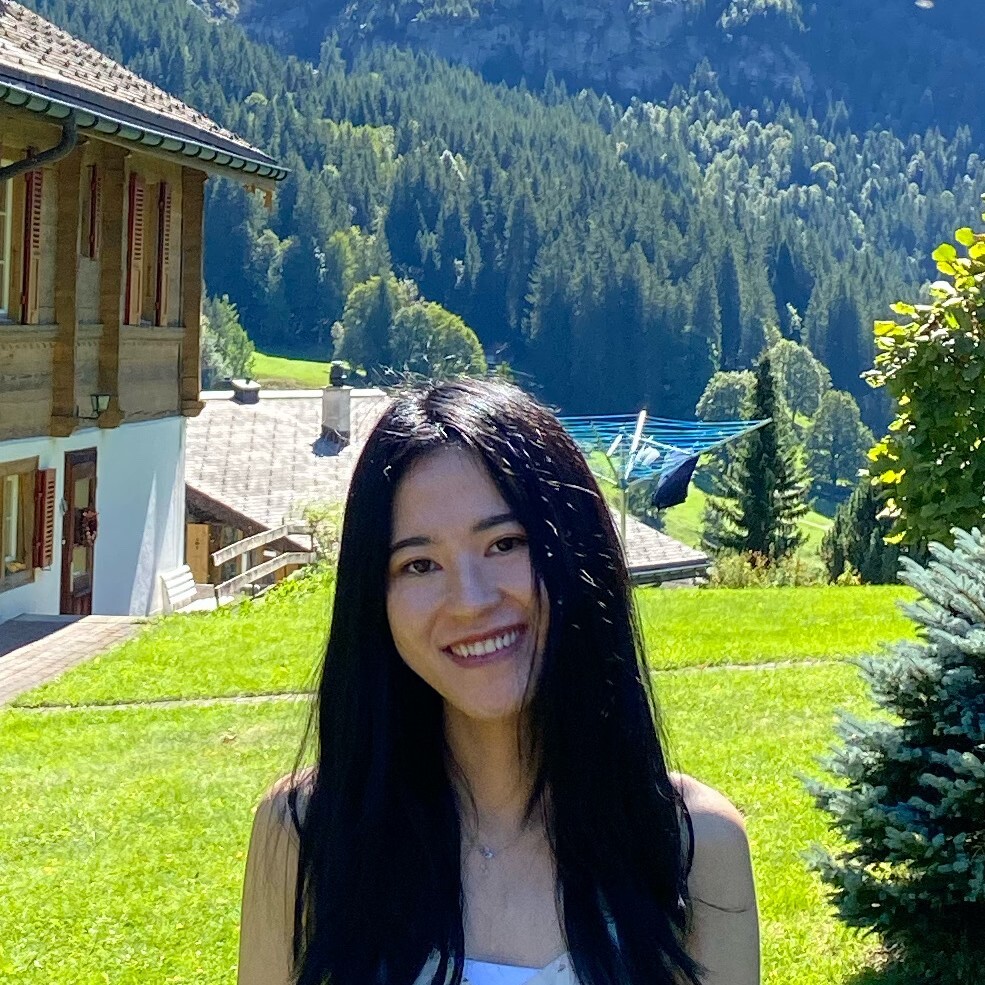
Liuxin Chen
- Lecturer
- liuxin.chen@jcu.edu.au
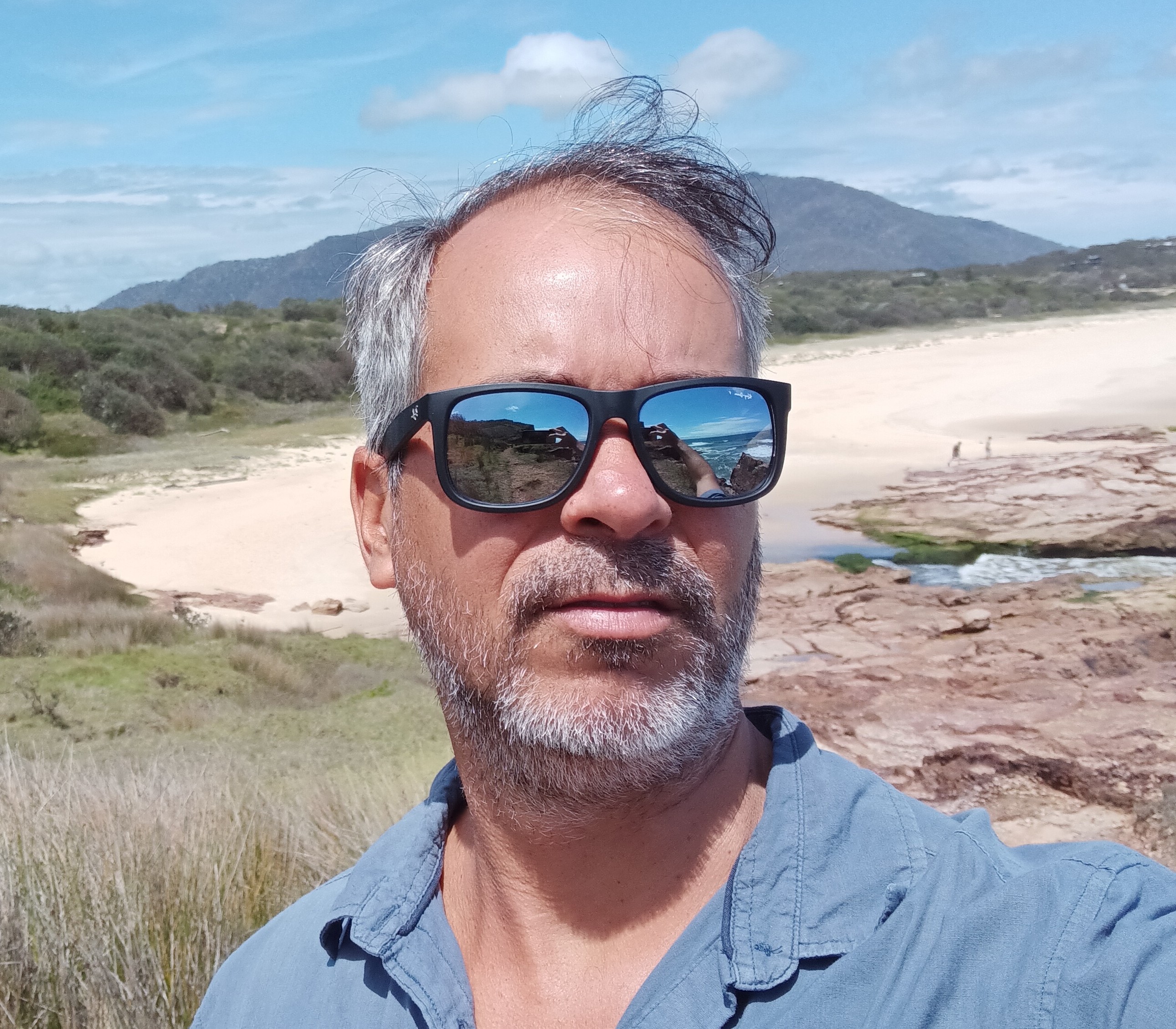
Rafael Cabral Carvalho
- Lecturer, Marine Geoscience
- rafael.cabralcarvalho@jcu.edu.au
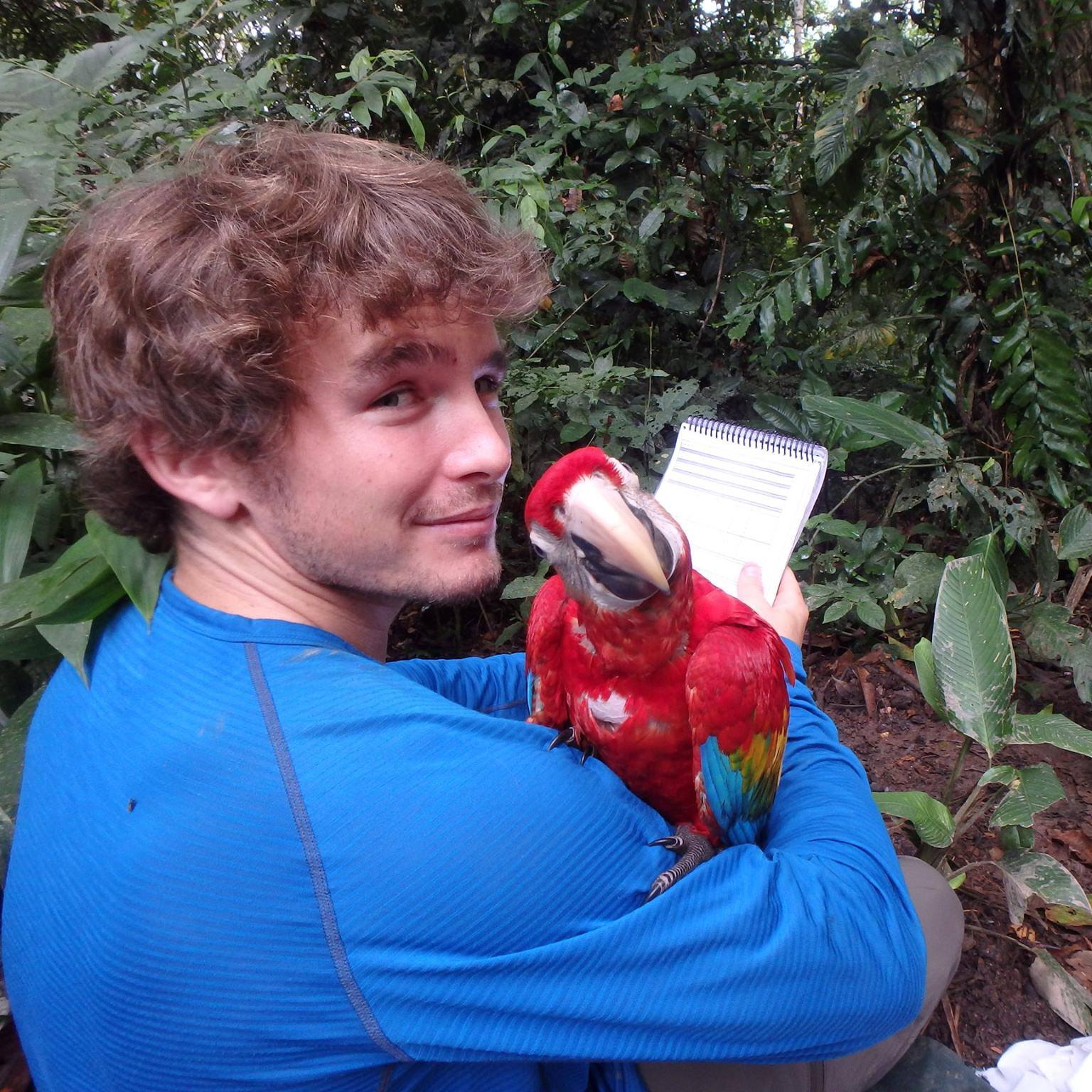
Tom Lloyd
- Postdoctoral Research Fellow, Global Ecosystems
- tom.lloyd@jcu.edu.au
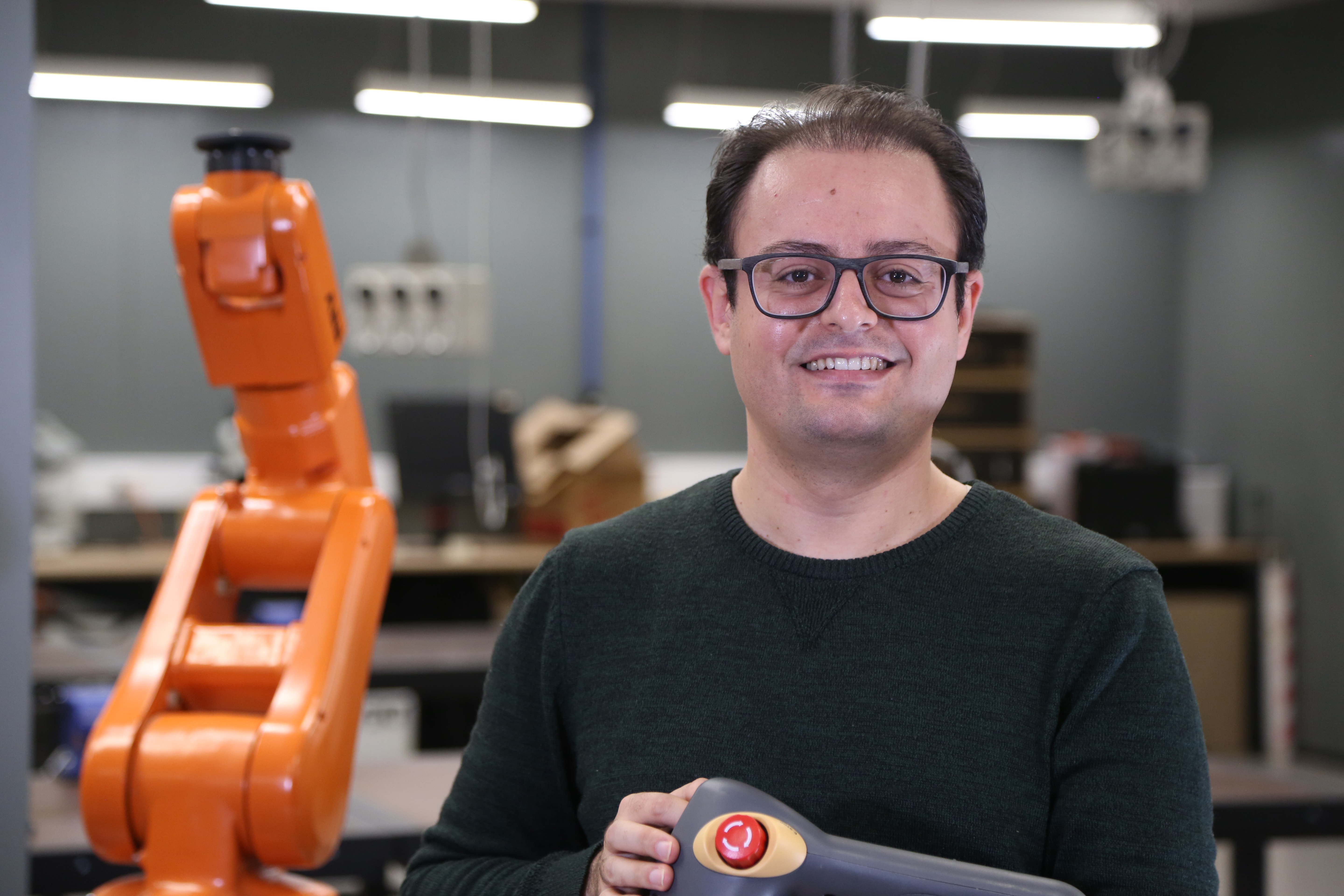
Mohamadreza Chalak Qazani
- Lecturer, Mechanical Engineering
- mohamadreza.chalakqazani@jcu.edu.au
Passive monitoring and intervention for fathers' experiencing perinatal distress
Adrian Shatte
01 Jul 2019 - 01 Jul 2020
Training and evaluating prediction models on social media for fathers' perinatal depression and anxiety.
Harnessing social media and m-health to predict, monitor and intelligently intervene in paternal postpartum depression
Adrian Shatte
01 Jan 2020 - 31 Dec 2021
Developing and evaluating predictive models for parents' depression and anxiety on social media, informing the development of chatbots and personalised mobile interventions.
Rat chat: vocalisations of the fawn-footed mosaic-tailed rat (Melomys cervinipes)
Tasmin Rymer
01 Apr 2024 - 01 Apr 2025
The primary objective is to study the vocal repertoire of the fawn-footed mosaic-tailed rat, the first study of its kind on an Australian rodent species. The project has two main aims. (1) to describe and quantify the main call types of mosaic-tailed rats produced in the audible range in four different ecological contexts. (2) to describe and quantify the main call types produced in the ultrasonic range of mosaic-tailed rats in these same ecological contexts. If they call ultrasonically, this study will represent the first demonstration of ultrasonic vocalisations in this genus. This project aligns with the Foundation objective of “Pure research aimed at understanding rainforest flora and fauna, ecosystems, processes and biological interactions”.
Novel reproductive approaches to de-risk and transform barramundi breeding (Old ID 31145)
Jarrod Guppy
01 May 2024 - 16 Sep 2027
Demand for Australian seafood outstrips supply. Farming of the iconic Australian barramundi is poised to play a major role addressing this shortfall; but innovative methods are needed to de-risk breeding processes and to provide precise control of maturation, spawning and genetic contribution of broodstock. This project, in partnership with the world’s largest barramundi breeding company, will develop, test and apply novel breeding methods to obtain tight control over barramundi reproductive development and spawning. By combining cutting edge genetic and applied breeding techniques, selective breeding programs will be more efficient and the genetic gains from breeding programs will be maximised.
Tully-Johnstone wetland project
HanShe Lim
01 Nov 2023 - 31 May 2024
This project is built on an extension project funded by the Great Barrier Reef foundation to Terrain NRM. Terrain NRM contacted JCU to collaborate on a small study to better understand the partitioning of water, using radon measurements as a way to quantify groundwater contributions to the constructed wetland in Innisfail.
Jaragun wetland restoration research
Nathan Waltham
21 Apr 2024 - 27 Feb 2026
Complete wetland research with Jaragun in wet tropics, including oyster and freshwater ecology research.
Monitoring of avian influenza in samples collected from aquatic birds in North Queensland (2024)
Paul Horwood
17 May 2024 - 31 Jan 2025
At least 576 fresh faecal samples from wild ducks and magpie geese will be collected as environmental samples in the Townsville region. Swabs in transport media and immediately transported to the laboratory. Samples will be pooled and nucleic acid extracted. The extracted nucleic acid will be screened using assays based on TaqMan that will detect avian influenza. Pools that react will be individually extracted and tested. Avian influenza isolates will be checked using TaqMan specific for H5 and H7. Should the samples react in these assays it will be sent to AAHL for further testing and the CVO will be notified. Sequencing on all isolates other than those reacting in H5 and H7 will be carried out to determine genotype and to confirm pathotype.
Ecosystem Risk Assessment: new solutions to the global biodiversity crisis (Old ID 26808)
Nicholas Murray
14 Feb 2019 - 14 Feb 2023
This project aims to develop a typological framework for the world's ecosystems, and undertake the first broadscale global risk assessment for ecosystems. It also includes detailed Australian risk assessments and scenario analyses to develop sustainable management of ecosystem services and climate adaptation strategies. The outcomes include the first global-scale framework for classifying terrestrial, freshwater and marine ecosystems, the first global Red List of Ecosystems an didentified priorities for protecting Earth's remaining wild ecosystems and restoring those that have suffered degradation. These advances will support progress on UN Sustainable Development Goals. The case studies will significantly benefit on-ground action.
An Advanced Ultrafast Laser Spectroscopy Facility in Queensland (Old ID 27154)
Ron White
01 Jan 2021 - 31 Dec 2021
The project aims to establish a world-class ultrafast laser spectroscopy facility to investigate how molecules interact with visible or ultraviolet light. Light-matter interactions are key to energy generation in nature through photosynthesis as well as technologies we use on a daily basis including optical communications and displays. This project expects to generate new knowledge in on how light interacts with matter at the molecular level. Expected outcomes of the ultrafast spectroscopic measurements will be understanding the fate of light absorbed by or generated in different materials. Application of the knowledge gained will enable the design of materials for more efficient technologies such as solar cells, lighting, and sensors.
A global standard for the status of Wetlands of Interatnional Importance (Old ID 26809)
Nicholas Murray
30 Jun 2019 - 30 Jun 2024
The project will develop and test a new global standard for the assessment and reporting on ecological condition of internationally important wetlands, listed aunder the Ramsar Convention. It has four aims: establishment of a strategic adaptive management and governance framework, a meta-analysis of the 2,303 internationally listed wetlands, development of a protocol for assessmetn and prediction and delivering a digital reporting platform for effective management. The project is significant because it tackles the decline of freshwater ecosystems, by targeting the most prominent wetlands. It also assists state and national governments to meet their obligations under the Ramsar Convention and most importantly guides more effective management.
Organic matter, sodicity and soil structure
- 1998
- Oxford University Press
- Researchers:Paul Nelson
Argument free clustering via boundary extraction for massive point-data Sets
- 2002
- Researchers:Ickjai Lee
Start Date:
01 Jan 2018
End Date:
01 Jan 2024
Start Date:
01 Jan 2010
End Date:
01 Jan 2020
Start Date:
01 Jan 2004
End Date:
01 Jan 2008
Start Date:
01 Jan 1999
End Date:
01 Jan 2001
Start Date:
01 Jan 2002
End Date:
01 Jan 2002
Title:
MSc, University of Auckland
Start Date:
01 Jan 2008
End Date:
01 Jan 2009
Start Date:
01 Jan 2022
End Date:
01 Jan 2024
Start Date:
01 Jan 2019
End Date:
01 Jan 2022
Start Date:
01 Jan 2017
End Date:
01 Jan 2021