
College of Science & Engineering

Sophia Love
- Doctor of Philosophy (Natural and Physical Sciences)
- sophie.love@jcu.edu.au
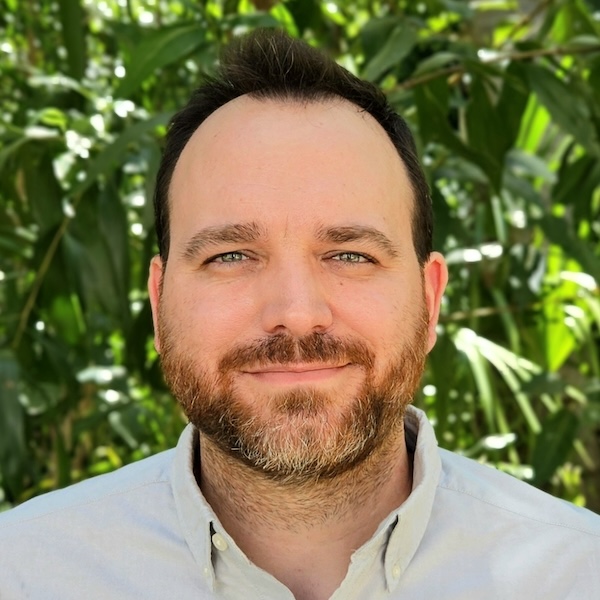
Romain Vaucher
- Senior Lecturer, Sedimentology
- romain.vaucher@jcu.edu.au

Jenny Fisher
- Associate Dean, Learning and Teaching
- jenny.fisher@jcu.edu.au

Ambili Narayanan
- Doctor of Philosophy (Natural and Physical Sciences)
- ambili.narayanan@my.jcu.edu.au

Sarfaraz Ali
- Postdoctoral Research Fellow
- sarfaraz.ali@jcu.edu.au

Mikaeylah Davidson
- Postdoctoral Research Fellow
- mikaeylah.davidson@jcu.edu.au

Liuxin Chen
- Lecturer
- liuxin.chen@jcu.edu.au
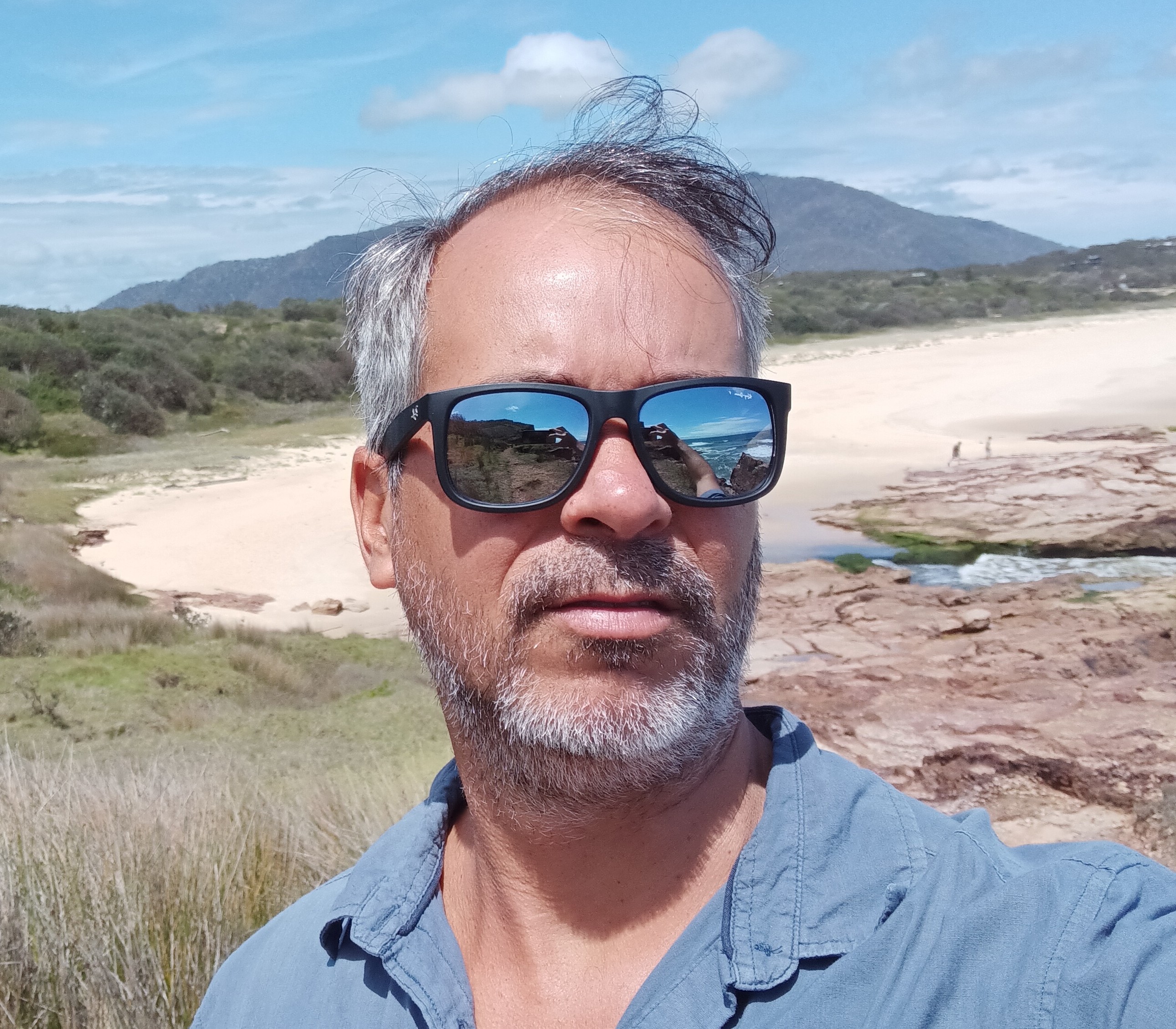
Rafael Cabral Carvalho
- Lecturer, Marine Geoscience
- rafael.cabralcarvalho@jcu.edu.au
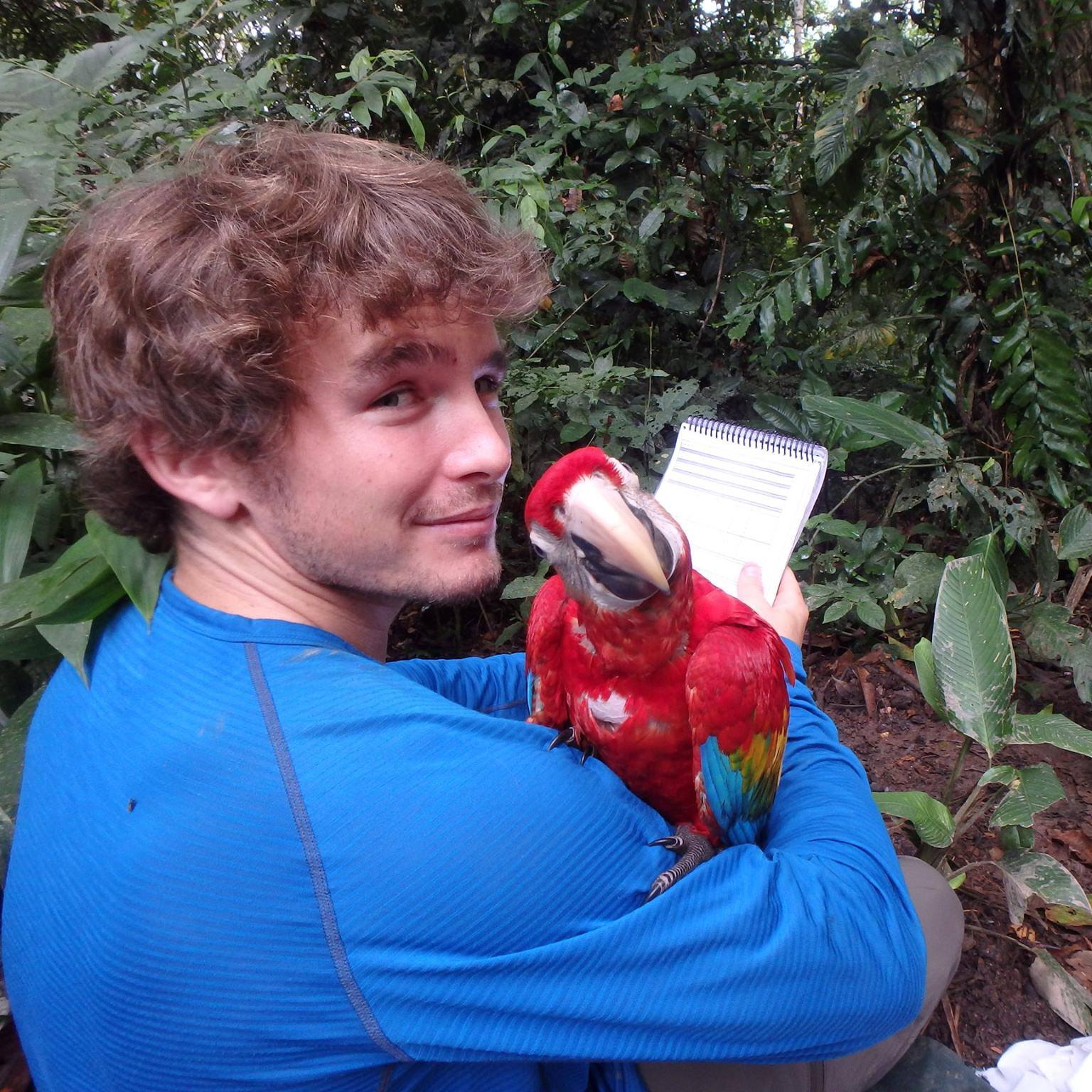
Tom Lloyd
- Postdoctoral Research Fellow, Global Ecosystems
- tom.lloyd@jcu.edu.au
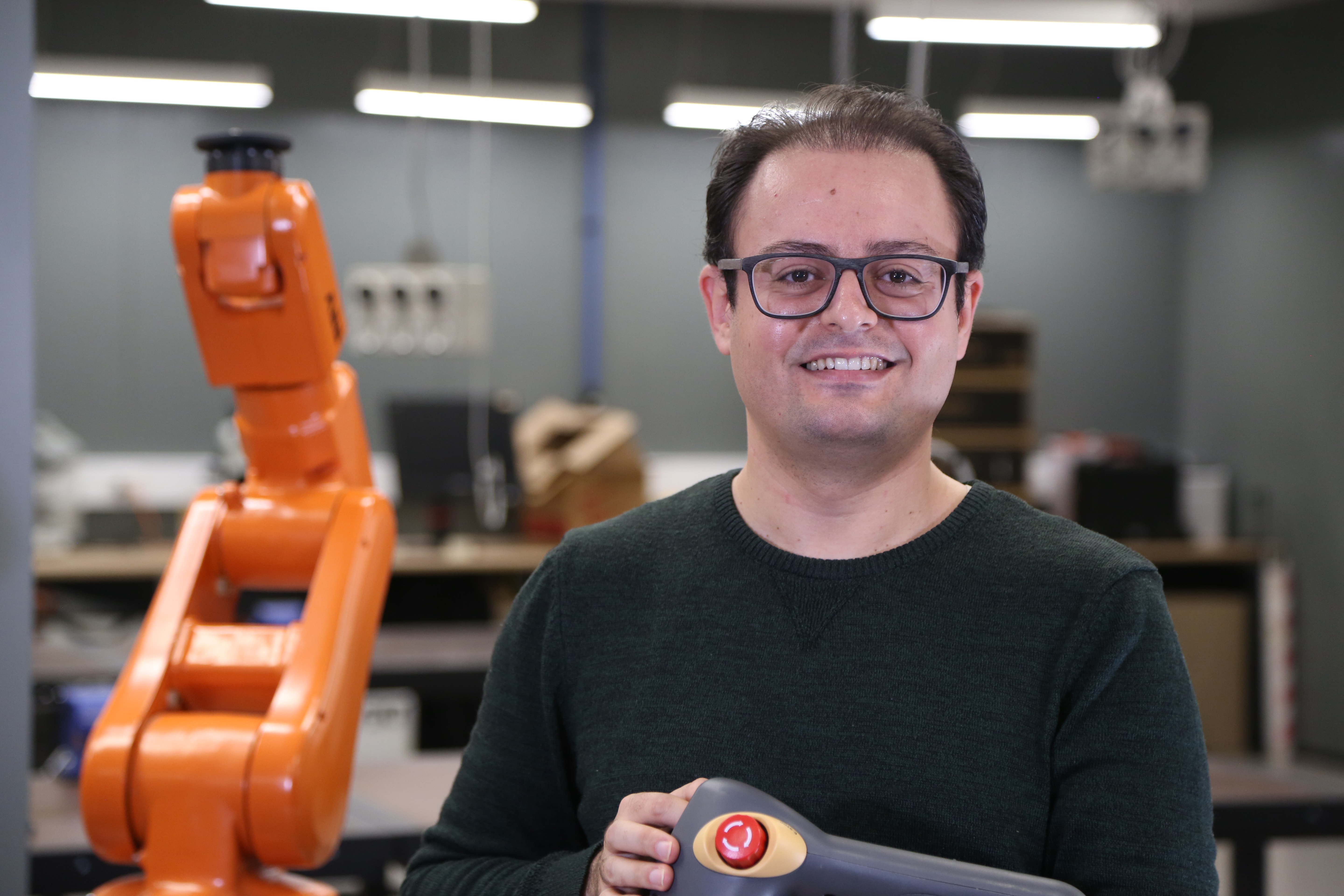
Mohamadreza Chalak Qazani
- Lecturer, Mechanical Engineering
- mohamadreza.chalakqazani@jcu.edu.au
Coral Reef Health in the Coral Sea Marine Park (Old ID 24771)
Tom Bridge
05 Mar 2018 - 05 Jul 2020
A number of coral reefs occur in the Australian Marine Parks estate, particularly within the Coral Sea Marine Park (CSMP). In 2016 and 2017, coral reefs in the Great Barrier Reef Marine Park and CSMP were impacted by a mass global coral bleaching event. Regular surveys of coral bleaching and associated reef health in the CSMP are needed to inform future marine park management over the next three years to either enable comparisons against historical baselines where bleaching has previously occurred, or set new baselines for areas that aren’t bleached but may be in the future.
GBRF EOI Island Monitoring (Old ID 27698)
Nicholas Murray
01 Jun 2022 - 30 Jun 2024
The more than 1000 islands and cays in the Great Barrier Reef (GBR) World Heritage Area (GBRMPA spatial data, 2019) support a diverse range of ecological, cultural and economic values. Many are threatened by climate change, but monitoring and management is difficult as many cays are remote and difficult to access. This project will develop and implement an efficient drone-based hierarchical monitoring protocol based on the recognition and use of ‘natural ground control points’ that will enable more rapid and resource efficient capture of reef island status to inform management decisions.
GBRF EOI Island Monitoring (Old ID 27698)
Stephanie Duce
01 Jun 2022 - 30 Jun 2024
The more than 1000 islands and cays in the Great Barrier Reef (GBR) World Heritage Area (GBRMPA spatial data, 2019) support a diverse range of ecological, cultural and economic values. Many are threatened by climate change, but monitoring and management is difficult as many cays are remote and difficult to access. This project will develop and implement an efficient drone-based hierarchical monitoring protocol based on the recognition and use of ‘natural ground control points’ that will enable more rapid and resource efficient capture of reef island status to inform management decisions.
Enhanced weathering for carbon dioxide removal under tropical soil conditions
Michael Bird
01 Jul 2024 - 30 Dec 2027
To meet climate targets we must drastically reduce greenhouse gas emissions, but we will also need to remove carbon dioxide from the atmosphere. A novel ‘negative emission technology’ showing considerable promise is enhanced weathering. This involves applying crushed weatherable rock such as basalt to topsoil, where weathering reactions convert carbon dioxide gas to dissolved bicarbonate, which then flows to the sea where it is stored as bicarbonate or carbonate. In this project we will test the effect of soil properties and management factors on carbon dioxide removal via enhanced weathering in a tropical agricultural environment.
SEAPRO - Seaweed Environmental Action for Pollution Reduction and Algae Protein Optimisation
Mark Cyrus
27 May 2024 - 30 Jun 2025
Aquaculture plays a crucial role in ensuring global food security and fostering future job creation, especially given the rising global demand for seafood and the plateauing of capture fisheries. In Queensland, it significantly contributes to the bioeconomy, playing a pivotal role in food production and economic development. The industry's value in the region has reached $224.7 million, indicating a notable growth of 16.1% from 2021. While the aquaculture industry in Queensland heavily relies on two main species, prawns, and barramundi, which collectively contribute to 95% of the state's production. Currently within aquaculture there is a growing global recognition of another species group: Seaweed. Seaweed is gaining recognition not only as a sustainable food source but also for its remarkable capacity to function as bio-filters, extracting excess nutrients (N & P) from aquatic environments. This makes it a potentially valuable new aquaculture product while also enhancing the environmental sustainability and circularity of aquaculture operations. Integrated aquaculture technology is a key driver of this progress, enabling the coordinated and sustainable cultivation of multiple species. This technology can be integrated into both new and existing commercial operations both on land and at sea, thereby diversifying production within a single cultivation area. By incorporating algal biofilters, this technology efficiently removes excess nutrients and contaminants from farm effluent, transforming them into valuable co-products.
This project aims to strategically deploy seaweed aquaculture to eliminate nutrient pollution and simultaneously enhance the growth of the aquaculture and seaweed industry in the tropics. Focusing on Queensland's aquaculture industry, we aim to employ innovative technology developed by Blue Carbon Pty Ltd to convert excess nutrients into high-value food proteins (extracted from algae) developed by James Cook University, crucial for the growing alternative protein sector.
Preliminary work will determine which species of seaweed which are culturable within the IMTA systems will be most appropriate for use in the alternative protein sector, and will include both marine (Ulva ohnoi, Cladophora sp., Sargasum sp. Asparagopsis taxiformis, etc.) and freshwater species (Oedogonium sp.). The selected seaweed species will be analysed for the abundance and type of extracted proteins using biochemical process developed by the research team at James Cook University. This proof-of-concept project envisions a harmonious blend of technological innovation and sustainable aquaculture practices to produce sustainable proteins for the growing alternative protein food sector as well as animal feed.
The new protein products developed from seaweed will be economically viable and increase the circular product generation of the aquaculture industry, while helping to reduce negative effect on the environment both directly and indirectly. This innovative protein production is highly scalable through the implementation of IMTA technology within aquaculture operations and different types of seaweed can be identified for production in both tropical and tempered water of Australia. The introduction of Australia's Reef Credit Scheme further amplifies the benefits of such technology. Farms implementing integrated aquaculture technology not only contribute to sustainable farming and diversifying products but also standing to gain additional benefits through this innovative credit scheme.
Overall, these advancements have the potential to significantly improve the overall sustainability, environmental impact, and circularity of aquaculture operations. This investment promises not only environmental benefits but also positions Queensland as a key player in the evolving landscape of alternative protein production.
Rare earth corrosion inhibitors in hydrogen production and storage systems
Zhifang Guo
01 Jul 2024 - 30 Jun 2025
This project is an internally funded project for a near miss ARC Discovery Grant, which was within 10% of those who missed.
This project addresses corrosion and embrittlement of steel in hydrogen storage facilities, a new dimension in the world-wide multi-trillion dollar problem of the corrosion of steel. With the emerging hydrogen economy, new infrastructure for hydrogen storage will need to be constructed. It has been recently found that hydrogen gas can decompose to hydrogen atoms on the surface of the steel on the inner lining of storage vessels, and impregnate the infrastructure, and therefore compromising the integrity of the high pressure storage vessels.
Defects in hydrogen storage facilities can therefore lead to catastrophic failure of hydrogen energy infrastructure.
The project will enhance the capacity of rare earth carboxylate corrosion inhibitors, which are an inexpensive and green solution, to mitigate both corrosion and hydrogen embrittlement of steel, and provide an understanding of the protection process. The benefits of this project will ultimately be a new bulk use for Australia’s abundant rare earth resources and new chemical manufacturing to produce the inhibitors.
The project aligns with JCU’s major theme of “Industries and economies in the tropics” particularly relevant with the proposed Townsville Region Hydrogen Hub, a $70M Australian Government investment. Furthermore, the rare earth metals are classified as critical metals, and the project aligns with the Critical Metals Trailblazer project.
The project requires bulk amounts of corrosion inhibitors for assessment. The most expensive items are lanthanoid salts (all REs required) for the synthesis of lanthanoid carboxylates. Listed costs for rare earth chlorides and nitrates follow as examples, but carbonates and acetates are required for optimising procedures. The metal costs are (quotes are for the least expensive to most expensive chlorides and nitrates): lanthanoid chlorides range from $209/100g for CeCl3 to $1580/5g for ScCl3 while nitrates are $127/100g for Ce(NO3)3 to $975/5g for Sc(NO3)3. For optimum inhibitor systems, all 16 rare earths will need to be. For brevity, we do not quote all prices here, but chlorides total ca $5800, while nitrates total ca $4400. Organic supporting ligands are estimated to cost ca. $3,000. Analysis costs are included below. Travel to Melbourne is planned to meet with our Monash and Deakin collaborators to draft the next grant proposal.
Small equipment grant for water quality monitoring multiparameter instrument
Nathan Waltham
15 Jul 2024 - 31 Dec 2024
Purchase of a multiparameter water quality monitoring instrument to replace old and no longer fit-for-purpose instruments. The new instrument is required to fulfil the research outcomes of several current projects and will be necesssary for future projects. The projects' monitor and assess water quality across the Great Barrier Reef Lagoon and Gulf of Carpenataria and include CRC for Water Security for Northern Australia, NQBP Ambient Water Quality Monitoring Program, and Whitsundays Water Quality Blueprint for Tourism Operators. The projects are led by JCU and involve collaborations across JCU, other institutions, government, Traditional Owners, NGO's, citizen science.
Examining the role of social behaviour in climate resilience: Red-winged Fairywrens Field Study
Lyanne Brouwer
30 Apr 2024 - 30 Jun 2025
Cooperative breeding, characterized by individuals other than the genetic parents assisting in the rearing of offspring, is seen as a resilient strategy for species dealing with environmental variability, including that induced by climate change. Helpers can increase the reproductive success by providing extra food to the young, or the extra help provided may reduce the workload, thereby enhancing future survival or reproduction. I will use a long-term dataset of the red-winged fairy-wren to understand the association between climate and helping behaviour, and determine whether social behaviours are able to buffer against adverse impacts of climatic conditions
Assessment of the sustainability of coral reef fisheries in Indoesia
Reniel Cabral
26 May 2023 - 25 May 2025
By applying the model of global reef fish biomass data developed by Zamborain-Mason et. al. (2023), the research will estimate reference points on Indonesia's reef fish biomasses based on local environment covariates such as ocean productivity, sea surface temperature, atoll shape, and the distance between coral reefs and nearest market. Then, a comparison will be made on the current biomass status of coral reef fishes for each site with the reference points to assess the sustainability of the coral reef fisheries in Indonesia.
The Impact of Daily Physical Activity and Sleep on Resting Heart Rate and Resting Heart Rate Variability in Individuals with High and Low Stress Load
Mostafa Rahimi Azghadi
30 Jun 2024 - 29 Jun 2025
It is known that regular physical activity decreases resting heart rate (RHR) and increases resting heart rate variability (HRV), while chronic stress increases RHR and decreases resting HRV. Although it is recommended that stressed individuals exercise to reduce their stress burden, it is unclear if they benefit from exercise to the same extent as those who do not experience stress overload.
A current gap in the literature is the lack of studies investigating cardiac autonomic nervous system (ANS) functioning in individuals with different chronic stress loads. The current project aims to investigate the differences in long-term ANS responses to daily physical activity in people experiencing high versus low chronic stress.
We hypothesize that individuals who experience chronic stress exhibit a blunted autonomic response (less decrease in RHR and less increase in resting HRV) to daily exercise due to an inability to regulate parasympathetic activation effectively. Therefore, in this regard they won’t benefit from regular exercise as much as those who don’t experience chronic stress, owing to their decreased autonomic nervous system (ANS) reactivity.
In order to test this hypothesis, we would like to benefit from the Tesserae dataset.
Organic matter, sodicity and soil structure
- 1998
- Oxford University Press
- Researchers:Paul Nelson
Argument free clustering via boundary extraction for massive point-data Sets
- 2002
- Researchers:Ickjai Lee
Start Date:
01 Jan 2022
End Date:
01 Jan 2022
Start Date:
01 Jan 2019
End Date:
01 Jan 2021
Start Date:
01 Jan 1996
End Date:
01 Jan 2024
Title:
MEd, James Cook University
Start Date:
01 Jan 1995
End Date:
01 Jan 1996
Title:
PhD, James Cook University
Start Date:
01 Jan 1991
End Date:
01 Jan 1995
Start Date:
01 Jan 1990
End Date:
01 Jan 1991
Start Date:
01 Jan 1989
End Date:
01 Jan 1990