
College of Science & Engineering

Sophia Love
- Doctor of Philosophy (Natural and Physical Sciences)
- sophie.love@jcu.edu.au
Romain Vaucher
- Senior Lecturer, Sedimentology
- romain.vaucher@jcu.edu.au
Jenny Fisher
- Associate Dean, Learning and Teaching
- jenny.fisher@jcu.edu.au

Ambili Narayanan
- Doctor of Philosophy (Natural and Physical Sciences)
- ambili.narayanan@my.jcu.edu.au

Sarfaraz Ali
- Postdoctoral Research Fellow
- sarfaraz.ali@jcu.edu.au
Mikaeylah Davidson
- Postdoctoral Research Fellow
- mikaeylah.davidson@jcu.edu.au
Liuxin Chen
- Lecturer
- liuxin.chen@jcu.edu.au
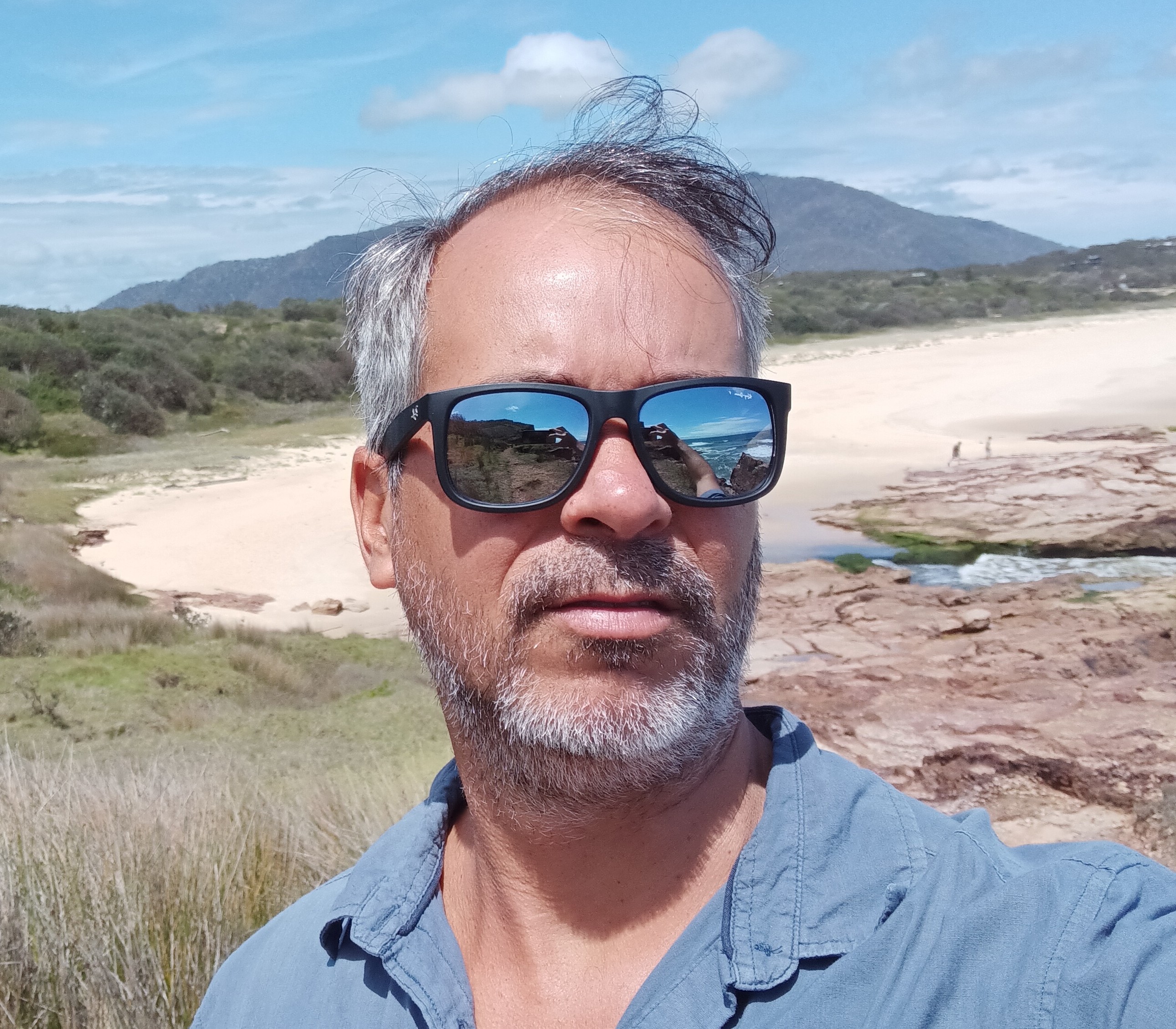
Rafael Cabral Carvalho
- Lecturer, Marine Geoscience
- rafael.cabralcarvalho@jcu.edu.au
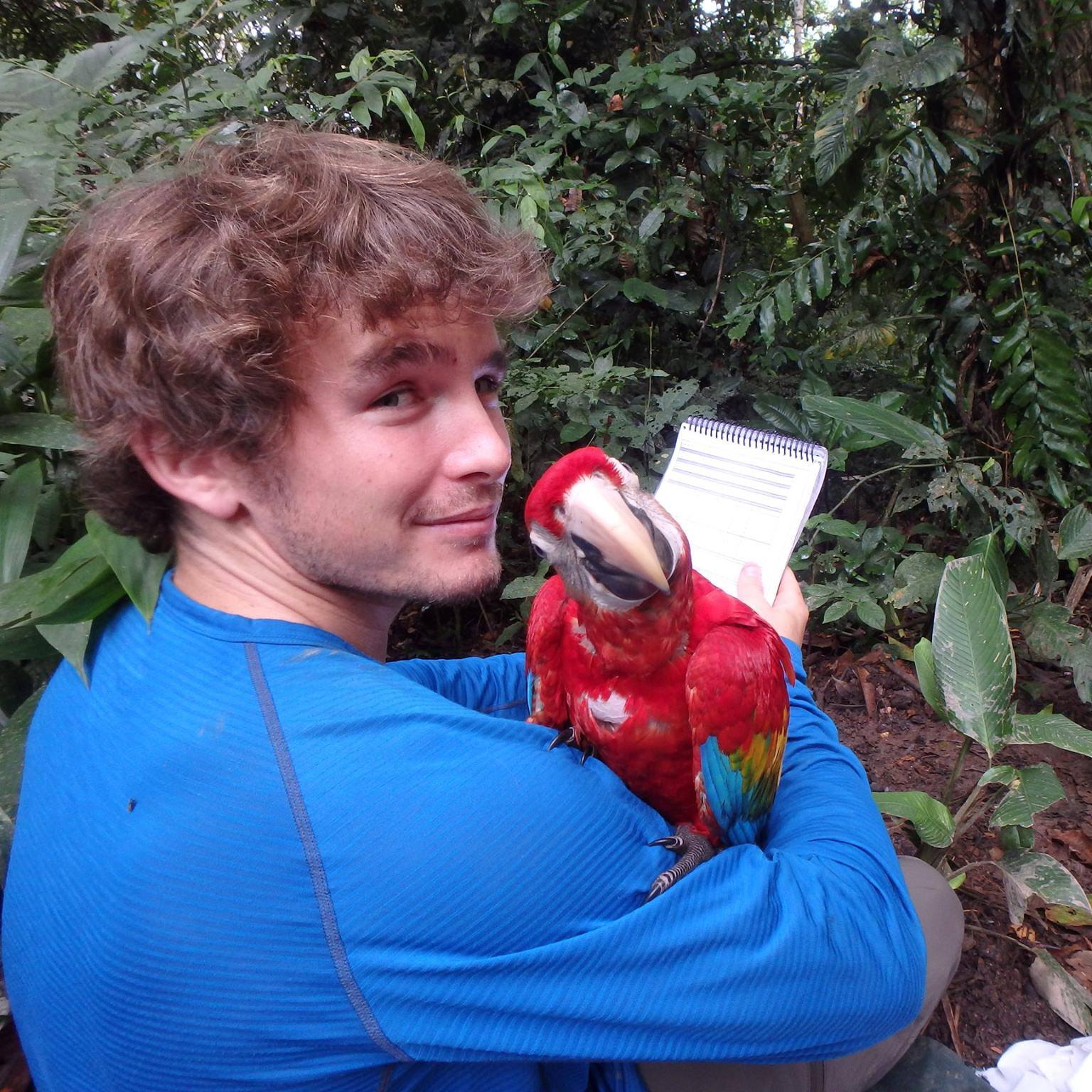
Tom Lloyd
- Postdoctoral Research Fellow, Global Ecosystems
- tom.lloyd@jcu.edu.au
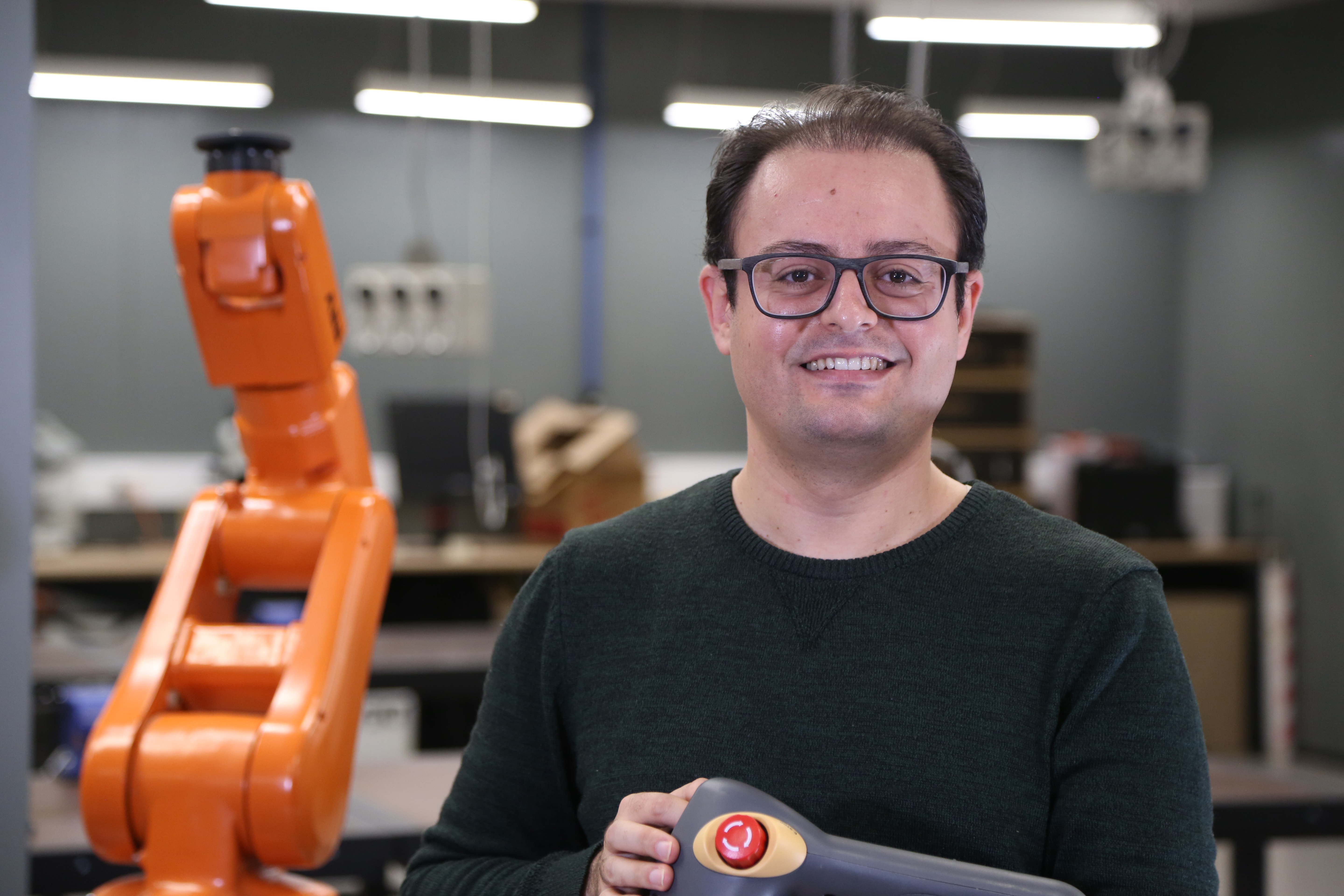
Mohamadreza Chalak Qazani
- Lecturer, Mechanical Engineering
- mohamadreza.chalakqazani@jcu.edu.au
Audio & Environmental Monitoring Equipment for Biodiversity
Megan Higgie
01 Jul 2025 - 31 Dec 2025
Proposed Use of Funds: To purchase a number of audio and environmental temperature monitoring units, to facilitate monitoring of animals and their environment for a range of collaborative projects in our group.
Large leaf gas exchange chamber and light source
Daniel Montesinos Torres
01 Jun 2025 - 31 Dec 2025
We propose to purchase a large leaf chamber and accompanying light source (6800-13L, Licor Inc.) for use with a recently purchased Licor 6800 portable photosynthesis system. The large leaf chamber and light source will significantly increase the range of applications for which the portable photosynthesis system can be used.
Large leaf gas exchange chamber and light source
HanShe Lim
01 Jun 2025 - 31 Dec 2025
We propose to purchase a large leaf chamber and accompanying light source (6800-13L, Licor Inc.) for use with a recently purchased Licor 6800 portable photosynthesis system. The large leaf chamber and light source will significantly increase the range of applications for which the portable photosynthesis system can be used.
Ecoacoustics Training Modules
Lin Schwarzkopf
30 Jun 2025 - 01 Jul 2026
Development of four one hour training ecoacoustic research training modules.
Each module will be delivered by zoom and recorded.
Materials and recordings will all be made available under a CC BY 4.0 open access licence which acknowledges DCCEEW NSW and has their logo.
Deadline for delivery 1 March 2026
Listening to Country – Acoustic data storage, analysis and deployment support
Lin Schwarzkopf
19 Jun 2025 - 30 Jun 2028
This is a project with the Threatened Species Operations (TSO), Department of Environment, Tourism, Science and Innovation, QLD government.
TSO is supporting Indigenous Land and Sea Ranger organisations to undertake landscape scale acoustic montoring projects. Each team will be conducting tailored projects that focus on threatened species.
Acoustic data will be used to monitor presence and absence of threatened species, population density and movement and threatening processes such as pest species.
Data collected by ranger groups is to stored and analysed with reports provided to the contributors. The reporting process is to provided in a fit for purpose manner that suits the needs of the contributors.
TSO, JCU and partners will provide pre and post deployment training workshops that provide participants with practical skills in deployment, data collection and monitoring project design
Mitigating heat stress in tropical sheep systems through novel feed solutions
Saranika Talukder
04 Aug 2025 - 31 Jul 2026
Rising temperatures and intensifying heatwaves in tropical Australia pose a growing threat to sheep welfare, productivity, and the long-term sustainability of the livestock sector. This project investigates the use of feed additives as innovative strategies to reduce the impact of heat stress in sheep.
Sensors to detect body temperature in heat-stressed sheep
Saranika Talukder
01 Jul 2025 - 30 Jun 2026
This study aims to validate sensors as a reliable indicator of core body temperature in heat-stressed sheep.
Prototyping virtual field trip resource design with an active immersive blend
JCU Learning and Teaching Innovation Grant, 2024 recipient, for developing virtual field trips
Improving Hepatocellular Carcinoma Immunotherapy
Ulf Schmitz
31 Jul 2025 - 31 Dec 2026
Hepatocellular carcinoma (HCC) constitutes 80-90% of all liver cancers and is the third leading cause of cancer-related death globally. There are just a few therapeutic options available for HCC patients. The most promising is immunotherapy, which uses the antibodies atezolizumab, an immune check point inhibitor, and bevacizumab an angiogenic inhibitor, that direct the immune system to kill HCC tumour cells.
However, immunotherapy is effective in just 30% of HCC patients and can in some instances promote tumour progression and have adverse effects. The major reason for this is that the HCC immune environment is immunosuppressed in 70% of patients, and the molecular events leading to this are poorly understood.
This project will use murine HCC models and atezolizumab and bevacizumab therapeutic equivalents, single cell sequencing and advanced cell biology to decipher how HCC escapes immunotherapy, and hence determine new therapeutic targets to treat immunosuppressed HCC.
Rare Earths-Critical Metals for Future Applications
Peter Junk
01 Jun 2025 - 31 Dec 2025
This is a new project. This project aims to develop unusual oxidation state rare earth metal (critical metal) organic complexes with high properties (e.g. reactivity, luminescence, strong magnetism), and small molecule activation of these new species. The project expects to advance knowledge of rare valent rare earth chemistry and to enhance the understanding of direct reactions and C-F activations and rare earth complexes involving organic radical anions. Expected outcomes include expansion of tetravalent lanthanoid chemistry and new structures, reactivity, and magnetic properties. Significant benefits are the applications of Australia's abundant rare earths in catalysis as well as the development of new extraction and separation techniques. The results for LnIV will provide key information for the isolation of stable lanthanoids (IV) complexes with high oxidizing abilities, which is important for the expansion of tetravalent lanthanoid chemistry and its applications in catalysis as well as the development of new separation techniques. Divalent and mixed valent rare earth compounds will expand their synthesis and application. All of them require considerable synthetic innovation and would be a major contribution to knowledge and would open exciting reaction chemistry. The innovation is to build –C-F-Ln bonds and induce C-F activation of fluorine substituted ligands by the direct reactions or redox transmetallation RT reactions from free rare earth metals. The redox-active ligand is a particularly attractive linker to promote magnetic coupling in lanthanoids resulting in complexes displaying exchange coupling and single molecule magnet behaviour. These radical-bridged complexes can be accessed using simple N/O supporting ligands. These findings will pave the way for the synthesis of radical-bridged complexes and suitable tuning of the supporting ligand should lead to improved magnetic communication, exchange-coupled SMMs, and understanding the magnetic properties of the 4f-block metal compounds. The main benefits of the project are advancement of knowledge of rare earth chemistry, especially of highly reactive metal-organic compounds, maintenance of Australia’s position as one of the leaders in this field. Knowledge and innovations acquired in this research will facilitate advances in use of Australia's abundant rare earths in chemical manufacture, catalysis, and recycling. It will add value to Australia’s abundant rare earth resources by providing a base for downstream applications. Moreover, the production of rare earth complexes with improved magnetic properties provides an opportunity for advanced manufacturing in Australia’s fine chemicals industry. The most expensive items are rare earth metals for the synthesis of tetravalent rare earth complexes. e.g. Eu $1200/20g, Yb $1252/100g, Dy $939/100g, Tb, $1565/50g, Pr 782/100g, Lu and Tm are much more expensive. Other necessary expensive reagents include pentafluorobenzene $688/500g, 2,6-Difluoroaniline 349/100g, 2,6-Diisopropylaniline $320/100g, 2,3,4,5-Tetrafluoroaniline $195/25g, 2,3,5,6-Tetrafluoroaniline $276/25g, 2,3,4,5,6-Pentafluoroaniline $342/100g, triethyl orthoformate $277/1L, pyrrole $189/100ml, 3-Pentanone $100/1kg needed to prepare organometallic reagents and ligands. Other important reagents include tris(4-bromophenyl)ammoniumyl hexachloroantimonate $105/5g (the oxidizing agent), Benzophenone ($122/1kg), 4,4´-Dipyridyl ($202/25g), iodine ($147/100g), K/Na metal, et al. A supply of deuterated solvents is needed for NMR spectroscopy, e.g. C6D6 ($495/100g) and C4D8O ($477/10g). Microanalyses are a major cost for a synthetic project as the analyses are determined in London (air-sensitive sample $45/C, H, N) and SQUID measurement will be determined at EPSRC National EPR Facility University of Manchester ($160/h).
Organic matter, sodicity and soil structure
- 1998
- Oxford University Press
- Researchers:Paul Nelson
Argument free clustering via boundary extraction for massive point-data Sets
- 2002
- Researchers:Ickjai Lee
Start Date:
01 Jan 2000
End Date:
01 Jan 2003
Start Date:
01 Jan 2010
End Date:
01 Jan 2013
Start Date:
01 Jan 2006
End Date:
01 Jan 2009
Start Date:
01 Jan 2003
End Date:
01 Jan 2005
Title:
Guest Editor: Water
Start Date:
01 Jan 2023
End Date:
01 Jan 2024
Start Date:
01 Jan 2020
End Date:
01 Jan 2021
Start Date:
01 Jan 2011
End Date:
01 Jan 2022