
College of Science & Engineering

Sophia Love
- Doctor of Philosophy (Natural and Physical Sciences)
- sophie.love@jcu.edu.au
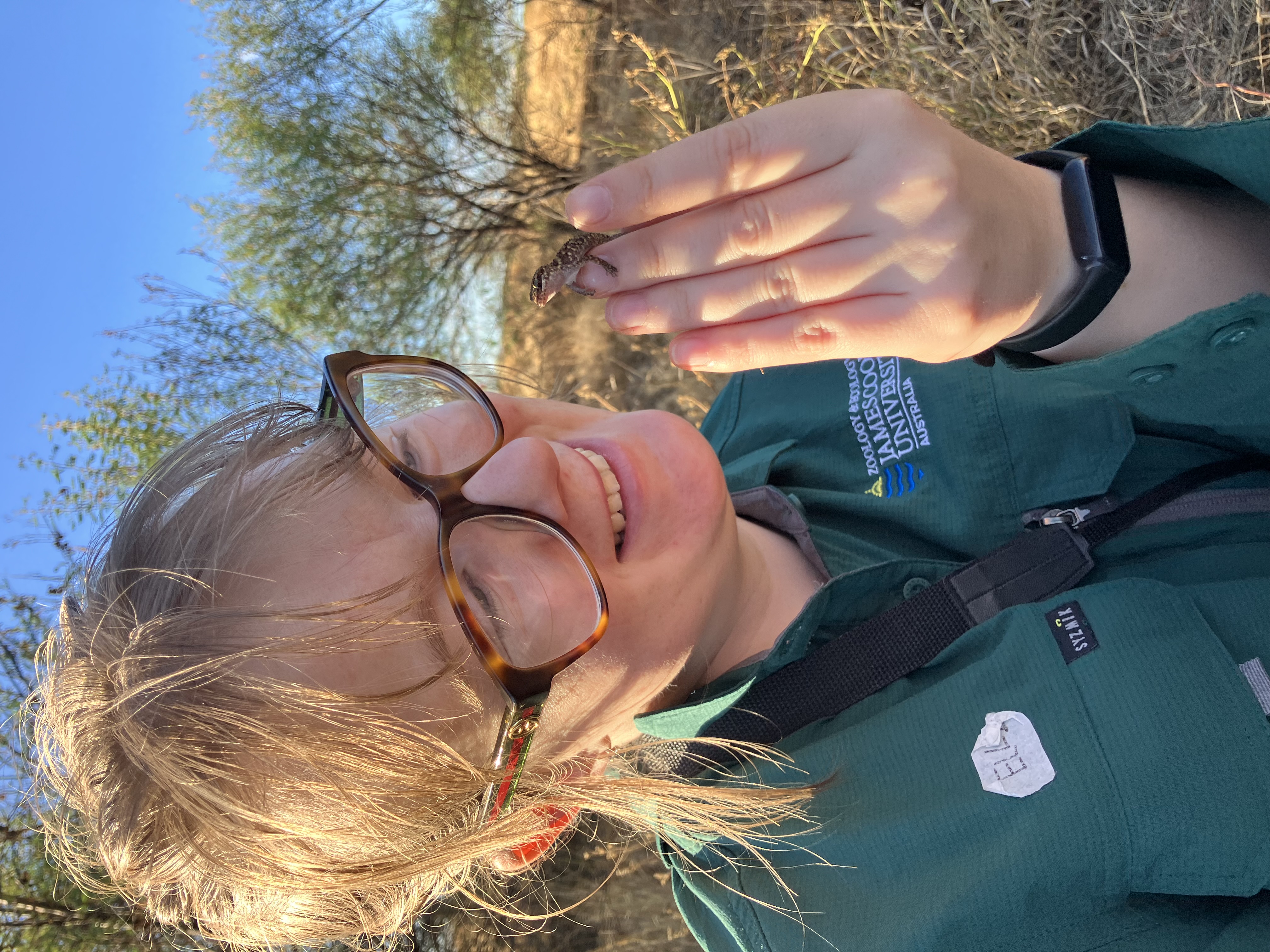
Elle Robertson
- Doctor of Philosophy (Agriculture, Environmental and Related Studies)
- elle.robertson@jcu.edu.au
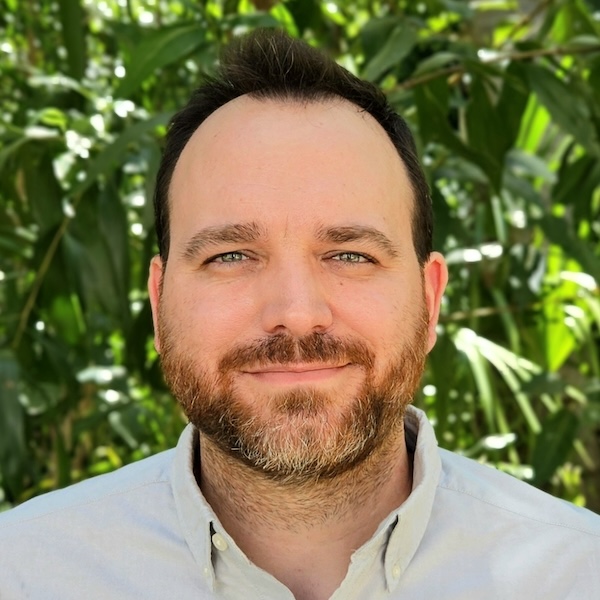
Romain Vaucher
- Senior Lecturer, Sedimentology
- romain.vaucher@jcu.edu.au

Jenny Fisher
- Associate Dean, Learning and Teaching
- jenny.fisher@jcu.edu.au

Ambili Narayanan
- Doctor of Philosophy (Natural and Physical Sciences)
- ambili.narayanan@my.jcu.edu.au

Sarfaraz Ali
- Postdoctoral Research Fellow
- sarfaraz.ali@jcu.edu.au

Mikaeylah Davidson
- Postdoctoral Research Fellow
- mikaeylah.davidson@jcu.edu.au
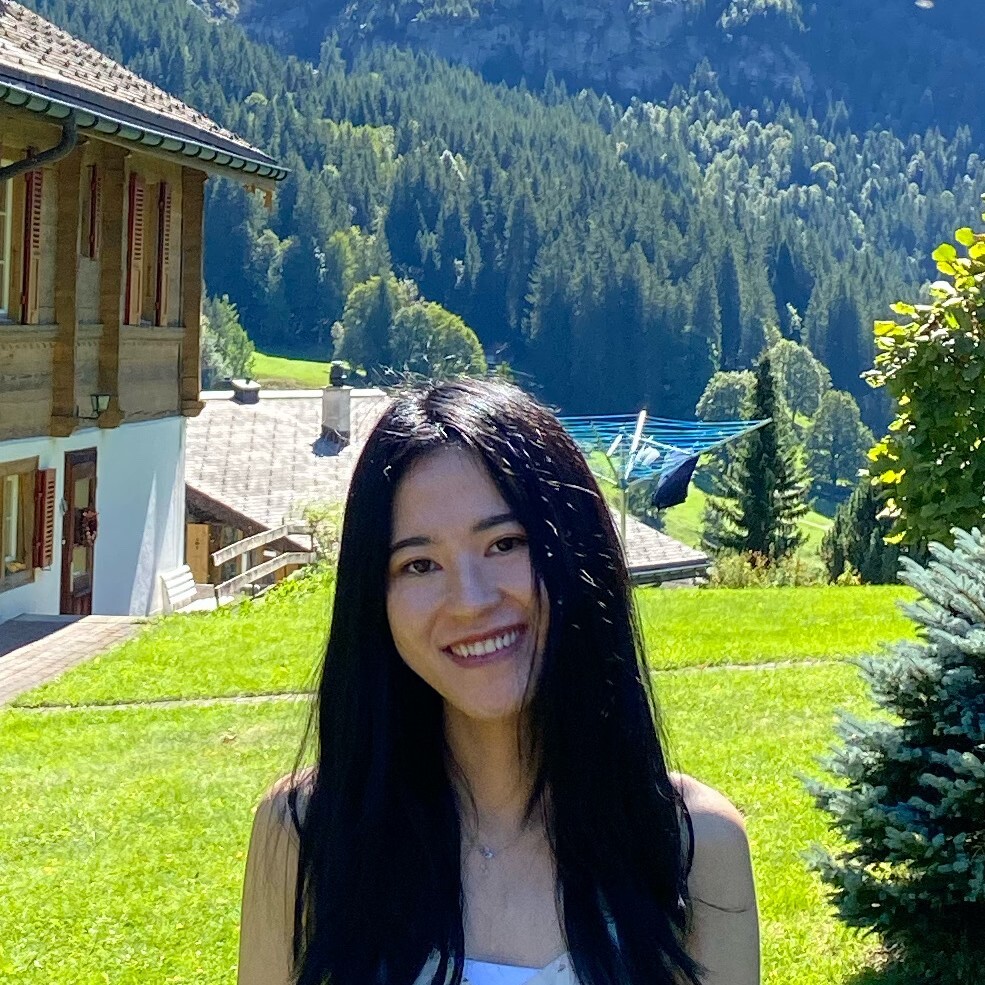
Liuxin Chen
- Lecturer
- liuxin.chen@jcu.edu.au
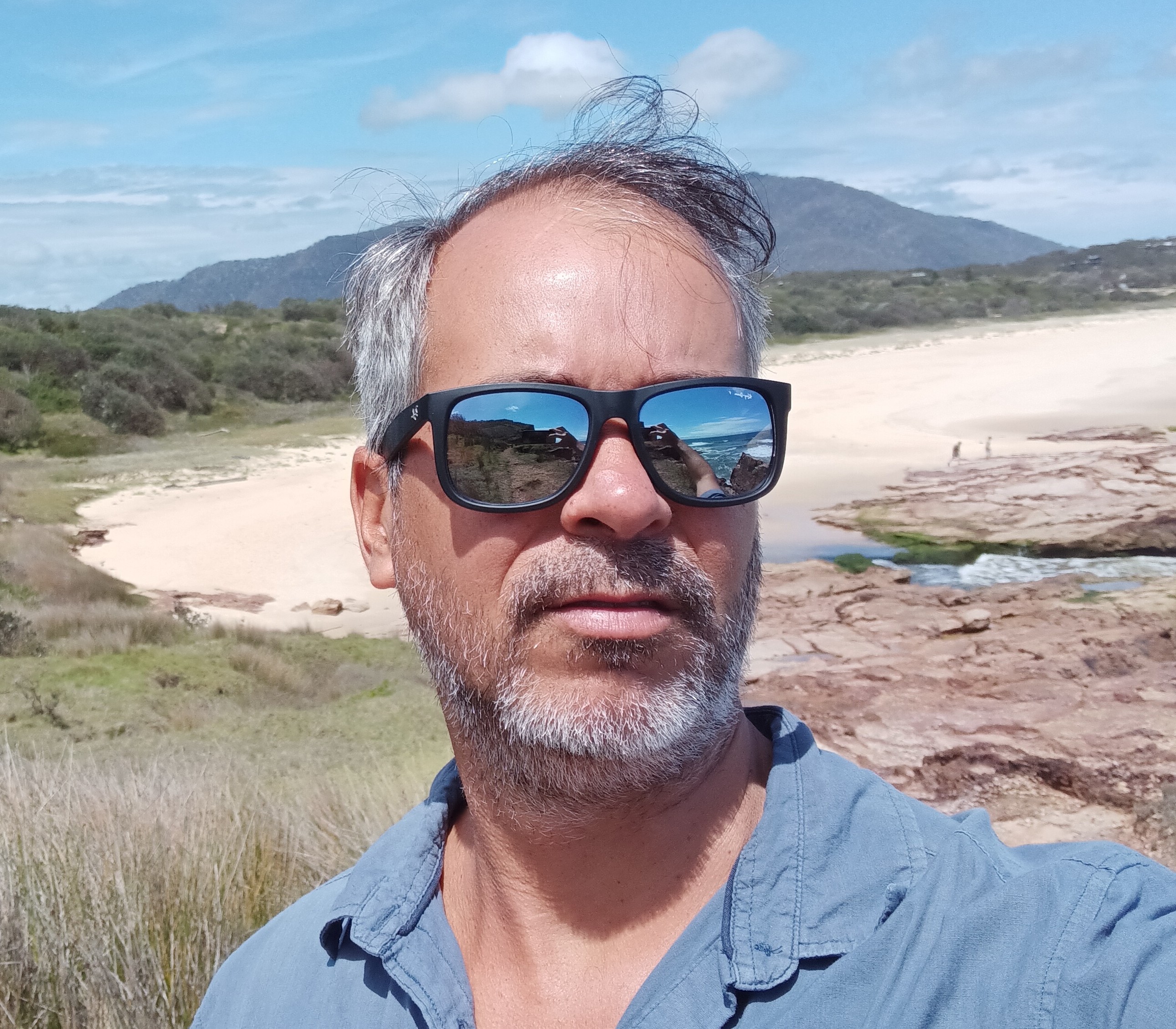
Rafael Cabral Carvalho
- Lecturer, Marine Geoscience
- rafael.cabralcarvalho@jcu.edu.au
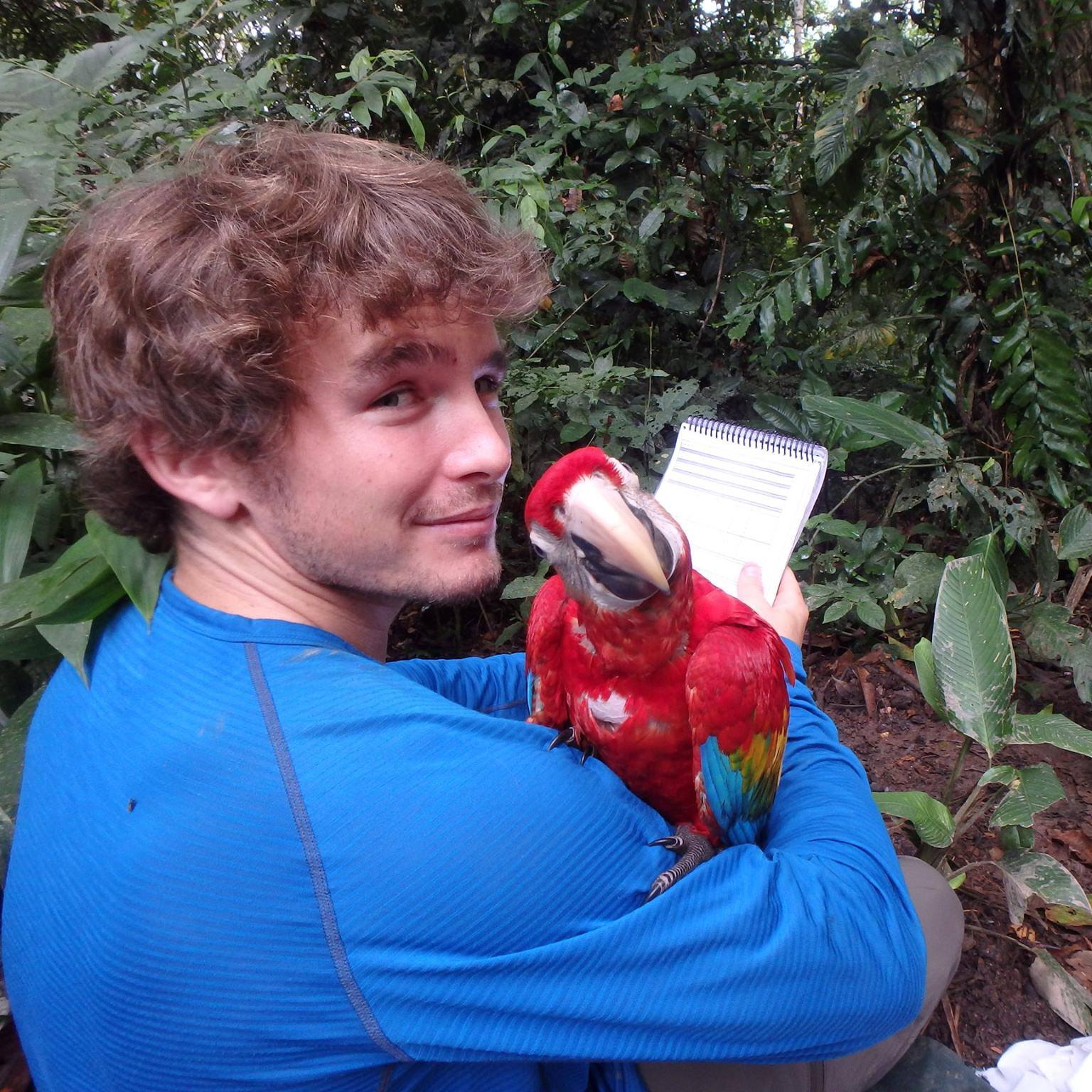
Tom Lloyd
- Postdoctoral Research Fellow, Global Ecosystems
- tom.lloyd@jcu.edu.au
ATSIMS U.S. Embassy Grant
In 2024, ATSIMS received funding through the U.S. Embassy Public Diplomacy Small Grants Program to strengthen Australia–U.S. collaboration in STEM education. The grant supported the participation of U.S. marine scientists and provided First Nations students with opportunities to engage with international researchers, broadening their perspectives on marine science careers and global scientific collaboration.
ATSIMS GBRF Grant
The Great Barrier Reef Foundation provided $100,000 over two years (2023–2024) to support the delivery and expansion of the ATSIMS program. The funding strengthened opportunities for First Nations students to engage with marine science, Sea Country and Traditional Owner-led learning, while enhancing program capacity, partnerships and student participation.
ATSIMS Value Add Grant - GBRF
The Great Barrier Reef Foundation provided a 2025 Value Add Grant to enhance and extend the impact of the ATSIMS program beyond its core delivery. The funding supported additional opportunities including program coordination, storytelling and communications, Traditional Owner and Ranger participation, student engagement activities, and program evaluation, strengthening the program's reach, partnerships and long-term impact.
Beyond ATSIMS incubation Grant
The WWF Australia and Vincent Fairfax Family Foundation grant supported the Beyond ATSIMS program, providing ongoing opportunities for outstanding ATSIMS alumni to continue their engagement in marine science beyond the initial program. Funding enabled mentoring, skills development, career exploration, leadership opportunities and pathways into higher education, helping students build confidence, networks and long-term participation in STEM.
ATSIMS Reef Education MoU
A three-year Memorandum of Understanding between James Cook University (ATSIMS) and the Great Barrier Reef Marine Park Authority's Reef Education Team provided $150,000 in funding ($50,000 per year) to support the ongoing delivery of ATSIMS. The partnership strengthened reef education, place-based learning and career pathways by connecting First Nations students with marine science, Sea Country and Great Barrier Reef stewardship.
Fingerprinting environmentally sustainable ores using neodymium isotopes (Old ID 27841)
The rare earth elements (REE) are a critical resource as the world transitions to an energy system dominated by green energy. However, current extraction methods rely on strong acid leaching, which has the potential to create environmental contamination. Alternative REE extraction methodologies, including phyto‐extraction (using plants) and bacteria induced bioleaching are currently being investigated. This project aims to utilise radiogenic and stable neodymium isotopes to characterise the isotopic fractionations induced during different REE extraction techniques. This isotopic fingerprinting will provide a method to verify more sustainably generated REE concentrates, enabling the Australian REE industry to be positioned as a world leading environmental producer.
Fish tissue proteomics as baseline evaluation for safer cultivated seafood with known allergen profile
Cultivated seafood is far less researched than traditional livestock alternatives. We will address this critical knowledge gap through high throughput proteomic analysis of various tissues from different fish species, used for cultivation, with a focus on comparative composition of allergenic proteins (allergens), and directly compare with cultivated meat. Closing this lack of industry-wide target product, protein, and allergen profiles is essential for success in the alternative protein field and will promote regulation of safe cultivated foods.
Satellite Based Water Analysis and Drought Planning in Northwest Qld
This project will utilize satellite imagery to map and monitor small water bodies and farm dams to
improve grazing land management. The project aims to extract time series of water areas from
the satellite images, perform time series analysis to assess the shrinkage or expansion of the
water bodies, water levels, and determine their precise locations.
The focus is on understanding the availability and dynamics of these water resources, which are
vital for livestock, domestic use and wildlife habitats.
This project will be a partnership between SGNRM and JCU.
Northern Australia Plant Biosecurity Facility
This proposal aims to establish the only Australian plant quarantine facility north of the 27th parallel (Brisbane), and therefore the only one in the Australian tropics. The facility will enable effective research on tropical invasive plants, which currently can only be developed via proxy facilities far from the relevant habitats. This poses severe limitations to biosecurity research in the Australian Tropics. JCU is a leading institution in tropical environmental research, and as a broad and diverse base of biosecurity researchers that will be expand their capacity to develop world class research on plant biosecurity under safe and adequate conditions. Research ranges from the impact of reintroduction of new genotypes on weed fitness, genetic variability and sensitivity, impact of climate change on weed expansion, the role of plant-animal interactions on plant control, and others.
Lead Scientist - Group on Earth Observations Global Ecosystem Atlas
The Group on Earth Observations (GEO) is a global partnership that promotes the use of Earth observations (EO) as evidence for environmental decisions, policies and finance. GEO’s recently adopted Post-2025 Strategy envisions a bold direction for the future. It calls for transformative programs that will enable GEO to deliver a portfolio of initiatives, providing Earth intelligence needed to unlock transformational change in the way that societies interact with the planet. As part of this vision, the Global Ecosystems Atlas initiative has been established as an international collaboration convened by GEO to create an urgently needed common reference to facilitate harmonized and coherent national, regional, and global reporting of the state of ecosystems. To move the concept closer to its realization as a full proof-of-concept by the Convention of Biodiversity (CBD) Conference of the Parties (COP) in October 2024, GEO is planning to contract Associate Professor Nicholas Murray to perform the role of Lead Scientist. The Lead Scientist will lead the design, planning and execution of atlas activities in 2024 and coordinate the globally distributed Science Core Team.
Aerodynamically-shaped cyclone shelters for Queensland
- 2019
- Taylor & Francis
- Researchers:John Ginger
Hypoxia in mangroves: occurrence and impact on valuable tropical fish habitat
- 2019
- Copernicus Publications
- Researchers:Nathan Waltham
DeepWeeds: a multiclass weed species image dataset for deep learning
- 2019
- Nature Publishing Group
- Researchers:Dmitry KonovalovBronson PhilippaOwen KennyMostafa Rahimi Azghadi
Title:
BSc, University of Tehran
Start Date:
01 Jan 2005
End Date:
01 Jan 2009
Start Date:
23 Oct 2019
Title:
MSc, University of Tehran
Start Date:
01 Jan 2009
End Date:
01 Jan 2012
Title:
Spanish; Castilian
Start Date:
28 Sep 2018
Start Date:
01 Jan 2013
End Date:
01 Jan 2017
Title:
French
Start Date:
02 Mar 2020
Start Date:
01 Jan 2023
End Date:
01 Jan 2026
Start Date:
31 Aug 2016