
College of Science & Engineering

Sophia Love
- Doctor of Philosophy (Natural and Physical Sciences)
- sophie.love@jcu.edu.au

Romain Vaucher
- Senior Lecturer, Sedimentology
- romain.vaucher@jcu.edu.au

Jenny Fisher
- Associate Dean, Learning and Teaching
- jenny.fisher@jcu.edu.au

Ambili Narayanan
- Doctor of Philosophy (Natural and Physical Sciences)
- ambili.narayanan@my.jcu.edu.au

Sarfaraz Ali
- Postdoctoral Research Fellow
- sarfaraz.ali@jcu.edu.au

Mikaeylah Davidson
- Postdoctoral Research Fellow
- mikaeylah.davidson@jcu.edu.au

Liuxin Chen
- Lecturer
- liuxin.chen@jcu.edu.au

Rafael Cabral Carvalho
- Lecturer, Marine Geoscience
- rafael.cabralcarvalho@jcu.edu.au
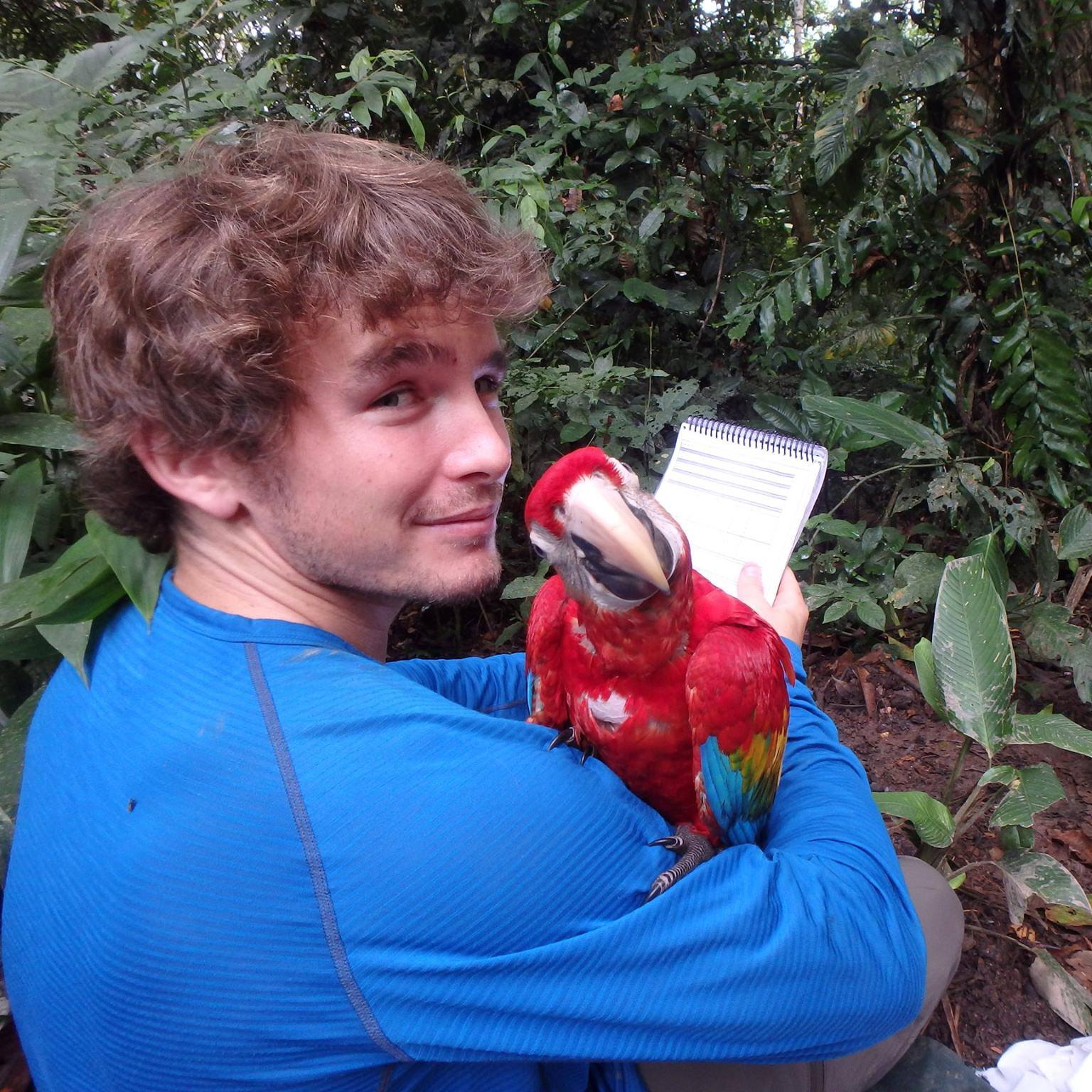
Tom Lloyd
- Postdoctoral Research Fellow, Global Ecosystems
- tom.lloyd@jcu.edu.au
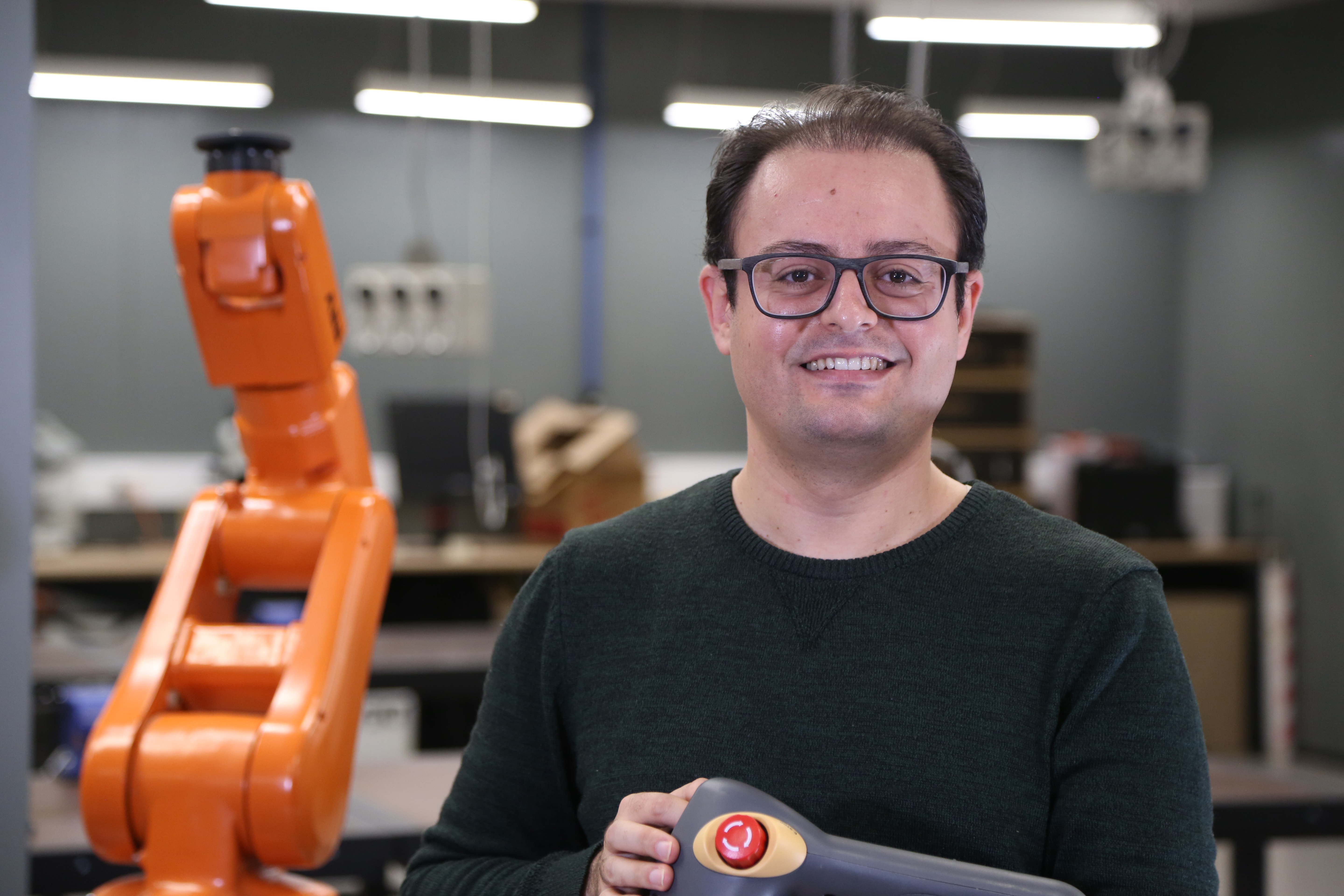
Mohamadreza Chalak Qazani
- Lecturer, Mechanical Engineering
- mohamadreza.chalakqazani@jcu.edu.au
Genetic ‘health’ assessments and a decision-making framework for some of Australia’s most endangered frogs and reptiles (Old ID 27665)
Megan Higgie
01 Jul 2022 - 01 Dec 2023
According to expert assessment, more than half of Australia’s endangered and critically endangered frogs and reptiles are endemic to Queensland and at risk from imminent extinction. A major threat to threatened species like this is a loss of genetic diversity which leads to inbreeding depression, inability to adapt, and heightened extinction risk. This project aims to provide essential genetic assessment of five severely threatened study systems: Oedura lineata, Nangura spinosa, Litoria lorica, Phyllurus geckoes, and Cophixalus frogs. These species represent a range of threats and genetic scenarios. Through discussions with managers, results will be synthesised into a broader conservation framework.
Fingerprinting environmentally sustainable ores using neodymium isotopes (Old ID 27841)
Helen McCoy-West
01 Sep 2022 - 30 Jun 2026
The rare earth elements (REE) are a critical resource as the world transitions to an energy system dominated by green energy. However, current extraction methods rely on strong acid leaching, which has the potential to create environmental contamination. Alternative REE extraction methodologies, including phyto‐extraction (using plants) and bacteria induced bioleaching are currently being investigated. This project aims to utilise radiogenic and stable neodymium isotopes to characterise the isotopic fractionations induced during different REE extraction techniques. This isotopic fingerprinting will provide a method to verify more sustainably generated REE concentrates, enabling the Australian REE industry to be positioned as a world leading environmental producer.
Identifying the biological and environmental drivers tha underpin successful coral recruitment to inform reef restoration
Mia Hoogenboom
04 Dec 2022 - 02 Aug 2024
The Primary Investigator (Taylor Whitman) received a scholarship, AAA Graduate Education Fund Scholarship, to fund the cost of her PhD studies at JCU. The award can be used towards educational, research and personal expenses. The total amount remaining from the scholarship ($38,877.36) will be transferred from the Australian Institute of Marine Science and added to Taylor's current fortnightly scholarship stipend from JCU.
Northern Australia Plant Biosecurity Facility
Daniel Montesinos Torres
01 Jan 2024 - 30 Jun 2025
This proposal aims to establish the only Australian plant quarantine facility north of the 27th parallel (Brisbane), and therefore the only one in the Australian tropics. The facility will enable effective research on tropical invasive plants, which currently can only be developed via proxy facilities far from the relevant habitats. This poses severe limitations to biosecurity research in the Australian Tropics. JCU is a leading institution in tropical environmental research, and as a broad and diverse base of biosecurity researchers that will be expand their capacity to develop world class research on plant biosecurity under safe and adequate conditions. Research ranges from the impact of reintroduction of new genotypes on weed fitness, genetic variability and sensitivity, impact of climate change on weed expansion, the role of plant-animal interactions on plant control, and others.
Northern Australia Plant Biosecurity Facility
Lori Lach
01 Jan 2024 - 30 Jun 2025
This proposal aims to establish the only Australian plant quarantine facility north of the 27th parallel (Brisbane), and therefore the only one in the Australian tropics. The facility will enable effective research on tropical invasive plants, which currently can only be developed via proxy facilities far from the relevant habitats. This poses severe limitations to biosecurity research in the Australian Tropics. JCU is a leading institution in tropical environmental research, and as a broad and diverse base of biosecurity researchers that will be expand their capacity to develop world class research on plant biosecurity under safe and adequate conditions. Research ranges from the impact of reintroduction of new genotypes on weed fitness, genetic variability and sensitivity, impact of climate change on weed expansion, the role of plant-animal interactions on plant control, and others.
Northern Australia Plant Biosecurity Facility
Susan Laurance
01 Jan 2024 - 30 Jun 2025
This proposal aims to establish the only Australian plant quarantine facility north of the 27th parallel (Brisbane), and therefore the only one in the Australian tropics. The facility will enable effective research on tropical invasive plants, which currently can only be developed via proxy facilities far from the relevant habitats. This poses severe limitations to biosecurity research in the Australian Tropics. JCU is a leading institution in tropical environmental research, and as a broad and diverse base of biosecurity researchers that will be expand their capacity to develop world class research on plant biosecurity under safe and adequate conditions. Research ranges from the impact of reintroduction of new genotypes on weed fitness, genetic variability and sensitivity, impact of climate change on weed expansion, the role of plant-animal interactions on plant control, and others.
ARC Industrial Transformation Training Centre in Plant Biosecurity
Myles Menz
01 Aug 2024 - 30 Aug 2029
The Biosecurity Training Centre aims to deliver a solution for Australia’s increasing biosecurity risk through generational change in its workforce coupled with breakthrough technologies. It will launch an innovative training program for future leaders who will build relationships with end users and engage meaningfully with communities for effective implementation strategies. The Centre will provide data-driven systems, behavioural change for adoption and authentic industry engagement. This suite of graduates and technologies will transform the biosecurity sector and protect Australia’s critical agricultural industries.
ARC Industrial Transformation Training Centre in Plant Biosecurity
Bronson Philippa
01 Aug 2024 - 30 Aug 2029
The Biosecurity Training Centre aims to deliver a solution for Australia’s increasing biosecurity risk through generational change in its workforce coupled with breakthrough technologies. It will launch an innovative training program for future leaders who will build relationships with end users and engage meaningfully with communities for effective implementation strategies. The Centre will provide data-driven systems, behavioural change for adoption and authentic industry engagement. This suite of graduates and technologies will transform the biosecurity sector and protect Australia’s critical agricultural industries.
ARC Industrial Transformation Training Centre in Plant Biosecurity
Mostafa Rahimi Azghadi
01 Aug 2024 - 30 Aug 2029
The Biosecurity Training Centre aims to deliver a solution for Australia’s increasing biosecurity risk through generational change in its workforce coupled with breakthrough technologies. It will launch an innovative training program for future leaders who will build relationships with end users and engage meaningfully with communities for effective implementation strategies. The Centre will provide data-driven systems, behavioural change for adoption and authentic industry engagement. This suite of graduates and technologies will transform the biosecurity sector and protect Australia’s critical agricultural industries.
Strengthening Integrated Surveillance and Response for Vector-Borne Diseases in Melanesia (STRIVE 2.0)
Paul Horwood
01 Aug 2024 - 30 Jun 2028
Strengthening Integrated surveillance and response for vector-borne diseases in Melanesia.
Emerging infectious diseases pose an intensifying global health threat, especially in the context of resource constrained health systems in Low-Middle-Income Countries (LMICs) and the increasing impact of climate change in the Pacific. A pressing need therefore exists for continued surveillance, rapid diagnosis and real-time tracking of emerging infectious diseases and antimicrobial resistance (AMR). These functions have been articulated in regional (Asia Pacific Strategy for Emerging Diseases) and global (Global Health Security Agenda) frameworks to strengthen health security. During the first iteration of the project, STRIVE amended its operations amidst the COVID-19 pandemic, establishing multi-pathogen sero-surveillance at the Molecular Hub, measuring antibodies for SARS-CoV-2 and other respiratory pathogens, to inform the COVID-19 response in PNG. This experience highlighted that despite the significant progress made through STRIVE in strengthening surveillance and outbreak response capacity in PNG, there is still a crucial need for ongoing laboratory workforce development and health systems strengthening to enable a timely and efficient use of data to inform local decision-making and response to outbreaks in both VBDs and novel pathogens.
In the next phase of STRIVE, the project will utilize the lessons learned, and foundational strengths developed in PNG to support Vanuatu and Solomon Islands in a priority pilot activity to strengthen VBD surveillance and response, whilst continuing to strengthen and expand upon the existing activities in PNG.
Organic matter, sodicity and soil structure
- 1998
- Oxford University Press
- Researchers:Paul Nelson
Argument free clustering via boundary extraction for massive point-data Sets
- 2002
- Researchers:Ickjai Lee
Start Date:
01 Jan 2010
End Date:
01 Jan 2014
Start Date:
01 Jan 2012
Start Date:
01 Jan 2005
End Date:
01 Jan 2007
Start Date:
01 Jan 2022
Start Date:
01 Jan 2022
Start Date:
01 Jan 2022
Start Date:
01 Jan 2020
Start Date:
01 Jan 2010
Start Date:
01 Jan 2010
Title:
Postgraduate Research Student Support Conference Travel Grant (University of New South Wales)
Start Date:
01 Jan 2011