
College of Science & Engineering

Sophia Love
- Doctor of Philosophy (Natural and Physical Sciences)
- sophie.love@jcu.edu.au
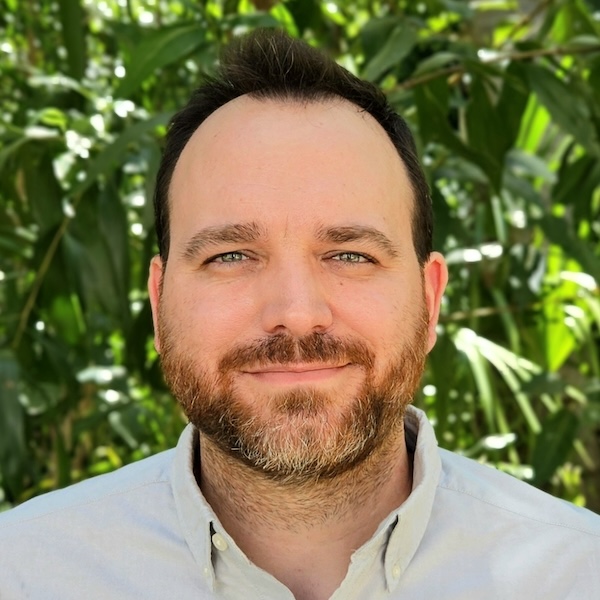
Romain Vaucher
- Senior Lecturer, Sedimentology
- romain.vaucher@jcu.edu.au
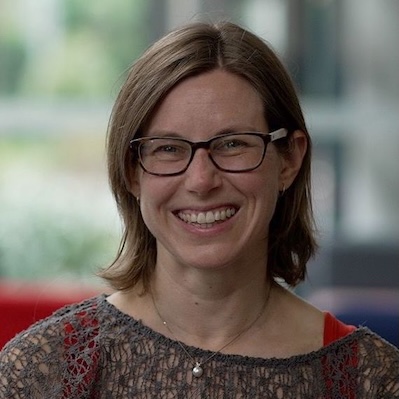
Jenny Fisher
- Associate Dean, Learning and Teaching
- jenny.fisher@jcu.edu.au

Ambili Narayanan
- Doctor of Philosophy (Natural and Physical Sciences)
- ambili.narayanan@my.jcu.edu.au

Sarfaraz Ali
- Postdoctoral Research Fellow
- sarfaraz.ali@jcu.edu.au
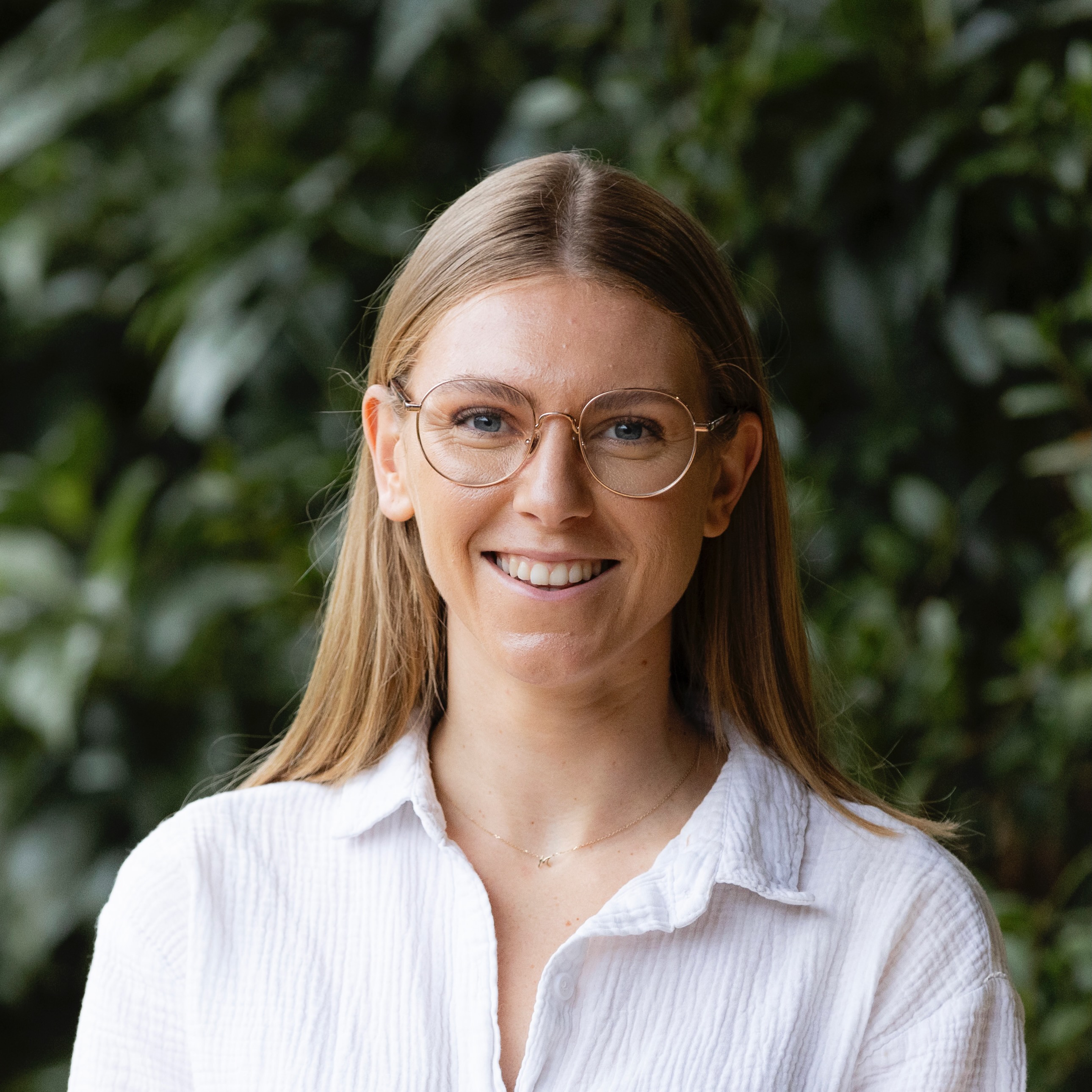
Mikaeylah Davidson
- Postdoctoral Research Fellow
- mikaeylah.davidson@jcu.edu.au
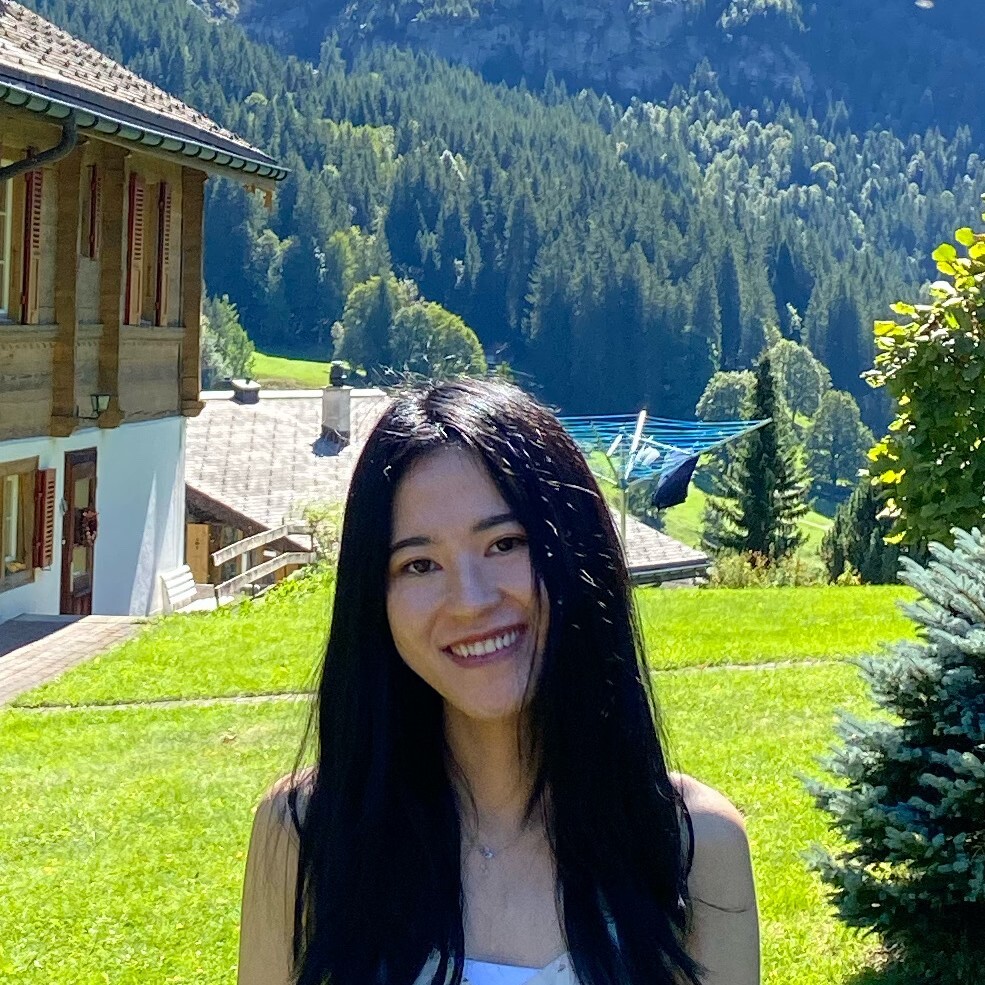
Liuxin Chen
- Lecturer
- liuxin.chen@jcu.edu.au

Rafael Cabral Carvalho
- Lecturer, Marine Geoscience
- rafael.cabralcarvalho@jcu.edu.au
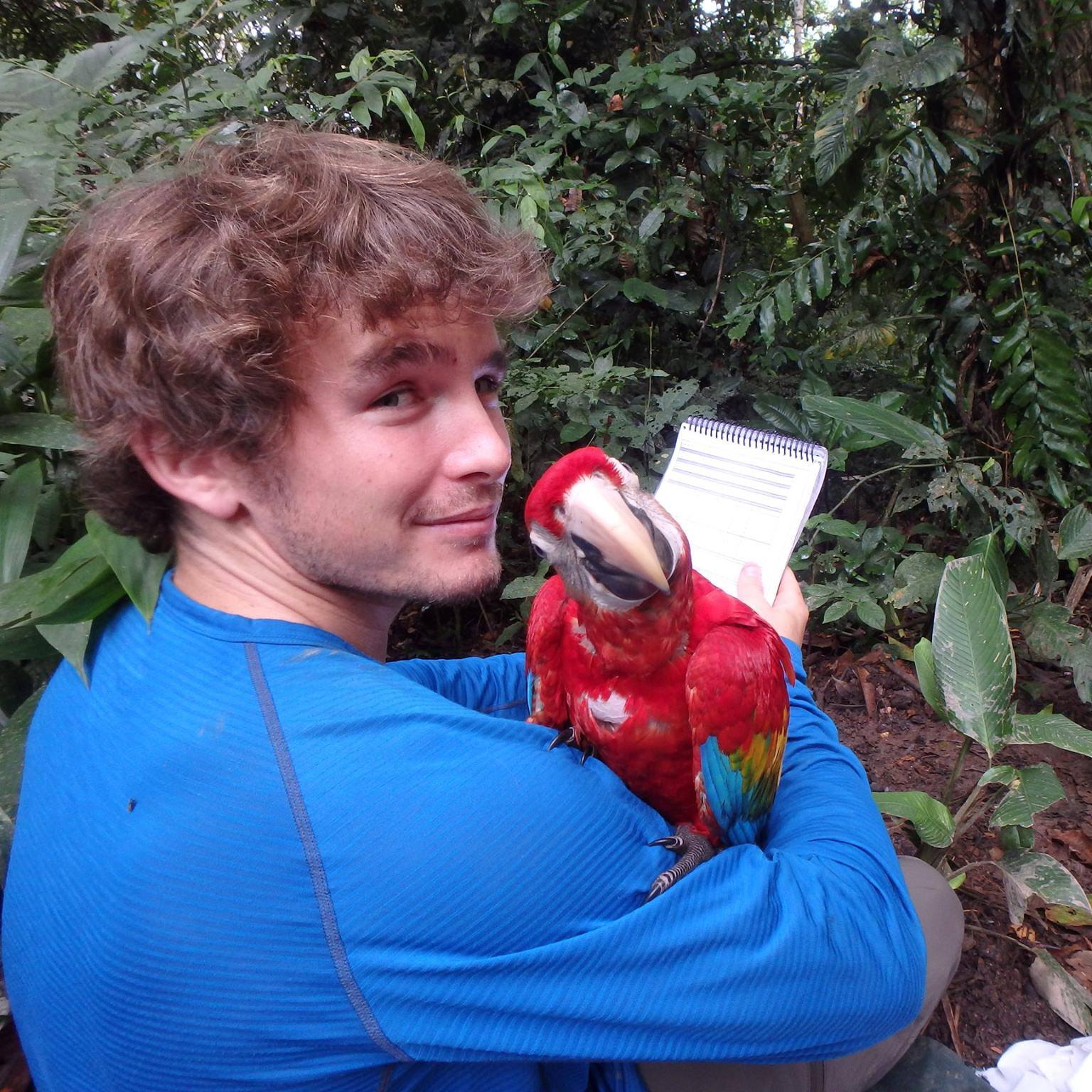
Tom Lloyd
- Postdoctoral Research Fellow, Global Ecosystems
- tom.lloyd@jcu.edu.au
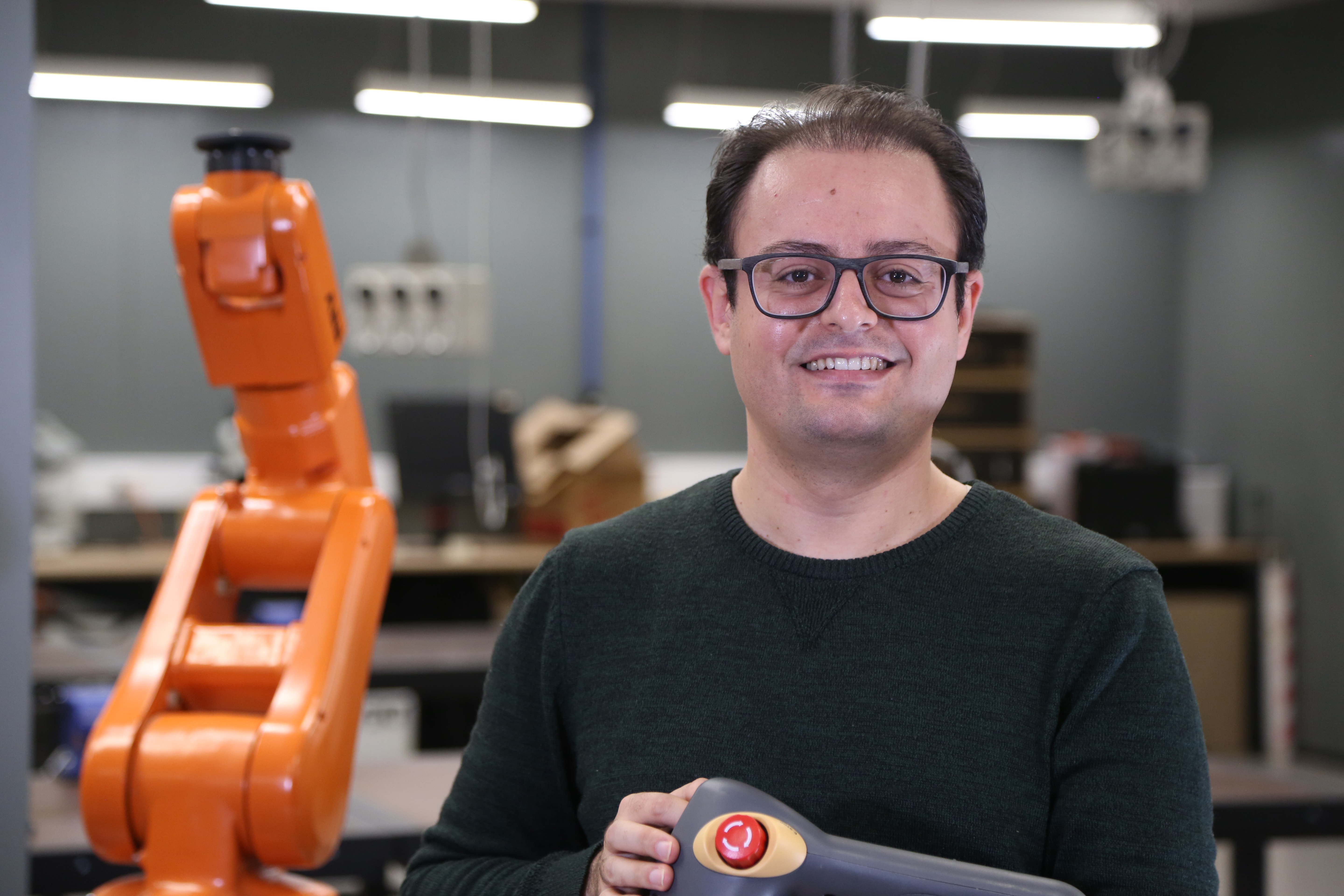
Mohamadreza Chalak Qazani
- Lecturer, Mechanical Engineering
- mohamadreza.chalakqazani@jcu.edu.au
ARC Research Hub for Supercharging Tropical Aquaculture Through Genetic Solutions (Old ID 27374)
Ira Cooke
09 Sep 2021 - 31 Dec 2025
This project aims to integrate cutting edge genetic and genomic approaches into innovative aquaculture enterprises that farm in tropical northern Australia. It will deliver the requisite genetic knowledge to instigate world-leading and highly productive breeding programs for five species (barramundi, pearl oyster, prawn, grouper and marine seaweed), along with a novel understanding of the genetic basis of disease resistance and how the production environment interfaces with the bacterial microbiome, pathogens and water quality to cause disease. It will increase Australia's capacity to deliver advanced genetics outcomes to the aquaculture sector, while increasing productivity, international competitiveness, and lowered risk due to disease.
ARC Research Hub for Supercharging Tropical Aquaculture Through Genetic Solutions (Old ID 27374)
Leo Nankervis
09 Sep 2021 - 31 Dec 2025
This project aims to integrate cutting edge genetic and genomic approaches into innovative aquaculture enterprises that farm in tropical northern Australia. It will deliver the requisite genetic knowledge to instigate world-leading and highly productive breeding programs for five species (barramundi, pearl oyster, prawn, grouper and marine seaweed), along with a novel understanding of the genetic basis of disease resistance and how the production environment interfaces with the bacterial microbiome, pathogens and water quality to cause disease. It will increase Australia's capacity to deliver advanced genetics outcomes to the aquaculture sector, while increasing productivity, international competitiveness, and lowered risk due to disease.
ARC Research Hub for Supercharging Tropical Aquaculture Through Genetic Solutions (Old ID 27374)
Mostafa Rahimi Azghadi
09 Sep 2021 - 31 Dec 2025
This project aims to integrate cutting edge genetic and genomic approaches into innovative aquaculture enterprises that farm in tropical northern Australia. It will deliver the requisite genetic knowledge to instigate world-leading and highly productive breeding programs for five species (barramundi, pearl oyster, prawn, grouper and marine seaweed), along with a novel understanding of the genetic basis of disease resistance and how the production environment interfaces with the bacterial microbiome, pathogens and water quality to cause disease. It will increase Australia's capacity to deliver advanced genetics outcomes to the aquaculture sector, while increasing productivity, international competitiveness, and lowered risk due to disease.
Population connectivity in the Kuranda Tree frog (Litoria myola) (Old ID 22198)
Conrad Hoskin
01 Aug 2015 - 31 Jul 2016
The critically endangered Kuranda Tree frog (Litoria myola) occurs only in a small distribution near Kuranda. This population is divided into 13 known breeding sites (subpopulations). Connectivity between these subpopulations is not known; therefore I will use genetic analysis to gain insight into both historical and current connectivity. Knowledge of population connectivity is of great importance for management, as it will help focus conservation efforts. This study will provide information on genetic distinctness of subpopulations, potential for natural recolonization if subpopulations decline or disappear, and where individuals should be sourced from if managers wanted to reintroduce the species to a site.
Population connectivity in the Kuranda Tree frog (Litoria myola) (Old ID 22198)
Megan Higgie
01 Aug 2015 - 31 Jul 2016
The critically endangered Kuranda Tree frog (Litoria myola) occurs only in a small distribution near Kuranda. This population is divided into 13 known breeding sites (subpopulations). Connectivity between these subpopulations is not known; therefore I will use genetic analysis to gain insight into both historical and current connectivity. Knowledge of population connectivity is of great importance for management, as it will help focus conservation efforts. This study will provide information on genetic distinctness of subpopulations, potential for natural recolonization if subpopulations decline or disappear, and where individuals should be sourced from if managers wanted to reintroduce the species to a site.
Fire and Environmental Change in Northern Australia during the Late Holocene (Old ID 23372)
Michael Bird
01 Jul 2017 - 30 Jun 2019
This project addresses the lack of palaeoenvironmental and palaeofire records available for northern Australia. I will analyse both micro-(<125µm) and macroscopic (>125µm) charcoal from sediment cores collected from lacustrine sites in Cape York and Arnhem Land. I will also analyse modern charcoal collected in fire traps placed during fieldwork to create a modern analogue. Collaboration with AINSE/ANSTO will result in a high-resolution chronology for each site, with implications for the wider region.
Precision medicine for North Queensland Liver Cancer Patients. (Old ID 27477)
Matt Field
01 Jan 2022 - 28 Feb 2025
Hepatocellular carcinoma (HCC) is an aggressive and poorly treated liver cancer that is rapidly increasing in incidence in North Queensland. Most patients are ineligible to have their cancer surgically removed, and new systemic therapeutics only extend patient lives by six to eight months. Thus, new treatment approaches are urgently required. Through the collaboration of surgeons, scientists and bioinformaticians we are developing Precision Medicine for North Queensland Liver Cancer Patients. Using bioinformatics and three dimensional culture models we will trial novel therapeutic approaches. This research will rapidly lead to new therapeutic approaches to treat HCC.
Fluorescent fur remote camera field experiment (Old ID 27576)
Tasmin Rymer
20 Mar 2022 - 20 Mar 2023
Aims: To determine if fur fluorescence can be excited by natural light and detected by nocturnal vertebrates. Outcomes: If wild animals interact consistently more often with one fur type during full moons, it will change the way we think about how nocturnal animals use light. If animals cannot detect fluorescence, the outcome will negate the need for further testing of a visual function. Significance: Using real fluorescent fur pelts in natural lighting is a world-first in discovering if nocturnal vertebrates use fluorescence as a visual cue. The result will determine if fluorescence becomes visible in different terrestrial lighting conditions
Conservation genomics of the Critically endangered Kuranda Treefrog (Old ID 28987)
Conrad Hoskin
01 May 2023 - 31 May 2023
This project aims to assess the conservation status of the Critically Endangered Kuranda Treefrog using a population genomics approach. The last sampling for this declining and localised species took place more than 10 years ago, and continuing declines have been detected in the field. It is unclear whether the population is retaining genetic diversity despite the small and declining population size or whether it is rapidly losing genetic diversity. Resolving this will be crucial for the management of this species. In this project I aim to assess genetic diversity, connectivity and population size of this Critically Endangered species using population genomics.
Conservation genomics of the Critically endangered Kuranda Treefrog (Old ID 28987)
Megan Higgie
01 May 2023 - 31 May 2023
This project aims to assess the conservation status of the Critically Endangered Kuranda Treefrog using a population genomics approach. The last sampling for this declining and localised species took place more than 10 years ago, and continuing declines have been detected in the field. It is unclear whether the population is retaining genetic diversity despite the small and declining population size or whether it is rapidly losing genetic diversity. Resolving this will be crucial for the management of this species. In this project I aim to assess genetic diversity, connectivity and population size of this Critically Endangered species using population genomics.
Organic matter, sodicity and soil structure
- 1998
- Oxford University Press
- Researchers:Paul Nelson
Argument free clustering via boundary extraction for massive point-data Sets
- 2002
- Researchers:Ickjai Lee
Start Date:
01 Jan 2010
Start Date:
01 Jan 2019
Start Date:
01 Jan 2016
Start Date:
01 Jan 2014
End Date:
01 Jan 2015
Title:
Fulbright Travel Grant
Start Date:
01 Jan 1959
Start Date:
01 Jan 2021
End Date:
01 Jan 2023
Start Date:
01 Jan 2017
End Date:
01 Jan 2020
Start Date:
01 Jan 2005
End Date:
01 Jan 2010
Start Date:
01 Jan 2019
End Date:
01 Jan 2021
Start Date:
01 Jan 2010
End Date:
01 Jan 2013