
College of Science & Engineering

Sophia Love
- Doctor of Philosophy (Natural and Physical Sciences)
- sophie.love@jcu.edu.au
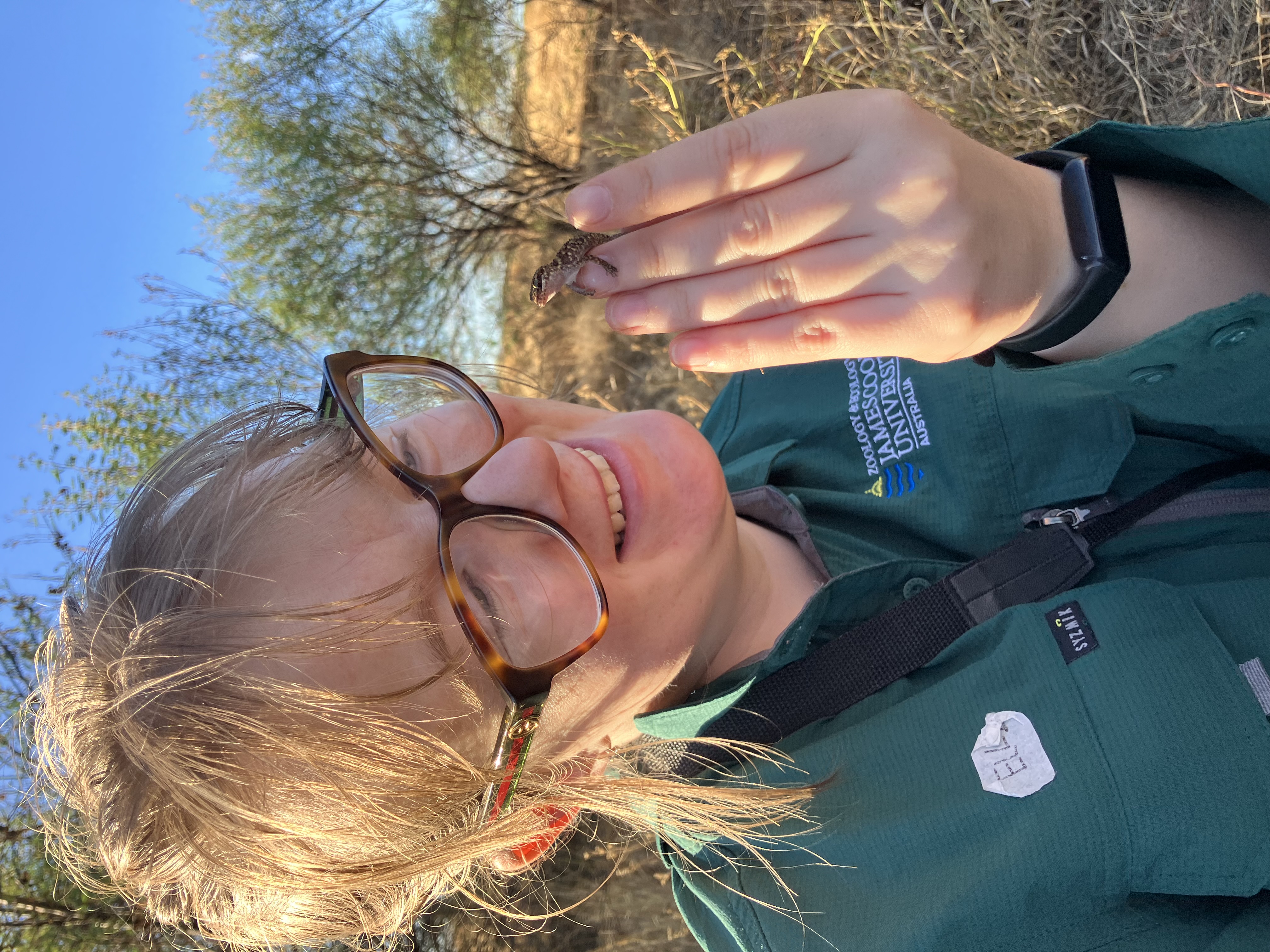
Elle Robertson
- Doctor of Philosophy (Agriculture, Environmental and Related Studies)
- elle.robertson@jcu.edu.au
Romain Vaucher
- Senior Lecturer, Sedimentology
- romain.vaucher@jcu.edu.au
Jenny Fisher
- Associate Dean, Learning and Teaching
- jenny.fisher@jcu.edu.au
Ambili Narayanan
- Doctor of Philosophy (Natural and Physical Sciences)
- ambili.narayanan@my.jcu.edu.au

Sarfaraz Ali
- Postdoctoral Research Fellow
- sarfaraz.ali@jcu.edu.au
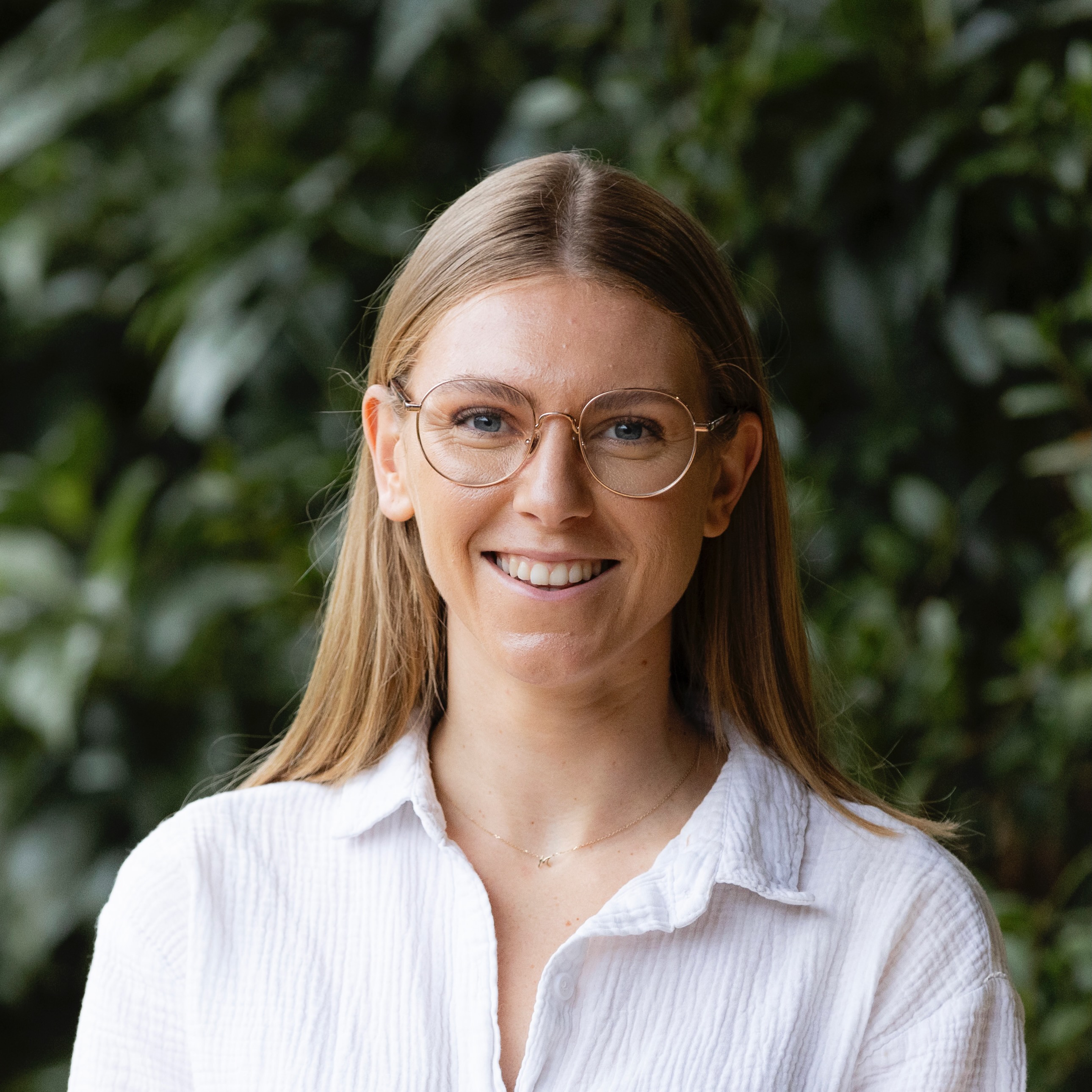
Mikaeylah Davidson
- Postdoctoral Research Fellow
- mikaeylah.davidson@jcu.edu.au
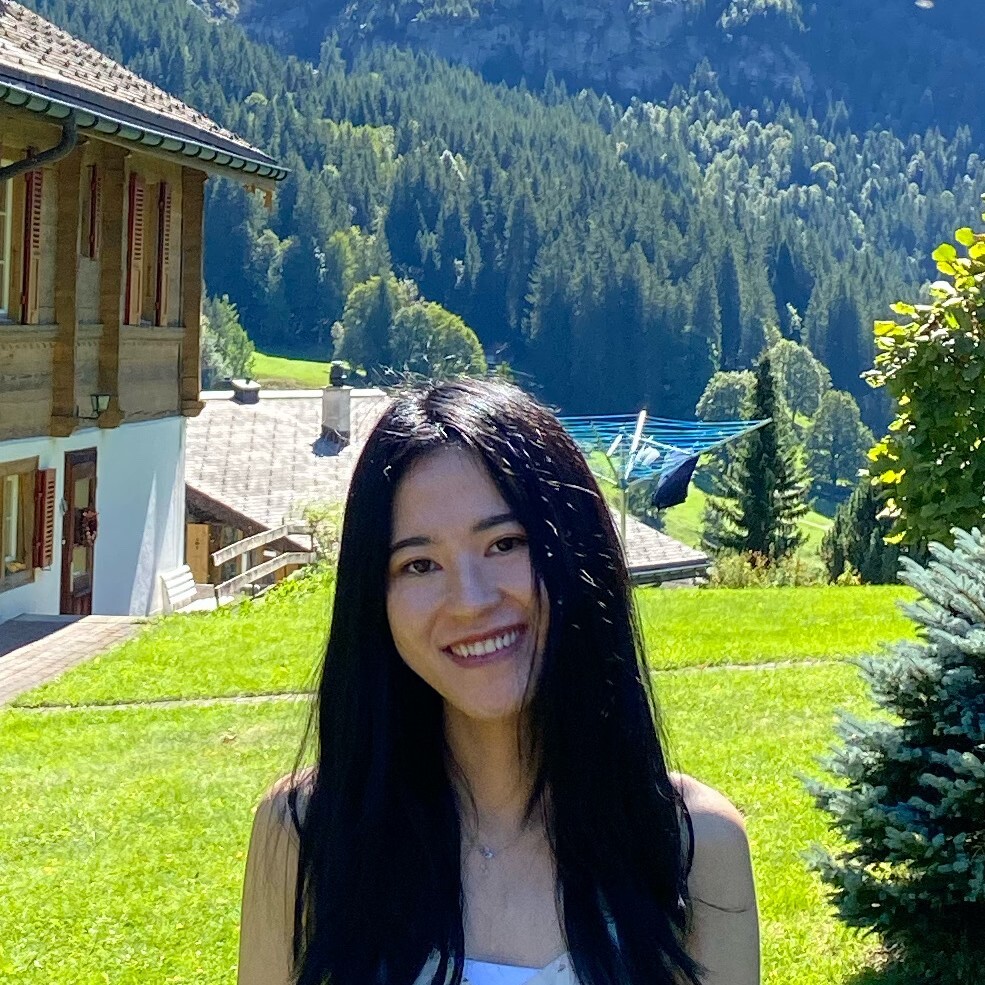
Liuxin Chen
- Lecturer
- liuxin.chen@jcu.edu.au
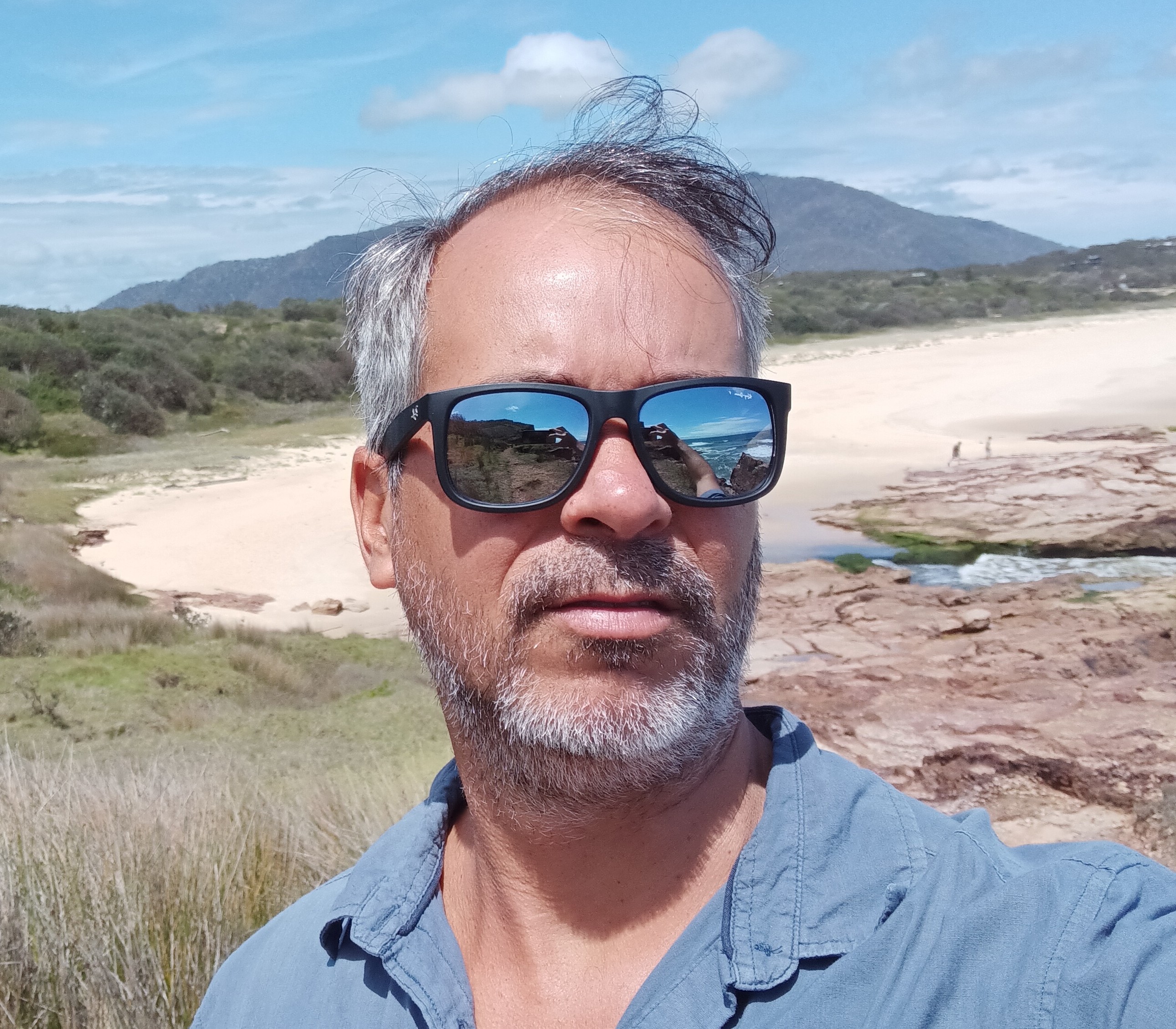
Rafael Cabral Carvalho
- Lecturer, Marine Geoscience
- rafael.cabralcarvalho@jcu.edu.au
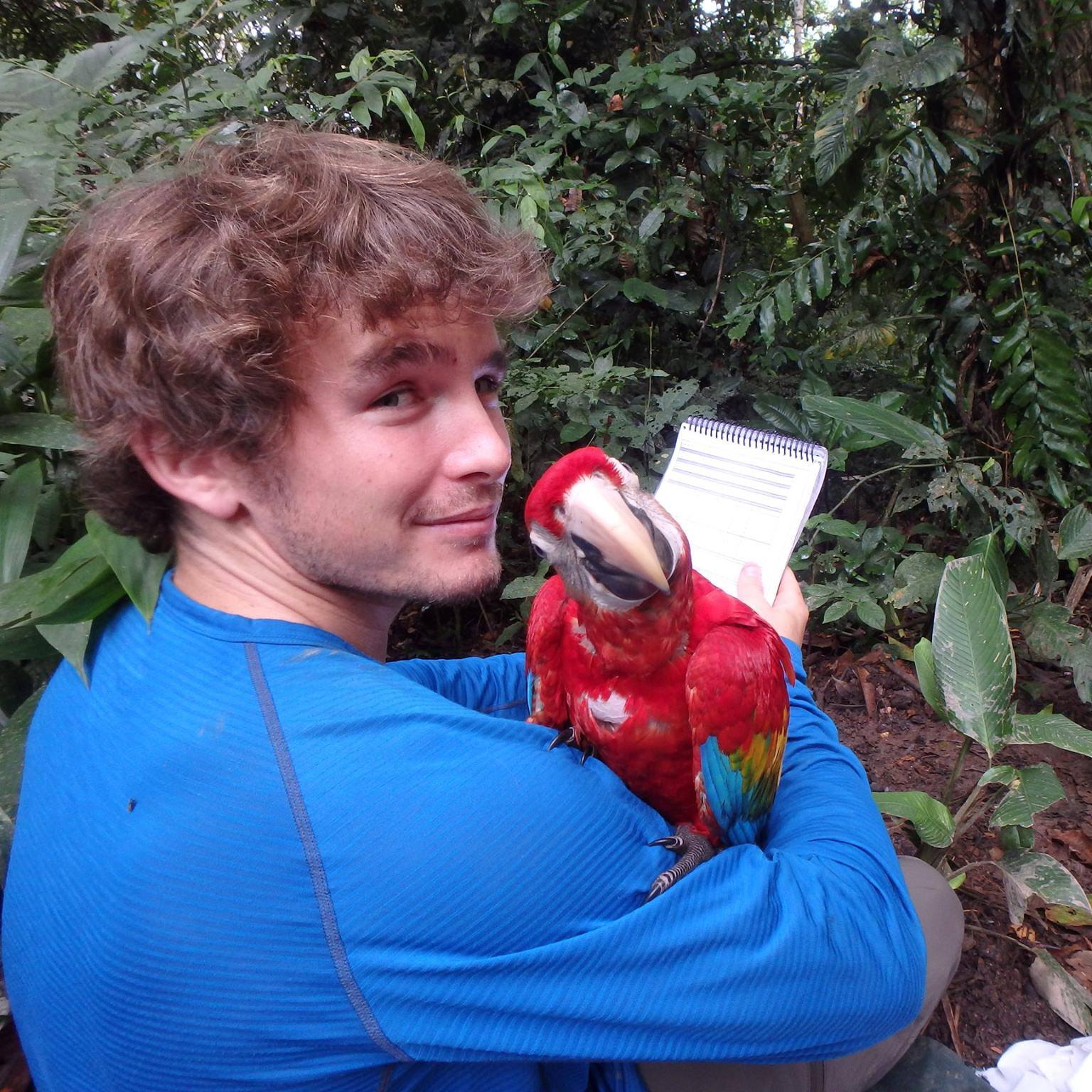
Tom Lloyd
- Postdoctoral Research Fellow, Global Ecosystems
- tom.lloyd@jcu.edu.au
Drone-based monitoring and conservation of Bryde's whales in Tabanan, Bali, Indonesia
This application is for the Data Use Agreement for the use of Bryde's whale data from the Yayasan Westerlaken Alliance Indonesia in Bali, Indonesia.
Drivers of the humpback whale entanglements in shark nets in Gold Coast and Sunshine Coast
Using entanglement data from 2000-2025, this study proposes to determine any significant spatial and temporal changes in the humpback whale entanglement rates in Queensland shark control gear between the Gold Coast and Sunshine Coast. It will also aim to identify the environmental and anthropogenic drivers of entanglements. Additionally, the study will also use estimates of humpback whale population abundance to explain the patterns. Understanding these patterns will help improve the management and policy of the shark control programs, subsequently reducing the harm to humpback whales. This application is for the data agreement between JCU and Griffith University as a collaborator.
Drivers of the humpback whale entanglements in shark nets in Gold Coast and Sunshine Coast
Using entanglement data from 2000-2025, this study proposes to determine any significant spatial and temporal changes in the humpback whale entanglement rates in Queensland shark control gear between the Gold Coast and Sunshine Coast. It will also aim to identify the environmental and anthropogenic drivers of entanglements. Additionally, the study will also use estimates of humpback whale population abundance to explain the patterns. Understanding these patterns will help improve the management and policy of the shark control programs, subsequently reducing the harm to humpback whales. This application is for the data agreement between JCU and Griffith University as a collaborator.
Science evaluation of coastal wetland systems repair projects across GBR catchments (Old ID 23139)
There is a lack of scientific data to support and give surety that on-ground wetland repair investment achieve water quality and biodiversity returns in the GBR catchments. Most existing and future wetland improvement projects have the objective of reducing invasive aquatic weeks, improving water quality and increasing usable habitat and marine connectivity for aquatic species, however, scientific data evaluating the degree to which this actually happens is not available. This is particularly true for long-term impacts beyond the first few years of remedial management. Scientific data and long term evaluation methods are therefore particularly necessary to track the progress against broader program objectives, in particular those contained in a number of policies and planning documents.
Advanced passive acoustic monitoring to support evaluation of conservation management effectiveness
This one-year project will build on previous ecoacoustic research to investigate and test methods for applying passive acoustic monitoring (PAM) to monitor, evaluate, and report on environmental condition across Commonwealth national parks. The project will focus on both recognizer development and implementation, for successful monitoring.
Harnessing the full potential of genomic data to investigate the adaptability of Southern Ocean benthos to climatic change
This project applies the most advanced DNA sequencing technology to investigate the population dynamics of a Southern Ocean benthic invertebrate. The outcome of this extended research includes detecting the past and present day population connectivity patterns with precise detail and uncovering the genomic architecture of the species, thus revealing their adaptability to climate change. This project will inform conservation management strategies for Southern Ocean ecosystems.
Listening for Deer: Acoustic Early Detection for Smarter Biosecurity
Feral deer are an expanding biosecurity threat across Australia, causing ecological damage, agricultural loss, and management challenges, particularly at low population densities, when detection is difficult. This project will rigorously test whether passive acoustic monitoring (PAM) can provide a reliable, cost-effective method for early detection of feral deer across vegetation types, seasons, and species.
Most deer vocalise conspicuously during breeding, group contact, and alarm situations. We will leverage these vocal behaviours to evaluate acoustic detection success and directly compare it with conventional surveillance approaches (camera trapping). Using several year-long datasets collected across contrasting habitats, we will quantify detection probability, seasonal performance, and relative cost-efficiency of acoustic versus camera-based and eDNA based monitoring.
The intended outcome is clear, evidence-based guidance on when and where acoustic monitoring is most effective for detecting low-density deer populations. By validating scalable and scientifically robust surveillance tools, this project will enhance early detection capacity, improve response times, and strengthen landscape-scale biosecurity monitoring. The results will directly support coordinated, proactive management under national feral deer strategies, helping to reduce environmental impacts, limit spread, and protect biodiversity and agricultural assets across Australia.
Hub Mission Leader (Old ID 27433)
Delivering the Hub Mission focused on threatened and migratory species and threatened ecological communities. As stated in the Resilient Landscapes Hub research scope, the Activity Outcomes related to the cross-cutting Mission includes: i Delivering tools and advice to support the conservation of habitat important for priority threatened species, threatened ecological communities and migratory species; ii Updating the National list of threatened ecological communities and species; iii Improving detection of cryptic, ‘difficult’ and other data deficient species; and iv Monitoring and supporting the management of species / community recovery post extreme events. Service to be provided by Professor Helene Marsh, a researcher of international repute able to drive multidisciplinary outcomes, deliver outputs into national information repositories and guide relevant investment across the four research hubs.
Baseline invasive ant fauna and impact survey in the Torres Strait (Old ID 27827)
The project aims to collect a representative baseline sample of ant fauna on all inhabited Torres Strait islands and five communities in the northern peninsula area of Cape York. The focus is on invasive and non-native ant fauna.
Historical biogeography of herbivorous coral reef fishes: the formation of an Atlantic fauna
- 2019
- Blackwell Publishing
- Researchers:David BellwoodPeter Cowman
Preface: advances in modelling photosynthetic processes in terrestrial plants
- 2019
- Kluwer Academic Publishers
- Researchers:Lucas Cernusak
Start Date:
01 Jan 2004
End Date:
01 Jan 2006
Start Date:
01 Jan 2009
End Date:
01 Jan 2013
Start Date:
01 Jan 2006
End Date:
01 Jan 2008
Start Date:
01 Jan 2000
End Date:
01 Jan 2003
Start Date:
01 Jan 2004
End Date:
01 Jan 2009
Start Date:
01 Jan 2024
End Date:
01 Jan 2025
Start Date:
01 Jan 2012
Start Date:
01 Jan 2009
Start Date:
01 Jan 2007
Start Date:
01 Jan 2004
End Date:
01 Jan 2006