
College of Science & Engineering

Sophia Love
- Doctor of Philosophy (Natural and Physical Sciences)
- sophie.love@jcu.edu.au
Elle Robertson
- Doctor of Philosophy (Agriculture, Environmental and Related Studies)
- elle.robertson@jcu.edu.au
Romain Vaucher
- Senior Lecturer, Sedimentology
- romain.vaucher@jcu.edu.au
Jenny Fisher
- Associate Dean, Learning and Teaching
- jenny.fisher@jcu.edu.au
Ambili Narayanan
- Doctor of Philosophy (Natural and Physical Sciences)
- ambili.narayanan@my.jcu.edu.au

Sarfaraz Ali
- Postdoctoral Research Fellow
- sarfaraz.ali@jcu.edu.au
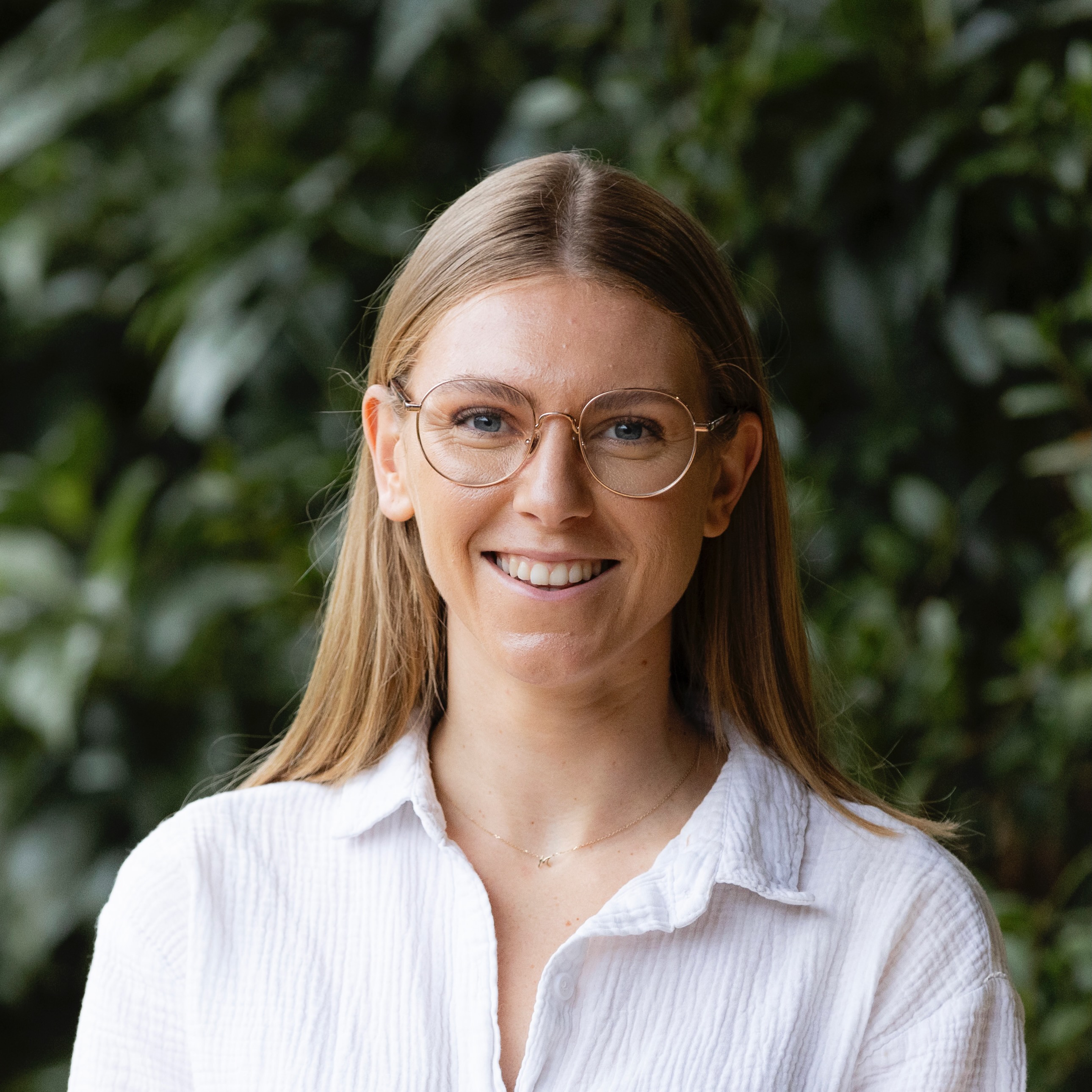
Mikaeylah Davidson
- Postdoctoral Research Fellow
- mikaeylah.davidson@jcu.edu.au
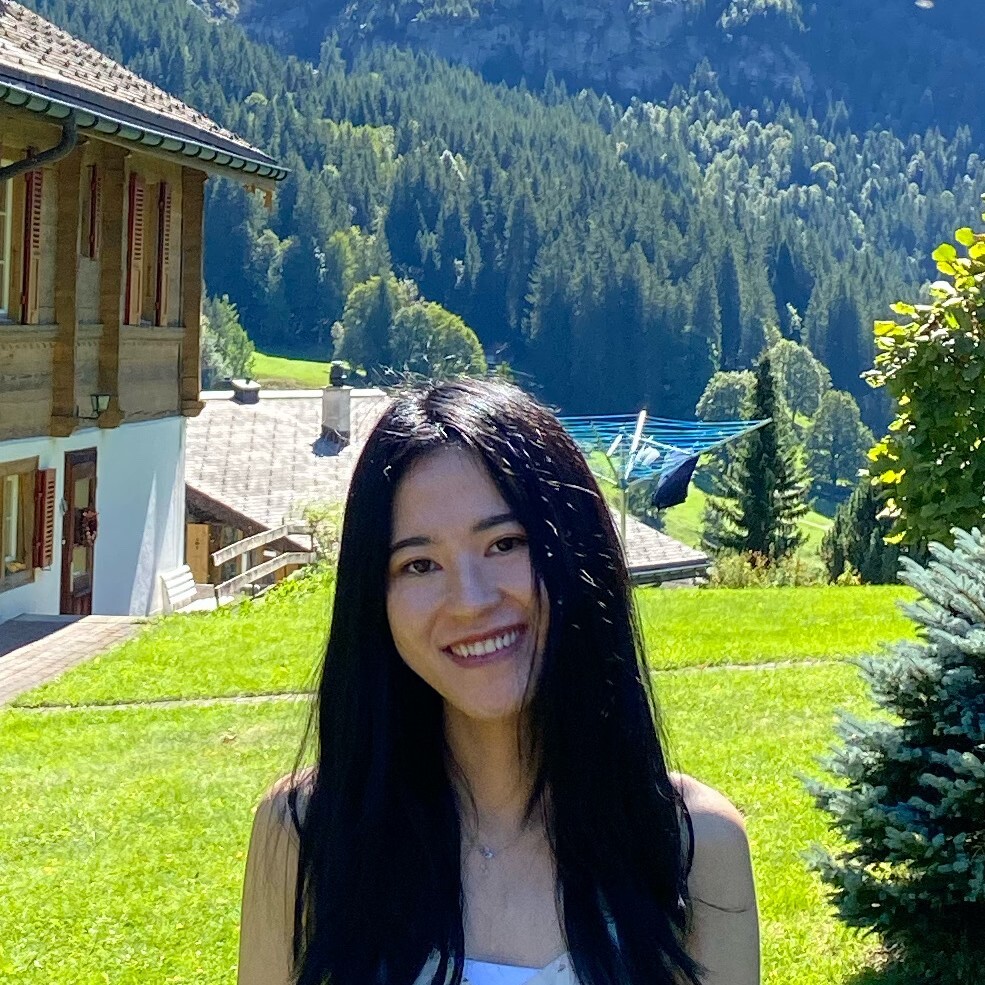
Liuxin Chen
- Lecturer
- liuxin.chen@jcu.edu.au
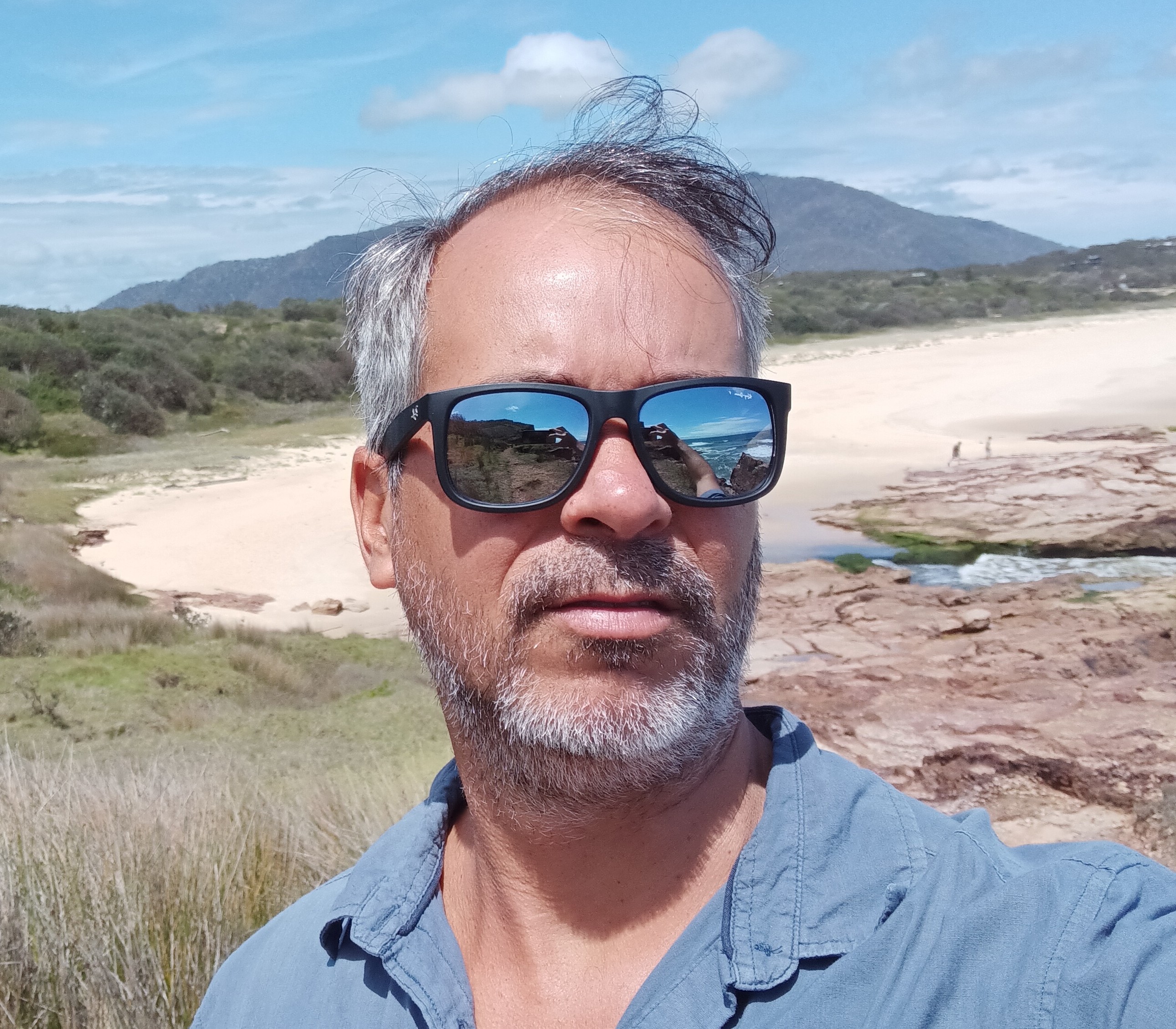
Rafael Cabral Carvalho
- Lecturer, Marine Geoscience
- rafael.cabralcarvalho@jcu.edu.au
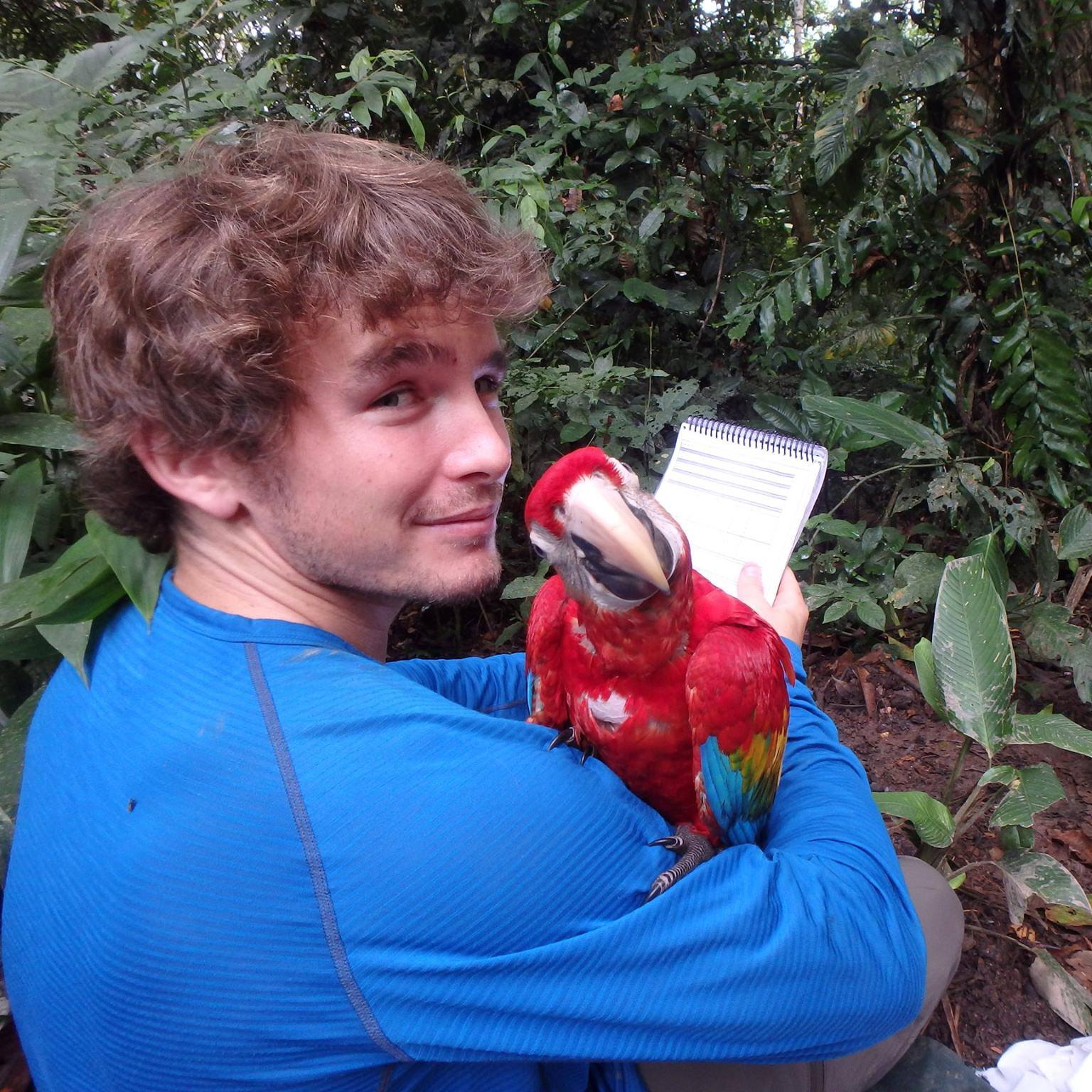
Tom Lloyd
- Postdoctoral Research Fellow, Global Ecosystems
- tom.lloyd@jcu.edu.au
Investigating the pitfalls of bee hotels (Old ID 30046)
Concern for bees among the public has led to the augmentation of habitat for bees including the addition of bee hotels. Bee hotels are often claimed to increase bee diversity and abundance. However, they artificially aggregate nesting sites above densities naturally available for bees, which could lead to increased prevalence of pathogens, viruses and parasitism, and higher predation rates. Properly controlled experiments to investigate these threats are limited, and none have been conducted in the tropics. This project investigates whether the density of nesting spaces in bee hotels affects predation rates and pathogen and parasite prevalence in cavity nesting bees.
Geological characteristics, genesis and ore controlling factors of the Tick Hill Au deposit, Dajarra District, NW Queensland, Australia (Old ID 24727)
The project aims to: 1. investigate and document the geological and geochemical features of the Tick Hill gold deposit, including understanding the structural evolution lmagmaticl history, alteration style andl mineralisation; 2. classify the deposit and improve the understanding of the genesis; 3. identify the factors controlling the locationh and formation of the deposits such as structural architecture, controls of host rocks and intrusions; and 4. discover lmineralogical, textural and geochemical zoning patterns that could gbe used as vectors to ore. A geological model will be developedfor use in exploration targeting.
A machine-learning training library of intertidal seagrass ecosystems to support Australia's National Ocean Accounts. (Old ID 27414)
The Australian Government, as a member of the High Level Panel for Sustainable Ocean Economy (Ocean Panel), has committed to a range of priority actions, including the development of a complete sequence of national ocean accounts. Seagrass extent and annual change is an integral part of the accounts. Training data on intertidal seagrass extent is needed to support the development of a national intertidal seagrass extent map, which will be a key deliverable of the National Ocean Accounts. This project will therefore conduct the necessary image interpretation tasks to deliver a machine-learning ready training set of Australia’s intertidal seagrass ecosystems.
The ecological and evolutionary legacy of extreme climatic events for food web resilience (Old ID 27891)
There is growing evidence that extreme events such as heatwaves will have the most immediate and harmful effects on plants and animals as the climate changes. This is particularly true for species-rich tropical ecosystems, where recent heatwaves have already caused severe population crashes for some species. We therefore need to understand what happens when whole communities of interacting species are subjected to a heatwave or other extreme climatic event. To understand fully how and why ecological communities are altered by extreme events, we need to carry out experiments simulating extreme conditions and follow the consequences over multiple generations. In most contexts such experiments would be practically or ethically impossible. However, we can design experiments that do exactly this by focusing on a special study system: food webs of Drosophila fruit flies and the parasitic wasps that consume them in the rainforests of tropical Queensland.
Research to support sustainable coral harvesting by Australian aquarium industry (Old ID 23641)
An Advance Queensland Knowledge Transfer Partnerships grant awarded to Ultra Coral Australia Pty Ltd is being used to part fund the appointment of a PhD graduate from James Cook University, Dr Ciemon Caballes, to undertake research into the improved sustainability of wild coral harvesting on Australia’s Great Barrier Reef. A portion of the grant is awarded directly to JCU to facilitate direct engagement with Ultra Coral Australia Pty Ltd and the recently appointed graduate, further establishing industry links and direct application of ongoing research.
Microanalytical Facility Supporting Resources Development and Manufacturing (Old ID 27524)
The project aims to establish a state-of-the-art electron probe microanalysis facility enabling accurate chemical analysis to be undertaken at the micro-scale. It is expected to provide new knowledge and support applied research on a range of natural, synthetic and processed materials that will deeply impact advancements in the fields of metals processing and recycling, Earth and environmental science, and the development of materials for a healthier society. It will support ARC funded and industry engaged research enhancing the minerals exploration, mining and metallurgical industries and inform sustainable practice. It will also provide the key research infrastructure to enhance Australia’s research leadership in these fields.
Investigating the Link between Mineralised Shear Zones and Subsurface Granites for Rare Earth Element Exploration in Australia: A Geophysical Study of the Mary Kathleen Syncline
$10,000 grant from the Australian Society of Exploration Geophysicists Research Foundation paid to Peter Betts at Monash University, which is being transferred to Melanie Finch at James Cook University to engage and supervise her PhD student Alanis Olesch-Byrne to complete the Research Project, providing logistic support for field work and supervision expertise related to the geology of the region.
Supercharging barramundi production through advanced selective breeding for improved disease resistance, growth and fillet traits
Barramundi, or Asian seabass, Lates calcarifer, is the major aquaculture species farmed in Singapore and has wide consumer acceptance
due to its white, firm flesh. The barramundi currently farmed in Singapore, however, have not been significantly improved through
simultaneous selection to be resistant to major diseases (like scale drop disease), faster growth, or fillet characteristics. This project will use
gold standard breeding methodologies that utilise genomics, industrial-scale phenotyping and cutting-edge digital technologies to select for
barramundi that are more productive, have whiter flesh and possess a lower risk to farming due to disease in Singaporean waters.
Outcomes from the project will be barramundi that have average survival to scale drop disease of 60%, grow 15% faster, and have
increased fillet yields and white flesh colouration.
Communication and coordination of collective behaviour across spatial scales in animal societies (Old ID 26191)
We will test commonalities and differences in group coordination tasks using spatial movement and active communication in three species of social mammals.
Internet of Things and Big Data Analytics for Cairns Marine (Old ID 26460)
This project will assist to analyse the large repository of data held by Cairns marine in relation to its full operations, i.e., from harvest to husbandry, inventory tracking and sales fulfilment. The physical systems currently in use at Cairns Marine are extensive and complex, involving a range of activities in Northern Australia, all activities on site (including R&D) in Cairns and full product (marine animals) stewardship to destination. A deep and informed understanding of data is required by the business to meet its growing global product commitments.
Cetacean bycatch in Indian Ocean tuna gillnet fisheries
- 2020
- Inter-Research
- Researchers:Putu Mustika
Start Date:
01 Jan 2002
End Date:
01 Jan 2006
Start Date:
01 Jan 2018
Start Date:
01 Jan 2017
Start Date:
01 Jan 2017
Title:
Secretary and Executive Committee Member, Australasian Fluid and Thermal Engineering Society (AFTES)
Start Date:
01 Jan 2008
Start Date:
01 Jan 2016
Start Date:
01 Jan 2000
Start Date:
01 Jan 2013
End Date:
01 Jan 2018
Start Date:
01 Jan 2012
End Date:
01 Jan 2018