
College of Science & Engineering

Sophia Love
- Doctor of Philosophy (Natural and Physical Sciences)
- sophie.love@jcu.edu.au
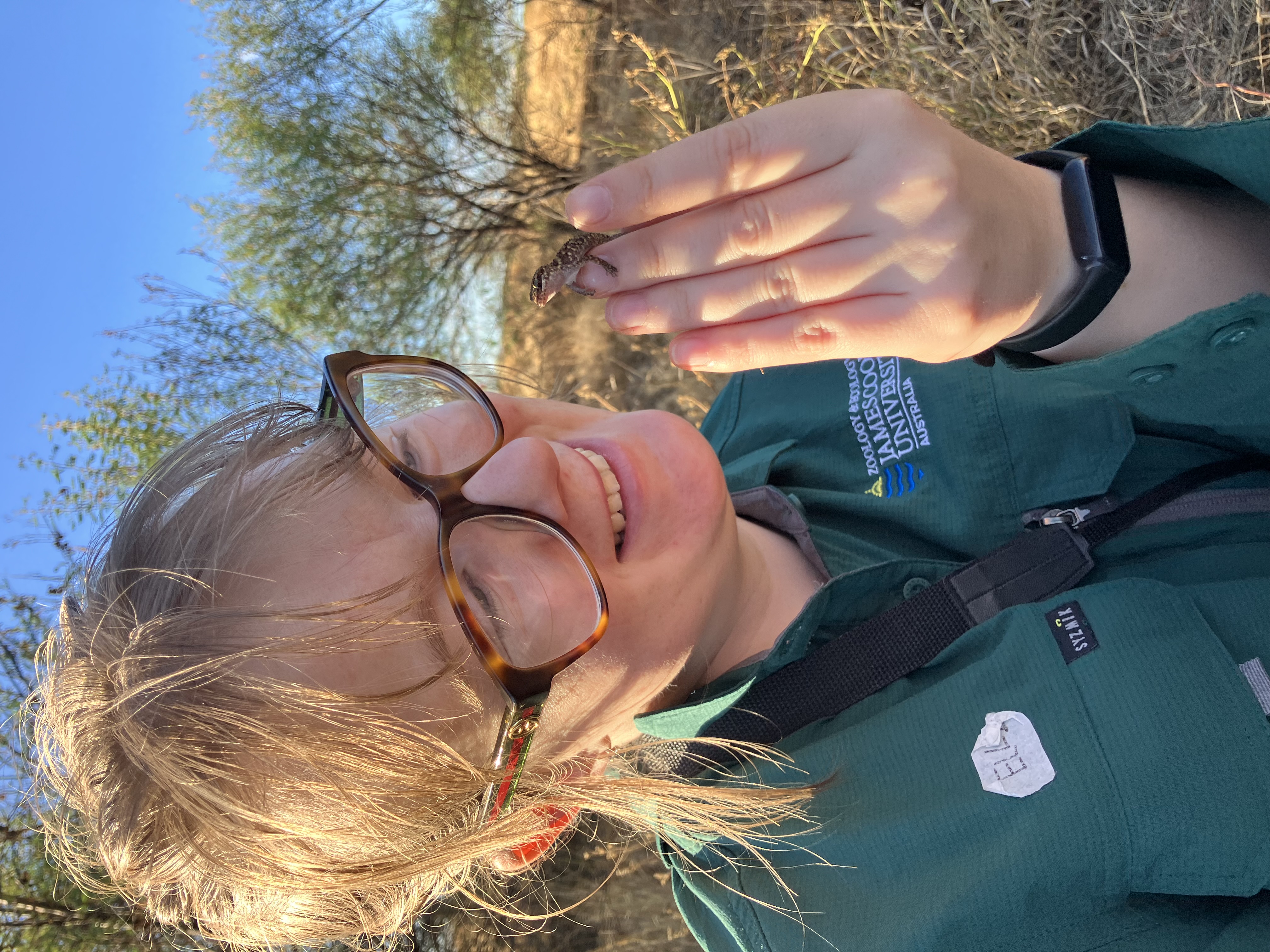
Elle Robertson
- Doctor of Philosophy (Agriculture, Environmental and Related Studies)
- elle.robertson@jcu.edu.au

Romain Vaucher
- Senior Lecturer, Sedimentology
- romain.vaucher@jcu.edu.au

Jenny Fisher
- Associate Dean, Learning and Teaching
- jenny.fisher@jcu.edu.au
Ambili Narayanan
- Doctor of Philosophy (Natural and Physical Sciences)
- ambili.narayanan@my.jcu.edu.au

Sarfaraz Ali
- Postdoctoral Research Fellow
- sarfaraz.ali@jcu.edu.au
Mikaeylah Davidson
- Postdoctoral Research Fellow
- mikaeylah.davidson@jcu.edu.au
Liuxin Chen
- Lecturer
- liuxin.chen@jcu.edu.au
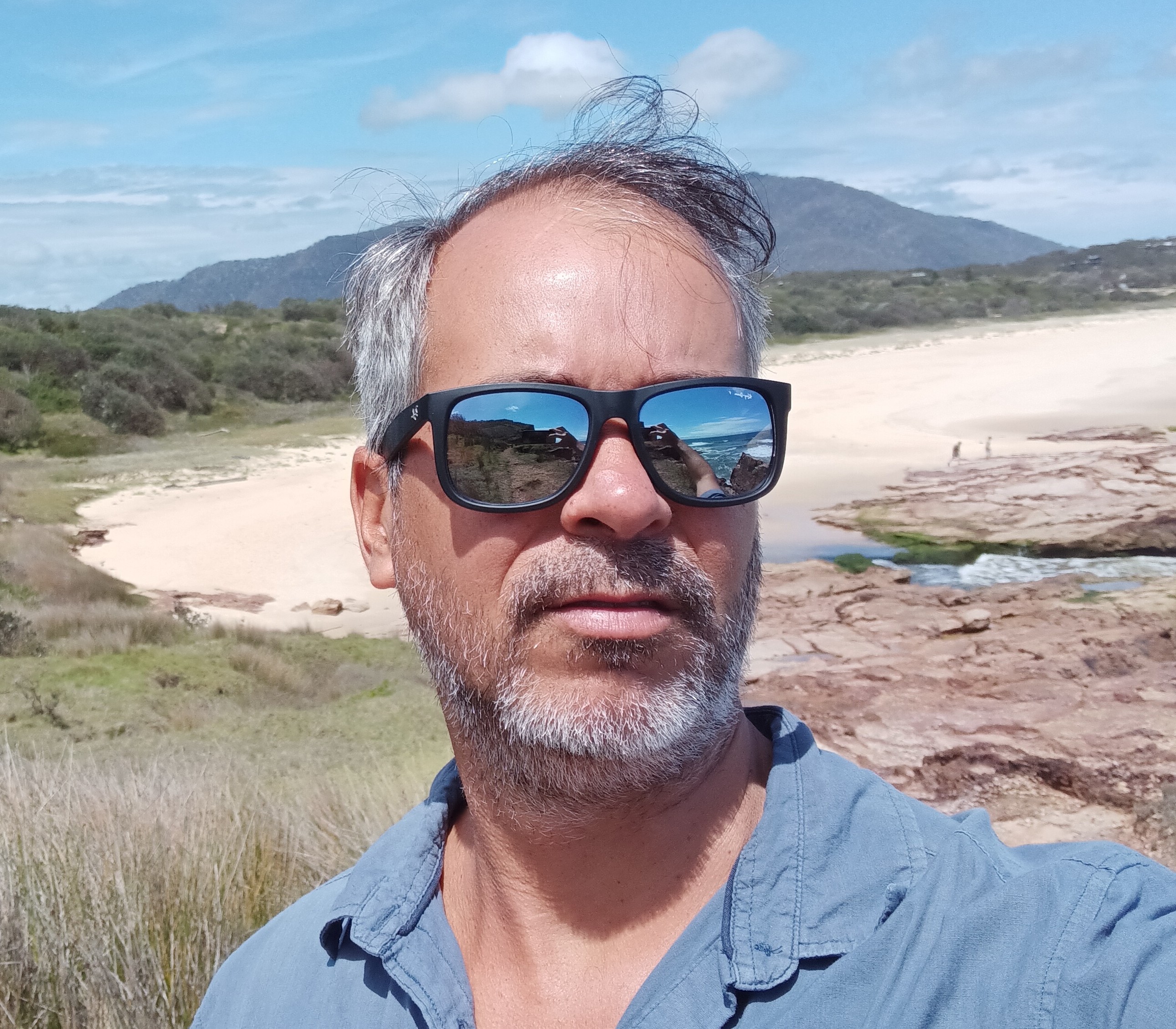
Rafael Cabral Carvalho
- Lecturer, Marine Geoscience
- rafael.cabralcarvalho@jcu.edu.au
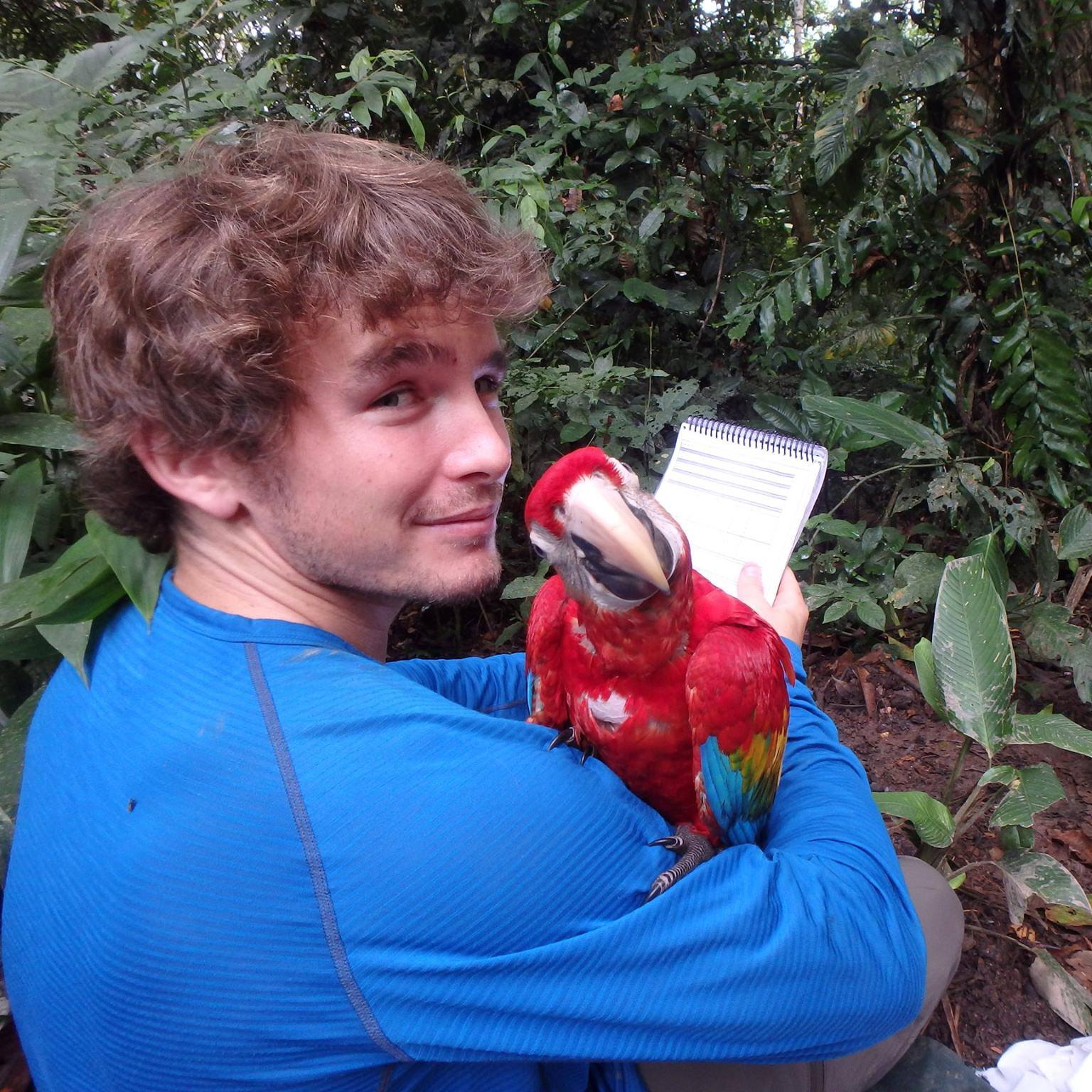
Tom Lloyd
- Postdoctoral Research Fellow, Global Ecosystems
- tom.lloyd@jcu.edu.au
Innovations in COTS Control on the Great Barrier Reef (Old ID 26958)
Innovations in COTS Control on the Great Barrier Reef. For decades, crown-of-thorns starfish (COTS) research effort has been fragmented and failed to inform improvements in the effectiveness of COTS control. However, under the NESP Tropical Water Quality Hub’s Integrated Pest Management (IPM) research program, a more collaborative and targeted approach has harnessed research effort and enabled delivery of significant improvements in effectiveness and efficiency of COTS control, while also looking to develop methods for the future. Wholescale adoption of this IPM approach by the Great Barrier Reef Marine Park Authority (GBRMPA) and operators is already demonstrably saving live coral cover on the Great Barrier Reef (GBR).
Striking Gold - Determining the genetic drivers of gold coloration in barramundi (Old ID 26972)
Australian farmed barramundi exhibit “greying” in the flesh which reduces consumer attractiveness. The rare colour variant “golden skinned” barramundi do not exhibit this negative flesh attribute. This project will determine the underlying genetic basis of the golden skin phenotype & adopt experimental approaches to increases its occurrence.
Pathways for performance improvements of organic light emitting diodes (Old ID 27152)
Organic light-emitting diodes (OLEDs) represent the next generation technology for displays and lighting. Despite their rapid uptake, one of the factors limiting their application in lighting is the efficiency roll-off at high brightness. This project aims to work towards solutions for this problem using an innovative combination of simulation studies and experimental work. Expected outcomes include improved theoretical and experimental approaches leading to new design rules for OLEDs. This should provide significant benefits such as a pathway for development of improved efficient, high brightness OLEDs for applications in low energy consumption lighting and long-lasting, bright displays.
Road map to coastal restoration assessment (Old ID 27594)
Coastal wetlands are under threat from a range of past land use changes. Efforts to restore the value back into wetlands is underway in many places, and demonstrating the success of these efforts requires access to scientific data. This project examines through stakeholder participation the elements of a national road map to coastal and marine restoration. The project outcome will be a framework to implement a national road map for restoration that can be used by stakeholders in planning and completing restoration around Australia.
Governing Changing Oceans (Old ID 27725)
Climate impacts are creating novel marine ecosystems, stimulating new interventions to conserve oceans and communities. Novel interventions include blue economy, blue carbon, and blue conservation approaches that mitigate climate change (e.g. offshore renewable energy development, seaweed restoration, carbon trading) and promote conservation and adaptation (e.g. assisted marine animal and plant migration, marine climate refuge protection, solar-radiation control). Novel interventions require transitions in governance: to realise new opportunities, meet escalating demand for marine resources, and manage risks and unintended consequences. Achievement of these multiple outcomes is limited by a lack of understanding of which governance arrangements are enabling intervention win-wins for nature and people. This SNAPP group works directly with governments, NGOs, and donors to co-create practical guidance on how to govern new marine interventions in a changing climate.
Wildlife in Virtual Reality - a New Way to Educate and Engage (Old ID 22306)
This project will harness rapidly evolving technologies to create an exciting new product for raising community awareness of conservation issues. Specifically, the project will use the latest computer wizardry to allow people (locals, visitors, students) to have the unique experience of getting up close and personal with a Lumholtz's tree-kangaroo through virtual reality.
Develop the ResPax (digital) Passbook (Old ID 27496)
To develop digital tools for collecting tourism data in the region to enable better decision-making through various data mining approaches.
Genetic audit of Cygnet Bay Pearls’ Akoya oyster broodstock (Old ID 27738)
This Project will examine genetic diversity in Cygnet Bay’s current Akoya oyster breeding populations, design mating pairs for a spawning followed by analysis of the genetic diversity in the offspring.
Population assessments and ecology of threatened Queensland plants. (Old ID 29008)
This project involves the assessment of population status, abundance, and ecology of 48 NCA/EPBC Vulnerable to Critically Endangered plant species. State of condition reports or population summaries will be generated for the species identified. We also propose to collect living material to investigate the feasibility for vegetative propagation. The data will be provided to DES for use in reviews of threat classification and development of management programs. The proposed project will generate key information on the status of 48 species of threatened plants and provide an important baseline for ongoing ecological research on these species.
Optimisation of internal pressure for designing industrial buildings (Old ID 21871)
The internal pressure in a building is dependent on the sizes of openings in the envelope, and its volume and flexibility, and is a critical loading parameter in building design. Post windstorm damage investigations have shown that incorrect internal pressures are frequently used in building design leading to damage. This project will study the internal pressures generated in buildings with a range of volumes and openings in the envelope. A combination of model scale and full scale tests and theoretical analysis will e used to determine critical parameters for highly turbulent air-flow through openings. Results will be used to revise design data in codes and produce guidelines for consistent, optimal design of industrial type buildings.
Plant alkaloids: classification, isolation and drug development
- 2019
- Taylor & Francis Ltd
- Researchers:Phurpa Wangchuk
Smarter irrigation scheduling in the sugarcane farming system using the Internet of Things
- 2019
- Australian Society of Sugar Cane Technologists
- Researchers:Eric WangBronson Philippa
A standardised framework for analysing animal detections from automated tracking arrays
- 2018
- BioMed Central
- Researchers:Colin Simpfendorfer
Start Date:
01 Jan 2024
End Date:
01 Jan 2024
Start Date:
01 Jan 2020
End Date:
01 Jan 2025
Start Date:
01 Jan 2023
End Date:
01 Jan 2025
Start Date:
01 Jan 2018
End Date:
01 Jan 2020
Start Date:
01 Jan 2018
Title:
JCU Distinguished Professor
Start Date:
01 Jan 2010
Start Date:
01 Jan 2010
End Date:
01 Jan 2015
Start Date:
01 Jan 2013
End Date:
01 Jan 2018