
College of Science & Engineering

Sophia Love
- Doctor of Philosophy (Natural and Physical Sciences)
- sophie.love@jcu.edu.au
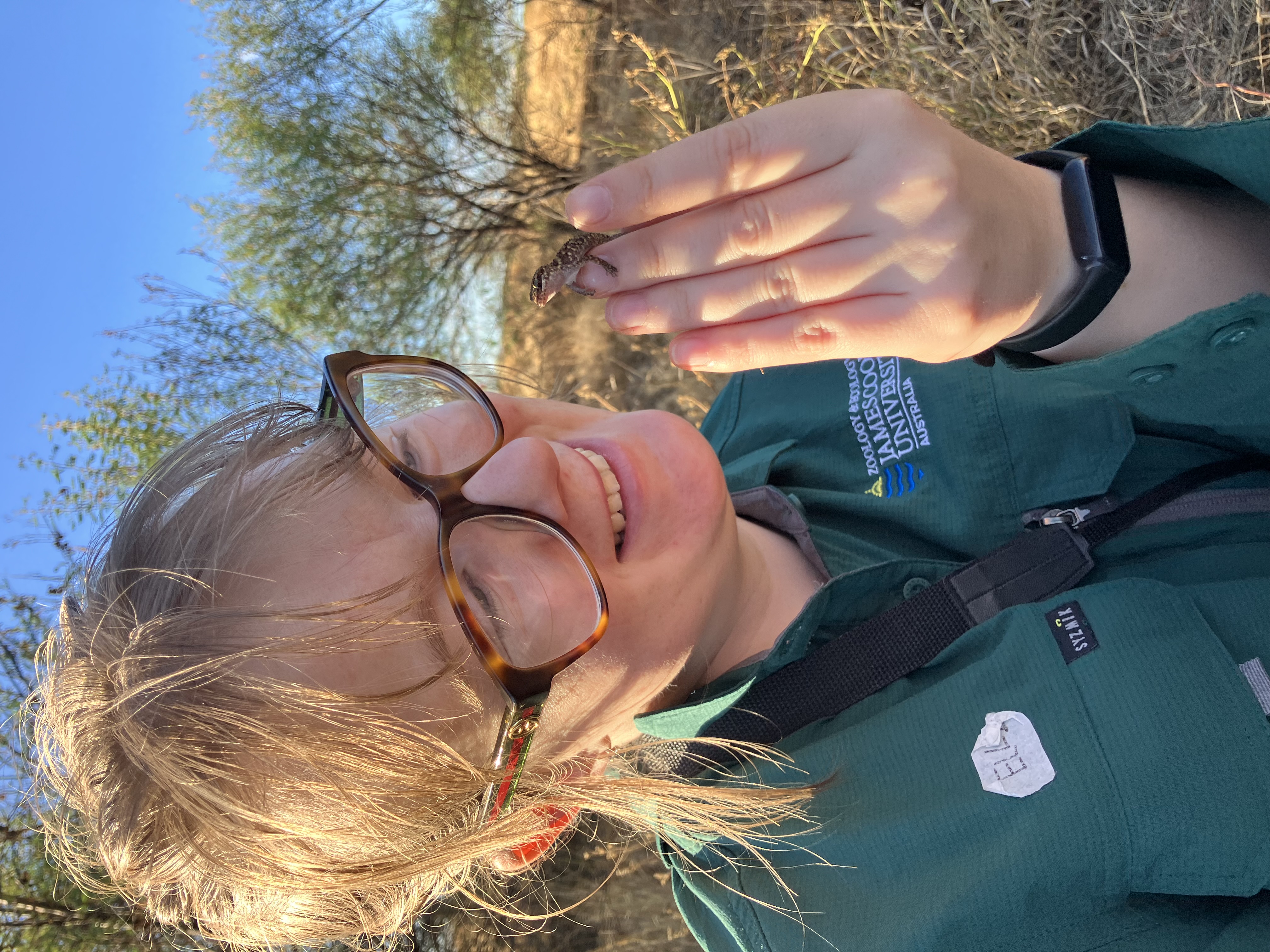
Elle Robertson
- Doctor of Philosophy (Agriculture, Environmental and Related Studies)
- elle.robertson@jcu.edu.au
Romain Vaucher
- Senior Lecturer, Sedimentology
- romain.vaucher@jcu.edu.au
Jenny Fisher
- Associate Dean, Learning and Teaching
- jenny.fisher@jcu.edu.au
Ambili Narayanan
- Doctor of Philosophy (Natural and Physical Sciences)
- ambili.narayanan@my.jcu.edu.au

Sarfaraz Ali
- Postdoctoral Research Fellow
- sarfaraz.ali@jcu.edu.au
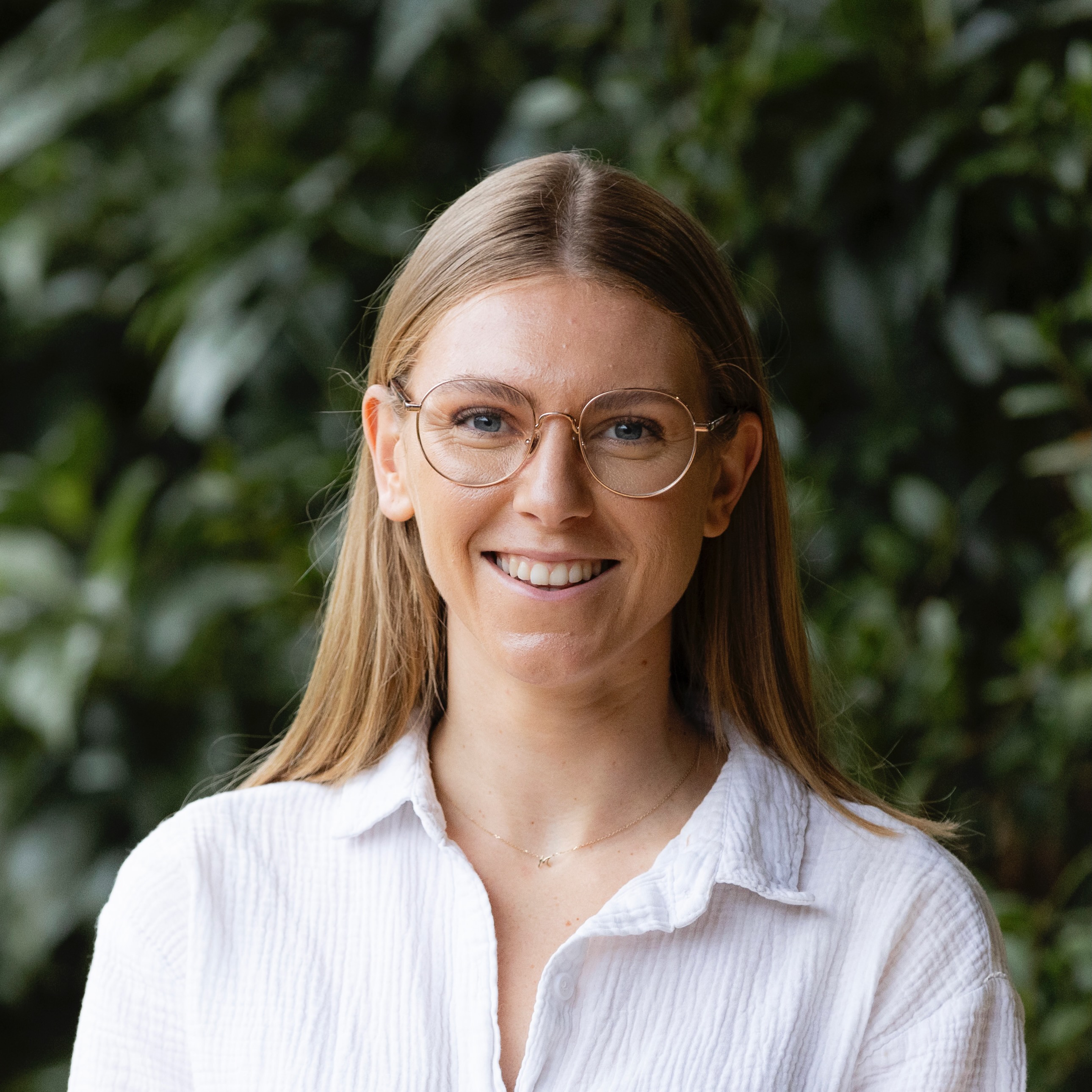
Mikaeylah Davidson
- Postdoctoral Research Fellow
- mikaeylah.davidson@jcu.edu.au
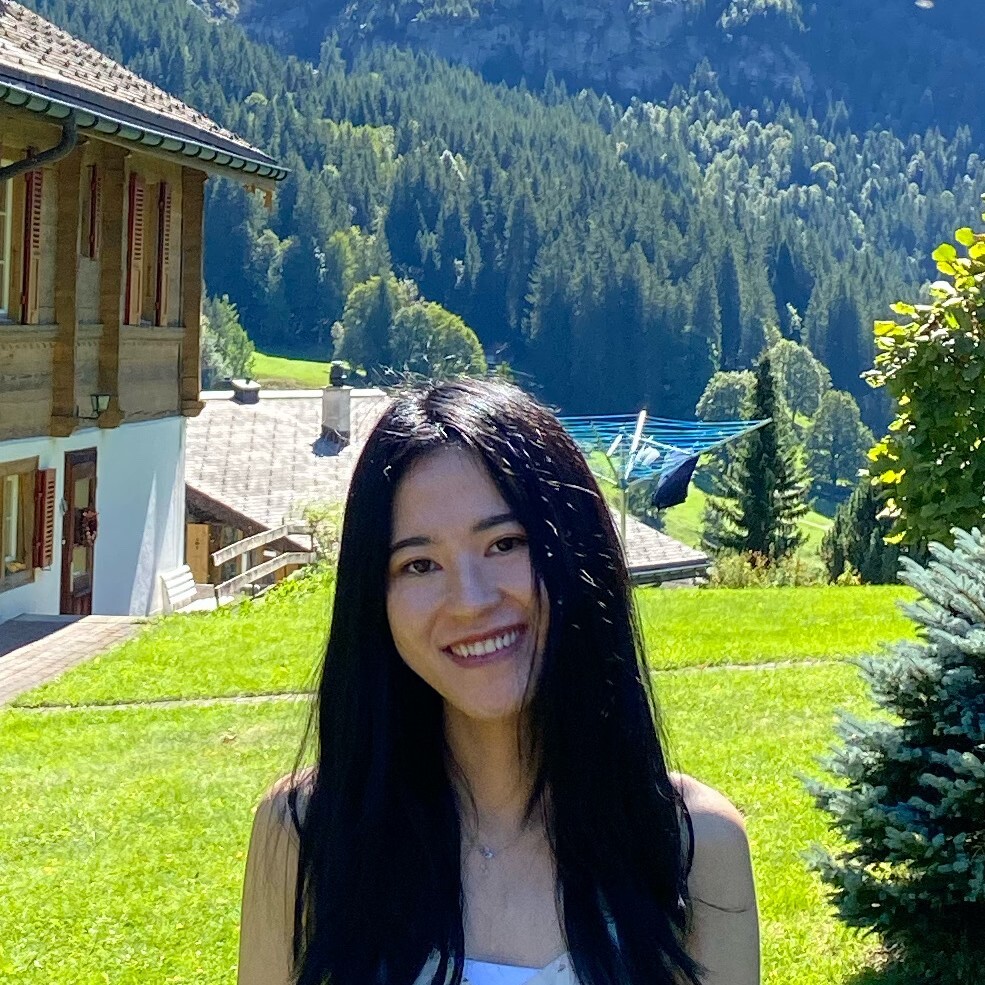
Liuxin Chen
- Adjunct Lecturer
- liuxin.chen@jcu.edu.au
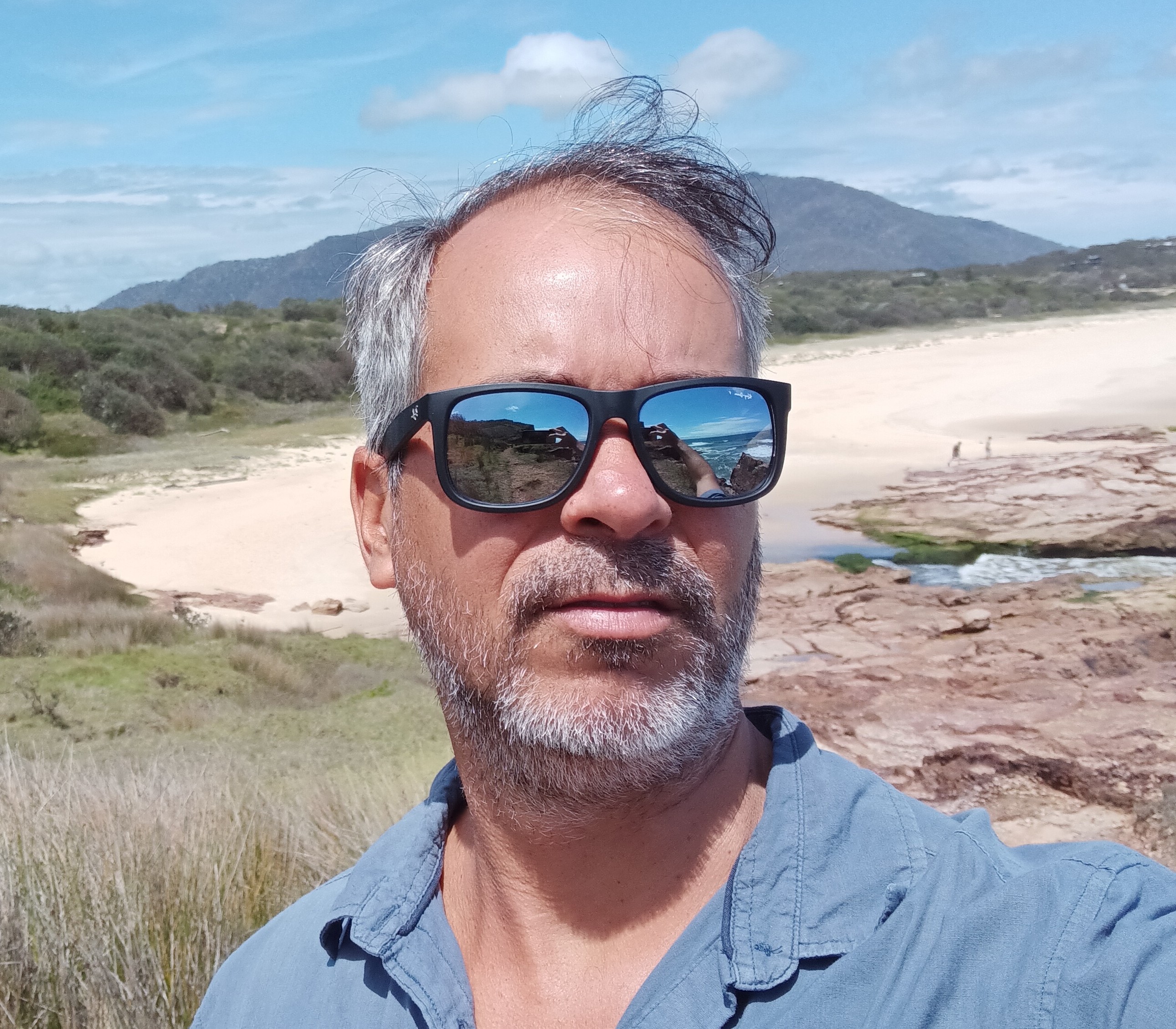
Rafael Cabral Carvalho
- Lecturer, Marine Geoscience
- rafael.cabralcarvalho@jcu.edu.au
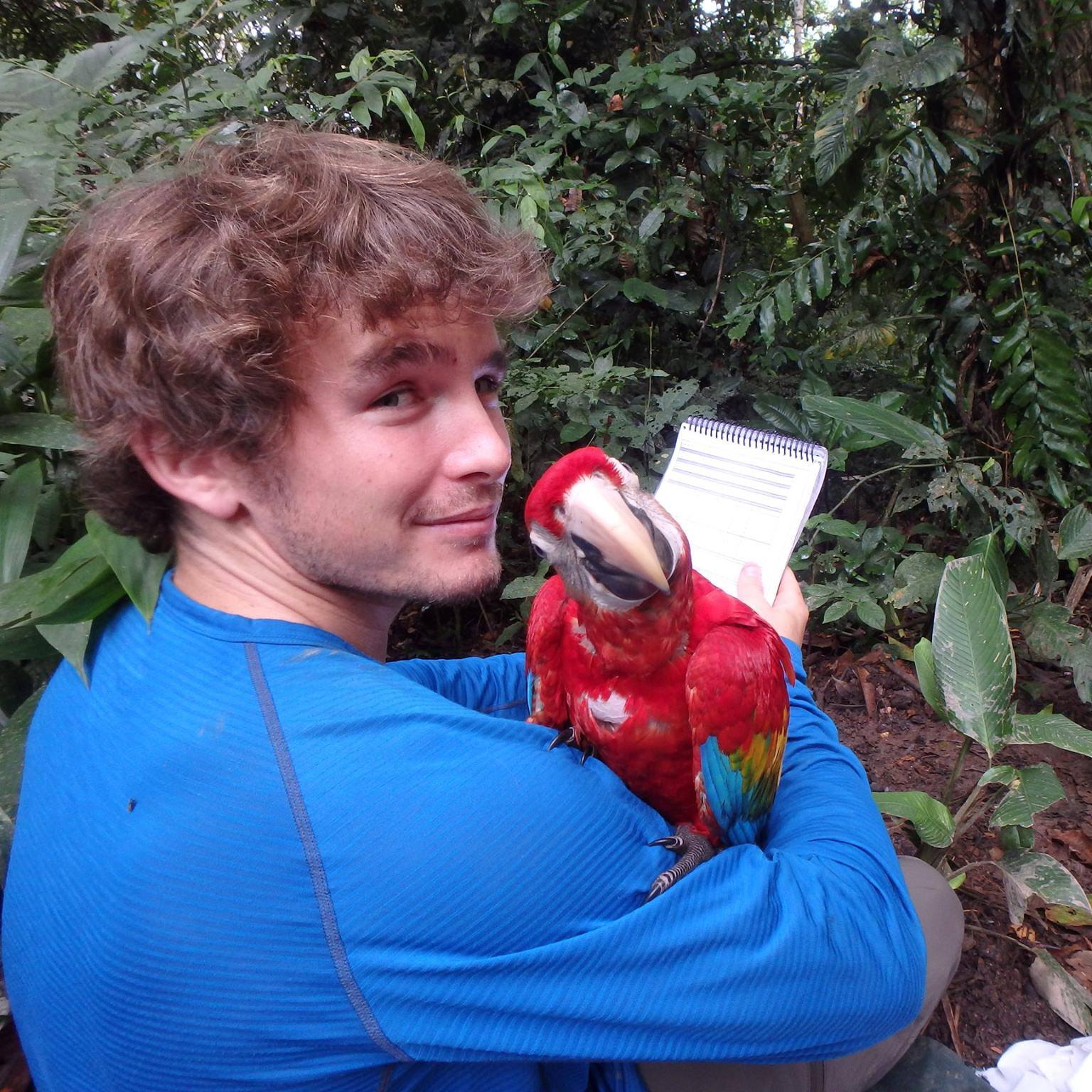
Tom Lloyd
- Postdoctoral Research Fellow, Global Ecosystems
- tom.lloyd@jcu.edu.au
Modelling Catchment Hydrology and Nutrient Fluxes to Forecast Cyanobacterial Blooms in In Ross River Reservoir
The project focuses on developing an integrated modelling framework for forecasting cyanobacterial blooms in tropical reservoirs. It combines surface water modelling (SWAT or similar) with groundwater modelling (MODFLOW or similar) to capture the coupled dynamics of catchment hydrology, nutrient transport, and reservoir inflows. These physical models are further integrated with remote sensing datasets and machine learning approaches (e.g., Random Forest, GNN, LSTM) to identify bloom drivers and improve prediction. Additionally, sub-seasonal to seasonal (S2S) climate forecasts are incorporated to extend predictive lead times, enabling an early warning system for effective reservoir and water quality management.
Development of Artificial Intelligence for Predicting Diabetic Foot Ulcers in Regional, Rural and Remote Areas: A Pilot Study
People living in regional, rural, and remote areas are many times more likely to have diabetic foot ulcer (DFU) due largely to late detection of the condition. We propose to develop an artificial intelligence (AI) model using clinical data and images to detect early DFU. Two hundred and fifty diabetes subjects aged >18 years with or without DFUs living in Townsville and Northwest HHSs will be studied in collaboration with JCU IT experts. The AI applications will be trained to select the strongest predictors to determine early occurrence of DFUs which will lead to possible reduction of limb amputations.
Advancing the Buchanan Dome Critical Minerals Project through advanced geological and metallurgical studies
This project is a Critical Minerals Trailblazer-supported collaboration between James Cook University and Strategic Metals Australia to advance Queensland's first major lithium-bearing pegmatite system, the Buchanan Dome Critical Minerals Project, toward commercial feasibility. The project will deliver the geological, mineralogical, and metallurgical knowledge required to de-risk the resource and define viable lithium extraction pathways, with the aim of integrating the project into a Queensland battery minerals supply chain. Key activities include structural mapping, lithium deportment studies, beneficiation testing, and battery-grade graphite production.
Advancing the Buchanan Dome Critical Minerals Project through advanced geological and metallurgical studies
This project is a Critical Minerals Trailblazer-supported collaboration between James Cook University and Strategic Metals Australia to advance Queensland's first major lithium-bearing pegmatite system, the Buchanan Dome Critical Minerals Project, toward commercial feasibility. The project will deliver the geological, mineralogical, and metallurgical knowledge required to de-risk the resource and define viable lithium extraction pathways, with the aim of integrating the project into a Queensland battery minerals supply chain. Key activities include structural mapping, lithium deportment studies, beneficiation testing, and battery-grade graphite production.
Closing the life-cycle of high-value Lysmata debelius shrimp in captivity
This project aims to enable captive breeding of the high-value ornamental shrimp Lysmata debelius, a species currently sourced exclusively from wild harvest. While demand remains strong, commercial aquaculture production has been constrained by low larval survival and prolonged development. Through a collaboration between James Cook University’s Aquaculture Breeding & Reproductive Technologies Lab, JCU’s Tropical Aquafeed Innovations Lab, and Monsoon Aquatics, the project will investigate how broodstock nutrition, larval feeding strategies, and hatchery management influence survival, development, and settlement. The outcomes will support practical, scalable life-cycle closure methods, reducing pressure on wild populations and strengthening Australia’s ornamental aquaculture capability.
Closing the life-cycle of high-value Lysmata debelius shrimp in captivity
This project aims to enable captive breeding of the high-value ornamental shrimp Lysmata debelius, a species currently sourced exclusively from wild harvest. While demand remains strong, commercial aquaculture production has been constrained by low larval survival and prolonged development. Through a collaboration between James Cook University’s Aquaculture Breeding & Reproductive Technologies Lab, JCU’s Tropical Aquafeed Innovations Lab, and Monsoon Aquatics, the project will investigate how broodstock nutrition, larval feeding strategies, and hatchery management influence survival, development, and settlement. The outcomes will support practical, scalable life-cycle closure methods, reducing pressure on wild populations and strengthening Australia’s ornamental aquaculture capability.
Sustainable use of tailings as land-fill and non-structural construction material - Phase 1 (Old ID 27170)
The central aim of the project is the assessment of blended residue from Townsville Energy Chemicals Hub (TECH) for sustainable use. Tailings can be processed to remove the acidic content or mixed with binder to become safe backfill or non-structural materials. TECH proposed to process annually 600,000 tons of high grenade Nickel and Cobalt ore. Phase 1 of the project will undertake physical, chemical, geotechnical and engineering strength tests on tailings from TECH to estimate the limits and to assess characteristics, including the acid-insoluble content of the tailings. The understanding will help to develop research in phase 2 and 3.
A global assessment of fisheries co-management
This project delivers a global assessment of fisheries co-management. It administers a structured survey to conservation practitioners and government officials working on fisheries co-management arrangements in coastal nations worldwide, recruited primarily through the Wildlife Conservation Society and WWF site networks, with broader outreach to practitioners in other NGOs and government agencies. The instrument captures governance characteristics, governance quality (effective, equitable, responsive, and robust), and perceived social and ecological outcomes. The work develops a typology of co-management systems and examines the conditions shaping their emergence, persistence, and impact, with findings disseminated through peer-reviewed synthesis articles.
Argument free clustering via boundary extraction for massive point-data Sets
- 2002
- Researchers:Ickjai Lee
Start Date:
01 Jan 2019
End Date:
01 Jan 2020
Start Date:
01 Jan 2008
Start Date:
01 Jan 2015
End Date:
01 Jan 2019
Start Date:
01 Jan 2019
Start Date:
01 Jan 2017
End Date:
01 Jan 2021
Start Date:
01 Jan 2006
Start Date:
01 Jan 2010
Start Date:
01 Jan 2024
Title:
Glenn Almany Memorial Prize
Start Date:
01 Jan 2021
Start Date:
01 Jan 2018