
College of Medicine & Dentistry

Poornima Roche
- Senior Lecturer-Clinical Skills
- poornima.roche@jcu.edu.au
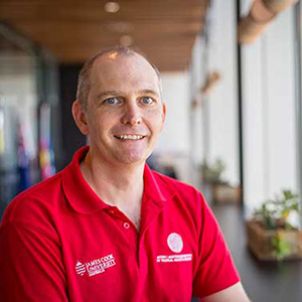
Aaron Hollins
- Head, School of Rural and Remote Health
- aaron.hollins@jcu.edu.au

Clare Heal
- Professor, General Practice and Rural Medicine
- clare.heal@jcu.edu.au

Nichole Harvey
- Academic Lead, Clinical Skills
- nikki.harvey@jcu.edu.au
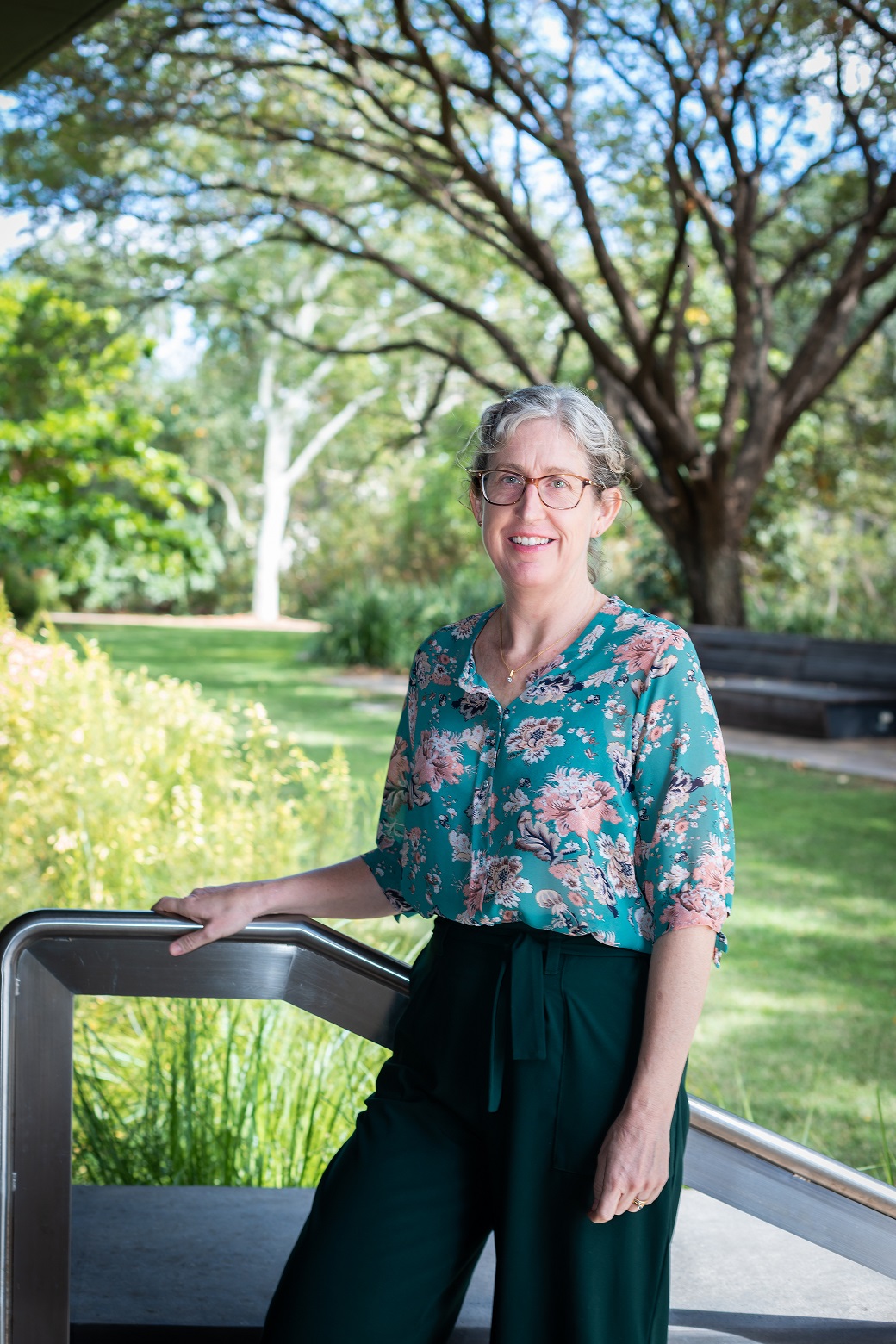
Kate Domett
- Professor
- kate.domett@jcu.edu.au

Sarah Larkins
- Dean, Medicine and Dentistry
- sarah.larkins@jcu.edu.au
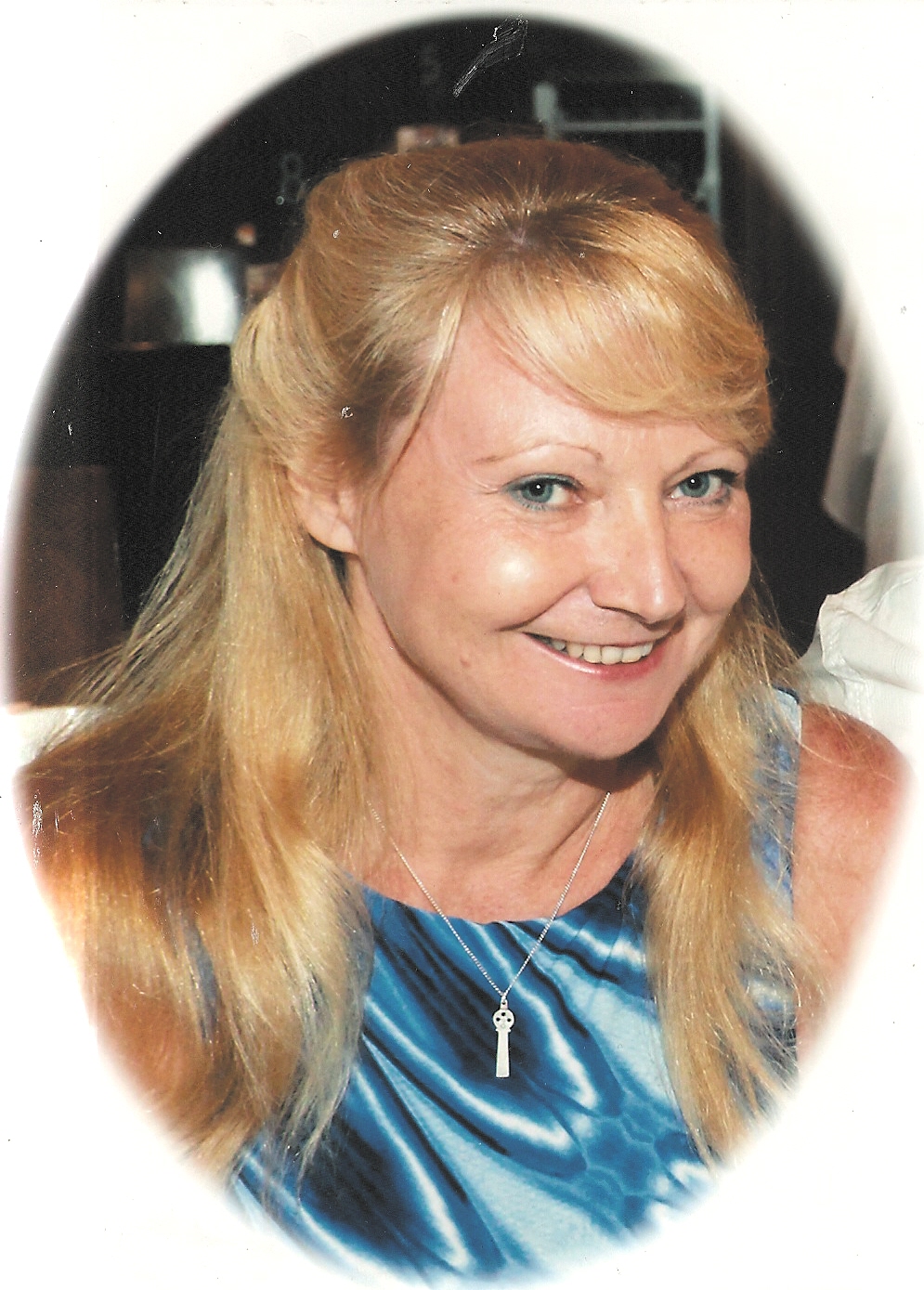
Margaret Jordan
- Senior Research Fellow
- margaret.jordan@jcu.edu.au
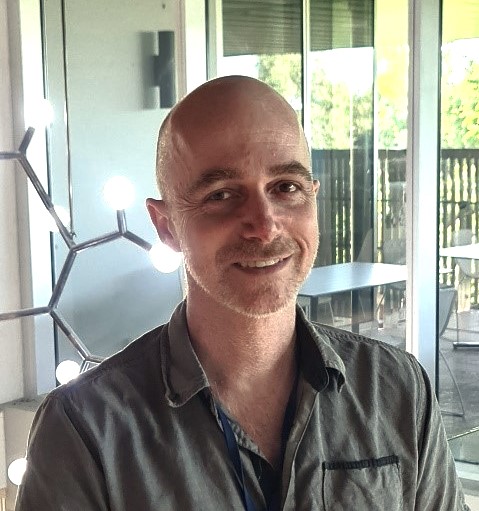
Patrick Schaeffer
- Associate Professor
- patrick.schaeffer@jcu.edu.au

Felicity Croker
- Adjunct Associate Professor
- felicity.croker@jcu.edu.au

Hung-Hsun Yen
- Senior Lecturer, Physiology
- hunghsun.yen@jcu.edu.au
Building Capacity for Periodontal Disease Management in the Kingdom of Tonga (Old ID 27558)
Periodontitis is an inflammation of the bone supporting teeth. It destroys the jawbone and is prevalent globally. Left untreated, it will lead to tooth loss and internal toxicity. It affects heart disease and diabetes. There is a lack of clinical capacity in Tonga to treat this. Local Dentists will be trained to assess, treat, and monitor this disease. The community will be screened, patients with the disease identified and then treated. Patients will be monitored by their dentists. The study findings will be shared with the local dental health administration and published in relevant journals for the global community.
'Let's get active at Dialysis', an Exercise Physiology led activity program at North Ward Haemodialysis centre (Old ID 23471)
This study will aim to answer the research question: Is exercise performed during dialysis sufficient to improve clinical outcomes of haemodialysis patients? The aim of the study is to measure the effect of progressive resistance training during dialysis on HD patients.
Discovering the Faecal Microbiome Associated with Pre-Term Birth (Old ID 25095)
Development of the pre-term gut microbiome is important for immediate and longer term health outcomes. Much of what is known about the infant and neonatal microbiome has been derived from healthy full term infants. Collecting and understanding the microbiome of the TTH NICU cohort would provide a unique insight into the microbial development and in pre-term babies admitted to the NICU. This information will provide further evidence for interventions currently undertaken in the NICU such as administration of probiotics to infants <32 weeks. This project supports evidence-based multidisciplinary research in a novel way to assess the neonatal microbiome development.
Rhetoric to Reality: how the governance of Aboriginal and Torres Strait Islander Health Workers impacts chronic disease prevention and care in Northern Australia (Old ID 26266)
This project will explore the governance arrangements that shape the work practices of Aboriginal and Torres Strait Islander Health Workers (A&TSIHW) in two government services in far North Queensland and the Northern Territory respectively. As the first systematic work relating to A&TSIHW governance the project aims to characterize both the formal and informal rules and norms that influence A&TSIHW roles, and develop new insights into the influence of different geographic, social and administrative structures on A&TSIHW performance. The outcomes are expected to support efforts to strengthen Indigenous health workforce planning across Northern Australia.
Low does of oral corticosteroids in the treatment of painful acute otitis externa (swimmer's ear) - A randomized controlled triple blind trial (Old ID 22836)
Otitis Externa is a frequent problem in the tropics. Pain and swelling often makes topical treatment difficult. A few practitioners use oral corticosteroids as an adjuvant therapy despite lack of evidence. This study aims to evaluate the effect of oral corticosteroids on painful otitis externa.
HART Yarning Circle Training (Old ID 27254)
The aim of this grant is to provide travel assistance to members of the Healthy Ageing Research Team living in the Torres Strait attend yarning circle training in Cairns provided by Professor Yvonne Cadet-James
Evaluation framework for community rehabilitation services in remote northern Australia. (Old ID 26761)
An evaluation framework for community rehabilitation services in northern Australia will be developed. In Stage 1, a guiding framework will be devised following a systematic literature review. In Stage 2, routinely collected data relevant to the framework will be identified through data scoping. In Stage 3 the framework will be refined using a modified Delphi consensus approach and in Stage 4, tested for data accuracy and to determine rules for application. Processes and outcomes responsive to Aboriginal and Torres Strait Islander communities will be prioritised. This evaluation framework will enable continuous quality improvement, benchmarking against national standards and evidence-informed investment.
Bringing Modern Genomics to the Management of Lung Cancer in Queensland (Old ID 23121)
Our project will overcome many of the issues slowing the implementation of cancer genomics and personalised medicine in the state, including (and where relevant, in partnership with the QGHA capability projects): • We will develop models of care covering all aspects from consent, sample collection and handling, genomic profiling, data analysis and reporting of both somatic and heritable variants, to enable clinical uptake. • We will develop education programs for health care workers and patients. • We will establish protocols for cancer genomics in Indigenous populations in consensus with Indigenous communities. • We will perform a comprehensive analysis of the performance of all aspects of the upgraded model of care and compare it with the current standard of care to identify areas for improvement, and to establish the case for its broader implementation. A system of performance analysis and systems improvement will be built into the care pathways developed, to ensure continuous service improvement beyond the life of this project.
Effect of angiopoietin 1 in a mouse model of ischemic stroke (Old ID 22799)
Stroke is the second biggest cause of mortality in Australia and has a huge socio-economic burden to the health care system. Our research aims to look at how cerebral ischemic stroke outcome can be improved. We aim to establish an animal model for cerebral ischemic stroke, explore the mechanism behind the reduction of a key protein after stroke and assess the effect this protein has in improving patient outcome. This research will provide a reproducible stoke model, establish whether our protein of interest can improve stroke outcome and help explain the mechanism behind the regulation of this protein.
Elucidating gene pathways and their interactive networks, important in Multiple Sclerosis (Old ID 27273)
Multiple Sclerosis (MS) is a chronic, debilitating diseases affecting young adults in Western society, particularly women in their child-bearing years. While we know that there is both a genetic and environmental component to the disease, we still do not know the cause and there is no cure. My research is to uncover knowledge on the genetics of disease to pinpoint targeted treatments, ensuring fewer side effects, and the hope to prevent disease in the future. This grant would provide seed funding to help develop a ground-breaking method and provide preliminary knowledge to attract funding for a more intensive study.
Regenerating lizard tails: A new model for investigating lymphangiogenesis
- 2003
- Researchers:Suzy Munns
Association of osteoprotegerin with human abdominal aortic aneurysm progression
- 2005
- American Heart Association
- Researchers:Jonathan Golledge
A simple plan: cnidarians and the origins of developmental mechanisms
- 2004
- Nature Publishing
- Researchers:David Miller
Start Date:
01 Jan 2015
End Date:
01 Jan 2016
Start Date:
01 Jan 1996
End Date:
01 Jan 2013
Start Date:
01 Jan 2022
Start Date:
01 Jan 2009
End Date:
01 Jan 2009
Start Date:
01 Jan 1999
End Date:
01 Jan 1999