
College of Business, Law & Governance
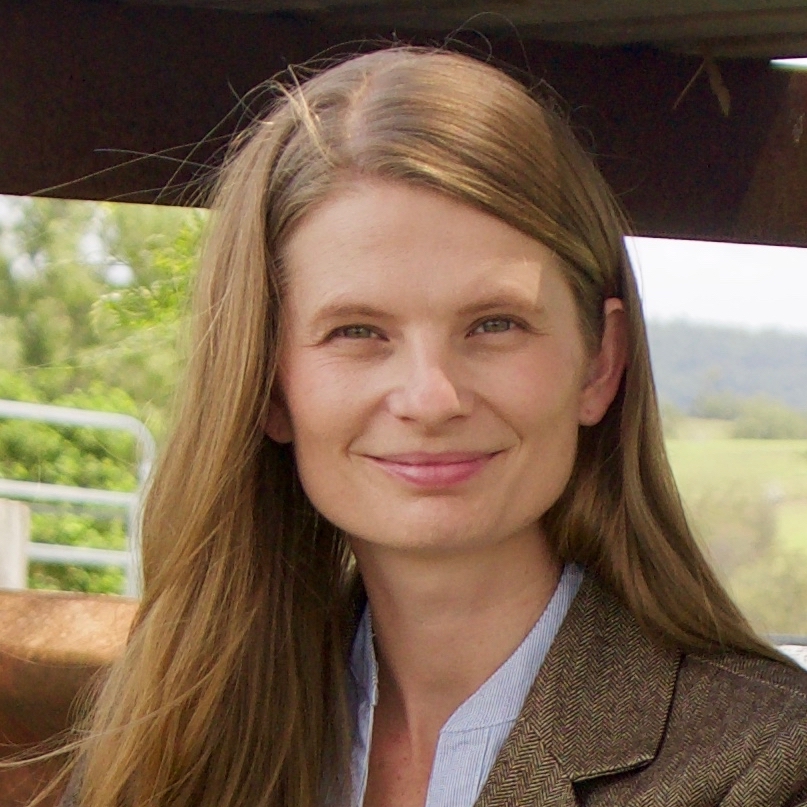
Carrie Wilson
- Senior Research Officer
- carrie.wilson1@jcu.edu.au

Louise Floyd
- Associate Professor
- louise.floyd@jcu.edu.au

Karnika Bansal
- Lecturer
- karnika.bansal@jcu.edu.au

Skye Zhu
- Lecturer, Financial Accounting/Auditing
- skye.zhu@jcu.edu.au

Diana Castorina
- Lecturer, Economics
- diana.castorina@jcu.edu.au
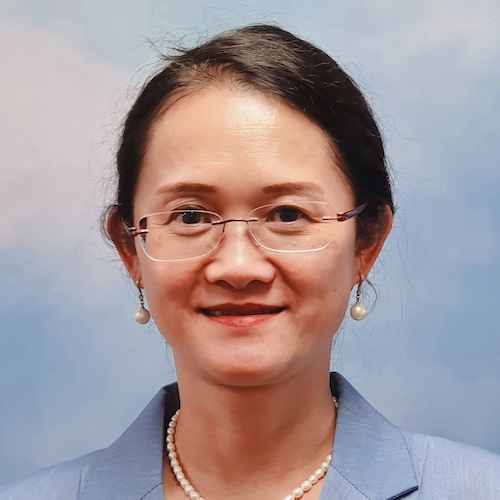
Zhanming Liang
- Professor, Health Systems Management & Policy
- zhanming.liang@jcu.edu.au
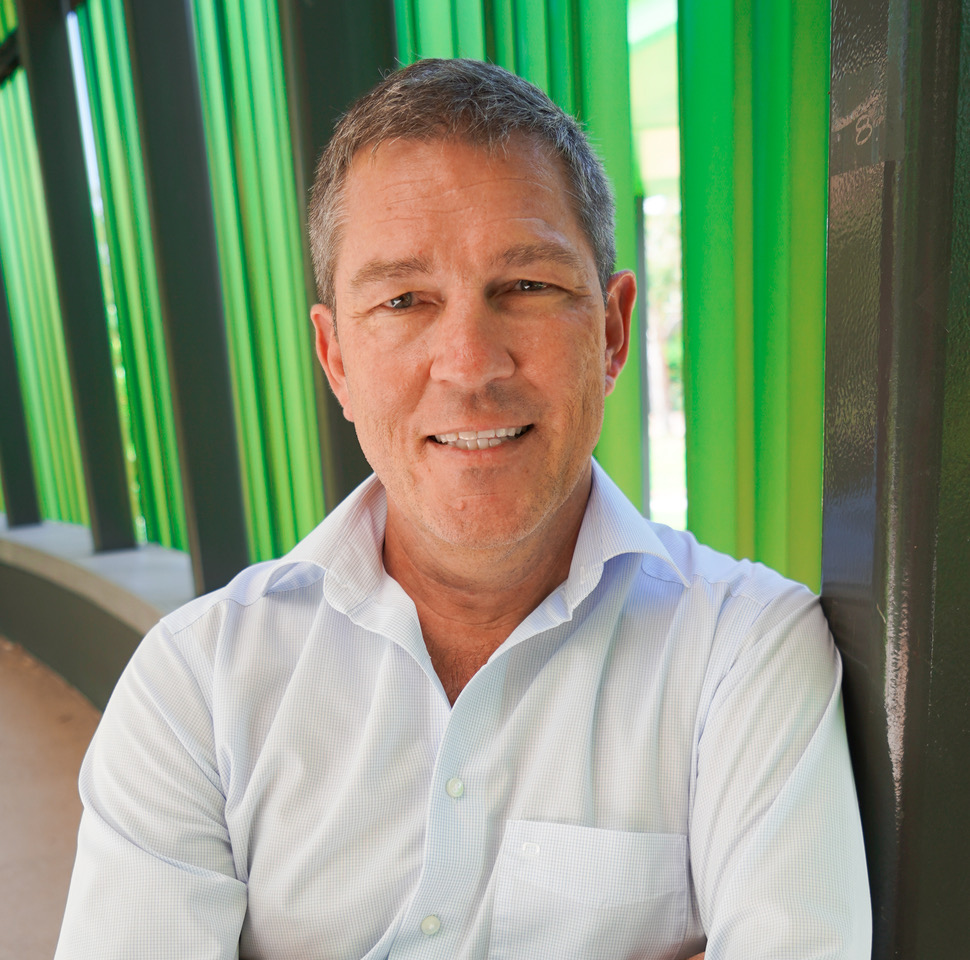
Siggi Gudergan
- Professor of Strategy
- siggi.gudergan@jcu.edu.au
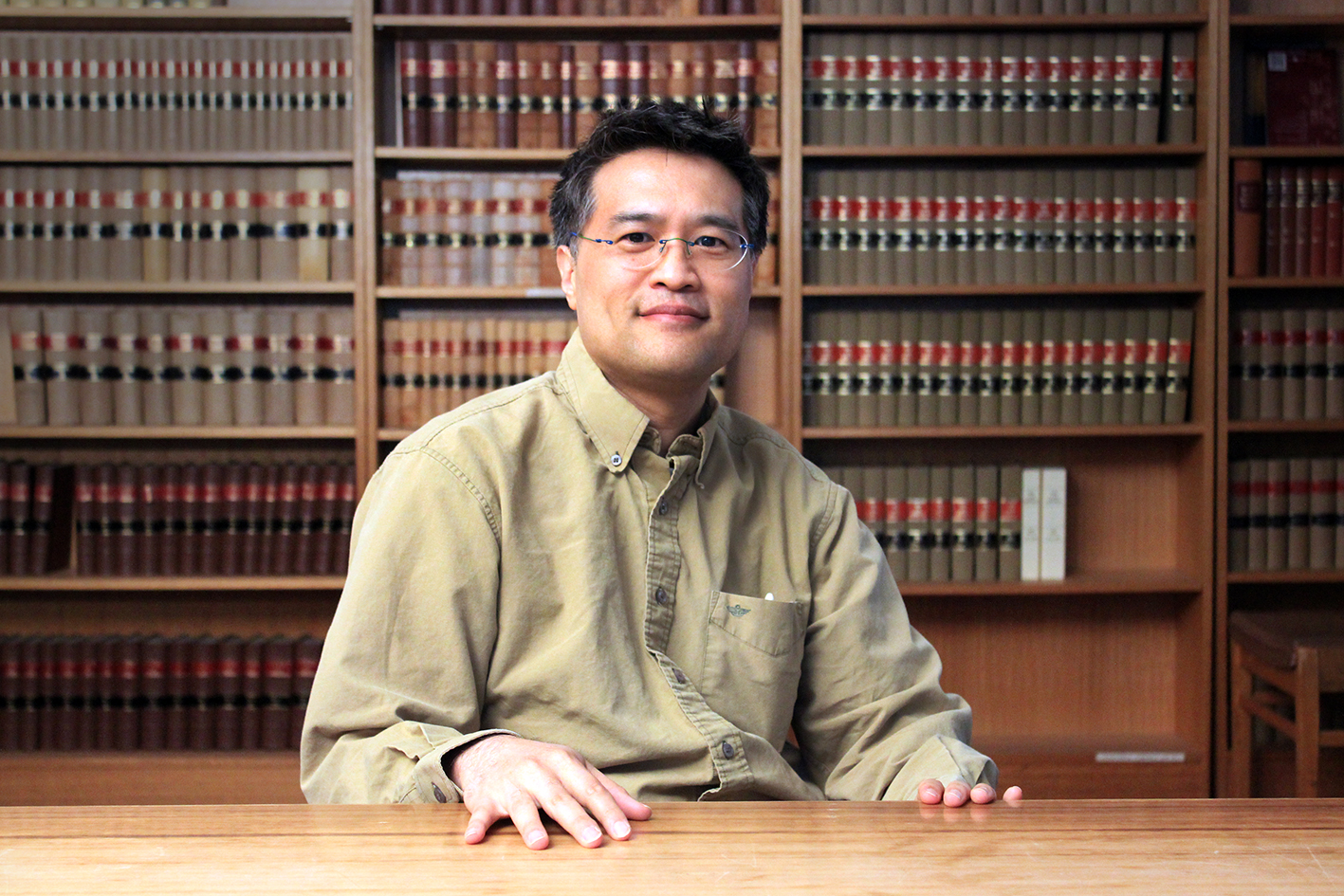
Barry Yau
- Lecturer, Law
- barry.yau@jcu.edu.au

Eijaz Khan
- Adjunct Senior Lecturer
- eijaz.khan@jcu.edu.au

Arusha Cooray
- Adjunct Professorial Research Fellow
- arusha.cooray@jcu.edu.au
Applying new technologies to enhance biosecurity and cattle quality. (Old ID 23456)
The vast natural environment of Northern Australia feeds the cattle industry; however, biosecurity threats have negatively impacted this. Conventional management of such threats such as weeds are not suited to such broad, harsh landscapes. The project will use an Internet of Things network with low-cost environmental sensors, drone mapping and big data analytics to develop and test data-driven, strategic pest management programs - ultimately improving both cattle industry and natural assets.
Drought and Heatwave Social Network Analysis
The project aims to complete a whole of network analysis to identify the structure and characteristics of drought and climate resilience actors (for example, programs and organisations that have a climate/drought/heatwave focus) to identify groups, clusters, or gaps within the network. The analysis will view through a dynamic lens to understand the dynamic nature of policy over time. Social Network Analysis is a powerful tool used to understand complex systems, identify key actors, to detect communities and investigate structural roles that can assist in the prediction of future interactions that will deliver upon the projects objectives.
Soil Extension through the Regional Soils Coordinator, TNQ Hub (Old ID 27529)
The funding will assist the TNQ Hub to carry out extension activities in line with National Landcare Program: Smart Farms Soil Extension Activities and support the National Soil Monitoring and Incentives Pilot Program to deliver a National Community of Practice to improve soil health and management. The Regional Soils Coordinator will support the Building Landcare Community and Capacity program to provide more effective, targeted, and integrated soil services that support land managers with practical tools and information to make better evidence-based management decisions for future growing seasons, including an increased uptake of soil testing and interpretation of results that lead to improved sustainable soil management practices. These projects outcomes contribute to the Australian Government National Soils Strategy, $214.9 million over 4 years.
Machine Learning for Structural Health Monitoring (Old ID 26289)
Structural health monitoring (SHM) is a developing technology but is still considered expensive by asset owners. However, SHM is on the verge of a massive technology disruption. Through the emergence of low-cost, high-performance sensors, the development of Internet of Things (IoT) communications and now deep-learning, Artificial Intelligence (AI) the SHM monitoring of buildings, bridges and other civil assets can now be realised. This project will attempt to build a prototype loT/ML based SHM system.
Building the capabilities of mid-level health service managers in leading and supporting the health workforce (Old ID 30050)
Building the capabilities of and empowering hospital mid-level managers in fulfilling their management responsibilities can improve quality care provision, maximise service efficiency and improve retention. Via an evidence-based process, the project will capture the strengths and identify weaknesses of mid-level managers and confirm factors that affect building such capabilities. The project will guide partner organisations in developing mechanism to tackle isolation and lack of support experienced by mid-level managers from widely- spread regional and rural locations, ultimate improving retention and resulting in better leadership to manage and support care managers and staff.
BeefVantage: AI-Powered Beef Agriculture Solution Hub (Old ID 31108)
The project is to develop a language-based AI-powered tool that will rapidly guide beef producers to relevant solutions to solve their on-farm problems. The BeefVantage interface efficiently connects farmers and their advisors to relevant solutions, swiftly navigating them through on-farm challenges for enhanced productivity and sustainable outcomes. First, by analysing domain-specific data, we aim to create a dataset that is pre-processed. This dataset will be used to fine-tune a Large Language Model, so that farmers and their advisors can enter queries (such as problems or challenges that they are facing), and the system will recommend solutions (such as AgTech products or relevant knowledge) for their consideration. The AI MVP will create value by revealing insights from existing data that have previously been missed, and help facilitate conversations between extension agents and producers, and ultimately provide a platform for beef producers to rapidly find solutions that are relevant to their situation and needs. Additionally, this system will help provide consistency in information provided by different extension officers/bodies, as it can be confusing for farmers when they receive differing advice from different advisors.
SENSOR-Q: Sensor data solutions (Old ID 21566)
The SENSOR-Q project brings together world leading technology from industry and academia - data management and analytics expertise from CoastalCOMS (CCOMS), telemetry solutions from Taggle Systems and sensor expertise from James Cook University (JCU), in order to develop a unique end-to-end water monitoring, analysis and management solution for Townsville City Council (TCC). The SENSOR-Q project combines a multi disciplinary collaborative team that aims to create an integrated data collection, storage, analysis and visualisation platform that can be implemented across a variety of applications and industry sectors, and so enable Queensland to more effectively participate in the big data economy.
Marine Science Data Services (Old ID 22126)
The objectives of the RDS project are to mature sustainable data services that deliver research outcomes and impact by: Refocusing of RDSI Infrastructure into Data as a Service in support of research communities with petascale data challenges. Secondly consolidating the linkages and alignments, where appropriate, with other Commonwealth-funded (NCRIS and Super Science) e-infrastructure investments.
Townsville Tourism Growth Initiative (Old ID 26634)
The aim of the Townsville Regional Visitor Survey would be to form a cooperative of regional tourism business to build a research tool that provides local tourism businesses and destination stakeholders with access to data on the profiles, preferences and satisfaction of visitors to the Townsville region. It would also provide specific information on the performance of tourism products and industry sectors within visitor markets. This localised information would be specific to the needs of Townsville businesses and would supplement the data collected through International Visitor Surveys/National Visitor Surveys from Tourism Research Australia.
Project 2.5: Evaluation of recreational fishing behaviour, use, values and motivations that relate to compliance. (Old ID 27771)
This project aims to inform the use of behavioural change interventions to support compliance of recreational fishers and boaters with regulations. It will deliver proof of concept tailoring of behaviour change to inform the practical design of interventions in case studies for further refinement, implementation and evaluation in subsequent research plans. The project will focus on recreational fishers and boaters in 2-3 case study locations, including the Great Barrier Reef Marine Park and within the newly designated Australian Marine Parks of Two Rocks Marine Park and Jurien Marine Park.
Analysing qualitative case study evidence: the case of management accounting research
- 2004
- Anmol Publications
- Researchers:Rafiuddin Ahmed
The semantic reef: managing complex knowledge to predict coral bleaching on the Great Barrier Reef
- 2007
- Researchers:Ian Atkinson
Start Date:
23 Jun 2021
Start Date:
26 Sep 2017
Start Date:
29 Jan 2021
Start Date:
06 Aug 2024
Start Date:
10 Jan 2019
Start Date:
03 Aug 2022
Start Date:
25 Sep 2017
Start Date:
01 Jan 2019
End Date:
01 Jan 2024
Start Date:
01 Jan 2017
End Date:
01 Jan 2017
Start Date:
01 Jan 2010
End Date:
01 Jan 2015