
Tropical Water & Ecosystems
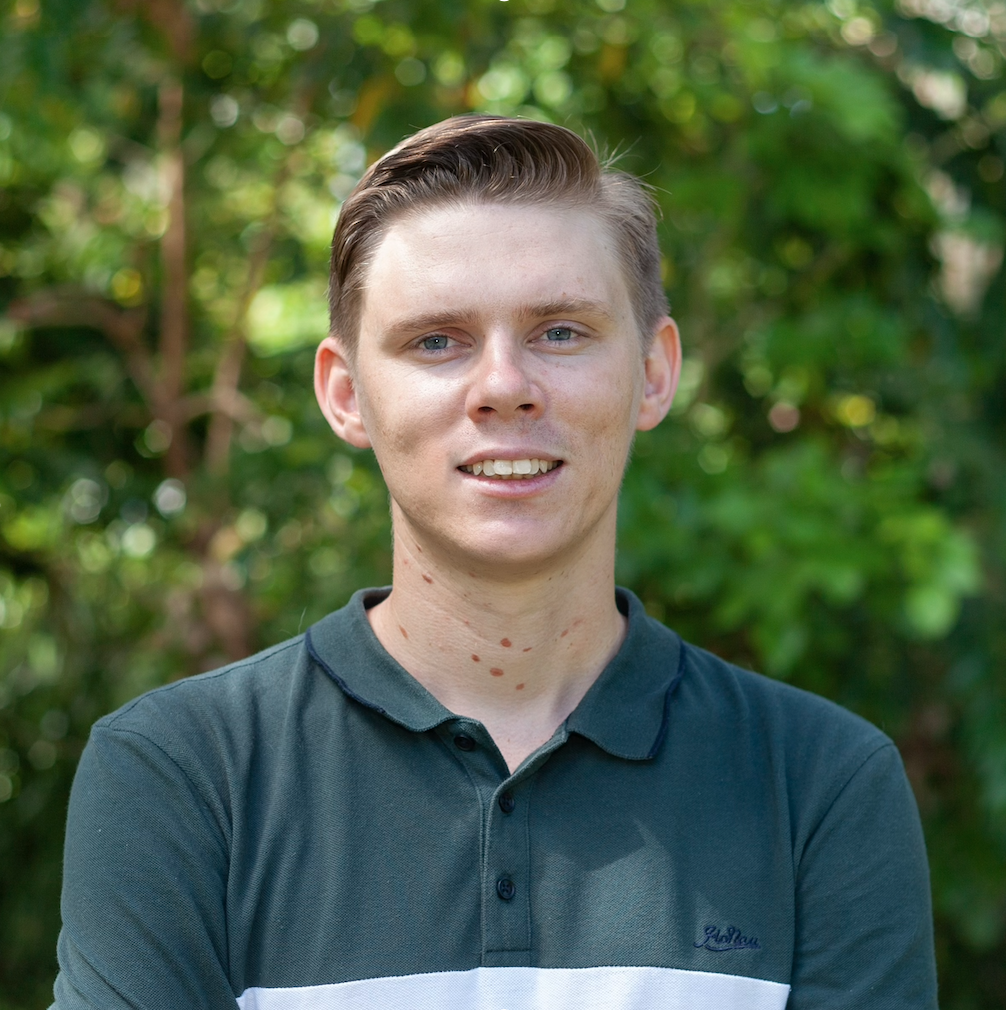
Scott Morrissey
- Research Officer
- scott.morrissey@jcu.edu.au
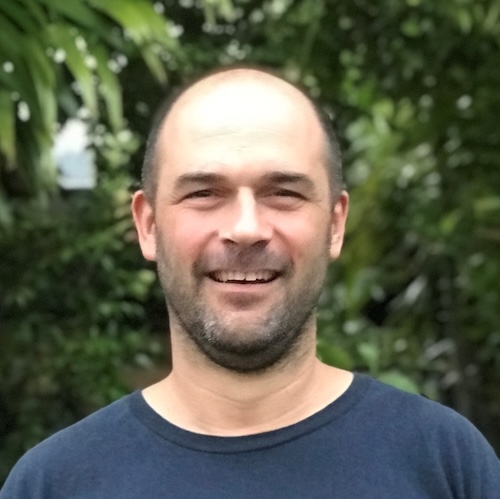
Tim Smith
- Senior Research Officer
- tim.smith2@jcu.edu.au
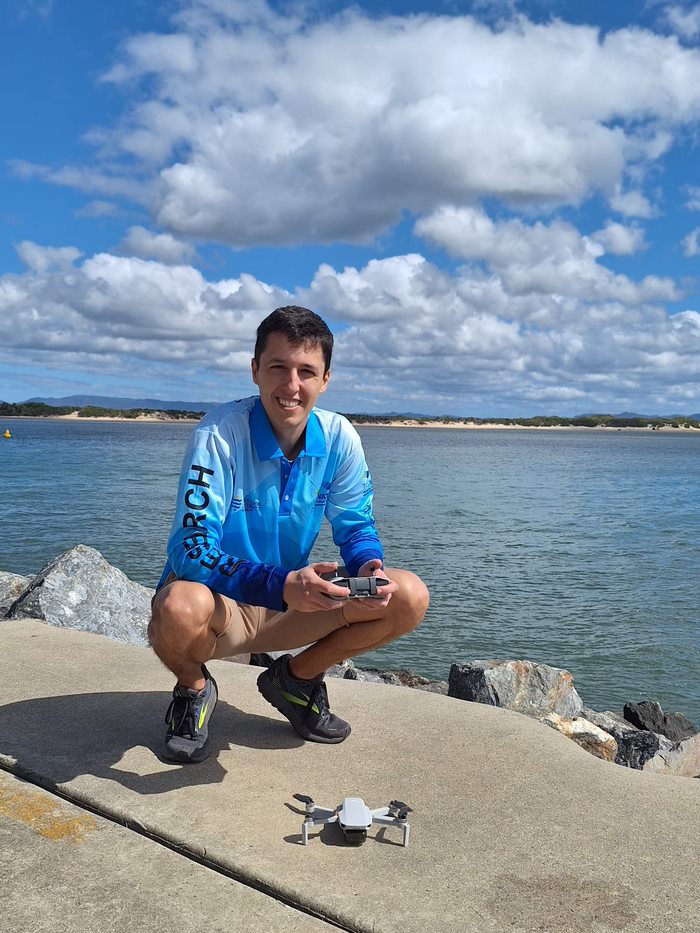
Alejandro Navarro Otero
- Casual Research Worker
- alejandro.navarrootero@jcu.edu.au
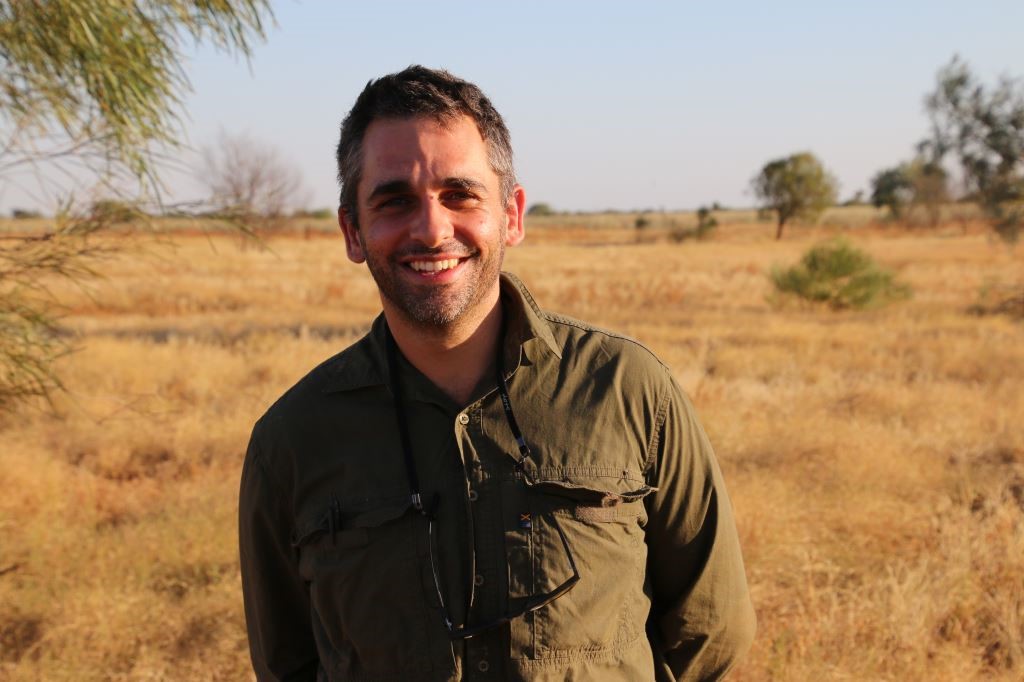
Jack Koci
- Principal Research Officer
- jack.koci1@jcu.edu.au
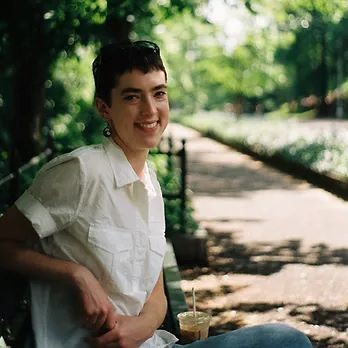
Sarah McDonald
- Senior Research Officer
- sarah.mcdonald@jcu.edu.au
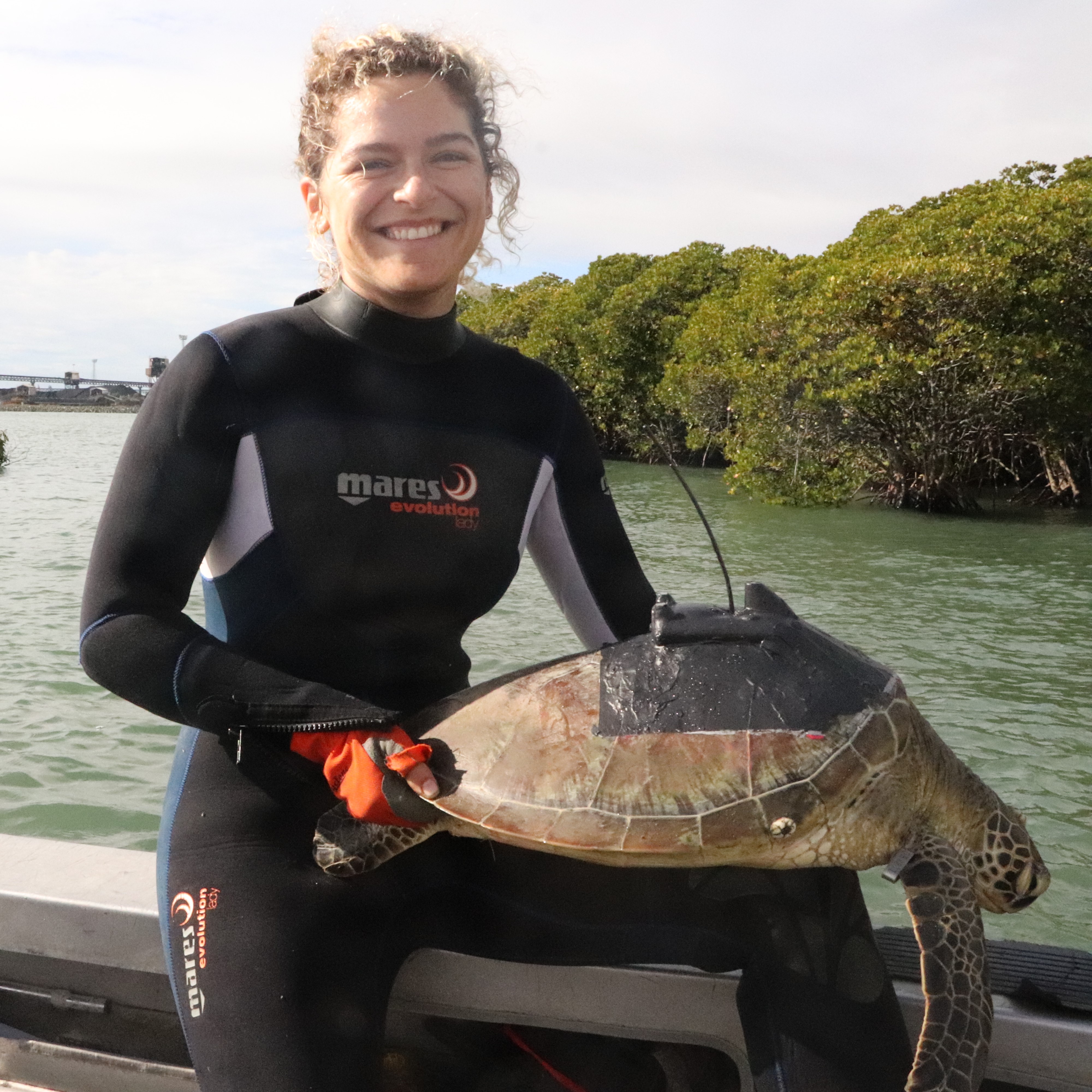
Emily Webster
- Research Officer
- emily.webster1@jcu.edu.au

Abbi Scott
- Senior Research Officer
- abbi.scott1@jcu.edu.au

Catherine Collier
- Principal Research Officer
- catherine.collier@jcu.edu.au

Rob Coles
- Principal Research Scientist
- rob.coles@jcu.edu.au

Aaron Davis
- Principal Research Officer
- aaron.davis@jcu.edu.au
Carbon sequestration value of mangroves (Old ID 25014)
Norm Duke
01 Apr 2018 - 31 Dec 2018
This project involves a field and laboratory investigation by Mackay Christian College Grade 11 students of the carbon storage potential of mangrove environments in the Pioneer River and Mackay region. Based on field sites established by Dr Duke around 15 years ago associated with an incident of severe mangrove dieback, the Senior Biology class students will collect and assess data from water sampling, field quadrates and laboratory samples. The sampling design will focus on carbon acquisition and changes over time. Some focus will also include a review of the current status of previously damaged mangrove strands. During the project, community stakeholders from local and state government plus educational and environmental conservation groups will be involved and informed as the project develops.
The Daintree's Hidden Coastline (Old ID 25049)
Norm Duke
01 May 2018 - 15 Dec 2018
This project involves community engagement in the monitoring and assessments of shoreline condition in the Daintree River estuary in North Queensland. The participants will work with JCU scientists to conduct shoreline evaluations and field surveys of forest mangrove forest biomass. These measures will identify the condition of tidal wetland habitat, the factors causing change, and the health of this major Wet Tropics river.
Baseline monitoring and evaluation of long-term impacts on fish stocks from coral restoration (Old ID 25137)
Ian McLeod
27 Aug 2018 - 30 Jun 2021
Most coral reefs in the Philippines and elsewhere in SE Asia are degraded or highly threatened by human activities, which jeopardises food security. Previous ACIAR funded projects have successfully re-established multiple breeding coral populations on highly degraded reefs. This project will assess the impact of these and scaled-up coral restoration projects on local fish populations.
Effectiveness of gully remediation in catchments draining to the Great Barrier Reef (Old ID 27084)
Jack Koci
23 Oct 2020 - 30 Jun 2021
Gully erosion is a globally significant land degradation problem and major contributor to poor water quality in the Great Barrier Reef (GBR) World Heritage Area. Gully rehabilitation can stabilise erosion and reduce downstream sediment yields, but the globally observed responses to rehabilitation are variable. This project will evaluate sediment yield and vegetation responses to several gully rehabilitation measures implemented in the Burdekin River catchment. The project will provide valuable new knowledge and understanding of the effectiveness of gully rehabilitation in savannah rangeland landscapes tributary to the GBR, and elsewhere in the world.
Desk-based feasibility assessment of using satellite images to detect and track the large dugong groups (> 100 dugongs) around Hawar Islands
Christophe Cleguer
01 Feb 2024 - 01 Jul 2024
The services will be primarily focused on conducting desk-based feasibility assessment of using satellite images to detect and track the large dugong groups (> 100 dugongs) around Hawar Islands through performing the following tasks in close coordination with the local specialists designated by the Centre:
(1) • Review and considerations for the use of satellite imagery to detect marine mammals: challenges in detecting small-bodied marine mammals using satellite images
(2) Case study: using drone aerial footage of dugong herds from Exmouth Gulf (Australia) and drone and satellite imagery (readily available and free) from Bahrain to assess the feasibility of detecting dugong herds in satellite imagery.
(1) Case study: using aerial footage of dugong herds from Exmouth Gulf (Australia) and Bahrain to assess the feasibility of detecting dugong herds in satellite imagery.Evaluate available and accessible large dugong group aerial footage across their range (e.g., Arabian Gulf and Australia) to calibrate with satellite imagery.
Performance of the services outlined in (2) by the Second Party is subject to the First Party providing the Second Party with all required drone and aerial imagery from Bahrain at least one calendar month before the due date for the final report
Gunggandji-Mandingalbay Yidinji Prescribed Body Corporate – L&S GBR Grant Program: GMY Sea Country Project: Creating healthy sea country through building partnerships, connections, and capacity
Skye McKenna
23 Jan 2024 - 31 Jul 2025
This project will continue to build Gunggandji and Mandingalbay Yidinji Rangers capacity, skills and leadership to empower them to connect, care for, enhance and implement on-ground activities in our Sea Country and the GBR that specifically contribute to monitoring, improving and protecting the health and resilience of important habitats and culturally and environmentally significant threatened species, and guide future management of environmental cultural heritage associated with the GBR.
Best practice coral restoration for the Great Barrier Reef (Old ID 24990)
Ian McLeod
01 Jan 2018 - 10 Dec 2020
Great Barrier Reef (GBR) continues to degrade, pressure is growing for direct interventions to assist the recovery of corals at important sites. This project will (1) summarise and evaluate the success of coral restoration and assisted recovery techniques worldwide (2) identify the techniques most likely to help the GBR and experimentally test the most promising techniques, (3) come up with best practices for post-impact coral reattachment and reorientation and (4) explore options for training courses, offset models and Indigenous employment.
Future proofing and restoring Australia’s tropical seagrasses (Old ID 27805)
Michael Rasheed
01 Jan 2023 - 31 Dec 2026
This project aims to develop and apply a comprehensive framework for restoration of Australian tropical seagrasses using innovative approaches and partnerships. The project expects to provide coastal managers with tools to mitigate and restore seagrass to minimise effects of climate and development related loss, protecting ecosystem services measured in hundreds of millions of dollars. Expected outcomes include new techniques for tropical seagrass restoration, a blueprint for seagrass friendly marine infrastructure, and restoration decision tools applied at local and regional scales. This will provide significant benefits by protecting seagrass ecosystem services and place Australia at the forefront of global seagrass restoration efforts.
Monitoring Survival and Recovery of Shorelines. (Old ID 21926)
Norm Duke
31 Oct 2014 - 31 Aug 2022
This project is to assess and monitor the health of tidal wetlands (mangroves, salt marsh and saltpans) in the Port Curtis and Port Alma areas. These Port locations have been subject to dredging and other activities associated with intensive port infrastructure development. The project will provide a baseline against which future changes can be referenced. It will include high resolution and NDVI mapping of tidal wetlands, shoreline condition assessment using oblique aerial image acquisition and boast-based horizontal image acq1uisition as well the establishment of public entry data and image access portals to display the results of this mapping. The use of community and in particular indigenous Australian rangers will also be incorporated into the field components of this project.
Improving coral condition through better-informed resilience-based management (Old ID 26962)
Catherine Collier
01 Jan 2020 - 10 Dec 2020
Resilience-based management and integrated monitoring and reporting through the Reef Integrated Monitoring and Reporting (RIMRep) program are key initiatives for managing the Great Barrier Reef (GBR) ecosystem. A wide range of NESP TWQ Hub projects have focused on resilience-based management and decision making for maintaining and improving coral reef condition in the GBR. These projects directly contribute to the goals outlined in the Great Barrier Reef Blueprint for Resilience (2017) and support the development of RIMRep. Many of these research investments are in direct response to the 2016-17 mass thermal bleaching events. This synthesis will bring together the learnings of many research projects and initiatives driven by the same goals into a succinct coherent story.
Long distance (>20 km) downstream detection of endangered stream frogs suggests an important role for eDNA in surveying for remnant amphibian populations
- 2021
- PeerJ, Ltd.
- Researchers:Cecilia Villacorta RathConrad HoskinJan Strugnell
Development of an effective cryopreservation protocol for Blue Catfish oogonia
- 2021
- Taylor & Francis
- Researchers:Jaelen Myers
Start Date:
01 Jan 2009
End Date:
01 Jan 2026
Start Date:
01 Jan 2009
End Date:
01 Jan 2030
Start Date:
01 Jan 2014
End Date:
01 Jan 2030
Start Date:
01 Jan 2021
End Date:
01 Jan 2025
Start Date:
01 Jan 1981
End Date:
01 Jan 1984
Start Date:
01 Jan 1986
End Date:
01 Jan 1988
Start Date:
01 Jan 1973
End Date:
01 Jan 1973
Start Date:
01 Jan 2024
Start Date:
01 Jan 2022
End Date:
01 Jan 2023
Title:
Conference co-chair
Start Date:
01 Jan 2023
End Date:
01 Jan 2023