
Tropical Water & Ecosystems
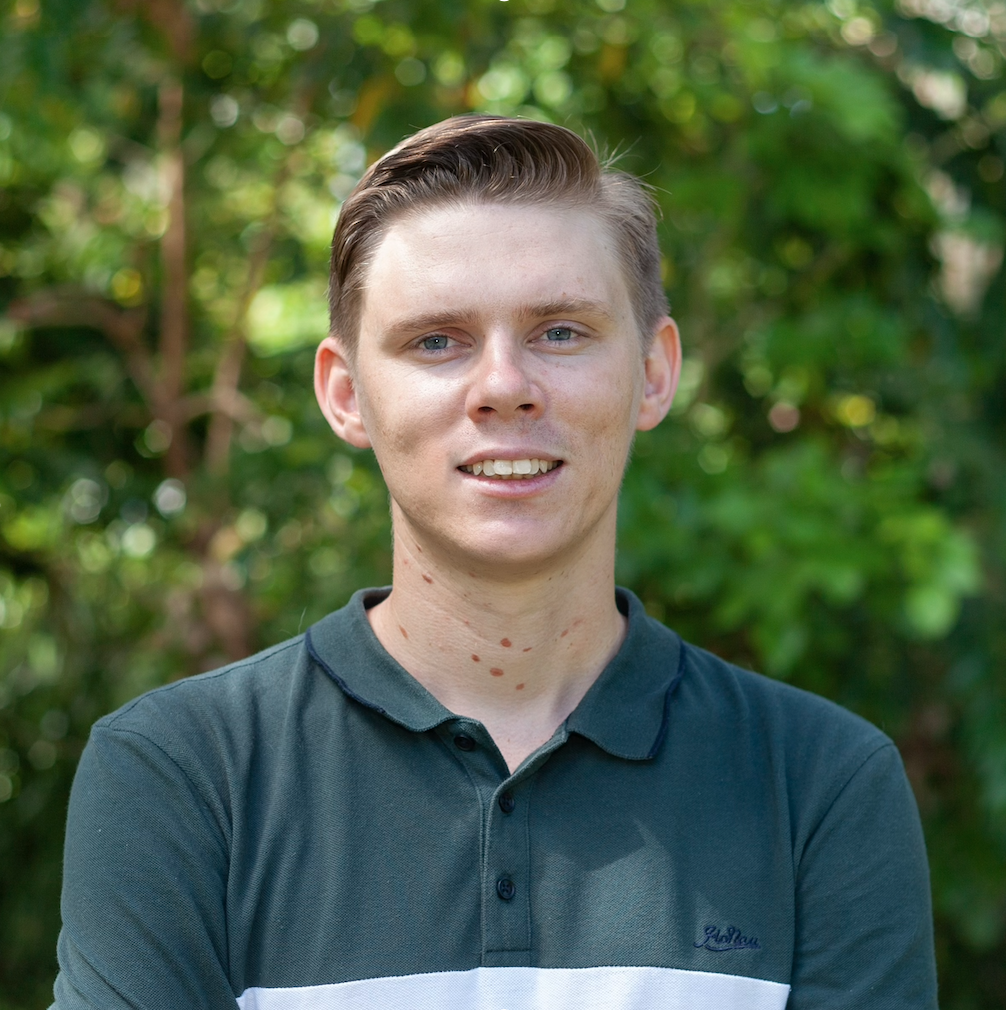
Scott Morrissey
- Research Officer
- scott.morrissey@jcu.edu.au
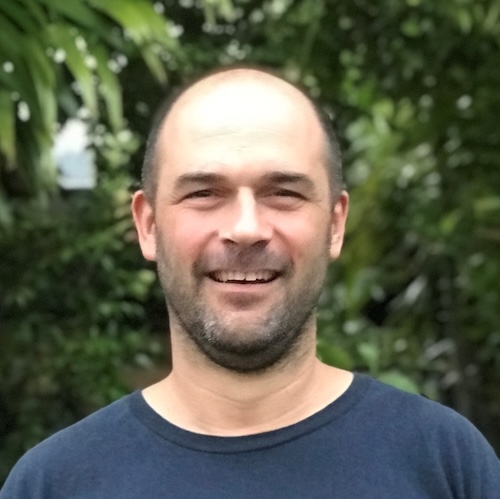
Tim Smith
- Senior Research Officer
- tim.smith2@jcu.edu.au
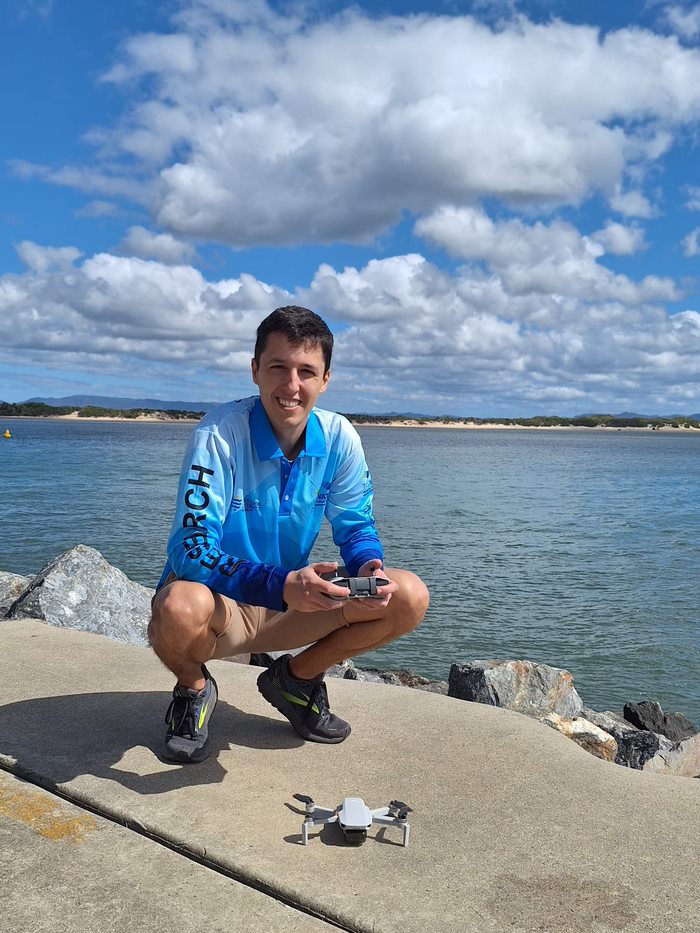
Alejandro Navarro Otero
- Casual Research Worker
- alejandro.navarrootero@jcu.edu.au
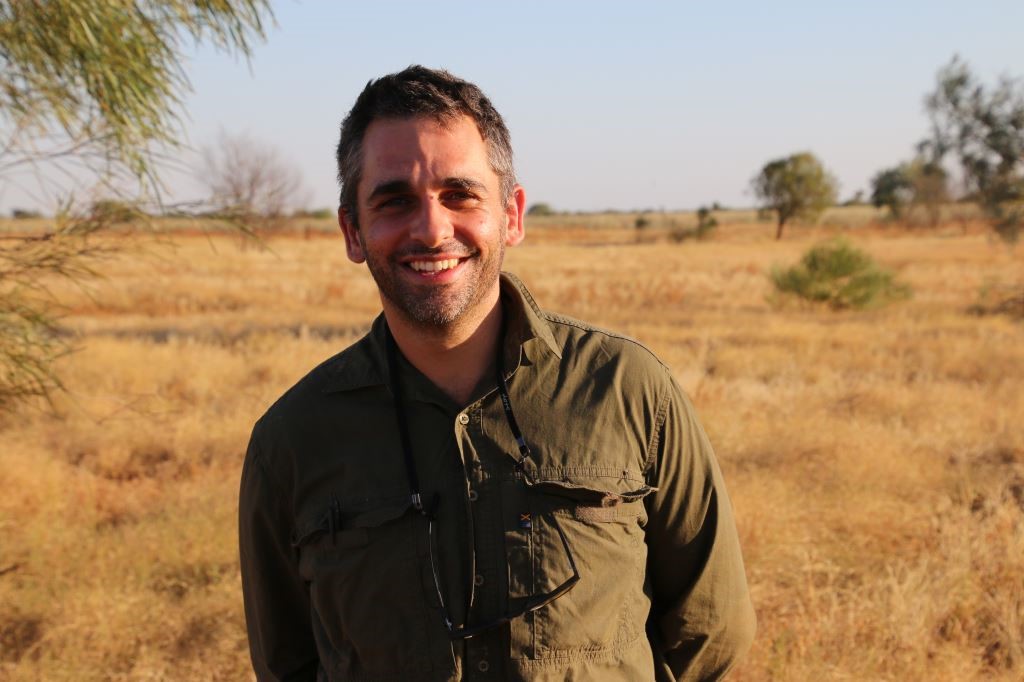
Jack Koci
- Principal Research Officer
- jack.koci1@jcu.edu.au

Sarah McDonald
- Senior Research Officer
- sarah.mcdonald@jcu.edu.au
Emily Webster
- Research Officer
- emily.webster1@jcu.edu.au

Abbi Scott
- Senior Research Officer
- abbi.scott1@jcu.edu.au

Catherine Collier
- Principal Research Officer
- catherine.collier@jcu.edu.au

Rob Coles
- Principal Research Scientist
- rob.coles@jcu.edu.au

Aaron Davis
- Principal Research Officer
- aaron.davis@jcu.edu.au
Expanding Traditional Owner led seagrass monitoring and restoration – Woppaburra TUMRA
Len McKenzie
21 May 2025 - 31 Mar 2026
This project aims to build seagrass assessment and restoration capacity and identify seagrass cultural values within Woppaburra TUMRA Sea Country and communities. JCU will work with Woppaburra TUMRA Aboriginal Corporation and rangers to:
• synthesize and collate all existing seagrass mapping data. These data will identify seagrass mapping gaps and will inform further seagrass monitoring and restoration activities.
• build capacity of Rangers to conduct seagrass assessments.
• map Sea Country using drones and dropcameras, for areas identified as needing mapping.
Improving land condition across north-west Queensland to boost productivity, build climate resilience and increase biodiversity
Jack Koci
15 Jul 2024 - 30 Jun 2028
Across the Southern and Northern Gulf region of north-west Queensland, there are many thousands of hectares of land in poor condition. Land that is in poor condition is less productive and therefore profitable, more susceptible to severe impacts from extreme climate events (e.g., floods and droughts), has a lower capacity to sequester and store carbon, and negatively impacts other ecosystem services (e.g., biodiversity and water quality). The overarching aim of the project is to build resilience in Southern and Northern Gulf rangeland production systems through improving land condition. To achieve improved land condition across the region, the project will work directly with land managers to implement on-ground land management practice changes and/or remediation treatments. The effectiveness of these interventions will be rigorously monitored and evaluated. Key learnings and outcomes will be passed on to the other landholders, NRM groups, Government extension staff and researchers through demonstration sites, field days, communications materials, scientific publications, and capacity building events. Overall, the project will provide much needed new knowledge, information, data, tools, and capacity to boost productivity, build climate resilience, and facilitate access to emerging environmental markets across north-west Queensland, and other parts of northern Australia.
McKenna Maternity Funding for Research Assistant (Old ID 23436)
Skye McKenna
12 Jun 2017 - 30 Apr 2018
Maternity funding to employ a research assistant to assist Senior Researcher whilst on maternity leave to maintain research progress.
Assessing impacts of extreme events on inshore coastal habitats in the northern Great Barrier Reef
Adam Canning
01 Sep 2024 - 30 Jun 2027
This project aims to assess the impacts of Tropical Cyclone Jasper and associated flooding on inshore coastal habitats (i.e. mangroves, seagrass, coral) in the northern GBR. This project will provide a current consolidated asset assessment that will be compared against previous monitoring/assessment data to determine any impacts of TC Jasper. This will be achieved through high-resolution imagery, rapid on-ground aerial surveys, subtidal surveys using underwater camera systems, and consolidating other available information (i.e., anecdotal/private records). Understanding the impact of TC Jasper on inshore coastal habitats is essential as extreme climate events can cause significant and enduring changes to the condition and resilience of critical habitats of key species, such as dugongs and turtles.
A Toolkit for Ranger-Led Seagrass Monitoring in Northern Australia Sea Country 5.2
Alexandra Carter
01 Feb 2025 - 20 Nov 2026
Monitoring of key habitats is increasingly being led by Indigenous Ranger groups. It is important that this information, across the whole of northern Australia, is collected in a reliable and consistent manner. Our project will develop a robust framework for monitoring seagrass habitats across northern Australia, ensuring consistent and reliable data collection to support conservation and management efforts. By partnering with Indigenous rangers, researchers, and local filmmakers, we will co-create visually engaging training materials and establish a monitoring decision-making framework tailored to diverse Sea Country environments, ranger resources, and monitoring questions. This research is crucial for managing culturally and economically significant species like dugongs and green turtles, aligning with national priorities and the NESP2 guidelines by promoting Indigenous-led conservation efforts and enhancing environmental data quality.
A Toolkit for Ranger-Led Seagrass Monitoring in Northern Australia Sea Country 5.2
Caitlin Smith
01 Feb 2025 - 20 Nov 2026
Monitoring of key habitats is increasingly being led by Indigenous Ranger groups. It is important that this information, across the whole of northern Australia, is collected in a reliable and consistent manner. Our project will develop a robust framework for monitoring seagrass habitats across northern Australia, ensuring consistent and reliable data collection to support conservation and management efforts. By partnering with Indigenous rangers, researchers, and local filmmakers, we will co-create visually engaging training materials and establish a monitoring decision-making framework tailored to diverse Sea Country environments, ranger resources, and monitoring questions. This research is crucial for managing culturally and economically significant species like dugongs and green turtles, aligning with national priorities and the NESP2 guidelines by promoting Indigenous-led conservation efforts and enhancing environmental data quality.
Mapping Sea Country & Investigating Conservation and Restoration Opportunities along the Kakadu Coast & Garig Gunak Barlu National Park
Alexandra Carter
01 Mar 2025 - 20 Nov 2026
This project addresses the need for contemporary biodiversity and habitat data in the Garig Gunak Barlu National Park (Cobourg Peninsula) and coastal Kakadu National Park, essential for effective Sea Country planning and management. Successful co-management of protected areas requires strong support from the government to enable local communities to have autonomy in decision-making to benefit both the environment and livelihoods. The research focuses on a two-way knowledge transfer process to integrate Western science and Traditional Owners' knowledge to improve knowledge on the extent, condition, and biodiversity of coastal ecosystem habitats under current management and threats. This will empower Traditional Owners to make informed decisions on managing their coastal ecosystems, including restoration opportunities under emerging environmental markets, to improve the resilience of coastal communities and ecosystems under environmental changes while enhancing livelihoods.
To achieve this, researchers will collaborate with Traditional Owners to map coastal habitats, assess the biodiversity of coastal habitats, and evaluate environmental changes due to sea level rise and feral ungulate impacts. Outputs include co-authored publications, visually engaging materials, and a co-designed mapping project. Outcomes include better management of Kakadu National Park and Cobourg Peninsula by empowering Traditional Owners with enhanced knowledge that they can use to make on-ground decisions that benefit their communities and biodiversity conservation. This collaboration ensures that Traditional Owners' perspectives guide the management and preservation of culturally significant sites while exploring socio-economic opportunities in emerging environmental markets.
Dugong Sanctuary seagrass survey
Alexandra Carter
19 Jun 2025 - 31 May 2027
The Dugong Sanctuary in Western Torres Strait contains critical seagrass habitat and food for green turtle and dugong. Dramatic seagrass declines were recorded by Western Cluster Rangers in subtidal seagrass monitoring sites in this region in 2019-2020, which triggered an extensive survey of the northern Dugong Sanctuary in December 2020 and southern Dugong Sanctuary in 2021. Both surveys confirmed widespread loss of seagrass since the first comprehensive survey of the Dugong Sanctuary in 2009. The meadow contained large patches of bare sediment, and the loss of high biomass and relatively stable species, indicating a large-scale disturbance. Ranger-led monitoring since then has demonstrated some recovery of subtidal seagrass at Orman Reefs, but seagrass condition in the Dugong Sanctuary remains very poor. This project will survey the Dugong Sanctuary in 2025 to evaluate seagrass condition, and identify potential additional locations for establishing additional Ranger-led monitoring in the Sanctuary.
Dugong Sanctuary seagrass survey
Alexandra Carter
19 Jun 2025 - 31 May 2027
The Dugong Sanctuary in Western Torres Strait contains critical seagrass habitat and food for green turtle and dugong. Dramatic seagrass declines were recorded by Western Cluster Rangers in subtidal seagrass monitoring sites in this region in 2019-2020, which triggered an extensive survey of the northern Dugong Sanctuary in December 2020 and southern Dugong Sanctuary in 2021. Both surveys confirmed widespread loss of seagrass since the first comprehensive survey of the Dugong Sanctuary in 2009. The meadow contained large patches of bare sediment, and the loss of high biomass and relatively stable species, indicating a large-scale disturbance. Ranger-led monitoring since then has demonstrated some recovery of subtidal seagrass at Orman Reefs, but seagrass condition in the Dugong Sanctuary remains very poor. This project will survey the Dugong Sanctuary in 2025 to evaluate seagrass condition, and identify potential additional locations for establishing additional Ranger-led monitoring in the Sanctuary.
What's really damaging the Reef? Tracing the origin and fate of the environmentally detrimental sediment and associated bioavailable nutrients (Old ID 26391)
Stephen Lewis
01 Jan 2019 - 10 Dec 2020
Recent research has shown that only a portion of the fine sediment fraction delivered from rivers draining into the Great Barrier Reef Lagoon (GBRL) reaches coral reefs and seagrass meadows. The specific sources of this sediment, which affects the health of corals and seagrasses, are as yet unresolved. This project will, for the first time characterise and trace the origin(s), fate and nutrient bioavailability of this environmentally detrimental sediment using samples collected in flood plumes and during resuspension events. This will enable direct spatial targeting of the sources of this material to achieve maximum benefits to GBR health from catchment management actions.
Prospects for seascape repair: three case studies from eastern Australia
- 2019
- Wiley-Blackwell
- Researchers:Ian McLeod
Toward a coordinated global observing system for seagrasses and marine macroalgae
- 2019
- Frontiers Research Foundation
- Researchers:Helene MarshLen McKenzie
Coral reef habitats and their influence on reef assemblages
- 2019
- CSIRO Publishing
- Researchers:Maya Srinivasan
High variability of Blue Carbon storage in seagrass meadows at the estuary scale
- 2020
- Nature Publishing Group
- Researchers:Paul YorkMichael Rasheed
Start Date:
01 Jan 2009
End Date:
01 Jan 2026
Start Date:
01 Jan 2009
End Date:
01 Jan 2030
Start Date:
01 Jan 2014
End Date:
01 Jan 2030
Start Date:
01 Jan 2021
End Date:
01 Jan 2025
Start Date:
01 Jan 1981
End Date:
01 Jan 1984
Start Date:
01 Jan 1986
End Date:
01 Jan 1988
Start Date:
01 Jan 1973
End Date:
01 Jan 1973
Start Date:
01 Jan 2024
Start Date:
01 Jan 2022
End Date:
01 Jan 2023
Title:
Conference co-chair
Start Date:
01 Jan 2023
End Date:
01 Jan 2023