
Tropical Water & Ecosystems
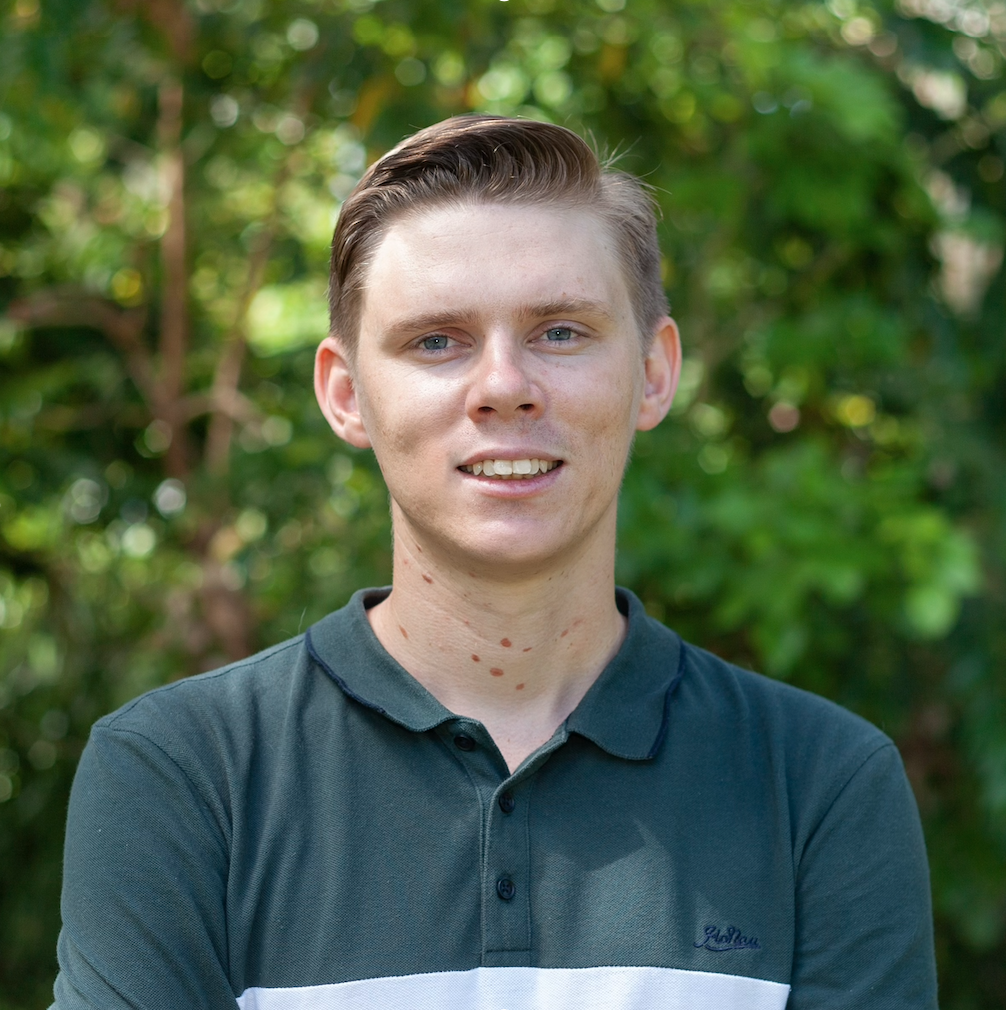
Scott Morrissey
- Research Officer
- scott.morrissey@jcu.edu.au
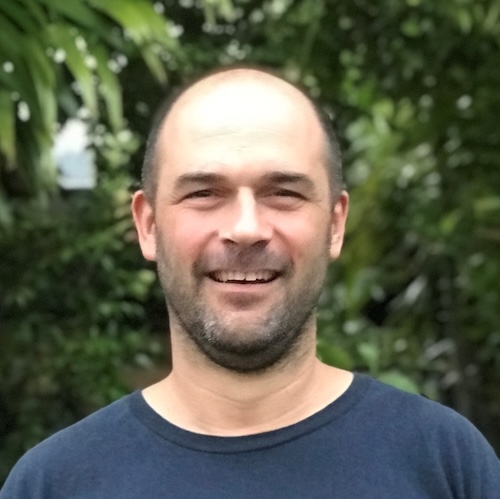
Tim Smith
- Senior Research Officer
- tim.smith2@jcu.edu.au
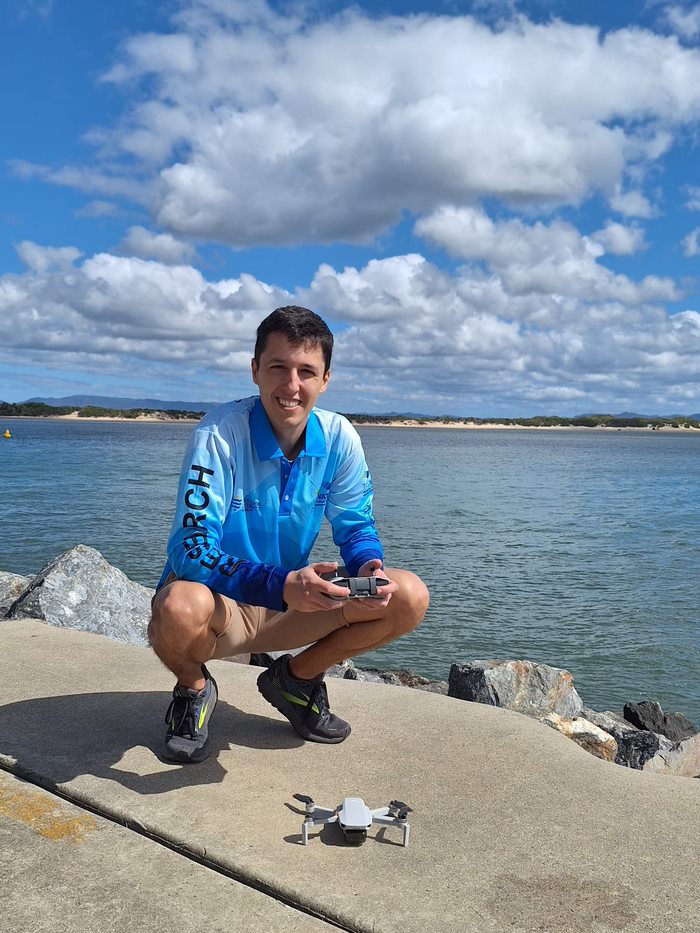
Alejandro Navarro Otero
- Casual Research Worker
- alejandro.navarrootero@jcu.edu.au
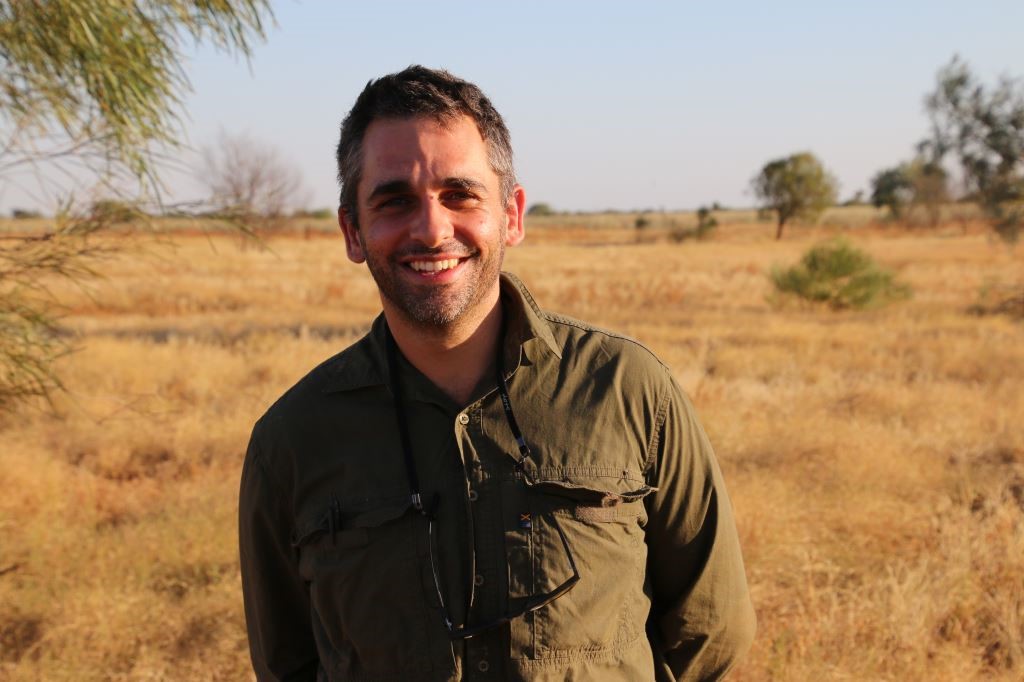
Jack Koci
- Principal Research Officer
- jack.koci1@jcu.edu.au
Sarah McDonald
- Senior Research Officer
- sarah.mcdonald@jcu.edu.au
Emily Webster
- Research Officer
- emily.webster1@jcu.edu.au

Abbi Scott
- Senior Research Officer
- abbi.scott1@jcu.edu.au

Catherine Collier
- Principal Research Officer
- catherine.collier@jcu.edu.au

Rob Coles
- Principal Research Scientist
- rob.coles@jcu.edu.au

Aaron Davis
- Principal Research Officer
- aaron.davis@jcu.edu.au
Assessing impacts of extreme events on inshore coastal habitats in the northern Great Barrier Reef
This project aims to assess the impacts of Tropical Cyclone Jasper and associated flooding on inshore coastal habitats (i.e. mangroves, seagrass, coral) in the northern GBR. This project will provide a current consolidated asset assessment that will be compared against previous monitoring/assessment data to determine any impacts of TC Jasper. This will be achieved through high-resolution imagery, rapid on-ground aerial surveys, subtidal surveys using underwater camera systems, and consolidating other available information (i.e., anecdotal/private records). Understanding the impact of TC Jasper on inshore coastal habitats is essential as extreme climate events can cause significant and enduring changes to the condition and resilience of critical habitats of key species, such as dugongs and turtles.
Assessing impacts of extreme events on inshore coastal habitats in the northern Great Barrier Reef
This project aims to assess the impacts of Tropical Cyclone Jasper and associated flooding on inshore coastal habitats (i.e. mangroves, seagrass, coral) in the northern GBR. This project will provide a current consolidated asset assessment that will be compared against previous monitoring/assessment data to determine any impacts of TC Jasper. This will be achieved through high-resolution imagery, rapid on-ground aerial surveys, subtidal surveys using underwater camera systems, and consolidating other available information (i.e., anecdotal/private records). Understanding the impact of TC Jasper on inshore coastal habitats is essential as extreme climate events can cause significant and enduring changes to the condition and resilience of critical habitats of key species, such as dugongs and turtles.
Assessing impacts of extreme events on inshore coastal habitats in the northern Great Barrier Reef
This project aims to assess the impacts of Tropical Cyclone Jasper and associated flooding on inshore coastal habitats (i.e. mangroves, seagrass, coral) in the northern GBR. This project will provide a current consolidated asset assessment that will be compared against previous monitoring/assessment data to determine any impacts of TC Jasper. This will be achieved through high-resolution imagery, rapid on-ground aerial surveys, subtidal surveys using underwater camera systems, and consolidating other available information (i.e., anecdotal/private records). Understanding the impact of TC Jasper on inshore coastal habitats is essential as extreme climate events can cause significant and enduring changes to the condition and resilience of critical habitats of key species, such as dugongs and turtles.
Do green sea turtle faeces increase seagrass seed germination and seedling success through fertilisation (Old ID 31172)
This project will measure if seagrass seed germination and seedling growth is enhanced by the addition of nutrients from sea turtle faeces. Seagrass meadows are experiencing a global decline, and therefore an increase in restoration efforts. Restoration by seeds has not yielded a high rate of success in Australia, primarily due to low germination rates. Recent research has found that seed coat scarification or passage through a dugong and green sea turtle enhances seed germination. Manual scarification of seeds is time consuming but adding sea turtle faeces to the seeds before dispersal would be a simple and cost-effective alternative.
Herbert Integrated Program - comms support
Provide communication support for Terrain's Herbert Integrated Program
Herbert Integrated Program - comms support
Provide communication support for Terrain's Herbert Integrated Program
Feral Pig Reduction for Improved Wetland Health in the Southern Gulf Region
The Southern Gulf NRM are conducting wild pig control works to protect wetlands across the Southern Gulf region. JCU will develop and implement a Wetland Health Report Card. This will involve establishing a monitoring program to collect and analyse data on wetland and riverine health across the Southern Gulf of Carpentaria. Monitoring will include assessing water quality, biodiversity via eDNA metabarcoding, and conducting aquatic habitat assessments.
Feral Pig Reduction for Improved Wetland Health in the Southern Gulf Region
The Southern Gulf NRM are conducting wild pig control works to protect wetlands across the Southern Gulf region. JCU will develop and implement a Wetland Health Report Card. This will involve establishing a monitoring program to collect and analyse data on wetland and riverine health across the Southern Gulf of Carpentaria. Monitoring will include assessing water quality, biodiversity via eDNA metabarcoding, and conducting aquatic habitat assessments.
Protection of the Gulf Snapping Turtle in the Southern Gulf Region
Southern Gulf NRM seek to improve the protection of the Gulf Snapping Turtle through the control of feral pigs and better managing cattle movements. JCU will be supporting this project through applying environmental DNA, collected from soil and water, across the Southern Gulf region to help identify the locations where the Gulf Snapping Turtle and introduced Tilapia are present, along with a broader aquatic biodiversity screen, to help guide where protection efforts should be prioritised.
Protection of the Gulf Snapping Turtle in the Southern Gulf Region
Southern Gulf NRM seek to improve the protection of the Gulf Snapping Turtle through the control of feral pigs and better managing cattle movements. JCU will be supporting this project through applying environmental DNA, collected from soil and water, across the Southern Gulf region to help identify the locations where the Gulf Snapping Turtle and introduced Tilapia are present, along with a broader aquatic biodiversity screen, to help guide where protection efforts should be prioritised.
Evaluating risk to seagrasses in the Tropical Indo-Pacific Region
- 2012
- James Cook University
- Researchers:Len McKenzie
Monitoring inshore seagrasses of the GBR and responses to water quality
- 2012
- James Cook University
- Researchers:Len McKenzieCatherine Collier
Extreme weather conditions in the Great Barrier Reef: drivers of change?
- 2012
- James Cook University
- Researchers:Len McKenzie
Quantifying total suspended sediment export from the Burdekin River catchment using the loads regression estimator tool
- 2012
- American Geophysical Union
- Researchers:Stephen LewisZoe Bainbridge
Start Date:
01 Jan 2009
End Date:
01 Jan 2026
Start Date:
01 Jan 2009
End Date:
01 Jan 2030
Start Date:
01 Jan 2014
End Date:
01 Jan 2030
Start Date:
01 Jan 2021
End Date:
01 Jan 2025
Start Date:
01 Jan 1981
End Date:
01 Jan 1984
Start Date:
01 Jan 1986
End Date:
01 Jan 1988
Start Date:
01 Jan 1973
End Date:
01 Jan 1973
Start Date:
01 Jan 2024
Start Date:
01 Jan 2022
End Date:
01 Jan 2023
Title:
Conference co-chair
Start Date:
01 Jan 2023
End Date:
01 Jan 2023