
Tropical Water & Ecosystems
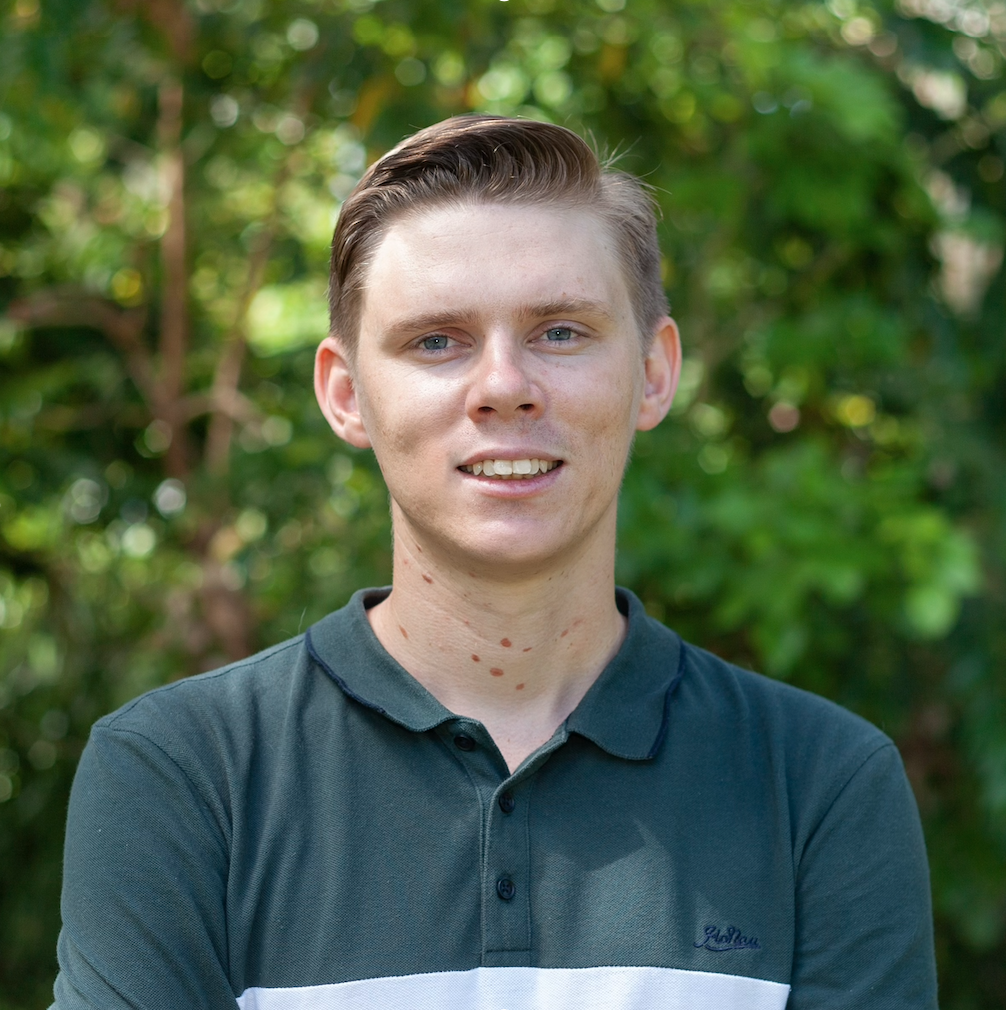
Scott Morrissey
- Research Officer
- scott.morrissey@jcu.edu.au
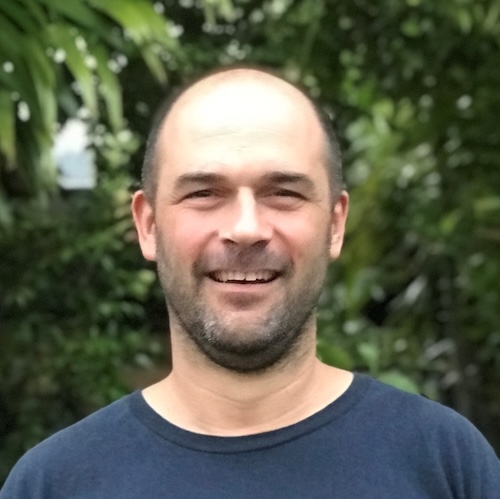
Tim Smith
- Senior Research Officer
- tim.smith2@jcu.edu.au
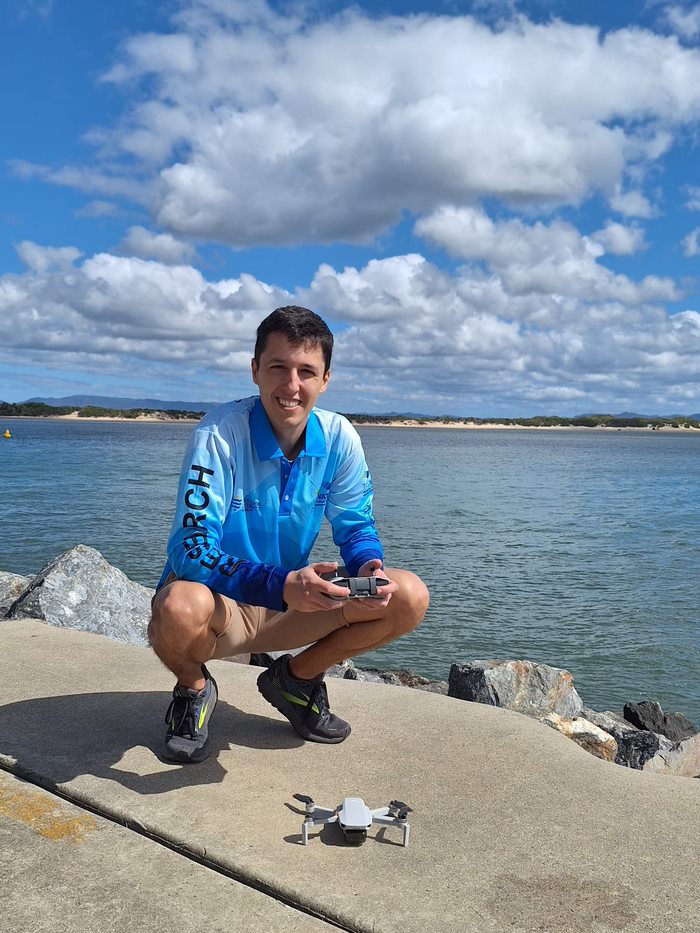
Alejandro Navarro Otero
- Casual Research Worker
- alejandro.navarrootero@jcu.edu.au
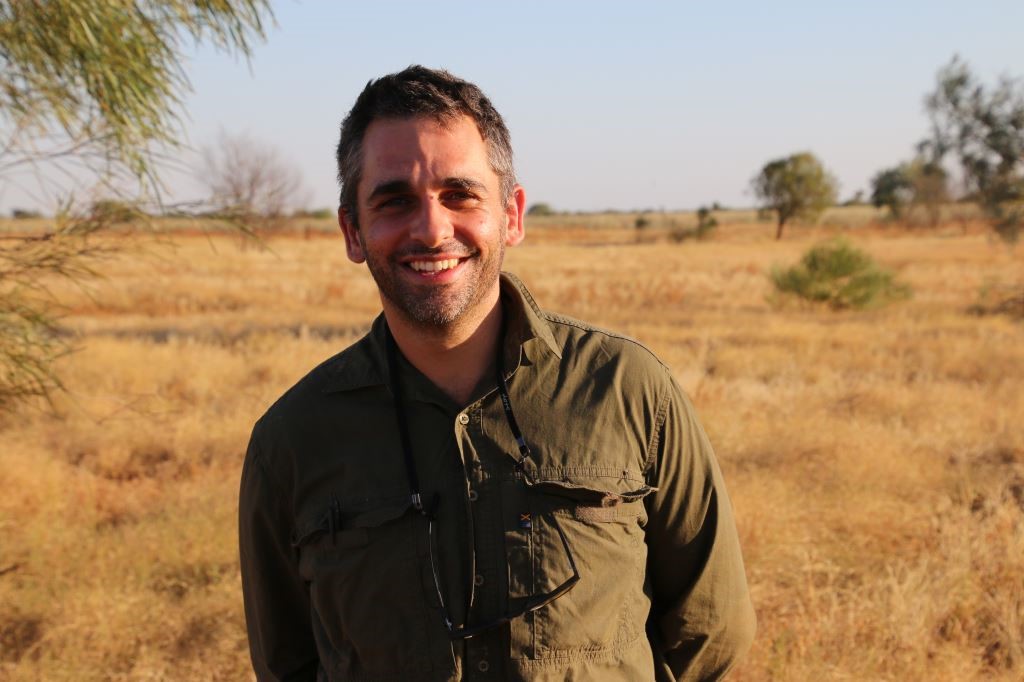
Jack Koci
- Principal Research Officer
- jack.koci1@jcu.edu.au
Sarah McDonald
- Senior Research Officer
- sarah.mcdonald@jcu.edu.au
Emily Webster
- Research Officer
- emily.webster1@jcu.edu.au

Abbi Scott
- Senior Research Officer
- abbi.scott1@jcu.edu.au

Catherine Collier
- Principal Research Officer
- catherine.collier@jcu.edu.au

Rob Coles
- Principal Research Scientist
- rob.coles@jcu.edu.au

Aaron Davis
- Principal Research Officer
- aaron.davis@jcu.edu.au
IMR Integrated Reef Fish Monitoring Program (Old ID 27812)
While critical knowledge of the abundance, diversity, and assemblage composition of Great Barrier Reef (GBR) fishes has been delivered by comprehensive and systematic monitoring programs across various spatial and temporal scales to date, significant knowledge gaps remain. These are being addressed through an Integrated Inshore Reef Fish Monitoring Program, funded by the Great Barrier Reef Foundation (GBRF) reef trust partnership and headed by the Australian Institute of Marine Science (AIMS) This project is a major component of this program and aims to monitor fish communities and habitats on the fringing reefs of 8 inshore island groups in the GBR Marine Park. It will continue an existing monitoring program that has been monitoring 4 island groups since 1998, and will expand on this legacy monitoring program considerably by adding four additional island groups which have not been previously monitored. It is part of a large-scale collaborative program, the Integrated Monitoring and Reporting (IMR) Inshore Fish Monitoring Project, funded by the Great Barrier Reef Foundation (GBRF) reef trust partnership and headed by the Australian Institute of Marine Science (AIMS).
Spatial and temporal trends in the health and resilience of Great Barrier Reef inshore seagrass meadows in relation to water quality (Old ID 20687)
The aim of this research is to monitor the abundance and species composition of seagrass, and identify areas of seagrass that have been significantly impacted by flood plumes in areas important to major dugong populations in the Great Barrier Reef World Heritage Area.
Design & Development of Receiving Environment Monitoring Program (Old ID 22207)
TropWATER will review the existing environmental monitoring data and undertake a detailed environmental survey of the Carpentaria Cold operations with a view to designing a receiving environment monitoring program to be implemented in the 2015/16 wet season.
Hay Point Shiploader Upgrade: Benthic Habitat Assessments (Old ID 26698)
Develop and implement a benthic habitat assessment program for Advisian to report on the benthic habitats in a specific area of the port to assist with berth upgrades.
Water Quality & Receiving Environment Monitoring Programs (Old ID 26879)
Environmental monitoring and assessment to meet regulatory assessment requirements for aquatic, riparian and terrestrial systems in the region of the closed Woodcutters mine, Northern Territory. In addition, there are investigations and research into site specific water quality and sediment quality objectives
Provision of Specialist Environmental Support to Townsville City Council. (Old ID 27681)
Submission for inclusion on a panel of pre-qualified Environmental Specialists to support TCC's Environmental Services team in planning and delivery of sustainable outcomes for the Townsville Community.
Aerial dugong surveys in Moreton Bay and Hervey Bay. (Old ID 27706)
Dugong aerial surveys estimating population size have been conducted in the Great Barrier Reef (GBR) since the 1980’s, providing a long-term trend and dataset. Aerial surveys are intended to be conducted every 5 years. The southern GBR was last surveyed in 2016, meaning the southern GBR surveys are 1 year overdue. Recent flooding in southeast Queensland has led to seagrass die off in Hervey Bay and the Great Sandy Straits and likely in other seagrass habitat that supports dugong. The southern GBR dugong population includes Hervey Bay and Moreton Bay, both of which are significant locations for dugongs. Both of these bays suffered significant floods in early 2022. Seagrass surveys of Hervey Bay in May 2022 revealed ‘almost no seagrass was left’. It is anticipated that, as occurred after the 2011 floods, dugong will strand and die, stop breeding and move out of previously important foraging areas. Further, surveys will contribute to the transition from human observer flights to aerial image capture and automated analysis, which will form the basis of future cheaper and safer technologies for assessing dugong populations.
Dugong aerial survey to assess recovery in Hervey Bay (Old ID 30033)
Early 2022 floods in the Hervey Bay region have had a severe impact on seagrass meadows. Dugong mortality records combined with our late 2022 dugong aerial survey suggest that while some dugongs perished as a result of food deprivation, other likely have moved away from the Hervey Bay-GSS area while those that remained in the area have concentrated around the middle of Hervey Bay, over remaining deep-water seagrasses. While the deep seagrasses appear to be on their way to recovery there is still uncertainty as to whether and how seagrasses would recover in the inshore intertidal areas, and whether dugongs are going to repopulate the region as a result (no dugongs were sighted across the entire Great Sandy Strait in late 2022). Here, we propose to resurvey the Hervey Bay-GSS region to document the recovery of dugongs and sea turtles in the area. The timing of the surveys will be discussed and aligned with seagrass monitoring research.
Using compost from aquatic weeds to improve soil health and reduce nutrient pollution (Old ID 31118)
Excessive nutrient pollution can cause explosive aquatic weed growth, preventing fish migration, and causing mass fish kills. Weed management via herbicide spraying and removal is costly and detrimental to waterways. If the harvested weeds could be composted and used on crops, then aquatic weed management can shift from being a problem to an agricultural solution that reduces synthetic fertiliser use, while improving soil moisture, nutrient retention (reducing pollution), and soil microbial health (potentially reducing pathogens). This project examines the influence of aquatic-weed compost on the soil health and nutrient retention in tree crops near Rockhampton.
Advancing the science supporting New Zealand’s freshwater sports fisheries and game bird hunting. (Old ID 27723)
This project provides a package of scientific works to support the management of freshwater sports fisheries and game bird hunting in New Zealand. Scientific works will aim to inform several areas including, the interactions between sports fish and native fish, the climatic influences on sports fish populations, the effectiveness of ecological monitoring, and the drivers of mallard/’greylard’ populations. The works will allow managers to better support and regulate freshwater fisheries and game birds to ensure populations remain healthy and available for fishers and hunters in the long term while reducing the impacts on native fauna.
Seagrass ecology and threats in the tropical Indo-Pacific bioregion
- 2011
- Nova Science Publishers
- Researchers:Alana GrechMichael RasheedLen McKenzie
Start Date:
01 Jan 2009
End Date:
01 Jan 2026
Start Date:
01 Jan 2009
End Date:
01 Jan 2030
Start Date:
01 Jan 2014
End Date:
01 Jan 2030
Start Date:
01 Jan 2021
End Date:
01 Jan 2025
Start Date:
01 Jan 1981
End Date:
01 Jan 1984
Start Date:
01 Jan 1986
End Date:
01 Jan 1988
Start Date:
01 Jan 1973
End Date:
01 Jan 1973
Start Date:
01 Jan 2024
Start Date:
01 Jan 2022
End Date:
01 Jan 2023
Title:
Conference co-chair
Start Date:
01 Jan 2023
End Date:
01 Jan 2023