
Medicine
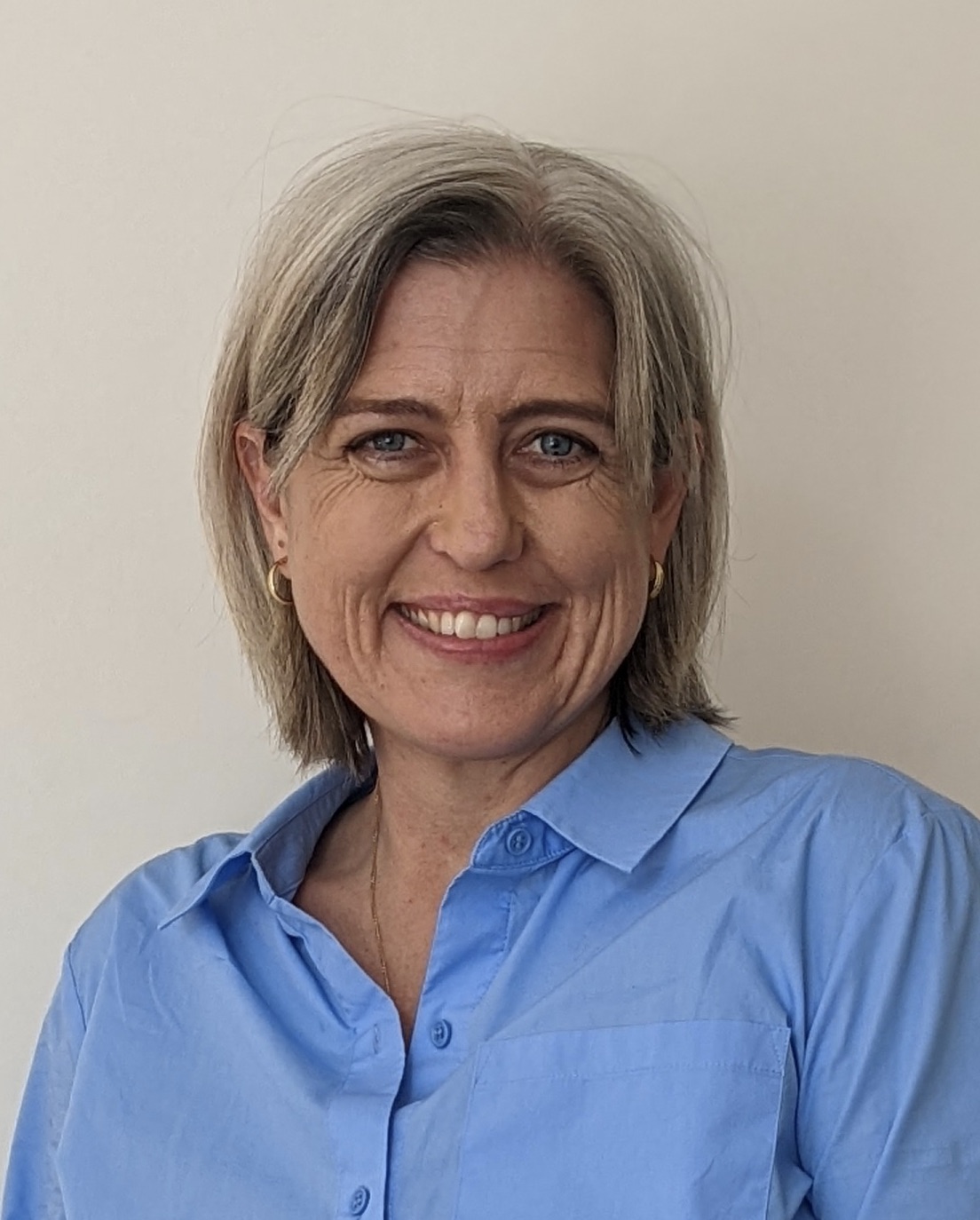
Erin Waters
- JCU Associate Professor
- erin.waters@jcu.edu.au

Shiv Thanigaimani
- Senior Research Fellow, Peripheral Vascular Disease (PVD)
- shiv.thanigaimani@jcu.edu.au

Alkira Deren
- Clinical Research Officer
- alkira.venn@jcu.edu.au

Michael Robinson
- JCU Lecturer
- michael.robinson@jcu.edu.au

Nalita Turner
- Research Officer
- nalita.turner@jcu.edu.au

Bunmi Malau-Aduli
- JCU Professor
- bunmi.malauaduli@jcu.edu.au
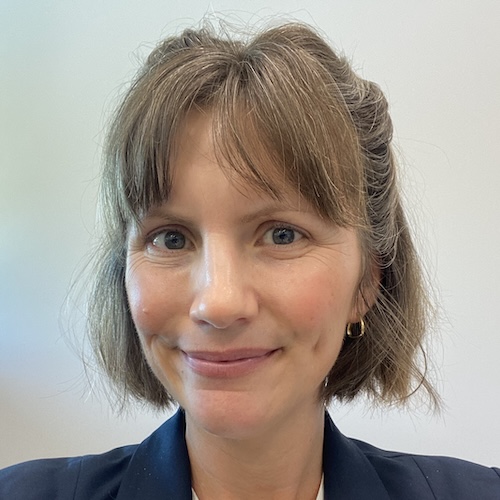
Jenna Graffini
- Research Project Manager
- jenna.graffini@jcu.edu.au

Mel Muscat
- Adjunct Research Fellow
- melody.muscat@jcu.edu.au
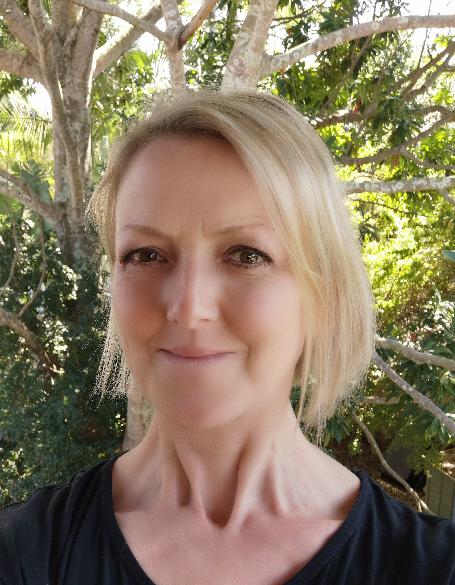
Yvonne Hornby-Turner
- Adjunct Research Fellow
- yvonne.hornbyturner@jcu.edu.au

Geoffrey Dobson
- Professor
- geoffrey.dobson@jcu.edu.au
Identification of good practices in engaging communities in research for implementation and in social innovation in health in low- and middle-income countries
This project will undertake a systematic review to identify lessons learned around processes to engage communities in health services research in low and middle countries in South East Asia and the Pacific. It will focus on both the types of engagement (participants, stakeholders, partners, initiators and leaders) and the results update processes and outcomes. It will adhere to the Preferred Reporting Items for Systematic Reviews and Meta- Analysis (PRISMA) checklist and access published, systematic reviews and grey literature.
Are Australians in midlife ready to implement Lifestyle Medicine to improve their health and wellbeing?
The global population is ageing and with an ageing population comes an increase in the prevalence of non-communicable diseases. An opportune life stage to reduce the burden of non-communicable diseases in older age is midlife. Addressing these health issues at this midlife stage can help with the transition into a healthier older age. Lifestyle Medicine (LM) can be used as a method of managing overall health and wellbeing as well as preventing chronic disease. Despite what is known about the increase in chronic diseases and the high potential of LM, LM is still not utilised enough in healthcare. This student led project aims to understand what Australians in midlife know about Lifestyle Medicine (LM) and examine attitudes towards using LM to improve health and wellbeing. This research will add to the knowledge of acceptance of LM in midlife, to inform future health interventions.
Are Australians in midlife ready to implement Lifestyle Medicine to improve their health and wellbeing?
The global population is ageing and with an ageing population comes an increase in the prevalence of non-communicable diseases. An opportune life stage to reduce the burden of non-communicable diseases in older age is midlife. Addressing these health issues at this midlife stage can help with the transition into a healthier older age. Lifestyle Medicine (LM) can be used as a method of managing overall health and wellbeing as well as preventing chronic disease. Despite what is known about the increase in chronic diseases and the high potential of LM, LM is still not utilised enough in healthcare. This student led project aims to understand what Australians in midlife know about Lifestyle Medicine (LM) and examine attitudes towards using LM to improve health and wellbeing. This research will add to the knowledge of acceptance of LM in midlife, to inform future health interventions.
A pilot trial of combined hyperbaric oxygen therapy (HBOT) and a Lifestyle Medicine (LM) program for multimorbid conditions
Lifestyle Medicine is a rapidly emerging modality of treatment to optimise chronic disease management and prevention. Its application is underutilised in primary and tertiary healthcare with research showing low risk and great benefit with this non-conventional approach. Lifestyle medicine incorporates 6 pillars of health and wellbeing, including nutrition, physical activity, minimising stress, enhancing sleep, addressing addictive behaviours and maintaining community connectedness. Patients at the Department of Diving and Hyperbaric Medicine (DDHM) have treatment plans that are daily Hyperbaric Oxygen Therapy (HBOT) sessions undertaken in a compression chamber. The daily treatments can extended upwards of 4-8 weeks. The majority of patients have 2 or more chronic conditions (multimorbidity) and take 5 or more medications (polypharmacy). Multimorbidity and polypharmacy are known to increase non-adherence to medical advice, risk of side effects, cost to the patient and health system, and shorten quality and quantity of life. Lifestyle Medicine reduces severity of chronic disease and supports health and wellbeing, thereby reducing the overall burden of illness and its impact on the person and healthcare services. The DDHM provides the perfect opportunity for a patient-centred LM approach that can be attached to standard care with minimal interruption to services, staff, patients, or budget, with provision of a template that can be adapted to meet acceptability and feasibility feedback from participants and staff. The LM program supports the overaching goals of HBOT integration by supplementing a siloed approach to health provision with a LM group based program during standard patient care in the DDHM. This program will ideally enhance patient health, wellbeing and service satisfaction, plus support staff satisfaction through their involvement with provision of holistic health care.
A pilot trial of combined hyperbaric oxygen therapy (HBOT) and a Lifestyle Medicine (LM) program for multimorbid conditions
Lifestyle Medicine is a rapidly emerging modality of treatment to optimise chronic disease management and prevention. Its application is underutilised in primary and tertiary healthcare with research showing low risk and great benefit with this non-conventional approach. Lifestyle medicine incorporates 6 pillars of health and wellbeing, including nutrition, physical activity, minimising stress, enhancing sleep, addressing addictive behaviours and maintaining community connectedness. Patients at the Department of Diving and Hyperbaric Medicine (DDHM) have treatment plans that are daily Hyperbaric Oxygen Therapy (HBOT) sessions undertaken in a compression chamber. The daily treatments can extended upwards of 4-8 weeks. The majority of patients have 2 or more chronic conditions (multimorbidity) and take 5 or more medications (polypharmacy). Multimorbidity and polypharmacy are known to increase non-adherence to medical advice, risk of side effects, cost to the patient and health system, and shorten quality and quantity of life. Lifestyle Medicine reduces severity of chronic disease and supports health and wellbeing, thereby reducing the overall burden of illness and its impact on the person and healthcare services. The DDHM provides the perfect opportunity for a patient-centred LM approach that can be attached to standard care with minimal interruption to services, staff, patients, or budget, with provision of a template that can be adapted to meet acceptability and feasibility feedback from participants and staff. The LM program supports the overaching goals of HBOT integration by supplementing a siloed approach to health provision with a LM group based program during standard patient care in the DDHM. This program will ideally enhance patient health, wellbeing and service satisfaction, plus support staff satisfaction through their involvement with provision of holistic health care.
National Multidisciplinary Primary Care Research, Policy and Advocacy Consortium
Led by Professor Michael Kidd (UNSW/Oxford and CMO of the Federal Government) members of the National Multidisciplinary Primary Care Research, Policy and Advocacy Consortium (“The Consortium”) will work collaboratively to support future-focused ways of thinking about primary care delivered through multidisciplinary team (MDT)-based care. The Consortium will generate, coordinate, and disseminate knowledge on innovative models of MDT-based primary care that improve health outcomes for people living in all parts of Australia. The Consortium brings together consumers and expert partners from across the country to identify where, when, and how MDT-based primary care can meaningfully address challenges facing our health care system. The Consortium will be a major national resource that supports ongoing federal, state and territory programs of primary care reform, strengthens the evidence base on primary care service delivery and outcomes, and accelerates the translation of knowledge into improvements in clinical care, while also increasing nationwide primary care clinician researcher capacity.
The Living-well Club (TLC) at Southport Low Acuity Service Hotel (SPLASH)
The Living-well Club (TLC) at Southport Low Acuity Service Hotel (SPLASH) is a volunteer led social prescribing pilot to improve the biopsychosocial health of inpatients and staff. The pilot is being evaluated to address loneliness, health outcomes and satisfaction by providers and inpatients. The broader goal is to design an implementation framework that can be scaled to other low acuity facilities, such as aged care, community, and inpatient healthcare services.
Consumer and Community Research Partnerships: Enabling capacity and strength in rural, regional, and remote northern Queensland health and medical research
Consumer and community involvement in health and medical research can meaningfully improve research and associated health outcomes by incorporating lived experience into a research project. Anecdotally, there is limited consumer and community involvement occurring in investigator-led research within hospitals and health services in northern Queensland. This research will explore the unique capabilities, opportunities, and motivations for consumer and community involvement in research among three northern Queensland rural, regional, and remote hospital and health services. Strategies will be identified to enable consumer and community involvement in research within these health services, prioritised by consumers, community members and health researchers. It is anticipated that strategies and learnings from this project can be adapted more broadly to northern Australia, particularly other rural, regional, and remote contexts.
Community-Led Approaches to Teaching Australian South Sea Islander History
ARC Discovery Australian Aboriginal and Torres Strait Islander Award
This project argues that a new approach to teaching Australian South Sea Islander history in primary and
secondary school education is urgently needed to address conditions by which Australian South Sea Islander
students are made disadvantaged at school. Through a Tok Stori methodological approach that draws on
community knowledges, this project will develop new ways of teaching Australian South Sea Islander history. It
will work towards implementing the kind of meaningful progress that failed to follow the 1993 Recognition, build
transnational research links, and increase and strengthen the capacity of Australian South Sea Islander educators
and researchers.
The novel association of the chemokine CCL22 with abdominal aortic aneurysm
- 2010
- American Society for Investigative Pathology
- Researchers:Jonathan GolledgeCatherine Rush
"We can move forward": challenging historical inequity in public health research in Solomon Islands
- 2010
- Biomed Central
- Researchers:Michelle Redman-MacLaren
Research workshop to research work: initial steps in establishing health research systems on Malaita, Solomon Islands
- 2010
- BioMed Central
- Researchers:Michelle Redman-MacLaren
Are medical student results affected by allocation to different sites in a dispersed rural medical school?
- 2011
- Australian Rural Health Education Network
- Researchers:Tarun Sen GuptaRichard Hays
Start Date:
01 Jan 2012
Start Date:
01 Jan 2012
Start Date:
01 Jan 2009
Start Date:
01 Jan 2009
Start Date:
01 Jan 2007
Start Date:
01 Jan 2002
Start Date:
01 Jan 2002
Start Date:
01 Jan 1996
Start Date:
01 Jan 2002
End Date:
01 Jan 2009
Start Date:
01 Jan 2003
End Date:
01 Jan 2004