
College of Medicine & Dentistry
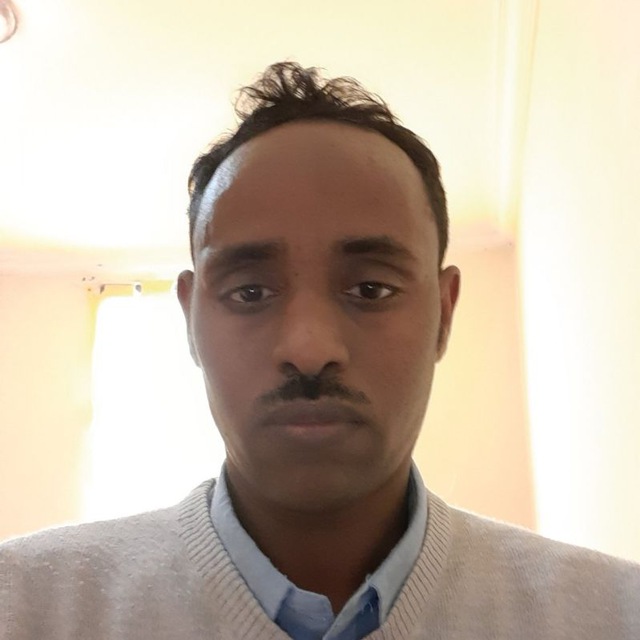
Semagn Abate
- Doctor of Philosophy (Health)
- semagn.abate@my.jcu.edu.au

Fahmida Begum Mina
- Doctor of Philosophy (Medical, Molecular and Veterinary Sciences)
- fahmidabegum.mina@my.jcu.edu.au

Hannah Woodall
- Doctor of Philosophy (Medical, Molecular and Veterinary Sciences)
- hannah.woodall@my.jcu.edu.au

Jessica Scott
- Doctor of Philosophy (Medical, Molecular and Veterinary Sciences)
- jessica.scott2@jcu.edu.au
Brittany Moller
- Doctor of Philosophy (Health)
- brittany.moller@my.jcu.edu.au
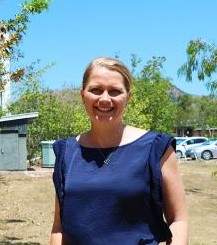
Amanda Mackay
- Rural Pharmacy Liaison Officer
- amanda.mackay@jcu.edu.au

Nathan Dawes
- Associate Dean, Learning and Teaching
- nathan.dawes@jcu.edu.au

Donald Whaleboat
- Associate Dean, Aboriginal and Torres Strait Islander Health
- donald.whaleboat@jcu.edu.au
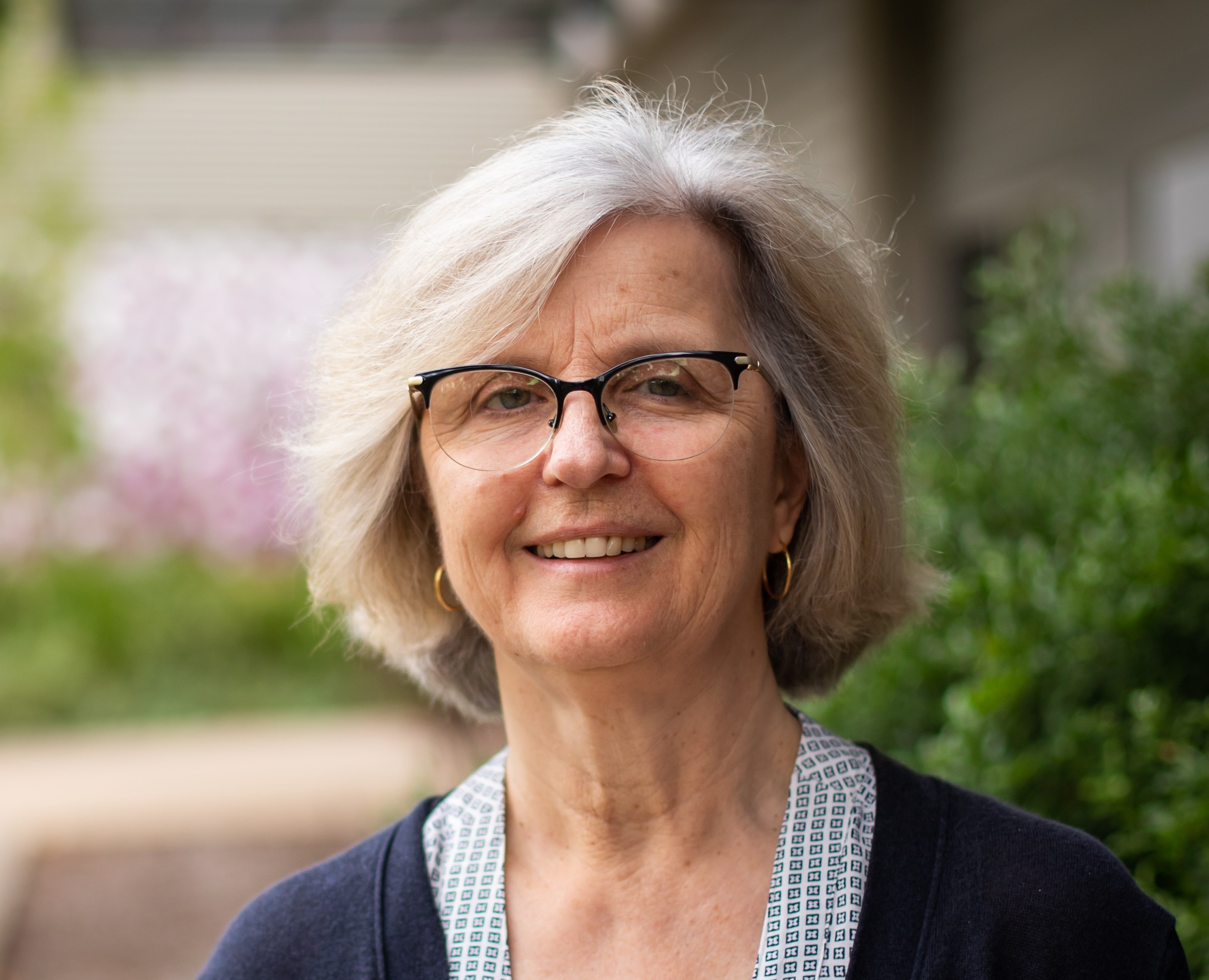
Anna Kokavec
- Senior Lecturer, Medical Education, Student Support and Professional Practice
- anna.kokavec@jcu.edu.au
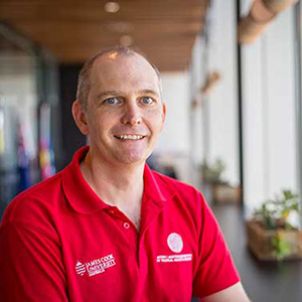
Aaron Hollins
- Head, School of Rural and Remote Health
- aaron.hollins@jcu.edu.au
Working it Out Together! Aboriginal and Torres Strait Islander led co-design for a strong and deadly health workforce (Old ID 27074)
Sarah Larkins
01 Sep 2021 - 31 Aug 2026
Building a stable, well-trained and culturally safe health workforce is a crucial part of delivering high quality primary health care (PHC) services. Previous attempts to strengthen rural/remote health workforce have failed, partly because they have not integrated Aboriginal and Torres Strait Islander knowledge and lived experience with necessary policy and systems support. There has been little research into culturally safe strategies to improve workforce stability in complex PHC context. This project will bridge these gaps through a community-led, place-based planning approach, engaging service providers, policy-makers and funders to co-design workforce strategies and models of care that are locally relevant, successful and sustainable. This community-based participatory project uses a mixed methods quasi-experimental pre-post design to implement co-designed actions to explore: How do we systematically embed Aboriginal and Torres Strait Islander perspectives into place-based planning and action for a stable and effective workforce that engenders community trust in local PHC delivery? Working with key sector partners in four service-based rural/remote clusters across Qld, NT and NSW, we will co-design and trial strategies to strengthen workforce competency and stability (by strengthening local career pathways for Indigenous people and strengthening cultural competency of non-Indigenous staff), and use community-centred impact and economic evaluation. Our team is majority Aboriginal and Torres Strait Islander and builds on relationships and learnings developed through our ongoing PHC system improvement work. Each jurisdictional team comprises a local Indigenous PHC service, community-controlled peak body, primary health network, government health department and university partner. This optimal mix will ensure successful implementation of sustainable strategies and translation into policy and practice for improved community access to quality PHC and health outcomes.
ABCD Case Studies Project: Quality improvement in Aboriginal primary health care: lessons from the best to better the rest. (Old ID 20865)
Sarah Larkins
01 Jan 2014 - 30 Jun 2017
High performing primary health care (PHC) services are essential to "close the gap" in Aboriginal and Torres Strait Islander health outcomes. Little previous research has investigated the contextual factors around a particular service that influence the success of quality improvement initiatives. We aim to transfer knowledge about the processes that facilitate the success of quality improvement initiatives in these services whilst building research and evaluation capacity in the services.
Quality Improvement in Indigenous Primary Health Care: Leveraging Effective Ambulatory Practices (LEAP) (Old ID 22468)
Sarah Larkins
01 Jan 2016 - 31 Dec 2016
Continuous quality improvement (CQI) initiatives are well-accepted as an effective means for improving quality of care at primary health care (PHC) services. However, there remains significant variation in the quality of care provided between individual services and the degree of response to CQI activities. This sis so despite active and effective CQI networks supported by a number of organisations. Understanding the detail of this variability is vital before quality improvement initiatives in Indigenous PHC can be effectively scaled-up and expanded. We aim to enhance understanding of how quality improvement initiatives in Indigenous PHC can be rolled out on a broader scale, particularly in services that face capacity and resource-based challenges, through I0 building on our understanding of how contextual factors interact to facilitate or limit the success of CQI initiatives; and ii) collaborative development and testing of a toolkit of interventions to address barriers to improvement.
Securing the frontline for health secure communities (Old ID 26522)
Maxine Whittaker
01 Aug 2020 - 31 Dec 2023
The aim is to build capacity to detect/respond to infectious disease outbreaks through frontline public health (human and animal) workforce which includes community members, volunteers, community health workers, environmental health workers, biosecurity and environmental officers and primary health care staff. This will be achieved through: Strengthened capability at community/primary care levels to anticipate outbreaks; Improved response at early stages of potential outbreaks; A quality timely and thorough response to outbreaks at the frontline level ; An operational learning and feedback process for continued improvement and currency of detection of and response to infectious diseases outbreaks.
Women's Action for Mums and Bubs (WOMB): A pragmatic trial of participatory women's groups to improve Indigenous maternal and child health (Old ID 23276)
Sarah Larkins
01 Jan 2018 - 31 Dec 2023
There is strong evidence elsewhere that involving community women in decision-making about strategies to improve the health of mothers and babies is a cheap and effective way of improving health. The WOMB study tests whether community women's groups improve the quality of maternal and child health care and outcomes in Aboriginal and Torres Strait Islander communities, the cost-effectiveness and mechanism of action.
Building Capacity for Periodontal Disease Management in the Kingdom of Tonga (Old ID 27558)
Mohammed Shorab
01 Apr 2022 - 31 Dec 2026
Periodontitis is an inflammation of the bone supporting teeth. It destroys the jawbone and is prevalent globally. Left untreated, it will lead to tooth loss and internal toxicity. It affects heart disease and diabetes. There is a lack of clinical capacity in Tonga to treat this. Local Dentists will be trained to assess, treat, and monitor this disease. The community will be screened, patients with the disease identified and then treated. Patients will be monitored by their dentists. The study findings will be shared with the local dental health administration and published in relevant journals for the global community.
Northern Australia Health Service Delivery Situation Analysis (Old ID 26543)
Maxine Whittaker
10 Jul 2019 - 09 Mar 2020
This project will identify key challenges and opportunities facing the northern Australian health service delivery sector and explore potential developmental scenarios and/or identify the most strategic research projects and development priorities for further investment. This will include but not be limited to infrastructure, clinical issues, policy, new models of care, investment, knowledge, training and human capital gaps and the research or alternative solutions to address them. This report will provide recommendations in all key areas identified to provide a better environment for growth and development on the northern Australian health service delivery sector.
Implementation of quality improvement in Indigenous primary health care: Leveraging Effective Ambulatory Practices (LEAP) (Old ID 23468)
Sarah Larkins
01 Jan 2018 - 30 Jun 2022
Despite increased policy attention and funding, not all primary healthcare (PHC) services for Indigenous Australians show the desired improvements in quality of care. Practices which provide PHC services are complex systems and emerging evidence indicates many things affect quality improvement. There remains a knowledge gap regarding what is required for Indigenous PHCs to succeed in improving the quality of their services and, subsequently, health outcomes for their patients. This project will capitalise on emerging research and existing strong partnerships to provide a solid evidence base for interventions to improve quality of priority health services in Indigenous PHC settings.
Progressing health equity through strengthening the Aboriginal and Torres Strait Islander Health Workforce (Old ID 27906)
Sarah Larkins
16 Jan 2023 - 31 Dec 2026
This collaborative TAAHC project aims to build on QH led Health Equity Strategies and plans within each of the partner HHSs in nQ through co-designed Aboriginal and Torres Strait Islander health workforce plans to strengthen recruitment, retention and career pathways for Aboriginal and Torres Strait Islander staff (clinical and non-clinical) within HHSs, and also strengthening the capacity of non-Indigenous staff to work respectfully with Aboriginal and Torres Strait Islander colleagues.
Health SDG targets (global mining town) (Old ID 26668)
Maxine Whittaker
05 Jun 2019 - 31 Mar 2020
The overall aim is to design interventions to support host communities the Sustainable development goal health outcome targets by 2030. The objectives are to: i) conduct a baseline assessment of existing data to estimate progress towards the health/wellbeing targets in the host countries (Peru, Australia, Canada, Chile and Southern Africa), ii) conduct baseline assessment in the host communities in relation to the SDG health and wellbeing targets, iii) design , cost and develop implementation plans for follow-on funding tailored interventions based on best practice evidence, to address the priority targets, iv) develop monitoring and evaluation frameworks to track progress
Factors That Influence Digital Health Implementation in Rural, Regional, and Remote Australia: An Overview of Reviews and Recommended Strategies
- 2025
- Wiley-Blackwell
- Researchers:Michelle KraheSarah Larkins
Enablers and barriers of General Practitioner’s choice of additional skills training: a mixed-methods study
- 2025
- Frontiers Research Foundation
- Researchers:Abdul-Aziz SeiduAaron Hollins
Start Date:
01 Jan 2020
End Date:
01 Jan 2022
Start Date:
01 Jan 2020
End Date:
01 Jan 2025
Start Date:
01 Jan 2019
End Date:
01 Jan 2021
Start Date:
01 Jan 2019
End Date:
01 Jan 2023
Start Date:
01 Jan 2024
End Date:
01 Jan 2025
Start Date:
01 Jan 2015
End Date:
01 Jan 2025
Title:
JCU Behaviour Risk Group
Start Date:
01 Jan 2021
End Date:
01 Jan 2025
Title:
CMD Allocations Panel
Start Date:
01 Jan 2019
End Date:
01 Jan 2025
Start Date:
01 Jan 2019
End Date:
01 Jan 2025
Start Date:
01 Jan 2019
End Date:
01 Jan 2025