
College of Medicine & Dentistry
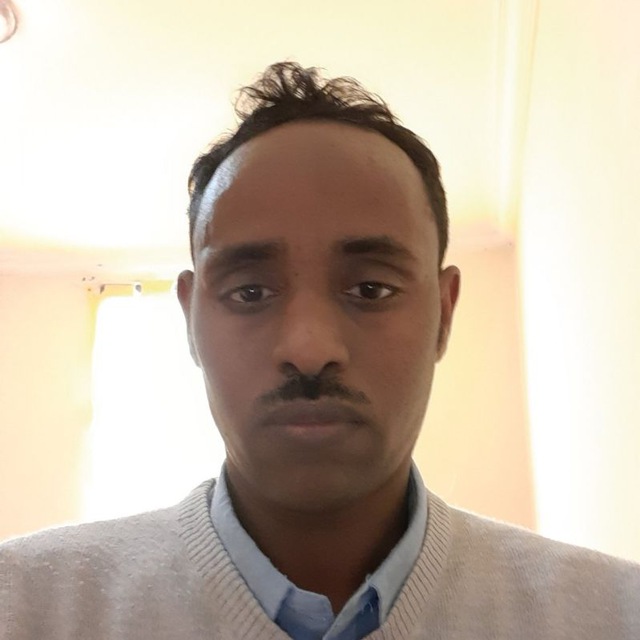
Semagn Abate
- Doctor of Philosophy (Health)
- semagn.abate@my.jcu.edu.au

Fahmida Begum Mina
- Doctor of Philosophy (Medical, Molecular and Veterinary Sciences)
- fahmidabegum.mina@my.jcu.edu.au

Hannah Woodall
- Doctor of Philosophy (Medical, Molecular and Veterinary Sciences)
- hannah.woodall@my.jcu.edu.au

Jessica Scott
- Doctor of Philosophy (Medical, Molecular and Veterinary Sciences)
- jessica.scott2@jcu.edu.au
Brittany Moller
- Doctor of Philosophy (Health)
- brittany.moller@my.jcu.edu.au
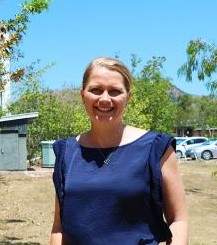
Amanda Mackay
- Rural Pharmacy Liaison Officer
- amanda.mackay@jcu.edu.au

Nathan Dawes
- Associate Dean, Learning and Teaching
- nathan.dawes@jcu.edu.au

Donald Whaleboat
- Associate Dean, Aboriginal and Torres Strait Islander Health
- donald.whaleboat@jcu.edu.au
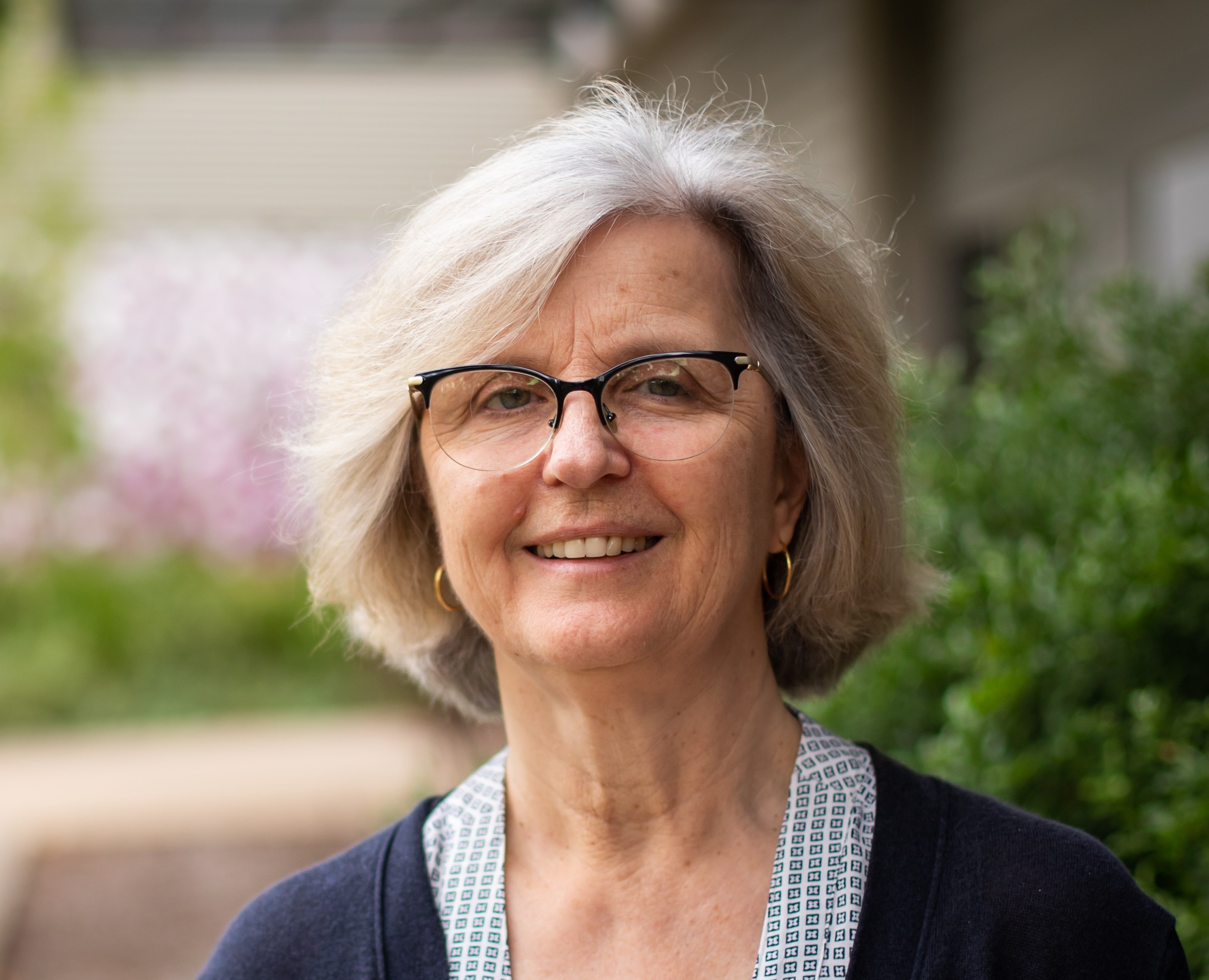
Anna Kokavec
- Senior Lecturer, Medical Education, Student Support and Professional Practice
- anna.kokavec@jcu.edu.au
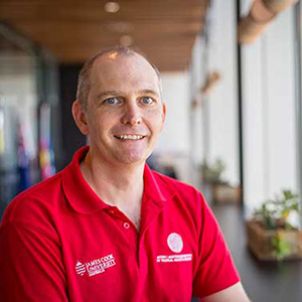
Aaron Hollins
- Head, School of Rural and Remote Health
- aaron.hollins@jcu.edu.au
Quality Improvement in Indigenous Primary Health Care: Leveraging Effective Ambulatory Practices (LEAP) (Old ID 22468)
Rebecca Evans
01 Jan 2016 - 31 Dec 2016
Continuous quality improvement (CQI) initiatives are well-accepted as an effective means for improving quality of care at primary health care (PHC) services. However, there remains significant variation in the quality of care provided between individual services and the degree of response to CQI activities. This sis so despite active and effective CQI networks supported by a number of organisations. Understanding the detail of this variability is vital before quality improvement initiatives in Indigenous PHC can be effectively scaled-up and expanded. We aim to enhance understanding of how quality improvement initiatives in Indigenous PHC can be rolled out on a broader scale, particularly in services that face capacity and resource-based challenges, through I0 building on our understanding of how contextual factors interact to facilitate or limit the success of CQI initiatives; and ii) collaborative development and testing of a toolkit of interventions to address barriers to improvement.
Building Capacity for Frailty management in Regional Queensland Residential Aged Care Facilities
Nathan Dawes
01 Oct 2024 - 31 Dec 2025
Virtually all older adults living within aged care are at risk of becoming or are currently frail, with increased risk of adverse health outcomes. The core treatments for frailty are good nutrition, medication optimisation, and robust exercise, which was recently evaluated in the novel Frailty Reduction via Implementation of Exercise, Nutrition and Deprescribing (FRIEND) trial. This trial developed comprehensive training resources for the aged care sector. This project aims to build capacity through dissemination of this training to aged care champions across regional Queensland facilities and support them to improve frailty care and client health within their facility.
The project has two main project aims:
1. Disseminate FRIEND in an online and in-person, train-the-trainer model to build capacity of aged care champions and key regional, healthcare professionals
2. Support aged care champions to develop local facility training, and an organisational strategy for improving frailty care
The study will involve two phases:
1. Pre/post evaluation of a train-the-trainer education intervention (FRIEND website modules and an intensive one-day course on frailty management). Five strategically located RACFs across North-West Queensland will nominate an aged care champion (i.e. senior staff member) by early September to complete website training and travel to Townsville for intensive training in Late October/Early November along with local healthcare professionals (e.g. nurses, physiotherapists, exercise physiologists, social workers) working within aged care.
2. Involves evaluation of the champion-led local training implementation development of an organisational strategy to improve frailty care over a six-month period. The champion will identify key implementation/leadership staff and training needs to develop a 1–2-hour training webinar and develop an organisational strategy to improve frailty management in their facility
Tele-DFD: Remotely providing effective healthcare for diabetic foot disease (Old ID 27644)
Rebecca Evans
01 Jul 2022 - 30 Sep 2026
Current models of care for diabetes-associated foot disease (DFD) management are not sustainable due to the recurring nature of this condition and lead to enormous social and economic burden (~$24 million / year). Models of healthcare that are financially viable and effective at meeting the challenges of the dispersed population of Northern Australia are urgently needed to reduce the rates of DFD-related amputations, and costs associated with preventable hospital admissions and ongoing treatment. This project will test whether a telehealth model of care (Tele-DFD) is more effective at achieving secondary prevention than the current usual face to face consultation model. If effective this model offers the potential of improved health outcomes and substantially reducing geographic disparity and social and economic burden from DFD.
Women's Action for Mums and Bubs (WOMB): A pragmatic trial of participatory women's groups to improve Indigenous maternal and child health (Old ID 23276)
Rebecca Evans
01 Jan 2018 - 31 Dec 2023
There is strong evidence elsewhere that involving community women in decision-making about strategies to improve the health of mothers and babies is a cheap and effective way of improving health. The WOMB study tests whether community women's groups improve the quality of maternal and child health care and outcomes in Aboriginal and Torres Strait Islander communities, the cost-effectiveness and mechanism of action.
Exploration of cultural safety training and culturally safe practices by GP registrars when consulting with Indigenous patients. (Old ID 27420)
Rebecca Evans
01 Nov 2021 - 20 Feb 2023
Developing a culturally safe workforce has been a long-held and enacted priority of JCU and JCU GP training to improve the health of Australian Aboriginal and Torres Strait Islander peoples. JCU GP training program is committed to the national priority of closing the gap between the health of Aboriginal and Torres Strait Islander peoples and non-Indigenous Australians. As such, JCU GP training deeply embeds the ACRRM Aboriginal and Torres Strait Islander core curriculum across all elements of training and workplace learning. This project aims to explore the impact of the JCU GP syllabus on the development of cultural safety. This includes examining registrars ongoing critical reflection of knowledge, skills, attitudes, practicing behaviours and power differentials in delivering safe, accessible, and responsive healthcare free of racism. Outcomes of the study will inform syllabus review and development, and further strengthening of current, positively contributing elements. Furthermore, this project will contribute to a larger project on “How can cultural safety, as determined by Australian Aboriginal and Torres Strait Islander people, be assessed amongst GP trainees?”
Implementation of quality improvement in Indigenous primary health care: Leveraging Effective Ambulatory Practices (LEAP) (Old ID 23468)
Rebecca Evans
01 Jan 2018 - 30 Jun 2022
Despite increased policy attention and funding, not all primary healthcare (PHC) services for Indigenous Australians show the desired improvements in quality of care. Practices which provide PHC services are complex systems and emerging evidence indicates many things affect quality improvement. There remains a knowledge gap regarding what is required for Indigenous PHCs to succeed in improving the quality of their services and, subsequently, health outcomes for their patients. This project will capitalise on emerging research and existing strong partnerships to provide a solid evidence base for interventions to improve quality of priority health services in Indigenous PHC settings.
Diabetes Collaborative Evaluation Project (Old ID 23599)
Rebecca Evans
01 Jul 2017 - 30 Jun 2018
The diabetes collaborative is a Continuous quality Improvement (CQI) approach to change that aims to improve health outcomes for patients diagnosed with Diabetes. It involves the introduction of a team-based, sustainable approach to learning whilst providing a sound understanding and application of quality improvement methodology and skills. This project aims to evaluate the implementation and outcomes of the WQPHN diabetes collaborative. Expected outcomes of the equation will be a greater understanding of the process of implementation and any changes within participant health services as a result of the collaborative. Evaluation of the program in the rural and remote context of WQPHN will inform on feasibility and effectiveness of this approach.
Evaluation of QAIHC Sexual Health and Wellbeing Project. (Old ID 27405)
Rebecca Evans
22 Oct 2021 - 22 Jan 2023
The overall goal of the QAIHC Sexual Health and Wellbeing Project is to improve Sexually transmissible infection (STI) and blood borne virus (BBVs) services in QAIHC Member Services and to work towards reducing the number of Aboriginal and Torres Strait Islander positive notifications. To help achieve this, support is provided for Member Services to implement models of care aimed to increase client engagement, education opportunities, as well as improve screening, notification and treatment rates. Tools, resources and support are provided to participant health services to implement sexual health and wellbeing activities that are culturally safe, led by Aboriginal and Torres Strait Islander health workers and tailored to the Aboriginal and Torres Strait Islander model of care. The aim of this work is to evaluate the implementation, impact and outcomes of the QAIHC Sexual Health and Wellbeing Project.
National Research Project on Remote Radiology Assessment Service Delivery (Old ID 23150)
Rebecca Evans
01 May 2017 - 30 Nov 2019
This project will investigate outcomes of the BreastScreen Australia remote radiology assessment trial at sites through9out Australia. Engaging a remote radiologist may assist with overcoming many challenges associated with providing health services in a regional, rural or remote location. This project seeks to ensure that the alternative model of service delivery is appropriate for consumers, evidence-based and safe. Specifically, this project will assess how the new remote radiology model affects: - Patient safety - Patient acceptability - Staff acceptability of new model of service provision - The safe, efficient organisation of BreastScreen services
Project: Development of rural generalist medicine: An international comparison - the Qld Case Study
Rebecca Evans
01 Aug 2024 - 30 Jun 2025
I am receiving no research grant for this project but have been told by JCU Contracts that I need to complete this GECO. This component of the project is to interview registrars and supervisors in TCHHS, CWHHS and DDHHS regarding the Rural Generalist Medicine program.
Health policy: outcomes for rural residents’ access to maternity care
- 2009
- National Rural Health Alliance
- Researchers:Sarah Larkins
The benefits of community participation in rural health service development: where is the evidence?
- 2009
- National Rural Health Conference Proceedings
- Researchers:Judy TaylorSarah Larkins
Expanding medical education in general practice
- 2003
- Royal Australian College of General Practitioners
- Researchers:Richard HaysTarun Sen Gupta
Stress, personal and educational problems in vocational training: a prospective cohort study
- 2003
- Royal Australian College of General Practitioners
- Researchers:Sarah LarkinsRichard Hays
Ruralising medical curricula: the importance of context in problem design
- 2003
- Wiley-Blackwell
- Researchers:Richard HaysTarun Sen Gupta
Isolation, flexibility and change in vocational training for general practice: personal and educational problems experienced by general practice registrars in Australia
- 2004
- Oxford University Press
- Researchers:Sarah LarkinsJulie ParisonRichard Hays
The practical value of the standard error of measurement in borderline pass/fail decisions
- 2008
- Blackwell Publishing
- Researchers:Richard HaysTarun Sen Gupta
The determinants of quality in procedural rural medical care
- 2005
- Deakin University Press
- Researchers:Richard Hays
Start Date:
01 Jan 2025
End Date:
01 Jan 2025
Start Date:
01 Jan 2016
Start Date:
01 Jan 2025
Start Date:
01 Jan 2023
Start Date:
01 Jan 2023
Start Date:
01 Jan 2022
End Date:
01 Jan 2023
Start Date:
01 Jan 2022
End Date:
01 Jan 2022