
Physics

Dale Muccignat
- Postdoctoral Research Fellow - Plasma-Liquid Modelling
- dale.muccignat@jcu.edu.au
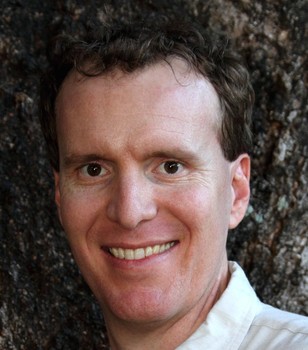
Scott Heron
- Professor
- scott.heron@jcu.edu.au
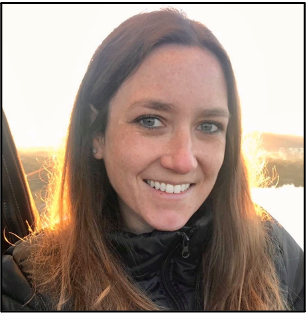
Lauren Waszek
- Senior Lecturer
- lauren.waszek@jcu.edu.au
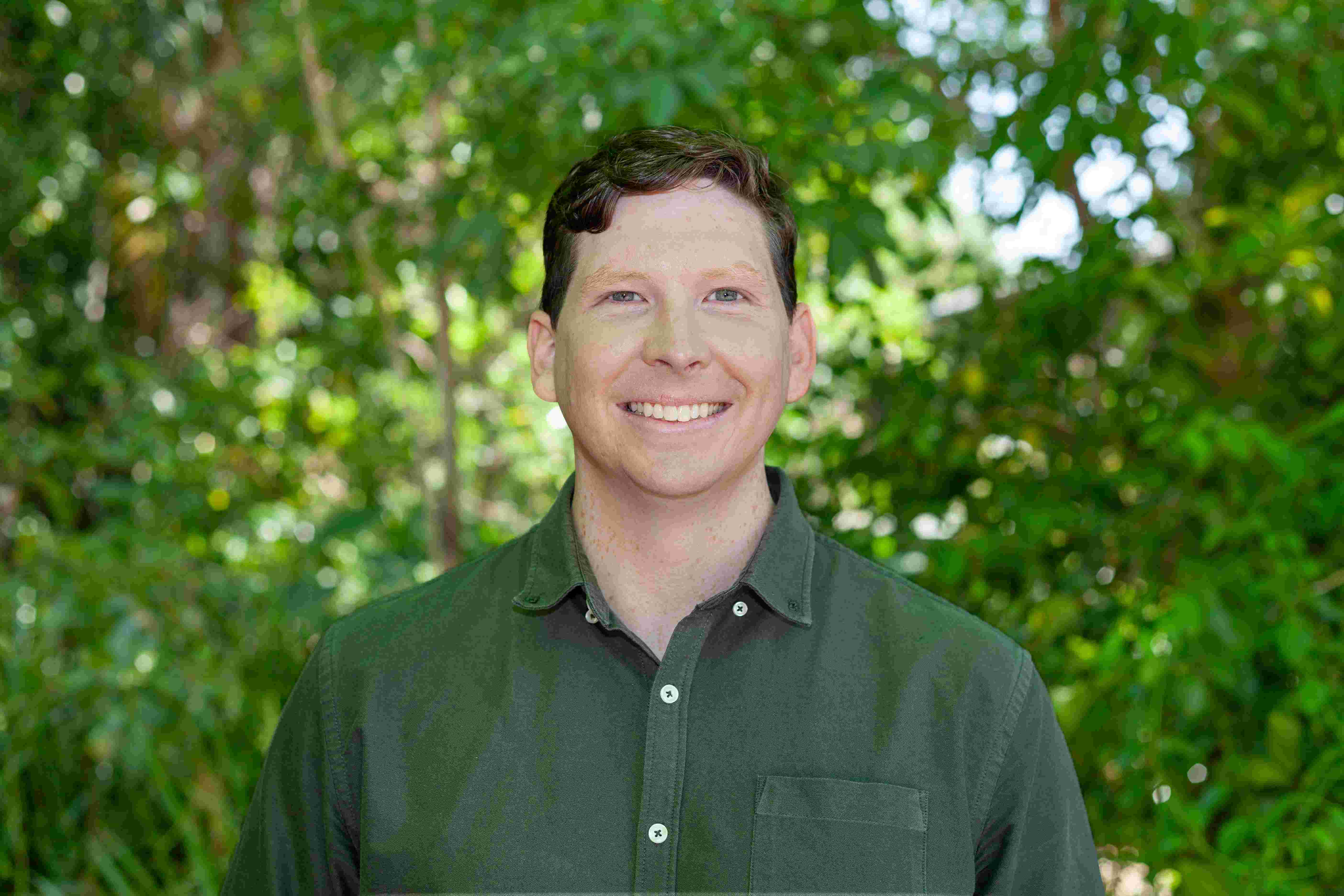
Greg Boyle
- Senior Lecturer, Physics
- gregory.boyle@jcu.edu.au
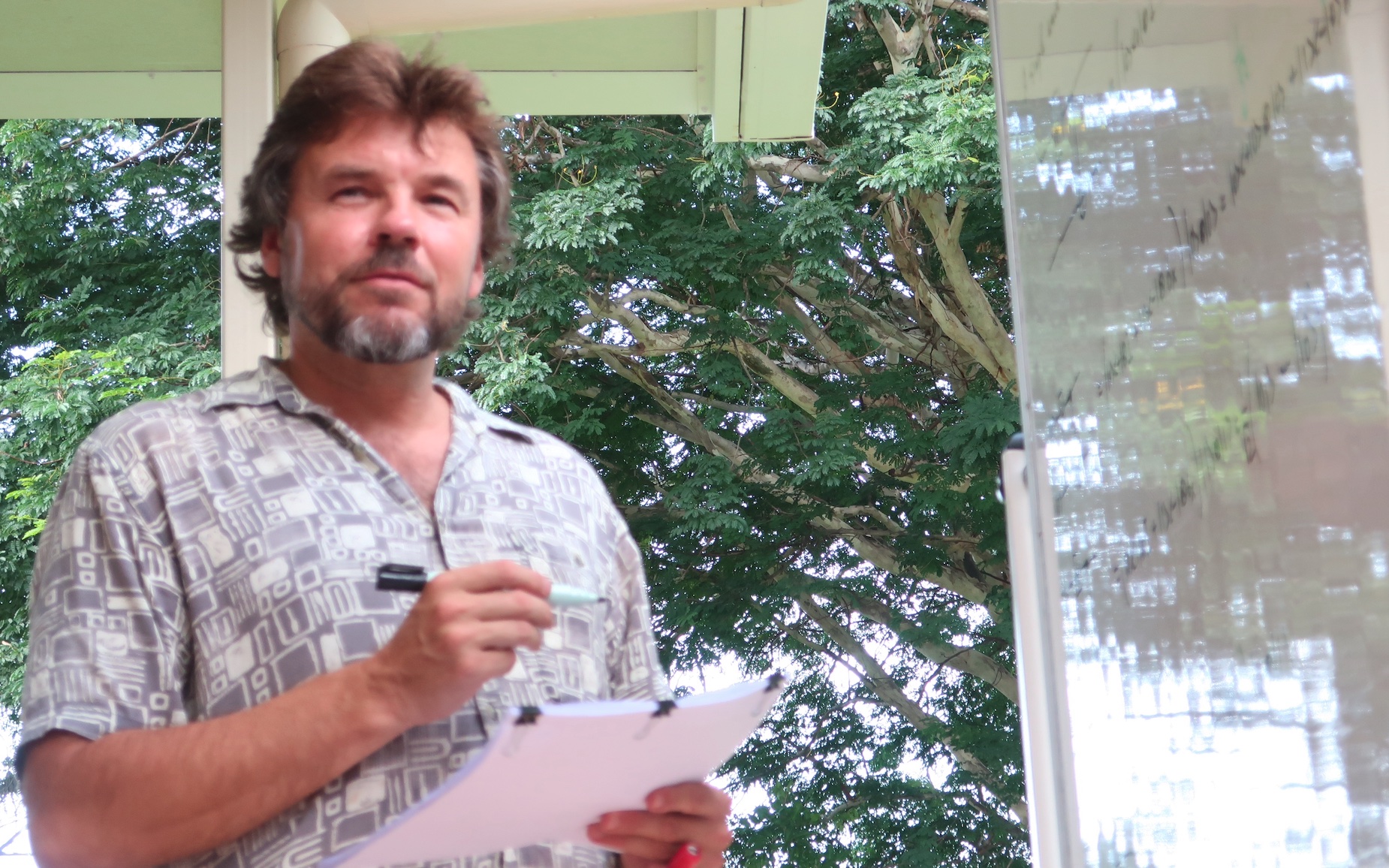
Daniel Kosov
- Associate Professor
- daniel.kosov@jcu.edu.au
Sara Brice
- Senior Lecturer
- sara.brice1@jcu.edu.au

James Whinney
- Senior Research Officer
- james.whinney@jcu.edu.au
Climate Vulnerability Index (Old ID 26781)
Scott Heron
01 Jan 2020 - 31 May 2020
Climate change is the fastest growing threat to World Heritage properties, many of which - natural, cultural and mixed - are already being impacted. The Climate Vulnerability Index (CVI) is a rapid assessment tool to identify key drivers of vulnerability, opportunities for response and priorities for action across all types of World Heritage properties. The CVI framework considers potential impacts, adaptive capacity, and economic, social and cultural consequences of climate change. Here we propose to apply the CVI process in the Wadden Sea World Heritage property.
Forecasting coral disease outbreaks across the tropical Pacific Ocean using satellite-derived data (Old ID 26648)
Scott Heron
01 Apr 2019 - 31 Mar 2021
The project will develop better models of coral disease outbreak risk across the western tropical Pacific Ocean and embed these into the NOAA Coral Reef Watch decision support system (DSS). The current DSS, at ~50 km SST data, assesses coral disease risk for the Great Barrier Reef and Hawaii for a single disease type. Improvements will be to: increase the spatial resolution to 5 km, and expand to several coral diseases, host species and regions; incorporate short-term SST forecasts; incorporate ocean colour data, where appropriate; and undertake additional targeted coral disease observations.
A new Journey to the Earth's Inner Core: a Planet Within a Planet (Old ID 27499)
Lauren Waszek
01 Jan 2022 - 31 Dec 2024
This project aims to address critical unsolved problems in global geophysics by probing the structure and dynamics of the inner core, the Earth’s time capsule. It will elucidate the inner core’s nature with improved tomographic images, critically testing our current understanding of how the inner core is assembled and grows, its thermodynamic state, crystallographic structure, and connection with the Earth’s upper layers and geomagnetic field. Answering these questions has far-reaching consequences for current knowledge of fundamental geophysics. Expected benefits include training students and researchers in geophysics and data processing, contributing to a skilled STEM workforce and creating leadership for Australia.
Constraining the relationship between mantle discontinuities and convection processes beneath the Australian Plate (Old ID 27407)
Lauren Waszek
17 May 2017 - 31 Aug 2023
Earth’s mantle is characterised by hot upwelling plumes and cold downgoing slabs, some of which are deflected at various depths in the upper mantle. The deflection shows some relationship to seismic discontinuities. which arise from mineral and compositional changes, but this is poorly understood. Consequently, the cause of deflection remains debated. The edges of the Australian tectonic plate display a range of subduction processes, providing an ideal natural laboratory. This project will establish any link between the behaviour of slabs and properties of mantle discontinuities, determine the influence of convection on discontinuities, and investigate correlations between deep and shallow structures.
Climate Vulnerability Index - YBM (Old ID 27435)
Scott Heron
01 Jul 2021 - 30 Nov 2021
Climate change poses an existential threat to global heritage. With rising sea-levels, more extreme weather events and aridification, the extensive impacts of climate are evident at heritage sites globally and the pace of this change is startling. In most parts of the world the rate of loss is exceeding adaptive capacity and this deficit is only getting worse. Decisions on conservation and preservation begin with a detailed understanding of a place's vulnerability. The choices made will directly impact that ability to effectively integrate the goals of safeguarding heritage, adapting and mitigating climate change, and driving sustainable development. This project will apply the Climate Vulnerability Index process to initiate assessment of the vulnerability of the land and sea country of the Yuku Baja Muliku (YBM) people. There is an urgent need to assess climate vulnerability using community-based methodologies to inform actions taken by decision makers.
Climate Vulnerability Index Aldabra (Old ID 27415)
Scott Heron
01 Sep 2021 - 31 Dec 2021
Climate change poses an existential threat to global heritage. With rising sea-levels, more extreme weather events and aridification, the extensive impacts of climate are evident at heritage sites globally and the pace of this change is startling. In most parts of the world the rate of loss is exceeding adaptive capacity and this deficit is only getting worse. Decisions on conservation and preservation begin with a detailed understanding of a place's vulnerability. The choices made will directly impact that ability to effectively integrate the goals of safeguarding heritage, adapting and mitigating climate change, and driving sustainable development. This project will apply the Climate Vulnerability Index process to assess the vulnerability of the Aldabra Atoll World Heritage property and its associated communities. There is an urgent need to assess climate vulnerability using community-based methodologies to inform actions taken by decision makers.
Climate Vulnerability Index Vega
Scott Heron
01 Jan 2021 - 31 Oct 2024
Climate change poses an existential threat to global heritage. With rising sea-levels, more extreme weather events and aridification, the extensive impacts of climate are evident at heritage sites globally and the pace of this change is startling. In most parts of the world the rate of loss is exceeding adaptive capacity and this deficit is only getting worse. Decisions on conservation and preservation begin with a detailed understanding of a place's vulnerability. The choices made will directly impact that ability to effectively integrate the goals of safeguarding heritage, adapting and mitigating climate change, and driving sustainable development. This project will apply the Climate Vulnerability Index process to assess the vulnerability of the Vegaoyen – The Vega Archipelago World Heritage property and its associated communities. There is an urgent need to assess climate vulnerability using community-based methodologies to inform actions taken by decision makers.
Norfolk Island baseline reef health assessment (Old ID 26821)
Scott Heron
01 Mar 2020 - 04 Jun 2020
Conduct baseline benthic community and coral health surveys (condition and resilience) at Emily Bay/Slaughter Bay and Ball Bay to investigate the structure and health of coral communities.
Climate Vulnerability Index (Old ID 27096)
Scott Heron
01 Jul 2020 - 30 Jun 2021
Climate change is the fastest growing threat to World Heritage properties, many of which –natural, cultural and mixed – are already being impacted. The Climate Vulnerability Index (CVI) is a rapid assessment tool to identify key drivers of vulnerability, opportunities for response and priorities for action across all types of World Heritage properties. The CVI framework considers potential impacts, adaptive capacity, and economic, social and cultural consequences of climate change. Here we propose to apply phase 2 of the CVI process in the Wadden Sea World Heritage property. Continuation of previous project.
Modelling plasma devices on femtosecond to millisecond timescales for compact particle-accelerator applications.
Greg Boyle
01 Jan 2024 - 31 Dec 2024
Australia-Germany Joint Research Cooperation Scheme 2023:
Short-term exchange of researchers between JCU and DESY, collaborating on plasma wakefield acceleration (PWFA) research and development. JCU student to benefit from DESY experimental and simulation expertise as world leaders in PWFA, and DESY postdoc to benefit from JCU expertise on charged-particle transport theory.
Start Date:
01 Jan 2020
Start Date:
01 Jan 2010
End Date:
01 Jan 2021
Start Date:
01 Jan 2015
End Date:
01 Jan 2017
Start Date:
01 Jan 2005
End Date:
01 Jan 2019
Start Date:
01 Jan 2003
End Date:
01 Jan 2019
Start Date:
01 Jan 2002
End Date:
01 Jan 2003
Start Date:
01 Jan 2001
End Date:
01 Jan 2002