
College of Science & Engineering

Sophia Love
- Doctor of Philosophy (Natural and Physical Sciences)
- sophie.love@jcu.edu.au
Elle Robertson
- Doctor of Philosophy (Agriculture, Environmental and Related Studies)
- elle.robertson@jcu.edu.au
Jenny Fisher
- Associate Dean, Learning and Teaching
- jenny.fisher@jcu.edu.au
Ambili Narayanan
- Doctor of Philosophy (Natural and Physical Sciences)
- ambili.narayanan@my.jcu.edu.au
Mikaeylah Davidson
- Postdoctoral Research Fellow
- mikaeylah.davidson@jcu.edu.au
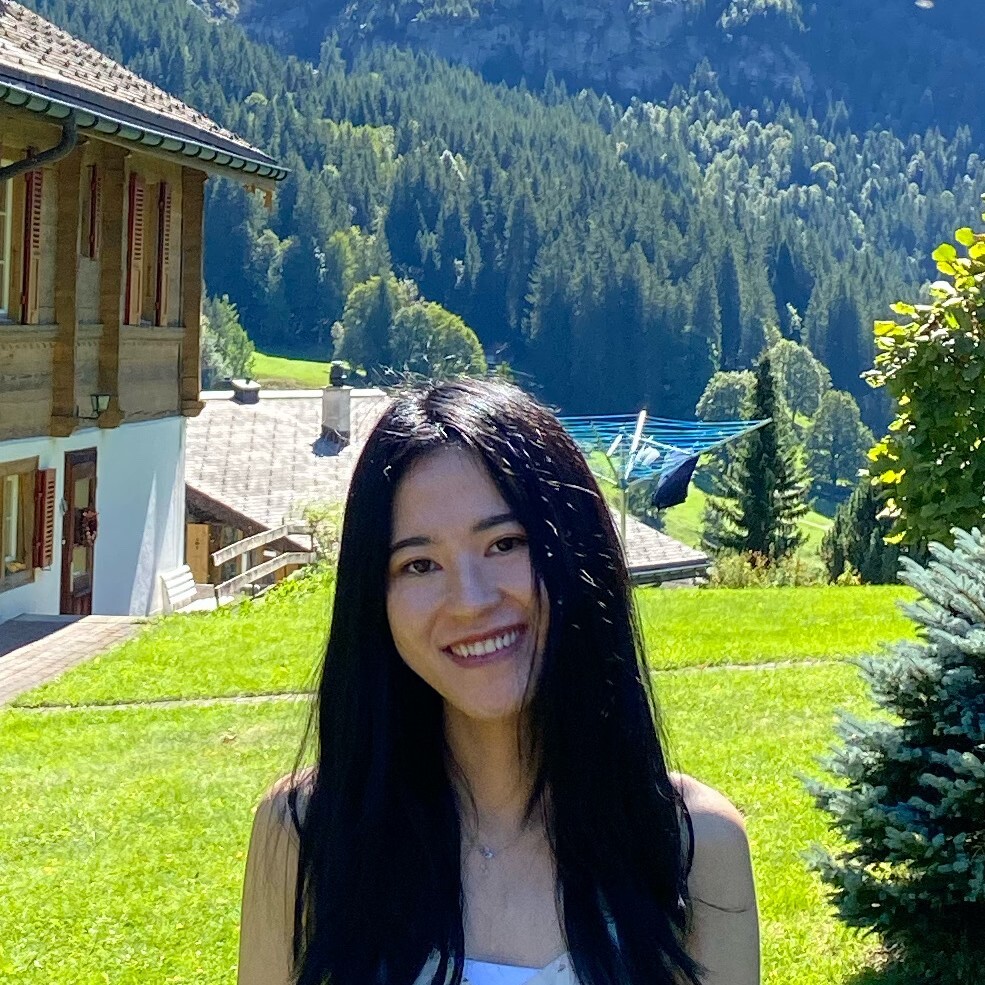
Liuxin Chen
- Adjunct Lecturer
- liuxin.chen@jcu.edu.au

Douchan Hanuise
- Doctor of Philosophy (Agriculture, Environmental and Related Studies)
- douchan.hanuise@my.jcu.edu.au

Thomas Napier
- Doctor of Philosophy (Information Technology)
- thomas.napier@jcu.edu.au
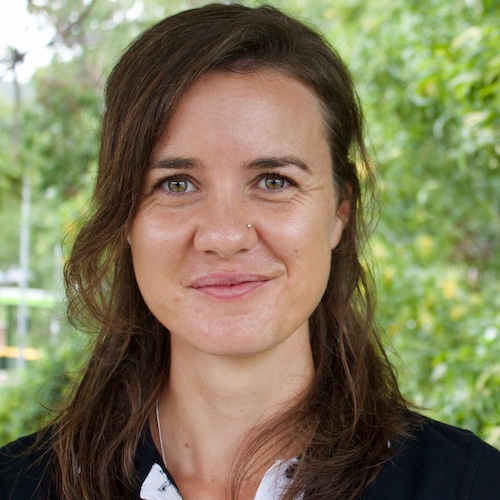
Sarah Lawless
- AIMS@JCU Research Fellow: Ocean Governance
- sarah.lawless@jcu.edu.au
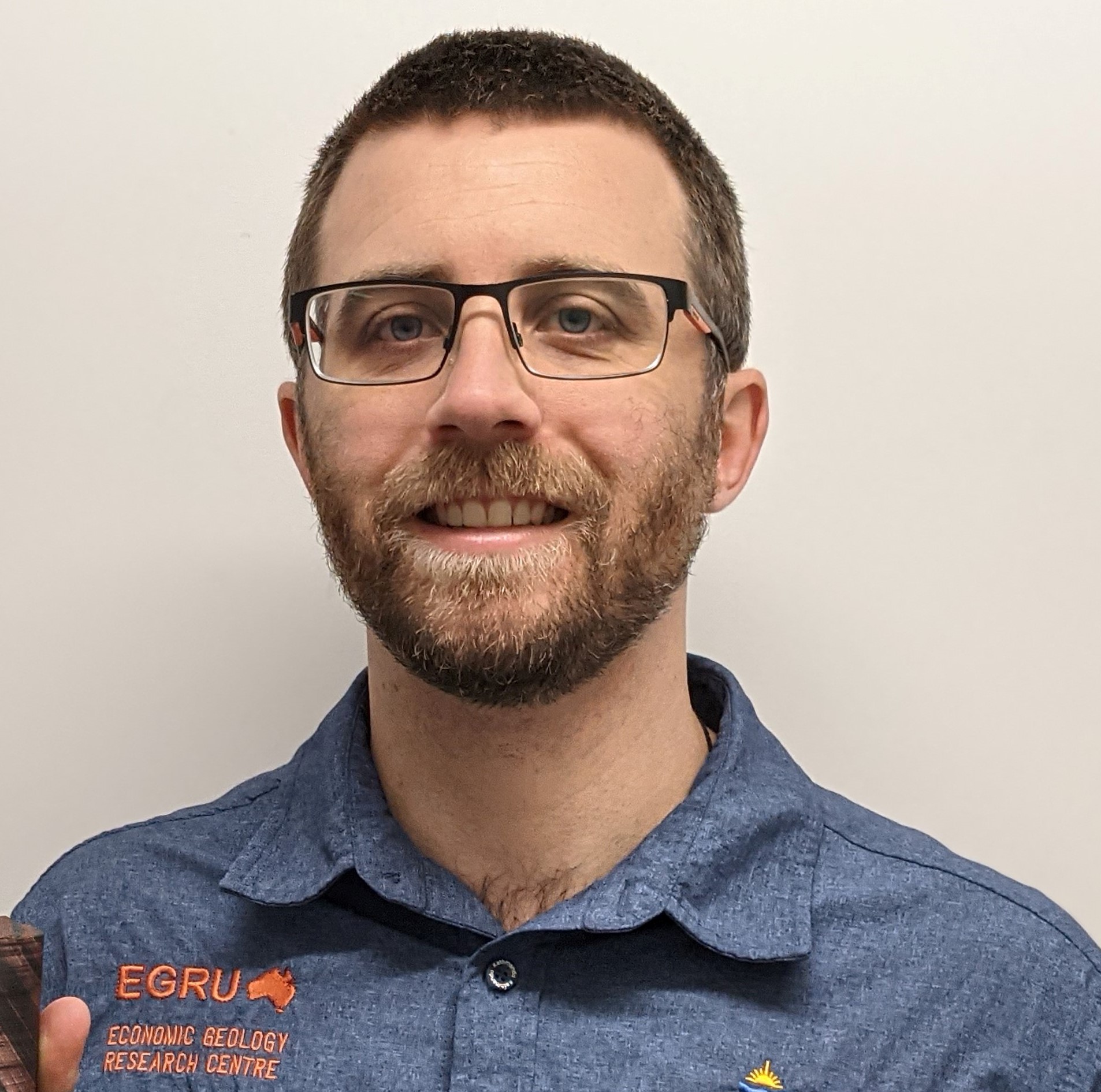
Alex McCoy-West
- Senior Lecturer, Exploration Geochemistry
- alex.mccoywest@jcu.edu.au
Mission Research – Threatened and migratory species and threatened ecological communities (Old ID 27434)
This project will provide the research foundation for the ‘Threatened and Migratory Species and Threatened Ecological Communities’ functional Mission to support policy development, program management and regulatory processes to protect Australia’s environmental assets in terrestrial, Ramsar and marine environments. It will also facilitate the Resilient Landscapes (RL)Hub’s contribution to the three other Missions. It will identify prospective research projects through scoping, reviews and workshops and will support the co-design process with research users and researchers. Outputs include a review and priority co-designed project proposals for submission in subsequent research plans of all four Hubs and an overall research plan for this Mission.
Investigating the pitfalls of bee hotels (Old ID 30046)
Concern for bees among the public has led to the augmentation of habitat for bees including the addition of bee hotels. Bee hotels are often claimed to increase bee diversity and abundance. However, they artificially aggregate nesting sites above densities naturally available for bees, which could lead to increased prevalence of pathogens, viruses and parasitism, and higher predation rates. Properly controlled experiments to investigate these threats are limited, and none have been conducted in the tropics. This project investigates whether the density of nesting spaces in bee hotels affects predation rates and pathogen and parasite prevalence in cavity nesting bees.
Providing natural heritage technical advice on World Heritage (Old ID 25019)
To ensure that Australia meets its obligations as a world Heritage committee member by conducting technical natural heritage research and analysis on the sites that are subject to World Heritage inscription and state of conservation decisions in 2018 by: 1) reviewing world Heritage Centre documents that relate to the site inscription nominations and state of conservation assessments; and 2) providing expert natural heritage technical advice to the Australian Government at the 42nd World Heritage Committee Session in Bahrain.
Novel governance for marine ecosystems in rapid transition
This research program combines the political and climate sciences with ecology and geography to understand and improve the design of complex environmental governance regimes. The team works closely with a range of governments, NGOs and donors on co-creating solutions to environmental governance problems. Interdisciplinary science capacity and competitiveness is underpinned by partnerships with an international expert working group, involving cotutelle PhD supervision and co-appointed postdoctoral fellowships at James Cook University, University of Melbourne, WorldFish, the Australian Institute of Marine Science, and the University of Tasmania.
SNAPP Governing Changing Oceans
How can improved marine governance guide more responsible, equitable, and effective interventions in climate-impacted oceans? Novel blue economy, blue carbon, and blue conservation interventions are being trialed and implemented to support climate-vulnerable oceans across the globe. Transitions in governance are needed to keep pace with novel interventions: to realize new opportunities, manage competing and escalating demand for marine resources, and mitigate risks and unintended consequences. How can marine governance transition to meet these new challenges? Answering this question is urgent, because while investment in climate-impacted oceans is accelerating, most interventions remain ad hoc, uncoordinated, and potentially ungovernable.
OUR APPROACH: Researchers in marine governance, fisheries, and climate science are collaborating with government and non-government experts in blue carbon, blue finance, blue conservation, Indigenous governance, co-management, and community resilience. The team’s mission is to collaboratively deliver governments, industries, NGOs, donors and ocean user groups and rights holders with practical insight on governance transitions that are fit for novel and rapidly emerging interventions in climate-impacted oceans.
AIMS@JCU Research Fellowship
Sarah’s research is supported under a AIMS@JCU fellowship. The AIMS@JCU program is a strategic partnership between JCU and the Australian Institute of Marine Science. Sarah is the first social scientist engaged under this program, where she contributes to a key research area of common interest - improving governance of changing oceans.
Early Career Researcher Grant - Blue carbon markets: preventing or fuelling marine tenure insecurity?
Internal grant awarded by the Centre for Sustainable Tropical Fisheries and Aquaculture (CSTFA) at James Cook University to support my investigation of blue carbon markets, including where markets may enable tenure security, leading to improved stewardship of blue carbon ecosystems, food and livelihood security, poverty reduction, and social equity.
Marine sediment geochemical survey: Coastal waters of southeastern Brazil
This project involves comprehensive geochemical fingerprinting of sediments from a marine environment to trace the potential distribution of exogenous components from a tailings dam failure. JCU is leading the systematic multi-instrument (XRD, XRF, ICP-MS, MC-ICP-MS) geochemical and isotopic characterization of approximately 200 samples. This includes quantifying the mineralogy, major, trace and volatile element concentration analysis, coupled with high-precision O-Sr-Nd-Fe isotope composition analyses.
Develop an autonomous AI vehicle damage assessment tool (Phase II) (Old ID 27223)
Improvement upon the project 1 developed method for automated detection, identification and categorisation of vehicle panel damage by developing a user interface and video vision. Semantic segmentation and deep learning networks will be further refined and developed for the next evolution/iteration of the software platform.
Imaygi Maalu (Unchartered waters): The governance and management of the Torres Strait fisheries into the future (Old ID 26723)
The key objective of this project is to investigate existing national and international research knowledge on the management of fisheries that have recognised Indigenous interests, how this knowledge interfaces with commercial enterprises, and sustains the health of the fisheries and the cultural traditions of the Indigenous people. Accommodating such components into existing legal frameworks remain a challenge for various governments and is a challenging matter in many of the world's fisheries. The Torres Strait fisheries is no different and exists in a complex legislative framework.
Start Date:
01 Jan 2021
Start Date:
01 Jan 2024
Title:
Glenn Almany Memorial Prize
Start Date:
01 Jan 2021
Start Date:
01 Jan 2018
Title:
FISH Research Award
Start Date:
01 Jan 2018
Title:
Best paper award
Start Date:
01 Jan 2018
Start Date:
01 Jan 2023
Start Date:
01 Jan 2022
Start Date:
01 Jan 2022
Title:
University Medal
Start Date:
01 Jan 2021