
Humanities, Arts & Social Sciences

Kate Manlik
- Lecturer
- kate.manlik@jcu.edu.au
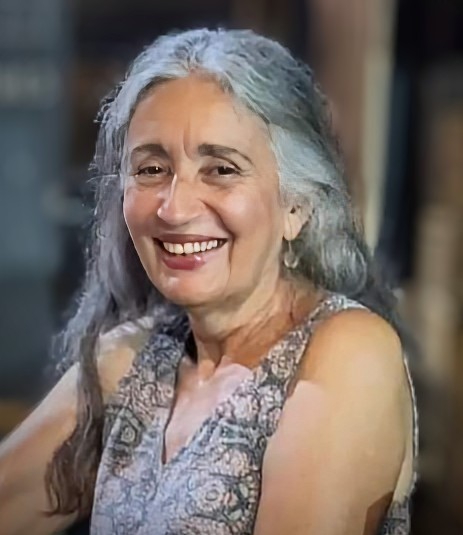
Rosita Henry
- Adjunct Professor
- rosita.henry@jcu.edu.au
Michael Ackland
- Adjunct Professor
- michael.ackland@jcu.edu.au
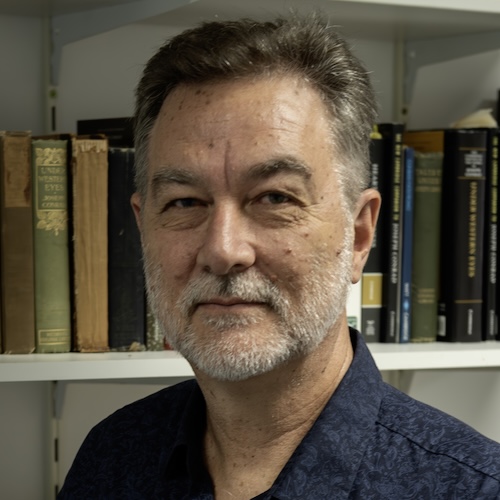
Roger Osborne
- Roderick Associate Professor of English Literature
- roger.osborne@jcu.edu.au

Claire Hansen
- Adjunct Senior Lecturer
- claire.hansen3@jcu.edu.au
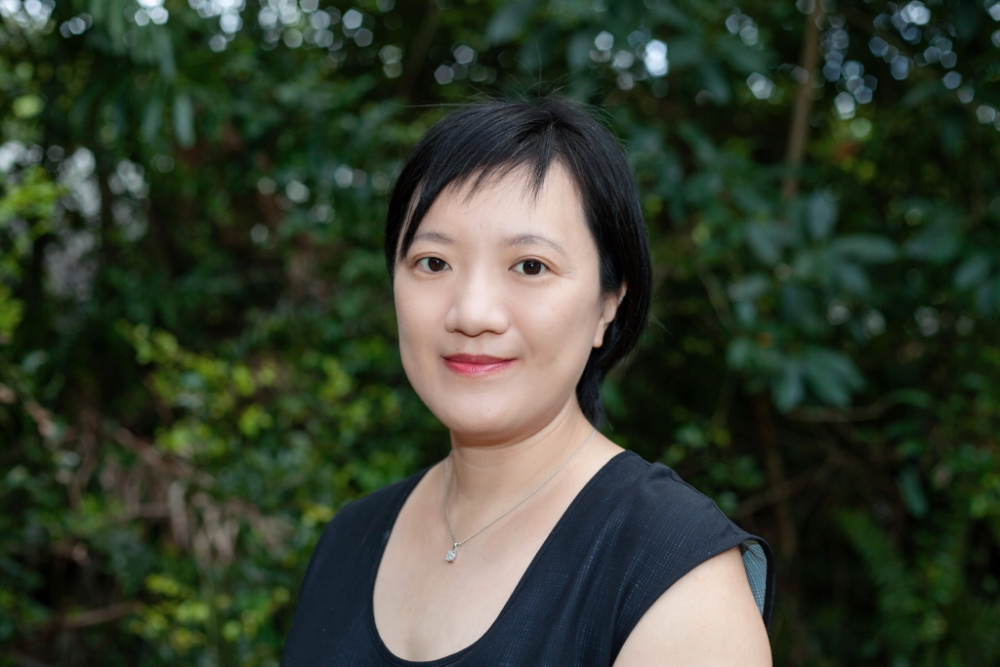
Zoe Wang
- Senior Lecturer, Development Studies
- zoe.wang@jcu.edu.au

Karen Cheer
- Adjunct Senior Research Fellow
- karen.cheer@jcu.edu.au

Katherine Woo
- Adjunct Research Fellow
- katherine.woo@jcu.edu.au

Michele Barnes
- Adjunct Associate Professor
- michele.barnes@jcu.edu.au
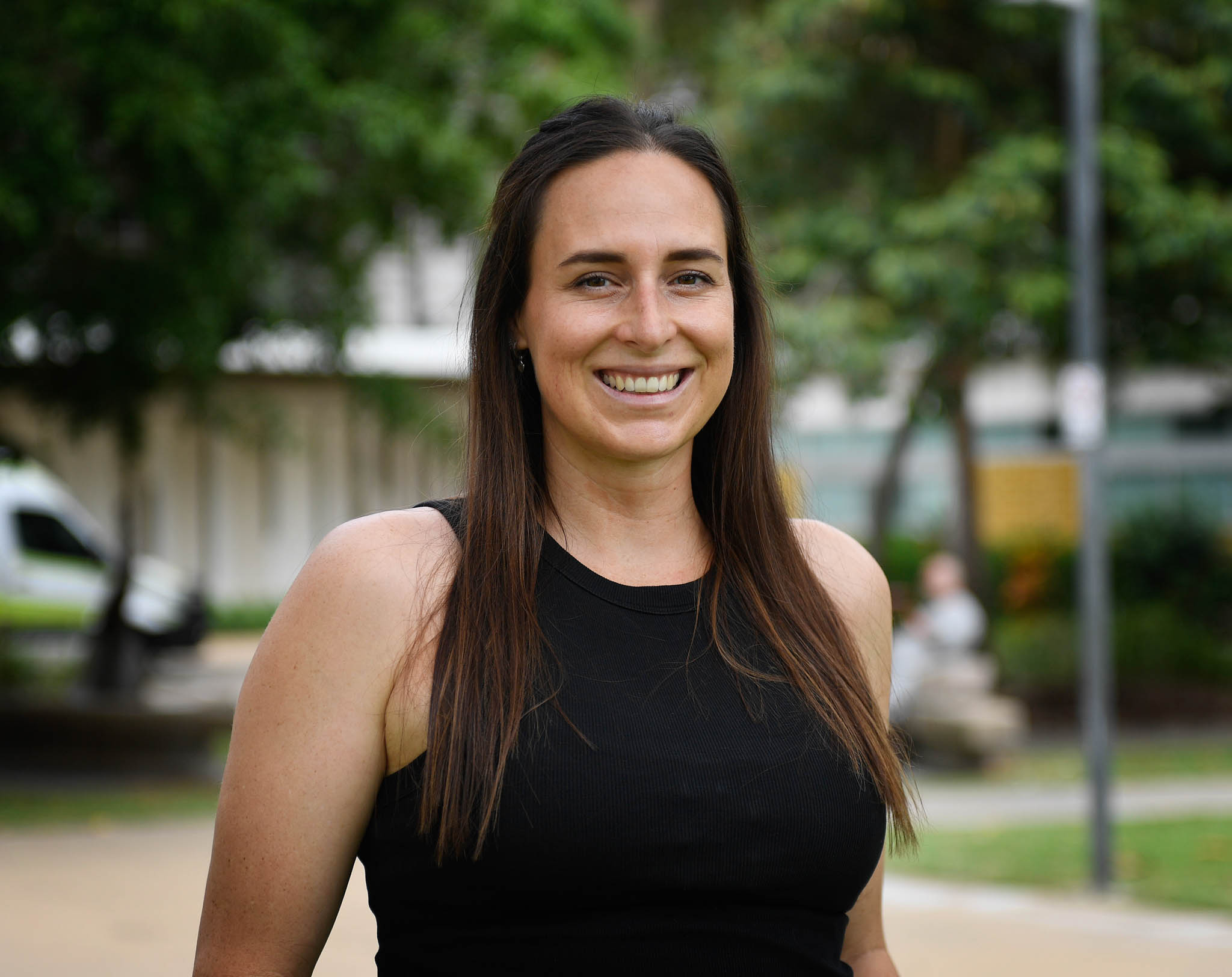
Maddy McAllister
- Senior Lecturer, Maritime Archaeology
- madeline.mcallister@jcu.edu.au
Hidden histories of the teeth: The key to unlocking ancient secrets in prehistoric central Myanmar (Old ID 26945)
The aim of this project is to examine isotopes in the teeth of individuals from three sites in prehistoric central Myanmar to examine diet, the movement and migration of people, and potential patterns in post-marital residence, which are all intricately linked. Built on a strong conceptual framework this project seeks to generate new information in the field of archaeological science. The research outcomes of this project will expand our current archaeological knowledge of this focal but under-researched area, which will be of particular benefit in understanding Myanmar in relation to surrounding regions and the wider Southeast Asian context, and in fostering continued collegiality and collaboration with Myanmar scholars and communities.
Understanding long-term Indigenous uses of the Great Barrier Reef: Re-excavating the Freshwater Bay Midden, Lizard Island (Old ID 27472)
This project aims to document Aboriginal Late Holocene use of Great Barrier Reef offshore islands through the re-excavation of Freshwater Bay Midden on Lizard Island. After extensive physical surveys and recording of cultural places across the Lizard Island Group over the past decade it has been determined that Freshwater Bay Midden is the only remaining site with significant sub-surface deposits intact that has not yet been excavated using modern archaeological techniques. Expected outcomes include a comprehensive framework from which to consider offshore island use in northeast Australia, as well as documenting the dynamic history of Lizard Island occupation.
Re-Curating the Tropics in the era of climate change: Indigenous relationships with natural science collections in the Queensland Museum (Old ID 23071)
That Aboriginal people have made significant contributions to natural science collections in museums is little known and poorly understood. We explore relationships between natural species collectors and Aboriginal people who often helped create those collections. Our focus is no culturally significant tropical species in museum collections and how these species are represented in artefact collections. We will explore ideas about environmental change evidenced in museum practices (collecting, archiving, curating) and Aboriginal artists' responses to these ways of representing nature. In collaboration with Aboriginal artists and curators, we will begin to develop an analytical exhibition concerning environmental change in the tropics.
Improving technical and institutional capacity to support development of mariculture based livelihoods and industry in New Ireland, Papua New Guinea (Old ID 23279)
The overall aim of this project is to provide a sustainable basis for the further development of a mariculture sector in PNG and to further build capacity within country partner organisations and coastal communities to support this development. Specific research objectives are: * to further develop culture and husbandry protocols for target species; * to develop community-based sea cucumber culture methodology to a level potentially supporting income generation; and * to continue building long term institutional mariculture capacity in PNG. Given the significant community benefits expected from this project, detailed economic and socio-economic assessments will be undertaken to describe project impacts.
Unravelling the mystery of the Plain of Jars, Laos (Old ID 21895)
Since their discovery in the 1930s the mysterious collection s of giant stone jars scattered throughout central Laos have remained one of the great prehistoric puzzles of SE Asia. It is thought that the jars represent the mortuary remains of an extensive and powerful Iron Age culture. This project seeks to determine the true nature of these sites which date to a dynamic period of increasing complexity in Se Asia (c.500BCE-500CE). This will be achieved through extensive reconnaissance, precision mapping, archaeological excavation and analysis of associated burial material. Using a suite of cutting-edge archaeological technologies this project will have far-reaching benefits for archaeology, science, Laos and World Heritage.
Smart Islands Program: Fostering Collaboration between Australians and Polynesians (Old ID 26900)
This project primarily aims at contributing to the French Polynesian Smart Islands program, a spearhead initiative of the Polynesian Government. Research wise, the objective is to focus on two of the four core pillars of the program: Tourism and the Circular Economy. While applied research and transfer of expertise remain the catalyst of our contribution as a team, the project also involves broader aspects: education to issues specific to the Pacific (e.g. climate change) and student exchanges (DFTA NCP); commercial relations through the French Polynesia Regional Group and institutional partnership with Tahiti Business School, of key importance to diplomatic funding.
Uncovering the deep history of Indigenous fisheries on the Great Barrier Reef: Expanding knowledge with novel high-resolution collagen fingerprinting (Old ID 27260)
This project aims to document Indigenous interactions with the fish resources of the northern Great Barrier Reef (Queensland, Australia) over the past 6,500 years. Using novel analyses of archaeological fish remains, this project expects to generate new knowledge on how people’s actions transformed marine systems and modified fish communities. Expected outcomes include a long-term cultural history of the sustainability of Indigenous fisheries practices in the region, and baseline ecological data for the period prior to European occupation.
Monitoring and Evaluation for JUTE Theatre Company Transport Main Roads Dare 2 Dream Project. (Old ID 27924)
The purpose of this research is to conduct monitoring, evaluation and learning (MEL) for JUTE Theatre Company’s ‘Remote Road Safety Road Show’. The research will be used to improve future project delivery by JUTE Theatre Company, and to produce scholarly outputs.
Colonial Commemorative Landscapes in Australia
This project contributes to the team’s research program relating to historical memory and digital mapping. Stevenson and Brennan have complementary strengths and seek to build their collaborative capacity towards a future ARC DP application. Stevenson is a feminist historian of social movements with prior experience in the digital humanities through The Suffrage Postcard Project, a digital archive of transatlantic suffrage postcards from the 1910s. As a PI on a current ARC Discovery Project about the history of archiving social movements, she is working on historical memory and digital archiving. Brennan is an environmental historian, specialising in European exploration and digital history. Brennan’s work on the Coral Discovery Project involves digitally mapping all the European scientific voyages to the Pacific between 1768 and 1834. This new research project builds on their co-authored journal article (Minor Revisions) under consideration with a Radical History Review Special Edition: “Memory Over Forgetting: Monuments, Memorials and Intangible Heritage.”
The team’s new project aligns directly with the Centre for Heritage and Culture theme of “storied landscapes.” Digitally mapping colonial commemorative sites strengthens the CHC’s strategic research about storied landscapes. The team’s previous map of Cook monuments revealed that Captain Cook has become an indelible figure in Australia’s commemorative landscape with little connection between sites of historical significance and commemorative infrastructure. This method of digital historical inquiry enables the team to uncover, interpret, and translate the past to create new stories about the history and legacy of colonial figures. Digital mapping will allow the team to clearly tease out the tensions between historical knowledge and historical memory across these storied landscapes.
Challenging the orthodoxy : an alternative strategy for the tertiary teaching of piano.
- 2005
- Researchers:Ryan Daniel
Self-assessment in performance
- 2001
- Cambridge University Press
- Researchers:Ryan Daniel
Avoiding 'Aborigines': Paul Hasluck and the Northern Territory Welfare Ordinance, 1953
- 2005
- Wiley-Blackwell
- Researchers:Russell McGregor
'Breed out the colour' or the importance of being white
- 2002
- University of Melbourne
- Researchers:Russell McGregor
Governance, not genocide: Aboriginal assimilation in the Postwar Era
- 2004
- Berghahn Books
- Researchers:Russell McGregor
Assimilation as acculturation: A.P. Elkin on the dynamics of cultural change
- 2005
- API Network
- Researchers:Russell McGregor
Title:
PhD, James Cook University
Start Date:
01 Jan 2007
End Date:
01 Jan 2011
Start Date:
01 Jan 2002
End Date:
01 Jan 2006
Start Date:
01 Jan 1998
Start Date:
01 Jan 2020
Start Date:
01 Jan 2012
Start Date:
01 Jan 2012
Start Date:
01 Jan 2020
Start Date:
01 Jan 2018